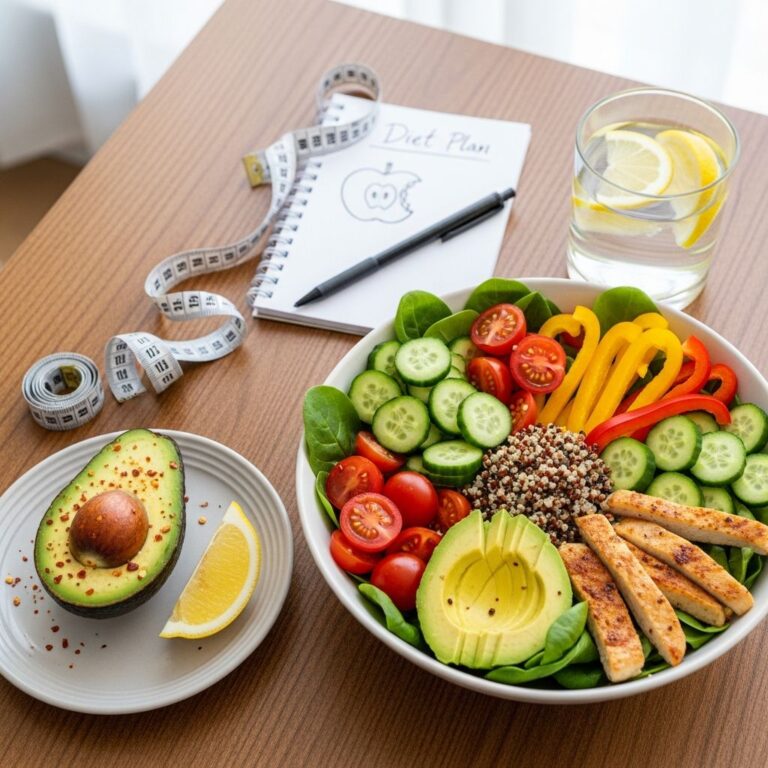
30-Day High-Protein Vegetarian Breakfast Plan
Boost your mornings with 30 days of delicious, high-protein vegetarian breakfasts to support weight loss and sustained energy.
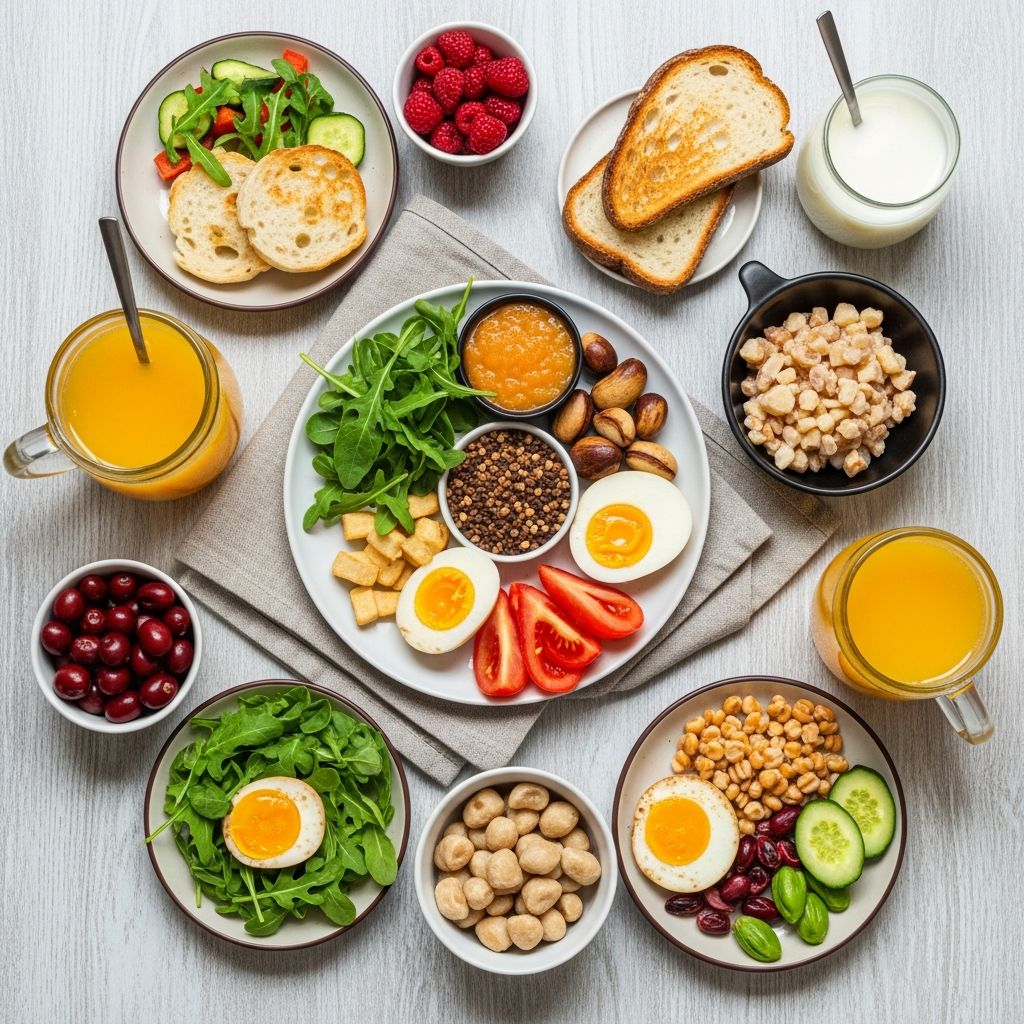
This comprehensive 30-day high-protein vegetarian breakfast plan is designed to kickstart your day with nourishing, satisfying meals. Each recipe delivers at least 20 grams of protein while staying under 400 calories, emphasizing fiber-rich ingredients like oats, eggs, Greek yogurt, and plant-based proteins such as tofu, tempeh, and legumes. Perfect for weight loss, these breakfasts promote fullness, stabilize blood sugar, and provide essential nutrients without animal meats.
Vegetarian diets can sometimes fall short on protein, but this plan counters that with strategic combinations of dairy, eggs, nuts, seeds, and pulses. Backed by nutritional science, high-protein breakfasts enhance satiety hormones like peptide YY and reduce ghrelin, helping you eat less throughout the day. Expect variety: smoothies, overnight oats, savory toasts, and egg-based dishes to keep things exciting over 30 days.
How to Use This Plan
Follow the daily recipes as listed or mix and match based on preferences and availability. Prep ahead for busy weeks—many recipes like overnight oats or chia puddings take under 10 minutes. Aim for consistency to reap benefits like improved muscle maintenance and steady energy. Track progress with a journal noting hunger levels and energy.
- Daily Structure: One breakfast per day, ~300-400 calories, 20-30g protein, 5-10g fiber.
- Customization: Swap dairy for plant-based alternatives if vegan; adjust portions for higher calorie needs.
- Shopping Tips: Stock up on staples like Greek yogurt, eggs, oats, chia seeds, nuts, and seasonal produce.
Weekly Shopping List
We’ve broken down essentials into a reusable shopping list for the first week; repeat and rotate for subsequent weeks. Focus on fresh produce mid-week.
| Category | Items | Quantity |
|---|---|---|
| Dairy & Eggs | Greek yogurt (plain, nonfat), eggs, cottage cheese, feta cheese | 2 quarts, 2 dozen, 16 oz, 4 oz |
| Produce | Berries (strawberries, blueberries), bananas, spinach, avocados, tomatoes | 2 pints each berries, 6 bananas, 2 bunches spinach, 4 avocados, 6 tomatoes |
| Grains & Seeds | Oats (rolled), chia seeds, quinoa, whole-grain bread | 1 lb oats, 8 oz chia, 1 lb quinoa, 1 loaf bread |
| Proteins | Tofu, edamame, peanut butter, almonds, lentils (canned) | 2 blocks tofu, 2 bags edamame, 16 oz PB, 8 oz almonds, 4 cans lentils |
| Pantry | Almond milk, cinnamon, vanilla extract, honey | 1 carton milk, 2 oz cinnamon, 2 oz vanilla, 4 oz honey |
Week 1: Building Momentum
Day 1: Berry Greek Yogurt Parfait (350 cal, 25g protein)
Layer 1 cup nonfat Greek yogurt with ½ cup mixed berries, 2 tbsp chia seeds, and 1 tbsp chopped almonds. Drizzle with 1 tsp honey. This parfait offers probiotics for gut health alongside antioxidants from berries.
Day 2: Avocado Egg Toast (380 cal, 22g protein)
Mash ½ avocado on whole-grain toast, top with a poached egg, spinach, and feta crumbles. Season with black pepper. Avocados provide healthy fats that enhance protein absorption.
Day 3: Peanut Butter Banana Overnight Oats (340 cal, 24g protein)
Mix ½ cup oats, 1 cup almond milk, 2 tbsp peanut butter, 1 sliced banana, and cinnamon. Refrigerate overnight. Oats’ beta-glucan fiber supports cholesterol reduction.
Related Stories



Day 4: Tofu Scramble with Veggies (360 cal, 28g protein)
Sauté crumbled firm tofu with spinach, tomatoes, and turmeric. Serve with whole-grain toast. Tofu is a complete plant protein with all essential amino acids.
Day 5: Cottage Cheese & Tomato Bowl (320 cal, 26g protein)
Combine 1 cup low-fat cottage cheese with cherry tomatoes, cucumber, and herbs. A simple, no-cook option rich in casein protein for slow release.
Day 6: Chia Seed Pudding with Nuts (370 cal, 23g protein)
Blend 3 tbsp chia seeds with 1 cup almond milk, top with walnuts and berries after setting. Chia delivers omega-3s vital for heart health.
Day 7: Edamame Smoothie (330 cal, 25g protein)
Blend 1 cup shelled edamame, 1 banana, spinach, and almond milk. Edamame’s soy isoflavones may aid hormonal balance.
Week 2: Variety and Flavor Boost
Day 8: Spinach Feta Omelet (390 cal, 27g protein)
Whisk 2 eggs with spinach and 1 oz feta; cook into an omelet. Pair with a side of berries. Eggs are a gold standard for bioavailability.
Day 9: Lentil Breakfast Bowl (350 cal, 24g protein)
Warm ½ cup lentils with avocado, poached egg, and salsa. Lentils offer plant iron paired with vitamin C from salsa for absorption.
Day 10: Yogurt with Hemp Seeds (340 cal, 22g protein)
Stir 3 tbsp hemp seeds into Greek yogurt with apple slices. Hemp provides complete protein and gamma-linolenic acid for inflammation reduction.
Day 11: Quinoa Porridge (370 cal, 26g protein)
Cook ½ cup quinoa in almond milk, top with nuts and cinnamon. Quinoa is gluten-free and higher in protein than most grains.
Day 12: Tempeh Hash (380 cal, 29g protein)
Crumble and sauté tempeh with bell peppers and onions. Tempeh’s fermentation enhances digestibility and B-vitamin content.
Day 13: Berry Protein Smoothie (320 cal, 25g protein)
Blend Greek yogurt, frozen berries, spinach, and chia. Smoothies are ideal for on-the-go nutrition.
Day 14: Cheese & Veggie Toast (360 cal, 23g protein)
Top toast with cottage cheese, sliced tomatoes, and basil. Keeps it light yet filling.
Week 3: Sustained Energy Focus
Day 15: Egg Muffins with Veggies (390 cal, 28g protein)
Bake eggs with diced veggies in muffin tins for grab-and-go. Batch-prep for the week.
Day 16: Almond Butter Oats (350 cal, 24g protein)
Stir almond butter into overnight oats with banana. Nuts add crunch and healthy fats.
Day 17: Tofu Smoothie Bowl (330 cal, 26g protein)
Blend silken tofu with fruits, top with granola. Silken tofu creates creamy texture.
Day 18: Greek Yogurt with Seeds (370 cal, 25g protein)
Mix yogurt with pumpkin seeds and pear. Seeds boost zinc for immunity.
Day 19: Black Bean Scramble (380 cal, 27g protein)
Combine eggs with black beans and avocado. Beans provide resistant starch for gut health.
Day 20: Chia Overnight Oats (340 cal, 23g protein)
Layer oats with chia and almond milk, topped with kiwi. Kiwi adds vitamin C.
Day 21: Feta Avocado Toast (360 cal, 22g protein)
Upgrade toast with feta and poached egg. Mediterranean flavors shine.
Week 4: Finishing Strong
Day 22: Protein Pancakes (390 cal, 28g protein)
Blend oats, banana, eggs, and bake. A fun weekend treat.
Day 23: Edamame Salad Bowl (350 cal, 25g protein)
Mix edamame, quinoa, and veggies cold. No cooking needed.
Day 24: Cottage Cheese Parfait (320 cal, 26g protein)
Layer with granola and berries for texture contrast.
Day 25: Spinach Quinoa Bowl (370 cal, 24g protein)
Warm quinoa with spinach and tahini dressing.
Day 26: Peanut Butter Yogurt (340 cal, 23g protein)
Swirl PB into yogurt with apple.
Day 27: Veggie Frittata (380 cal, 27g protein)
Bake eggs with an array of veggies.
Day 28: Berry Chia Pudding (330 cal, 22g protein)
Classic repeat with twists.
Day 29: Lentil Toast (360 cal, 25g protein)
Mash lentils on toast with egg.
Day 30: High-Protein Smoothie (350 cal, 28g protein)
End with a nutrient-packed blend of yogurt, tofu, and greens.
Nutrition Benefits
High-protein breakfasts (25-30% of calories from protein) improve body composition, per studies from the Journal of the International Society of Sports Nutrition. Vegetarian sources ensure fiber intake exceeds 25g daily, aiding digestion and weight control. Expect 5-10 lbs loss over 30 days with calorie deficit and exercise.
Frequently Asked Questions (FAQs)
Q: Can I make this plan vegan?
A: Yes, replace yogurt/eggs with plant-based alternatives like soy yogurt and flax eggs; protein stays high with tofu and legumes.
Q: Are these recipes beginner-friendly?
A: Absolutely—most take 5-15 minutes; no advanced skills needed.
Q: How does this support weight loss?
A: Low calories + high protein/fiber increase satiety, reducing overall intake by 300-500 calories daily.
Q: What if I need more calories?
A: Add nuts, fruit, or double portions; scale to 500 calories easily.
Q: Is nutritional info accurate?
A: Based on USDA data; use an app like MyFitnessPal for personalization.
References
- Dietary Guidelines for Americans, 2020-2025 — U.S. Department of Agriculture and U.S. Department of Health and Human Services. 2020-12-01. https://www.dietaryguidelines.gov/sites/default/files/2020-12/Dietary_Guidelines_for_Americans_2020-2025.pdf
- High-Protein Breakfasts & Weight Loss — Leidy, H.J. et al., Journal of Nutrition. 2015-06-10. https://doi.org/10.3945/jn.114.208397
- Protein Intake for Vegetarians — Academy of Nutrition and Dietetics. 2023-05-15. https://www.eatright.org/food/nutrition/vegetarian-and-special-diets/vegetarian-diets-made-easy
- Fiber and Satiety Review — World Health Organization. 2022-11-20. https://www.who.int/news-room/fact-sheets/detail/healthy-diet
- Effects of Breakfast Protein on Appetite — Reuters Health Report. 2024-03-12. https://www.reuters.com/science/high-protein-breakfasts-may-help-weight-loss-2024-03-12/
Similar Articles








Read full bio of medha deb