30-Day Low Cholesterol Meal Plan for Beginners
Start your heart-healthy journey with easy, delicious meals designed to lower cholesterol naturally.
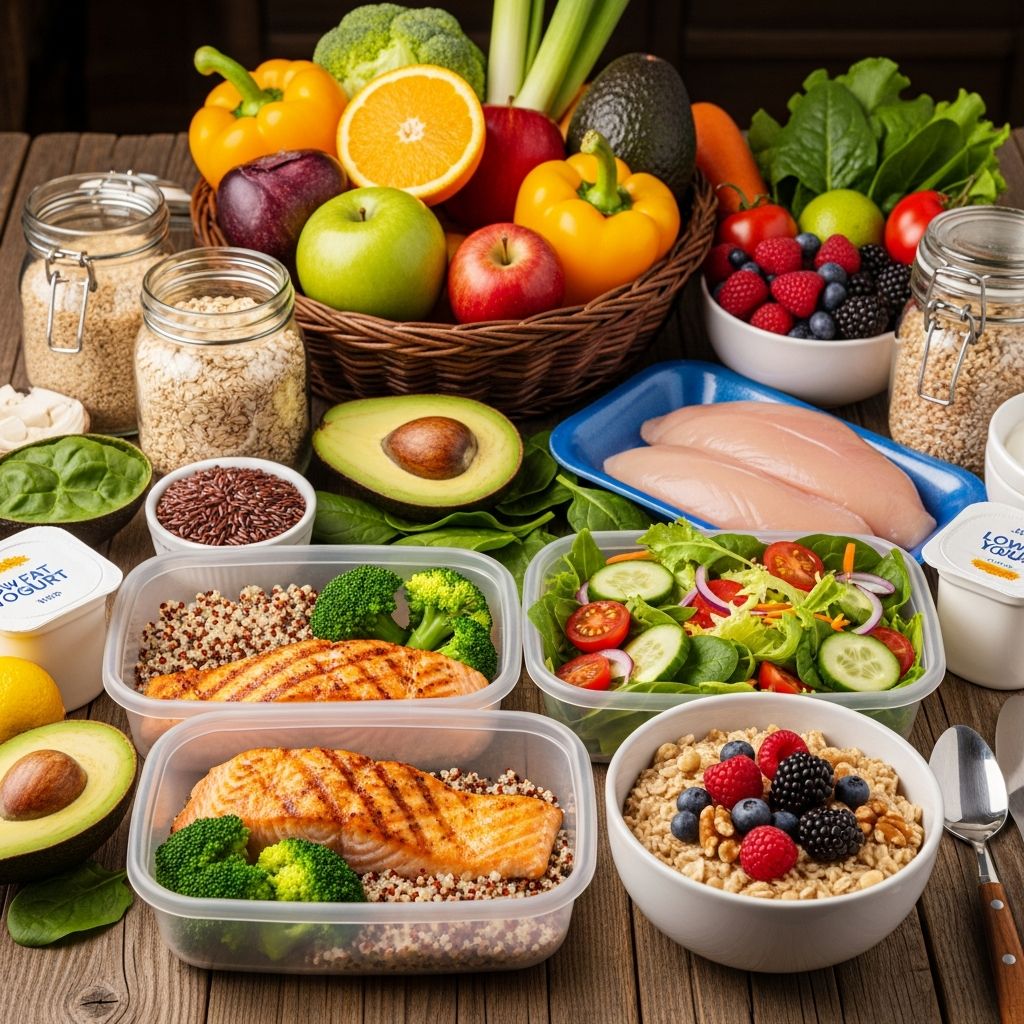
Managing cholesterol levels is one of the most important steps you can take toward better heart health. If you’ve been diagnosed with high cholesterol or simply want to reduce your risk of heart disease, adopting a low-cholesterol diet is an excellent place to start. This comprehensive 30-day meal plan is specifically designed for beginners who want to make meaningful dietary changes without feeling overwhelmed or deprived. By following this structured approach, you’ll discover that eating for heart health doesn’t mean sacrificing taste or satisfaction.
Understanding Cholesterol and Your Heart
Before diving into the meal plan, it’s important to understand what cholesterol is and why managing it matters. Cholesterol is a waxy substance found in your blood that your body needs to function properly. However, when cholesterol levels become too high, it can build up in your arteries, increasing your risk of heart disease and stroke. There are two main types of cholesterol: LDL (low-density lipoprotein), often called “bad” cholesterol, and HDL (high-density lipoprotein), known as “good” cholesterol. A successful low-cholesterol diet focuses on reducing LDL while maintaining or increasing HDL levels.
Key Principles of Low-Cholesterol Eating
A low-cholesterol diet doesn’t mean eliminating entire food groups or eating bland, boring meals. Instead, it’s about making smarter choices and understanding which foods promote heart health. Here are the fundamental principles that guide this 30-day meal plan:
- Focus on fiber: Soluble fiber helps reduce cholesterol levels by binding to cholesterol particles in your digestive system. Aim to include oats, beans, lentils, and vegetables in your meals daily.
- Choose lean proteins: Replace fatty meats with skinless chicken breast, fish, beans, and plant-based proteins that are lower in saturated fat.
- Limit saturated fats: Keep saturated fat intake to less than 5-6% of your daily calories by avoiding full-fat dairy, butter, and processed meats.
- Increase omega-3 fatty acids: Fatty fish like salmon, mackerel, and sardines contain beneficial omega-3s that can help improve your cholesterol profile.
- Embrace whole grains: Replace refined grains with whole grain bread, brown rice, quinoa, and whole wheat pasta to increase fiber intake.
- Load up on fruits and vegetables: These nutrient-dense foods are naturally low in cholesterol and high in heart-healthy compounds.
- Choose healthy oils: Use olive oil, avocado oil, and other plant-based oils instead of butter and tropical oils.
Foods to Embrace on a Low-Cholesterol Diet
Building a successful low-cholesterol eating plan starts with knowing which foods support your heart health goals. Focus on incorporating these categories into your daily meals:
Lean Proteins
Protein is essential for satiety and muscle maintenance, but not all proteins are created equal. Opt for skinless poultry, fish, legumes, tofu, and tempeh. Fish, particularly fatty varieties, provides omega-3 fatty acids that can help reduce triglycerides and support overall cardiovascular health. Limit red meat to once or twice per week, and when you do eat it, choose the leanest cuts available.
Whole Grains and Fiber
Whole grains like oatmeal, brown rice, whole wheat bread, and barley contain soluble fiber that actively helps lower cholesterol. Starting your day with a bowl of oatmeal topped with berries can set a positive tone for your entire day’s eating. Aim for at least 25-30 grams of fiber daily from various sources.
Fruits and Vegetables
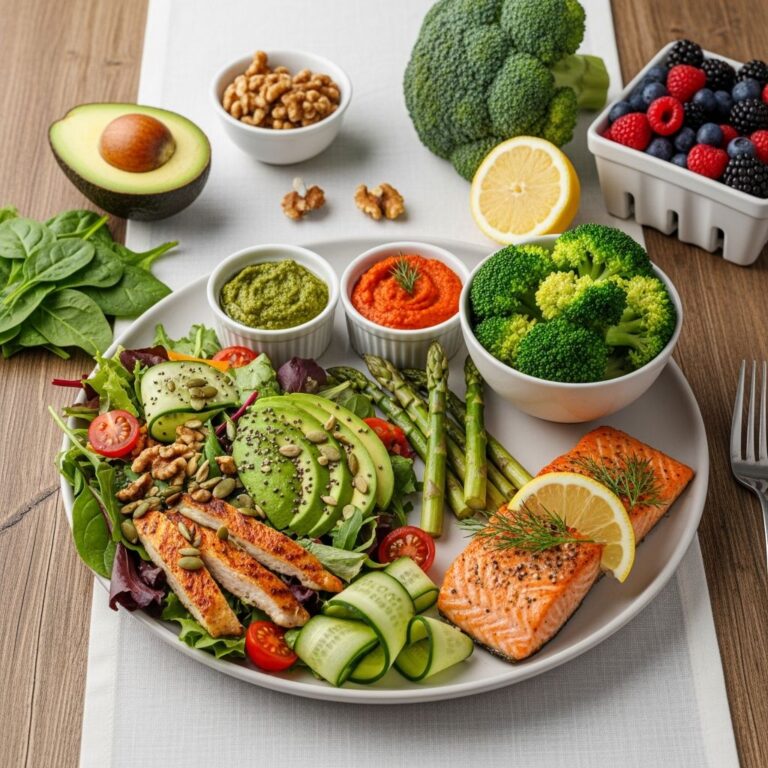
Colorful produce should fill half your plate at lunch and dinner. Vegetables like broccoli, spinach, kale, and bell peppers are packed with antioxidants and nutrients. Fruits, particularly berries, apples, and citrus, provide fiber, vitamins, and compounds that support heart health. These foods are naturally low in calories and high in satisfaction.
Related Stories



Healthy Fats
Don’t fear healthy fats—they’re essential for hormone production and nutrient absorption. Include avocados, nuts, seeds, and olive oil in your diet. These foods contain monounsaturated and polyunsaturated fats that can actually help improve your cholesterol levels when used in place of saturated fats.
Foods to Avoid or Limit
While this meal plan focuses on positive additions rather than restrictions, some foods should be limited or avoided for optimal results:
- High-fat dairy: Replace whole milk, full-fat cheese, and regular butter with low-fat or fat-free alternatives, or use plant-based options.
- Processed meats: Bacon, sausage, deli meats, and hot dogs are high in saturated fat and sodium. These should be occasional indulgences at best.
- Fatty cuts of meat: Prime beef, lamb, and pork contain significant saturated fat. Choose lean options or poultry instead.
- Fried foods: Deep-fried items absorb excess oil and contain trans fats that negatively impact cholesterol levels.
- Sugary and refined foods: Pastries, cookies, candy, and sugary drinks can contribute to weight gain and elevated cholesterol.
- Coconut and palm oils: These tropical oils are high in saturated fat despite being plant-based.
- Full-fat cheese and cream: These dairy products are concentrated sources of saturated fat.
Week-by-Week Overview of Your 30-Day Plan
This meal plan is structured to gradually introduce you to heart-healthy eating habits while building your confidence in the kitchen. Each week builds on the previous, helping you develop sustainable patterns.
Week One: Building Foundation Habits
The first week focuses on introducing you to basic low-cholesterol meals and establishing a routine. Breakfast features oatmeal-based dishes, smoothies with plant-based milk, and egg white scrambles. Lunches include grilled chicken with vegetables and whole grains. Dinners feature baked salmon, lean turkey, and bean-based dishes. By the end of week one, you’ll have discovered several meals you enjoy and understand the pattern of low-cholesterol eating.
Week Two: Expanding Your Repertoire
In the second week, you’ll explore more diverse recipes and cooking methods. This week introduces stir-fries, grain bowls, soups, and international flavors. You’ll discover that low-cholesterol eating can be exciting and varied. Try Mediterranean-inspired dishes, Asian-influenced recipes, and different vegetable combinations.
Week Three: Mastering Meal Prep
Week three emphasizes meal preparation and planning. You’ll learn to prepare components in advance that can be mixed and matched throughout the week. This approach saves time, reduces stress, and increases adherence to your low-cholesterol goals. Batch cooking grains, proteins, and vegetables becomes your strategy for success.
Week Four: Sustaining Success
The final week focuses on creating a sustainable lifestyle rather than a temporary diet. You’ll refine your favorite recipes, establish regular shopping routines, and develop strategies for eating out while maintaining your cholesterol goals. This week sets you up for long-term success beyond the initial 30 days.
Sample Daily Meal Structure
To give you an idea of what a typical day might look like, here’s a sample structure that you’ll see variations of throughout the month:
Breakfast (7-8 AM)
A nutritious breakfast sets the tone for the day and prevents mid-morning hunger. Options include oatmeal topped with berries and ground flaxseed, whole grain toast with mashed avocado, or a veggie-packed egg white omelet. These breakfasts provide fiber, protein, and sustained energy.
Mid-Morning Snack (10 AM)
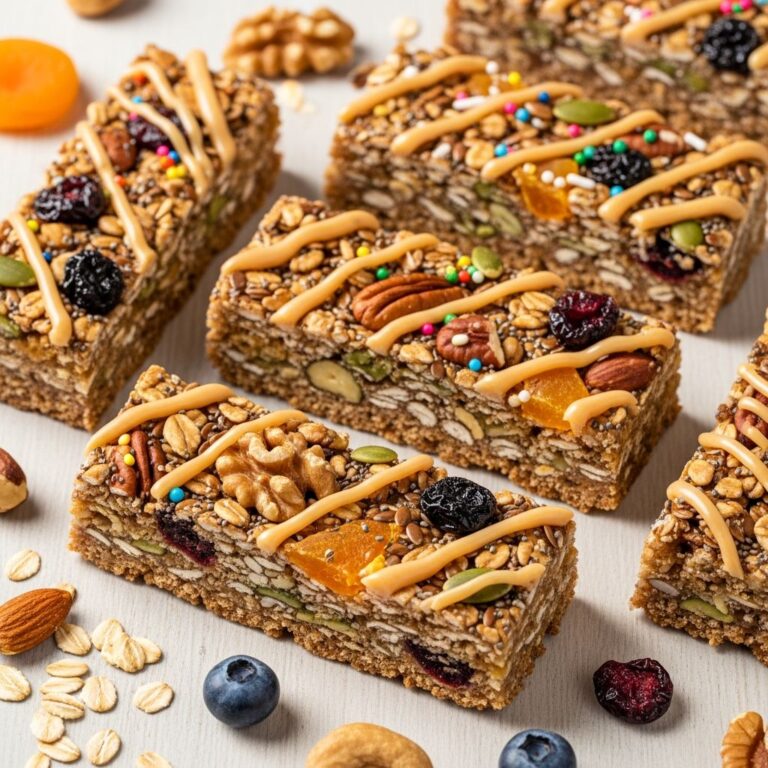
A light snack prevents energy crashes and overeating at lunch. Choose an apple with almond butter, a small handful of walnuts, Greek yogurt with berries, or carrot sticks with hummus.
Lunch (12-1 PM)
Lunch should be substantial and balanced with lean protein, whole grains, and plenty of vegetables. Examples include grilled chicken breast with quinoa and roasted vegetables, a tuna salad on mixed greens with whole grain crackers, or a vegetable-based soup with beans and whole grain bread.
Afternoon Snack (3-4 PM)
This snack bridges the gap between lunch and dinner. Opt for fresh fruit, a small portion of nuts, low-fat cheese with whole grain crackers, or air-popped popcorn seasoned with herbs.
Dinner (6-7 PM)
Dinner is an opportunity to explore different cuisines and cooking methods while keeping cholesterol in mind. Baked salmon with roasted sweet potato and broccoli, lean turkey meatballs with whole wheat pasta, or a hearty vegetable and lentil stew all work wonderfully.
Practical Tips for Success
Following a meal plan is easier when you have practical strategies in place. Here are essential tips to make your 30-day journey successful:
Smart Grocery Shopping
Plan your meals before shopping and create a detailed list organized by store sections. Stick to whole foods on the perimeter of the store, and read nutrition labels carefully. Buy fresh when possible, but frozen vegetables and fruits are equally nutritious and often more economical. Choose store brands of healthy foods to save money without sacrificing quality.
Reading Nutrition Labels
Understanding food labels is crucial for managing cholesterol. Look for saturated fat content, keeping it to less than 2 grams per serving for most foods. Check sodium levels, as high sodium can raise blood pressure and stress the heart. Watch for trans fats, which should be zero whenever possible. Compare brands to find the healthiest options.
Meal Prep Strategies
Dedicate a few hours each week to preparing components you’ll use throughout the week. Cook a large batch of brown rice, roast several sheet pans of vegetables, and grill multiple chicken breasts. Store these in glass containers for easy mixing and matching. This approach saves time and reduces the temptation to make unhealthy choices when you’re hungry.
Cooking Methods That Keep Cholesterol Low
Embrace cooking methods that don’t require added fat. Baking, grilling, steaming, and air-frying are excellent options. When you do need oil, use minimal amounts of heart-healthy options. Remove skin from poultry before cooking to reduce fat content. These methods keep your meals delicious while supporting your health goals.
Dining Out Successfully
Restaurant meals can fit into your low-cholesterol lifestyle with smart choices. Ask for dressings and sauces on the side, request grilled rather than fried preparations, and don’t hesitate to make substitutions. Choose lean proteins, increase vegetable portions, and share desserts or skip them entirely. Many restaurants now offer heart-healthy menu options or nutritional information to guide your decisions.
Frequently Asked Questions
Q: How long does it take to see results from a low-cholesterol diet?
A: Some people see improvements in their cholesterol levels within 2-3 weeks, while others may take 6-8 weeks. Regular physical activity, stress management, and adequate sleep accelerate results. Work with your healthcare provider to monitor your progress with blood tests.
Q: Can I eat eggs on a low-cholesterol diet?
A: Yes, eggs can be included in moderation. The cholesterol is found primarily in the yolk, so using egg whites or consuming whole eggs occasionally is acceptable. Many people find egg whites scrambled with vegetables to be a satisfying breakfast option.
Q: Are nuts and seeds allowed despite their fat content?
A: Absolutely. Nuts and seeds contain mostly healthy unsaturated fats that can actually help improve cholesterol levels. Enjoy them in moderation as snacks or additions to meals—about one ounce or a small handful per day.
Q: What should I do if I have cravings for unhealthy foods?
A: Cravings are normal and don’t mean you’ve failed. Plan for small indulgences occasionally rather than trying to eliminate favorite foods completely. Often, cravings diminish as your taste preferences adjust to healthier options within a few weeks.
Q: Can children follow this meal plan?
A: This meal plan is generally safe for families. However, children need adequate fat for brain development, so portions and timing may differ. Consult with your pediatrician about age-appropriate modifications to ensure nutritional needs are met.
Q: Do I need to count calories on this plan?
A: Calorie counting isn’t necessary with this plan. By focusing on whole foods, fiber-rich options, and lean proteins, you’ll naturally feel satisfied with appropriate portions. However, awareness of portion sizes remains important for weight management.
References
- Cholesterol Management: Comprehensive Overview — National Heart, Lung, and Blood Institute (NHLBI). Last Updated 2024. https://www.nhlbi.nih.gov/health/cholesterol
- Dietary Approaches to Stop Hypertension (DASH): Eating Plan — National Institutes of Health (NIH). 2024. https://www.nhlbi.nih.gov/health/dash-eating-plan
- Heart-Healthy Eating Pattern Recommendations — American Heart Association. Updated 2024. https://www.heart.org/en/healthy-living/healthy-eating
- Soluble Fiber and Cholesterol Reduction: Evidence Review — Mayo Clinic. 2024. https://www.mayoclinic.org/diseases-conditions/high-blood-cholesterol
- Omega-3 Fatty Acids and Cardiovascular Health — U.S. Food and Drug Administration (FDA). 2023. https://www.fda.gov/food/general-food-labeling-questions-frequently-asked-questions
Similar Articles








Read full bio of medha deb