30-Day Mediterranean Diet Meal Plan for Weight Loss
Transform your health in 30 days with a Mediterranean diet meal plan designed for sustainable weight loss.
The Mediterranean diet has earned recognition as one of the healthiest eating patterns in the world, consistently ranking as the #1 best overall diet for multiple years.U.S. News & World Report ranked the Mediterranean diet the #1 best overall diet for the seventh year in a row in 2025, thanks to its balance of nutritional value, sustainability, and accessibility. Unlike restrictive fad diets that promise rapid results, the Mediterranean diet offers a sustainable, long-term approach to weight loss that doesn’t feel like deprivation. This 30-day meal plan will guide you through delicious, nutrient-dense meals that support your weight loss goals while improving your overall health.
What Is the Mediterranean Diet?
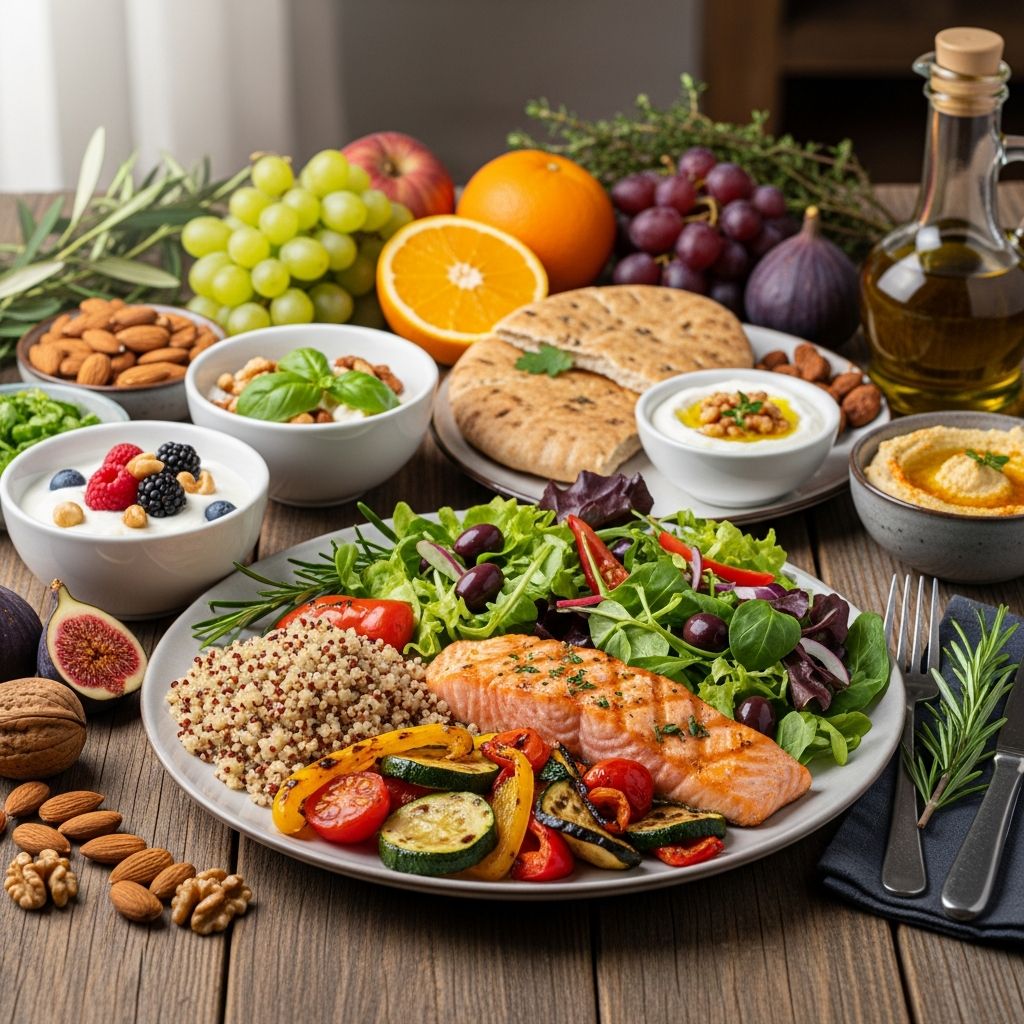
The Mediterranean diet is based on the traditional eating patterns of countries bordering the Mediterranean Sea, including Spain, France, Italy, and Greece. Rather than a strict diet with rigid rules, it’s a lifestyle approach that emphasizes whole, minimally processed foods and healthy fats. The diet prioritizes fruits, vegetables, whole grains, legumes, nuts, seeds, and olive oil as the primary source of fat. Fish and seafood are consumed regularly, poultry and dairy products in moderation, and red meat only occasionally. This plant-forward approach ensures you receive abundant fiber, vitamins, minerals, and antioxidants that support weight loss and overall wellness.
Why the Mediterranean Diet Works for Weight Loss
Promotes satiety through fiber and protein: The Mediterranean diet emphasizes fiber-rich foods like fruits, vegetables, whole grains, and legumes that keep you feeling full longer.While not designed as a weight loss diet, the Mediterranean diet supports weight loss by emphasizing fiber-rich, nutrient-dense foods that promote satiety. Additionally, adequate protein intake from fish, legumes, and poultry supports muscle maintenance and metabolic function.
Reduces calorie-dense processed foods: The diet naturally limits processed foods and added sugars, which are often high in calories but low in nutritional value. By focusing on whole foods, you naturally consume fewer calories without feeling restricted.
Stabilizes blood sugar: The foods included in the Mediterranean diet result in more stable blood sugar levels, with extra virgin olive oil shown to lower blood glucose and insulin by improving insulin sensitivity. Stable blood sugar prevents energy crashes and reduces cravings.
Long-term weight loss maintenance: Research demonstrates impressive results for weight loss maintenance. Higher adherence to the Mediterranean diet was associated with a 2-fold increased likelihood of weight loss maintenance, making it superior for keeping weight off long-term.
Proven Health Benefits Beyond Weight Loss
The Mediterranean diet isn’t just effective for weight loss—it’s a comprehensive approach to better health:
- Heart Health: The American Heart Association notes that the Mediterranean diet is consistently linked to lower rates of cardiovascular disease and stroke, largely because it emphasizes fiber-rich produce and heart-healthy fats like olive oil and nuts.
- Diabetes Prevention: Studies show that people who follow the Mediterranean diet have lower chances of developing type 2 diabetes and lower Hemoglobin A1C levels.
- Brain Health: Research studies show that the Mediterranean diet promotes improved cognition and memory and may help prevent cognitive decline and reduce the risk of Alzheimer’s disease.
- Sleep Quality: Researchers found that the Mediterranean diet is linked to better sleep quality, improves sleep efficiency, and reduces the time it takes to fall asleep.
- Cancer Risk Reduction: The Mediterranean diet is rich in fiber, healthy fats, and anti-inflammatory foods that can lower the risk of certain cancers.
- Mental Health: The Mediterranean diet is shown to improve mental health and quality of life, reducing depression and cognitive decline.
Related Stories



Core Mediterranean Diet Foods to Include
Your 30-day meal plan should center around these foundational foods:
| Food Category | Examples | Frequency |
|---|---|---|
| Vegetables | Tomatoes, cucumbers, peppers, zucchini, eggplant, spinach, broccoli, carrots | Daily (multiple servings) |
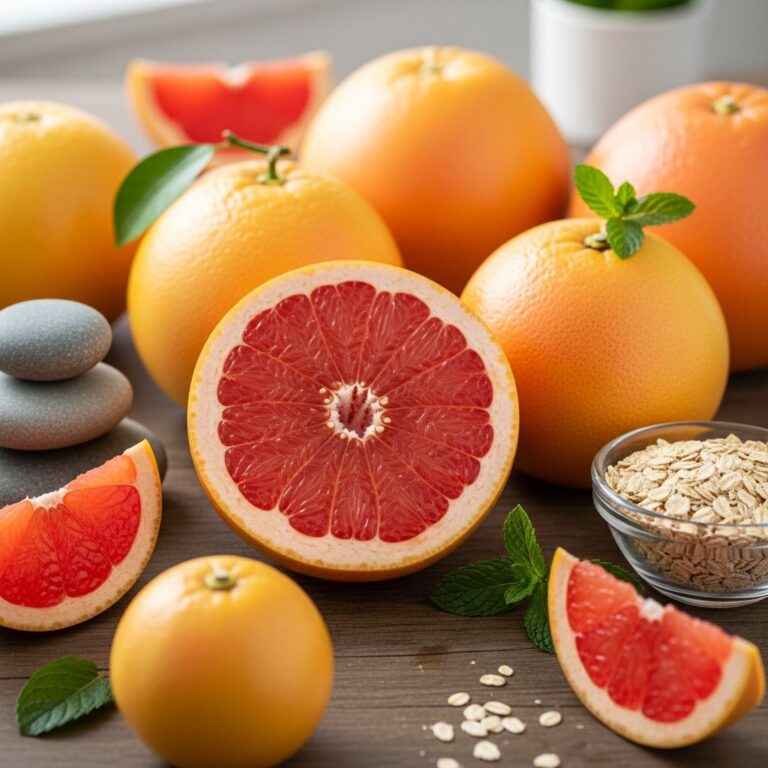
| Fruits | Apples, oranges, grapes, berries, melons, peaches, pears | Daily (1-2 servings) |
| Whole Grains | Brown rice, whole wheat bread, oats, quinoa, barley | Daily |
| Legumes | Lentils, chickpeas, beans (black, kidney, white) | 3-4 times per week |
| Fish & Seafood | Salmon, sardines, mackerel, tuna, anchovies, shrimp | 2-3 times per week |
| Poultry | Chicken, turkey (skinless preferred) | 2-3 times per week |
| Healthy Fats | Extra virgin olive oil, nuts, seeds, avocados | Daily (in moderation) |
| Dairy | Greek yogurt, feta cheese, low-fat milk | Daily-Weekly |
| Herbs & Spices | Garlic, oregano, basil, rosemary, turmeric | Daily |
Foods to Limit or Avoid
- Red meat (limit to once per month or less)
- Processed foods and packaged snacks
- Added sugars and refined carbohydrates
- Butter and cream-based sauces
- Sugary drinks and excessive alcohol
- Trans fats and highly processed oils
Sample 30-Day Meal Plan Structure
Your 30-day meal plan should follow this basic structure, rotating meals to ensure variety and prevent boredom:
Breakfast Options (Rotate Throughout Month)
- Greek yogurt with berries, nuts, and honey
- Whole grain toast with avocado and tomato
- Oatmeal with fresh fruit and cinnamon
- Vegetable omelet with herbs
- Smoothie with spinach, banana, and almond butter
Lunch Options (Rotate Throughout Month)
- Grilled salmon with roasted vegetables and whole grain rice
- Chickpea and vegetable salad with olive oil dressing
- Whole wheat pasta primavera with seasonal vegetables
- Lentil soup with side salad
- Turkey and vegetable wrap on whole grain tortilla
Dinner Options (Rotate Throughout Month)
- Baked white fish with herbs and roasted sweet potato
- Vegetable stir-fry with tofu or chicken over brown rice
- Mediterranean bean stew with whole grain bread
- Grilled chicken breast with quinoa and roasted broccoli
- Whole wheat pasta with tomato-based sauce and lean ground turkey
Snack Options
- Handful of almonds or mixed nuts
- Apple with almond butter
- Hummus with vegetable sticks (carrots, celery, bell peppers)
- Plain Greek yogurt with berries
- Olives and low-fat cheese
Practical Tips for Success on Your 30-Day Plan
Planning and Preparation
- Meal prep on weekends: Dedicate 2-3 hours on Sunday to prepare grains, proteins, and vegetables for the week.
- Keep a shopping list: Organize by produce, proteins, and pantry items to ensure you have everything needed.
- Use the freezer: Prepare and freeze portions of soups, stews, and prepared vegetables for convenience.
Portion Control
- Use smaller plates to naturally reduce portion sizes
- Fill half your plate with vegetables
- Include one palm-sized portion of protein
- Add one fist-sized portion of whole grains or starchy vegetables
- Use one thumb-sized portion of healthy fat (olive oil, nuts)
Hydration and Beverage Choices
- Drink at least 8 glasses of water daily
- Limit wine to one glass per day for women, two for men
- Replace sugary drinks with herbal tea or sparkling water
Physical Activity
The Mediterranean diet is particularly effective when combined with portion control and physical activity. Aim for at least 150 minutes of moderate exercise per week, including walking, swimming, or cycling.
Tracking Your Progress
Monitor your success beyond the scale:
- Take measurements of chest, waist, hips, and thighs weekly
- Track energy levels and how your clothes fit
- Note improvements in sleep quality and mood
- Measure blood pressure and blood sugar if applicable
- Keep a food journal to identify patterns and preferences
Making the Mediterranean Diet Sustainable
The key to long-term success is making the Mediterranean diet a permanent lifestyle rather than a temporary restriction:
- Focus on enjoyment: Choose meals you genuinely enjoy; this diet should feel celebratory, not punitive.
- Allow flexibility: Include occasional treats without guilt—the 80/20 approach works well for many.
- Adapt to your preferences: Plant-based versions are easy to follow by emphasizing legumes, whole grains, nuts, seeds, fruits, and vegetables with olive oil as the primary fat source.
- Cook at home: Preparing meals yourself gives you control over ingredients and portion sizes.
- Involve family members: Share meals and recipes with loved ones to build community around healthy eating.
Weight Loss Expectations
One review of 5 studies found that the Mediterranean diet was as effective as other popular diets like the low carb diet for weight loss, resulting in up to 22 pounds (10 kg) of weight loss over 1 year. Most people can expect to lose 1-2 pounds per week when combining this diet with moderate exercise and adequate sleep. However, focus on the sustainable nature of this approach rather than rapid weight loss, as steady progress is more likely to result in permanent weight maintenance.
Frequently Asked Questions
Q: How much weight can I lose in 30 days on the Mediterranean diet?
A: Weight loss varies based on starting weight, current diet, and activity level. Most people can expect to lose 4-8 pounds in 30 days, though some may lose more. The focus should be on establishing healthy habits rather than rapid weight loss.
Q: Is the Mediterranean diet expensive?
A: The diet can be affordable when you buy seasonal produce, choose frozen fish and vegetables, purchase dried beans and legumes in bulk, and limit expensive prepared foods. Strategic shopping makes it accessible to most budgets.
Q: Can I follow the Mediterranean diet if I’m vegetarian?
A: Absolutely. Emphasize legumes, whole grains, nuts, seeds, and dairy products as your protein sources while maintaining the diet’s emphasis on vegetables, fruits, olive oil, and whole grains.
Q: What if I don’t like fish?
A: Include other protein sources like chicken, turkey, legumes, eggs, and dairy products. While fish is nutritious, the diet is flexible enough to accommodate various preferences.
Q: How long does it take to see health benefits?
A: Many people notice improved energy levels and better digestion within the first 1-2 weeks. More significant health improvements, such as reduced inflammation and improved blood sugar control, typically appear within 4-8 weeks.
Q: Can I drink alcohol on the Mediterranean diet?
A: Yes, in moderation. The traditional Mediterranean diet includes wine with meals, limited to one glass daily for women and up to two for men. Non-alcoholic options are equally acceptable.
Q: Is the Mediterranean diet safe for people with food allergies?
A: The diet is adaptable to most food allergies. If you’re allergic to nuts, use seeds and olive oil for healthy fats. If you’re allergic to fish, choose other lean proteins. Consult with a healthcare provider or registered dietitian for personalized guidance.
References
- Exploring the relationship between the Mediterranean diet and long-term weight loss maintenance — National Center for Biotechnology Information (NCBI). 2022-05-23. https://pmc.ncbi.nlm.nih.gov/articles/PMC9105806/
- Mediterranean Diet Best for Weight Loss, Heart Health, and Longer Life — Brown Health. 2024. https://www.brownhealth.org/be-well/mediterranean-diet-best-weight-loss-heart-health-and-longer-life
- Mediterranean Diet: Foods to Eat, Health Benefits and How to Get Started — UC Davis Health. 2024-10. https://health.ucdavis.edu/blog/good-food/mediterranean-diet-foods-to-eat-health-benefits-and-how-to-get-started/2024/10
- Mediterranean Diet Review: Does It Work for Weight Loss? — Healthline. 2024. https://www.healthline.com/nutrition/mediterranean-diet-review
- Mediterranean Diet 101: Core Principles and Proven Health Gains — Mayo Clinic. 2025-01. https://diet.mayoclinic.org/us/blog/2025/mediterranean-diet-101-core-principles-and-proven-health-gains/
- The Mediterranean Diet Made Easy: Tips, Meals and Benefits for Everyday Life — Baylor Scott & White Health. 2024. https://www.bswhealth.com/blog/mediterranean-diet-made-easy-tips-meals-benefits-for-everyday-life/
- Mediterranean Diet: Food List & Meal Plan — Cleveland Clinic. 2024. https://my.clevelandclinic.org/health/articles/16037-mediterranean-diet
Similar Articles








Read full bio of Sneha Tete