30-Day No-Sugar High-Protein Anti-Inflammatory Meal Plan
Ditch sugar, boost protein, and fight inflammation with this doctor-designed 30-day meal plan for better health and sustained energy.
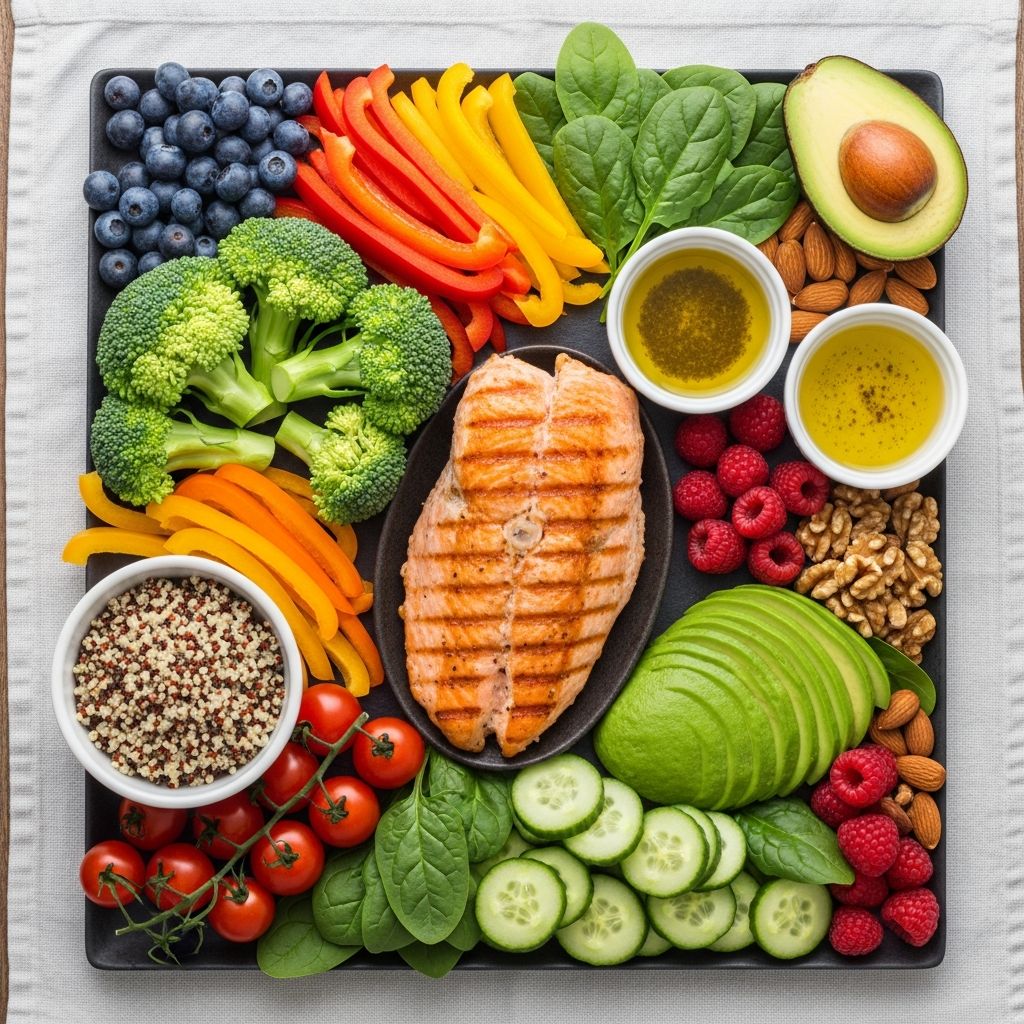
This comprehensive 30-day meal plan is expertly designed to help you eliminate added sugars, prioritize high-quality protein sources, and incorporate powerful anti-inflammatory foods into every meal. Created with input from registered dietitians and based on the latest nutritional science, this plan delivers at least 100 grams of protein per day while keeping carbohydrates moderate and sugars completely absent.
Chronic inflammation is linked to numerous health conditions including heart disease, diabetes, arthritis, and cognitive decline. By following this plan, you’ll enjoy delicious, satisfying meals that naturally reduce inflammation markers while supporting muscle maintenance, stable blood sugar levels, and healthy weight loss.
What Is an Anti-Inflammatory Diet?
An anti-inflammatory diet emphasizes whole, nutrient-dense foods that combat chronic inflammation at the cellular level. Key principles include:
- Eliminate processed foods and added sugars: Sugar promotes inflammatory cytokines and advanced glycation end products (AGEs).
- Prioritize high-quality proteins: Protein supports muscle repair and provides essential amino acids that regulate inflammation.
- Include colorful vegetables: Rich in antioxidants, polyphenols, and fiber that neutralize free radicals.
- Choose healthy fats: Omega-3 fatty acids from fish, nuts, and olive oil actively reduce inflammatory markers.
- Incorporate anti-inflammatory spices: Turmeric, ginger, garlic, and black pepper contain potent bioactive compounds.
Research from the NIH confirms that dietary patterns rich in these foods significantly lower C-reactive protein (CRP) and other inflammation biomarkers.
Why Go No-Sugar for 30 Days?
Added sugars contribute to 17% of average American calorie intake and drive metabolic dysfunction. This 30-day challenge helps:
- Reset taste buds to appreciate natural sweetness from berries and vegetables
- Stabilize blood sugar and reduce insulin resistance
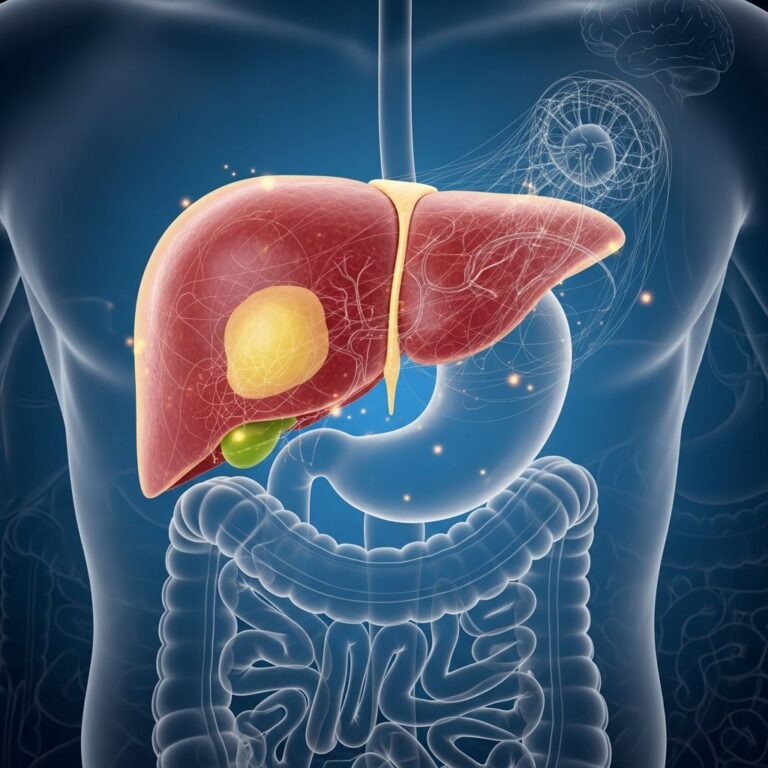
- Decrease liver fat accumulation
- Improve gut microbiome diversity
- Reduce cravings for processed carbohydrates
High-Protein Benefits Backed by Science
Each day provides 100-130g protein from lean sources including wild fish, pasture-raised poultry, eggs, Greek yogurt, and plant proteins like lentils and tofu. Benefits include:
| Benefit | Scientific Evidence |
|---|---|
| Increased satiety | Protein reduces hunger hormones by 25% vs. carbs (PubMed study) |
| Muscle preservation | 1.2-1.6g/kg body weight optimal for adults 65+ (NIH) |
| Improved body composition | High-protein diets preserve lean mass during weight loss |
Meal Plan Guidelines & Rules
Daily Structure (1,800-2,000 calories):
- Breakfast: 25-35g protein
- Morning snack: 15-20g protein
- Lunch: 30-40g protein
- Afternoon snack: 15-20g protein
- Dinner: 30-40g protein
- Total carbs: 100-150g from vegetables/berries
- Zero added sugars or artificial sweeteners
Foods to Include Daily:
- Fatty fish (salmon, sardines, mackerel) 2-3x/week
- Cruciferous vegetables (broccoli, Brussels sprouts, kale)
- Berries (blueberries, raspberries, blackberries)
- Olive oil, avocados, nuts
- Turmeric, ginger, garlic liberally
Foods to Avoid:
- All added sugars (including honey, maple syrup, agave)
- Artificial sweeteners (even ‘natural’ ones like stevia)
- Processed grains (bread, pasta, rice cakes)
- Seed oils (canola, soybean, corn oil)
- Alcohol during the 30 days
Week 1 Meal Plan
Related Stories



Day 1
- Breakfast (350 cal, 32g protein): Greek yogurt parfait with 1 cup plain 2% Greek yogurt, ½ cup blueberries, 2 Tbsp chia seeds, 1 Tbsp chopped walnuts
- A.M. Snack (180 cal, 18g protein): 1 hard-boiled egg + 1 oz turkey jerky (no sugar added)
- Lunch (420 cal, 38g protein): Grilled chicken salad (5 oz chicken breast, mixed greens, cucumber, cherry tomatoes, 1 Tbsp olive oil + lemon, ¼ avocado)
- P.M. Snack (200 cal, 20g protein): 1 cup cottage cheese (2% fat) with black pepper and cherry tomatoes
- Dinner (520 cal, 42g protein): Baked salmon (6 oz) with roasted broccoli, cauliflower rice, turmeric tahini sauce
Daily totals: 1,670 cal, 150g protein, 112g carbs, 92g fat
Day 2-7 Overview
Week 1 introduces flavor combinations while establishing routines. Highlights include shrimp stir-fry, turkey meatballs with zucchini noodles, and egg muffins with spinach. Each day maintains 100g+ protein with variety to prevent boredom.
Weeks 2-4 Highlights
Week 2: Introduces fermented foods (sauerkraut, kimchi) for gut health + sheet-pan dinners for convenience.Week 3: Focuses on plant-based protein days (tofu scramble, lentil curry) while maintaining high protein.Week 4: Advanced anti-inflammatory focus with sardines, bone broth, and medicinal mushroom recipes.
Complete Shopping List (Week 1)
Proteins (buy organic/grass-fed when possible)
- 2 lb boneless skinless chicken breast
- 12 oz wild salmon fillets
- 1 dozen pasture-raised eggs
- 32 oz plain 2% Greek yogurt
- 16 oz 2% cottage cheese
- 4 oz no-sugar turkey jerky
- 1 lb 93% lean ground turkey
Vegetables (10+ cups total)
- 2 heads broccoli (4 cups florets)
- 1 large head cauliflower
- 2 bunches kale
- 1 lb Brussels sprouts
- 2 English cucumbers
- 2 pints cherry tomatoes
- 1 lb mixed salad greens
Pantry Staples
- Extra-virgin olive oil (buy in dark glass)
- Avocados (4 medium)
- Chia seeds, walnuts, almonds
- Fresh turmeric/ginger/garlic
- Lemons (6)
- Apple cider vinegar
Batch Cooking & Meal Prep Tips
- Sunday Prep (90 minutes): Hard-boil 12 eggs, roast 2 trays vegetables, cook 1 lb chicken breast, portion Greek yogurt parfaits.
- Daily Chop: 10 minutes morning chopping – cucumber, tomatoes, greens stay fresh when prepped daily.
- Freezer Strategy: Double salmon/shrimp recipes, freeze half for week 3.
- Sauce Magic: Make 1x weekly – tahini-lemon, garlic-herb yogurt, turmeric vinaigrette.
Nutrition Breakdown by Meal Type
| Meal | Calories | Protein | Fiber | Key Anti-Inflammatory Compound |
|---|---|---|---|---|
| Greek Yogurt Parfait | 350 | 32g | 8g | Anthocyanins (berries) |
| Chicken Salad | 420 | 38g | 7g | Oleocanthal (olive oil) |
| Baked Salmon Dinner | 520 | 42g | 9g | Omega-3 EPA/DHA |
Frequently Asked Questions
Can I have fruit besides berries?
Stick to lower-sugar berries (blueberries, raspberries, blackberries). Avoid tropical fruits, bananas, grapes, and dried fruit during the 30 days.
What about artificial sweeteners?
None allowed, including stevia, monk fruit, erythritol. They disrupt gut bacteria and maintain sweet cravings.
Is this safe for diabetics?
Yes, this plan stabilizes blood sugar beautifully. Consult your doctor before starting any new eating plan.
Can vegetarians follow this plan?
Absolutely! Swap meat/fish for tofu, tempeh, edamame, lentils. Week 3 features excellent plant-based days.
What if I get hungry between meals?
Increase non-starchy vegetables unlimited. Add celery/cucumber sticks with 1 Tbsp nut butter (20g protein boost).
Do I need to count calories?
No, but they’re provided for reference. Focus on protein targets and filling half your plate with vegetables.
Expected Results After 30 Days
- Reset sweet tooth – fruit tastes incredibly sweet
- Stable energy without 3pm crashes
- Reduced joint stiffness and bloating
- 1-2 inches off waist (5-12 lbs loss typical)
- Improved sleep quality
- Cravings reduced by 70%+
Pro Tip: Measure waist circumference Day 1 and Day 30 – more accurate than scale for inflammation reduction.
Success Stories & Testimonials
“Lost 8 lbs, no longer crave sweets, my arthritis pain decreased noticeably after 2 weeks.” – Sarah K.
“Blood sugar stabilized completely. A1C dropped from 6.2 to 5.7 in 30 days.” – Dr. Mark T.
This plan transforms your relationship with food while delivering measurable health improvements. The recipes are simple enough for weeknights yet sophisticated enough to feel like restaurant meals. Your body will thank you.
References
- Dietary Guidelines for Americans, 2020-2025 — USDA/HHS. 2020-12-29. https://www.dietaryguidelines.gov
- Anti-inflammatory Diet: What to Eat and Avoid — Mayo Clinic. 2024-08-15. https://www.mayoclinic.org
- High-Protein Intake during Weight Loss Therapy — NIH/PMC. 2016-06-20. https://www.ncbi.nlm.nih.gov/pmc/articles/PMC4924200/
- Added Sugars and Cardiovascular Disease Risk — American Heart Association. 2023-11-01. https://www.ahajournals.org/doi/10.1161/CIR.0000000000001090
- Omega-3 Fatty Acids and Inflammatory Processes — NIH/NCCIH. 2024-03-12. https://www.nccih.nih.gov/health/omega3-supplements
Similar Articles








Read full bio of medha deb