30-Day No-Sugar Low-Cholesterol Meal Plan for Beginners
Transform your health with a science-backed 30-day meal plan designed to eliminate sugar and lower cholesterol naturally.
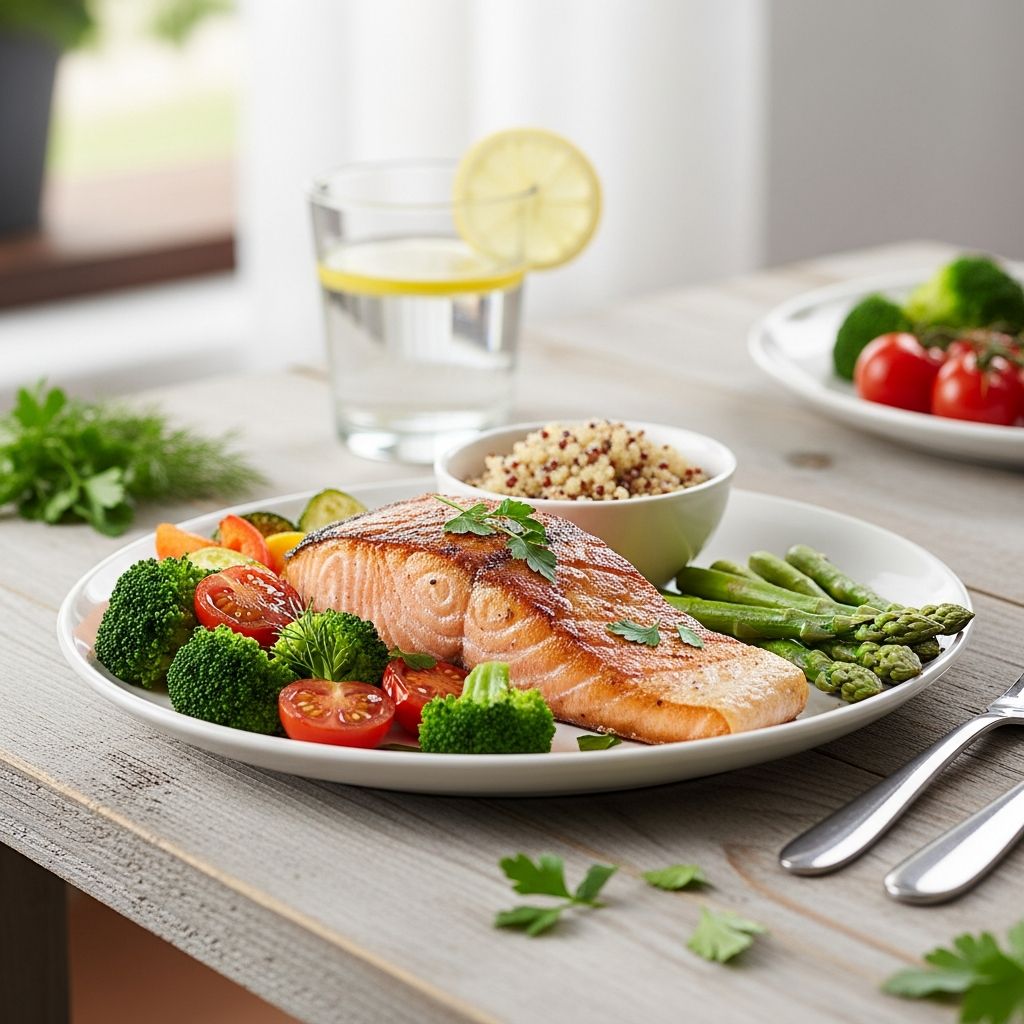
Making significant changes to your diet can feel overwhelming, especially when you’re trying to tackle two major health goals simultaneously—eliminating sugar and reducing cholesterol levels. However, with the right approach and a structured plan, you can transform your eating habits and see remarkable improvements in your overall health within just 30 days. This comprehensive meal plan is specifically designed for beginners who are ready to make meaningful dietary changes but need practical guidance and support along the way.
High cholesterol and excessive sugar consumption are two of the most significant contributors to heart disease, type 2 diabetes, and other chronic health conditions. By addressing both of these factors through diet, you’re taking a proactive step toward preventing serious health complications and improving your quality of life. This article provides you with everything you need to successfully navigate a month of healthier eating.
Understanding No-Sugar and Low-Cholesterol Eating
Before diving into your meal plan, it’s essential to understand what you’re actually eliminating and why. A no-sugar diet focuses on removing added sugars from your food and beverages, as well as minimizing naturally occurring sugars in processed foods. This isn’t about eliminating all carbohydrates—rather, it’s about making smarter choices regarding the types of carbohydrates you consume.
Low-cholesterol eating centers on reducing your intake of saturated fats and trans fats, which are the primary drivers of high LDL (bad) cholesterol. By choosing lean proteins, whole grains, and abundant vegetables and fruits, you can naturally lower your cholesterol levels while maintaining a satisfying and nutritious diet.
Key Principles of This Meal Plan
- Emphasize whole foods: Focus on foods in their natural state rather than processed alternatives
- Prioritize lean proteins: Choose skinless poultry, fish, legumes, and plant-based proteins
- Increase fiber intake: Whole grains, vegetables, and fruits help manage cholesterol and keep you satisfied
- Limit saturated fats: Choose low-fat dairy products and avoid fatty cuts of meat
- Eliminate added sugars: Remove sugary drinks, desserts, and processed snacks from your diet
- Choose healthy fats: Incorporate olive oil, avocados, and nuts in moderation
- Stay hydrated: Drink plenty of water throughout the day
What to Eat During Your 30-Day Journey
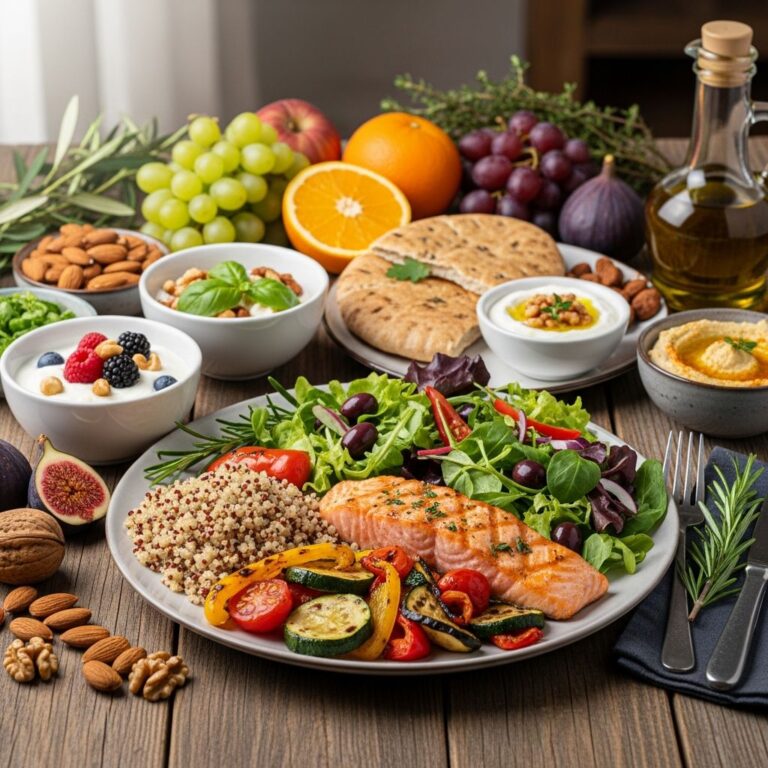
Success with this meal plan depends on understanding which foods to prioritize and which to avoid. The following categories highlight the best choices for your no-sugar, low-cholesterol diet:
Proteins
- Grilled or baked chicken breast
- Salmon, mackerel, and other fatty fish rich in omega-3 fatty acids
- Lean ground turkey
- Beans and legumes (black beans, chickpeas, lentils)
- Tofu and tempeh
- Egg whites or eggs in moderation
- Low-fat Greek yogurt
Vegetables and Fruits
- Leafy greens (spinach, kale, lettuce)
- Cruciferous vegetables (broccoli, cauliflower, Brussels sprouts)
- Bell peppers, zucchini, and asparagus
- Carrots, beets, and other root vegetables
- Berries (blueberries, strawberries, raspberries)
- Apples, oranges, and other whole fruits
- Tomatoes and cucumber
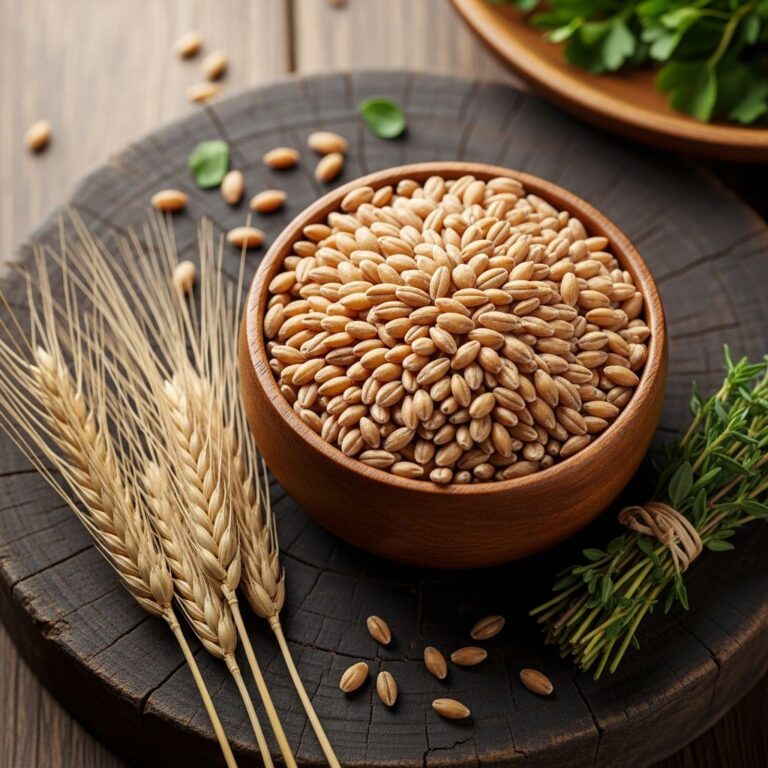
Whole Grains and Starches
- Brown rice and wild rice
- Whole wheat bread and pasta
- Oats and oatmeal
- Quinoa
- Sweet potatoes
- Barley
Healthy Fats and Oils
Related Stories



- Extra virgin olive oil
- Avocados
- Nuts and seeds (almonds, walnuts, flaxseeds)
- Natural nut butters
Foods to Avoid Completely
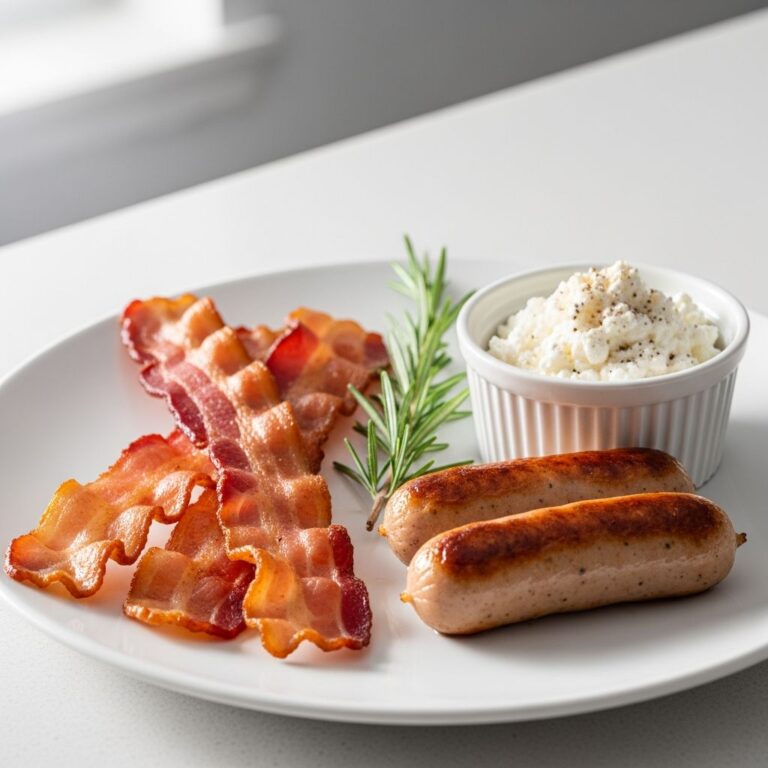
Eliminating certain foods is crucial for the success of this meal plan. These items either contain high levels of sugar, unhealthy fats, or both:
- Sugary beverages (soda, energy drinks, sweetened coffee drinks)
- Candy, chocolate, and sweets
- Desserts and baked goods with added sugar
- Processed snack foods and potato chips
- High-fat dairy products (whole milk, full-fat cheese, ice cream)
- Fatty cuts of meat and processed meats (bacon, sausage, deli meats)
- Fried foods
- Foods with trans fats and partially hydrogenated oils
- Sugary breakfast cereals and granola
- Flavored yogurts with added sugar
Sample 7-Day Meal Plan Breakdown
To give you a practical starting point, here’s an example of what a typical week of eating might look like. You can repeat this cycle for the entire 30 days or create variations using the approved food lists above.
Breakfast Ideas
- Vegetable omelet with whole wheat toast
- Oatmeal topped with berries and almonds
- Greek yogurt with ground flaxseed and fresh fruit
- Whole grain toast with avocado and egg whites
- Smoothie made with unsweetened almond milk, spinach, and berries
Lunch Ideas
- Grilled chicken salad with mixed vegetables and olive oil dressing
- Baked salmon with brown rice and steamed broccoli
- Lentil soup with whole wheat roll
- Turkey and vegetable wrap in whole wheat tortilla
- Quinoa bowl with roasted vegetables and chickpeas
Dinner Ideas
- Lean ground turkey tacos on lettuce wraps
- Baked white fish with sweet potato and asparagus
- Chicken stir-fry with mixed vegetables over brown rice
- Bean chili with lean ground beef
- Grilled tofu with roasted vegetable medley
Snack Ideas
- Raw vegetables with hummus
- Handful of almonds or walnuts
- Apple with natural almond butter
- String cheese (low-fat)
- Hard-boiled eggs
Shopping List Essentials
Before you start your 30-day journey, it’s helpful to stock your kitchen with essential items. A well-planned shopping trip ensures you have everything you need to stay on track and avoid the temptation of unhealthy convenience foods.
Start with proteins: chicken breasts, ground turkey, salmon fillets, canned beans, and eggs. For produce, fill your cart with an assortment of vegetables like broccoli, spinach, bell peppers, carrots, and sweet potatoes. Don’t forget fresh fruits, particularly berries, apples, and oranges. In the pantry section, grab brown rice, whole wheat bread, oats, and whole grain pasta. For fats and seasonings, choose extra virgin olive oil, low-sodium spices, and herbs to enhance flavor without adding salt or sugar.
Tips for Success During Your 30 Days
Meal Preparation
One of the most effective strategies for staying on your meal plan is preparing meals in advance. Dedicate a few hours each week to washing and chopping vegetables, cooking proteins, and preparing grains. Store these components in containers so you can quickly assemble meals throughout the week.
Read Food Labels Carefully
Even seemingly healthy foods can contain hidden sugars and unhealthy fats. Always check nutrition labels for added sugars, saturated fat content, and trans fat. Aim for products with minimal added sugars and less than 10 grams of saturated fat per serving.
Stay Hydrated
Drinking adequate water helps control hunger, supports metabolic function, and aids in cholesterol management. Aim for at least 8-10 glasses of water daily. Herbal tea and black coffee (without added sugar) are also excellent choices.
Plan Your Meals
Writing out your meals for the week ahead helps you stay organized and prevents impulsive food choices. Use your approved foods list to create varied, interesting meals that keep you satisfied and prevent boredom.
Manage Cravings
Sugar cravings are common during the first week as your body adjusts. Combat this by eating balanced meals with protein and fiber, which help maintain stable blood sugar levels and keep you fuller longer. If cravings strike, reach for naturally sweet foods like berries or a small piece of fruit.
Find Healthy Alternatives
Replace your favorite unhealthy foods with healthier versions. Crave dessert? Try frozen berries or a small serving of dark chocolate (70% cacao or higher) in moderation. Miss sugary drinks? Infuse water with lemon or cucumber for flavor without added sugars.
Expected Health Benefits
By following this meal plan for 30 days, you may experience several positive changes. Many people report increased energy levels as their bodies adjust to stable blood sugar. Weight loss is also common, particularly in the first two weeks as you eliminate water weight associated with sugar consumption. More significantly, cholesterol levels often improve within this timeframe, setting the foundation for long-term heart health.
Beyond the physical benefits, you may notice improved mental clarity, better sleep quality, and enhanced overall mood. These improvements occur as your body stabilizes and begins healing from the effects of excessive sugar consumption and unhealthy fats.
Dining Out While On Your Plan
Social situations and eating out shouldn’t derail your progress. When dining at restaurants, look for grilled or baked proteins, request vegetables instead of fries, and ask for dressings and sauces on the side. Many restaurants are happy to accommodate dietary preferences. Choose water or unsweetened beverages, and don’t hesitate to ask questions about ingredients and preparation methods.
Transition Beyond 30 Days
Your 30-day commitment is a foundation for lasting change. As you complete this initial period, consider making these dietary modifications permanent. You don’t need to be perfect—occasional treats are fine, but they should be exceptions rather than the rule. The habits you develop over these 30 days will serve you well for years to come.
Frequently Asked Questions
Q: Will I feel deprived on a no-sugar, low-cholesterol diet?
A: Not at all. This meal plan includes plenty of delicious, satisfying foods. You’ll enjoy flavorful meals that support your health goals. The key is finding healthy alternatives to your favorite foods and discovering new recipes that excite you.
Q: How quickly will I see cholesterol improvements?
A: Many people see improvements in cholesterol levels within 2-4 weeks of dietary changes. However, results vary based on starting levels and individual metabolism. Consult your doctor for regular cholesterol checks to monitor your progress.
Q: Can I exercise while following this meal plan?
A: Yes, regular exercise complements this meal plan beautifully. Aim for at least 150 minutes of moderate aerobic activity weekly, combined with strength training. Ensure you’re eating enough to fuel your workouts and support recovery.
Q: What if I have food allergies or dietary restrictions?
A: This meal plan is flexible and can accommodate various dietary needs. If you’re vegan, replace animal proteins with plant-based options like beans and tofu. Those with gluten sensitivity can substitute whole wheat grains with gluten-free alternatives.
Q: How can I prevent the weight from returning after 30 days?
A: Continue following the principles outlined in this plan, maintain regular physical activity, and focus on building sustainable habits rather than viewing this as temporary. Most weight regain occurs when people revert to old eating patterns, so consistency is key.
Q: Are artificial sweeteners allowed on this plan?
A: While some artificial sweeteners are calorie-free, they may perpetuate sugar cravings and aren’t ideal for the full 30 days. If you need sweetness, opt for small amounts of natural sweeteners like stevia or monk fruit, but primarily focus on adjusting your palate to less sweet foods.
References
- Dietary Guidelines for Americans 2020-2025 — U.S. Department of Agriculture and U.S. Department of Health and Human Services. 2020. https://www.dietaryguidelines.gov
- Effects of Dietary Components on Blood Lipids and Lipoproteins — American Heart Association. 2023. https://www.heart.org/en/healthy-living/healthy-eating
- Added Sugars and Public Health: A Review of Clinical and Epidemiological Evidence — PubMed Central. 2022. https://www.ncbi.nlm.nih.gov/pmc/articles/PMC9409497/
- The Effects of Low-Carbohydrate Diets on Lipid and Carbohydrate Metabolism — Journal of the American College of Nutrition. 2021. https://pubmed.ncbi.nlm.nih.gov/
- Cardiovascular Disease and Diet: A Review — WHO Global Health Observatory. 2023. https://www.who.int/teams/noncommunicable-diseases/nutrition-physical-activity
Similar Articles








Read full bio of Sneha Tete