30-Day Smoothie Plan to Help Fight Inflammation
Transform your health with anti-inflammatory smoothies designed to reduce inflammation and boost wellness.
Understanding Inflammation and Its Impact on Health
Chronic inflammation has become a significant health concern affecting millions of people worldwide. Unlike acute inflammation, which is a natural response to injury or infection, chronic inflammation persists over time and can contribute to serious health conditions including heart disease, diabetes, arthritis, and autoimmune disorders. The foods we consume play a crucial role in either promoting or reducing inflammatory responses in our bodies. By incorporating anti-inflammatory ingredients into our daily diet, particularly through smoothies, we can take meaningful steps toward better health.
Smoothies offer an excellent vehicle for delivering concentrated amounts of anti-inflammatory compounds. They allow us to combine multiple nutrient-dense ingredients into a single, delicious beverage that is easy to digest and quickly absorbed by the body. This 30-day smoothie plan is designed to provide you with a structured approach to reducing inflammation while improving your overall nutritional intake.
The Power of Anti-Inflammatory Ingredients
Creating effective anti-inflammatory smoothies begins with understanding which ingredients offer the most therapeutic benefits. The following components form the foundation of any successful inflammation-fighting smoothie plan:
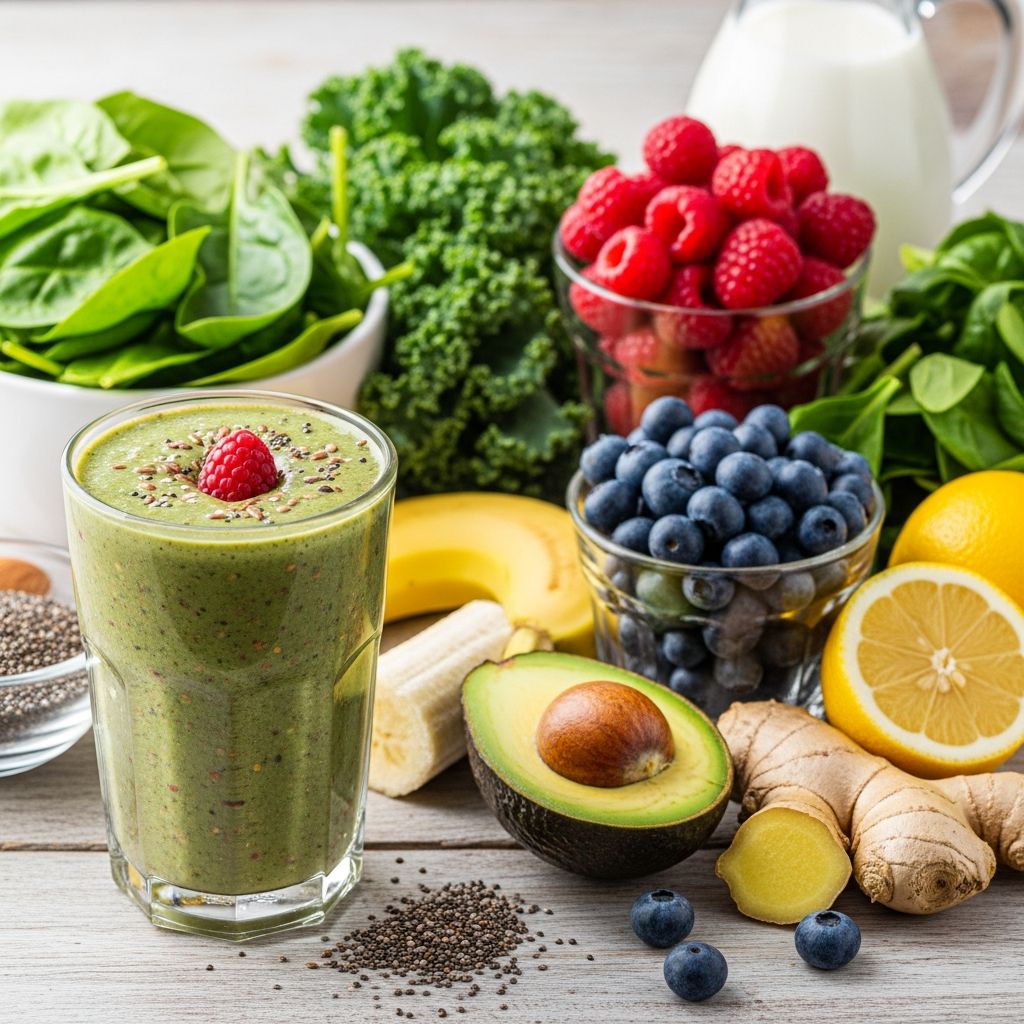
- Leafy Greens: Spinach, kale, and other dark leafy greens are packed with vitamins K, A, and C, along with powerful antioxidants that combat inflammation at the cellular level.
- Berries: Blueberries, strawberries, and raspberries contain anthocyanins, compounds known for their potent anti-inflammatory and antioxidant properties.
- Fatty Fish: Salmon, mackerel, and sardines provide omega-3 fatty acids, which have been extensively studied for their ability to reduce inflammatory markers in the body.
- Ginger and Turmeric: These spices contain gingerol and curcumin respectively, compounds that have demonstrated significant anti-inflammatory effects in scientific research.
- Healthy Fats: Avocados, nuts, seeds, and coconut oil provide essential fatty acids and fat-soluble vitamins that support cellular health and reduce inflammation.
- Colorful Vegetables: Sweet potatoes, carrots, and bell peppers offer beta-carotene and other phytonutrients that support immune function and reduce inflammatory responses.
Key Nutritional Principles for Inflammation Management
A successful 30-day smoothie plan relies on several foundational nutritional principles. First, prioritize whole foods over processed ingredients, as refined sugars and artificial additives can actually promote inflammation. Second, ensure adequate protein intake in each smoothie to stabilize blood sugar levels and support muscle maintenance. Third, incorporate healthy fats to increase nutrient absorption and promote satiety. Finally, vary your ingredients throughout the month to ensure a broad spectrum of nutrients and to prevent palate fatigue.
The timing of smoothie consumption also matters. Consuming your anti-inflammatory smoothie in the morning jumpstarts your metabolism and sets a healthy tone for the day. However, smoothies can also serve as excellent post-workout recovery beverages or afternoon snacks when energy levels dip. The flexibility of smoothies makes them adaptable to various dietary schedules and lifestyle patterns.
Week One: Foundation and Detoxification
The first week of your smoothie plan focuses on establishing healthy habits and gently introducing your body to anti-inflammatory ingredients. During this initial phase, you’ll be consuming smoothies that emphasize leafy greens, mild fruits, and soothing herbs.
Key Ingredients for Week One:
- Spinach and kale as primary green bases
- Banana and mango for natural sweetness and creaminess
- Almond milk as a dairy-free base
- Ginger root for its warming, anti-inflammatory properties
- Lemon juice to aid digestion and boost vitamin C intake
- Ground flaxseed for omega-3 fatty acids and fiber
Sample recipes for Week One include a Green Detox Smoothie combining spinach, banana, ginger, lemon, and almond milk; a Tropical Green Smoothie blending kale, mango, coconut milk, and turmeric; and a Berry Green Smoothie mixing spinach, blueberries, Greek yogurt, and ground flaxseed. These foundational recipes help your digestive system adjust to increased nutrient intake while beginning the anti-inflammatory process.
Related Stories



Week Two: Antioxidant Boost and Immune Support
As your body adapts to the smoothie routine, Week Two introduces more concentrated antioxidant sources and immune-supporting ingredients. This week emphasizes berries, citrus fruits, and additional spices that work synergistically to reduce inflammation and enhance immunity.
Featured Ingredients for Week Two:
- Blueberries and strawberries rich in anthocyanins
- Citrus fruits including oranges and lemons for vitamin C
- Greek yogurt for probiotics and protein
- Raw cacao for polyphenols and mood-enhancing compounds
- Cinnamon for blood sugar regulation
- Chia seeds for complete protein and omega-3s
Week Two smoothie recipes intensify the anti-inflammatory action by combining berry blends with warming spices. A Berry Antioxidant Smoothie might combine mixed berries, spinach, Greek yogurt, cinnamon, and almond milk. The Chocolate Immune Smoothie blends cacao powder, banana, spinach, almond butter, and oat milk. These recipes deliver enhanced nutritional density while maintaining appealing flavors that encourage consistent consumption.
Week Three: Protein and Healthy Fat Integration
Week Three builds upon the foundation established in previous weeks by increasing protein and healthy fat content. This shift supports muscle recovery, enhances satiety, and provides more stable energy throughout the day. Incorporating these macronutrients also optimizes the absorption of fat-soluble anti-inflammatory compounds like vitamins A, D, E, and K.
Core Components for Week Three:
- Nut butters including almond and walnut butter
- Avocado for creamy texture and healthy monounsaturated fats
- Protein powder derived from plant or whey sources
- Seeds including pumpkin, sunflower, and hemp
- Coconut oil for medium-chain triglycerides
- Herbal tea bases like green tea for additional antioxidants
Example recipes include the Creamy Avocado-Almond Smoothie blending avocado, almond butter, spinach, banana, and almond milk; the Protein Green Smoothie combining protein powder, spinach, mango, coconut milk, and pumpkin seeds; and the Golden Turmeric-Hemp Smoothie mixing turmeric, ginger, hemp seeds, coconut oil, and vanilla almond milk. These recipes provide sustained energy and nutritional support for active lifestyles.
Week Four: Advanced Anti-Inflammatory Optimization
The final week of your 30-day plan represents the culmination of nutritional knowledge and anti-inflammatory strategy. Week Four incorporates the most potent anti-inflammatory compounds, advanced ingredient combinations, and flavor profiles that have become increasingly appealing throughout your smoothie journey.
Powerful Ingredients for Week Four:
- Fresh turmeric root for maximum curcumin content
- Black pepper to enhance curcumin absorption through piperine
- Fermented ingredients like miso for enhanced probiotics
- Collagen peptides for joint and gut health
- Bone broth as a protein and mineral-rich base
- Medicinal mushrooms such as reishi or lion’s mane
- Raw honey for antimicrobial and anti-inflammatory properties
Advanced recipes for Week Four include the Ultimate Anti-Inflammatory Smoothie combining turmeric, ginger, black pepper, coconut milk, bone broth, collagen peptides, and raw honey; the Immune-Boosting Mushroom Smoothie blending medicinal mushroom powder, spinach, blueberries, almond milk, and dates; and the Golden Milk Smoothie featuring turmeric, cinnamon, ginger, black pepper, coconut milk, and vanilla protein powder. These sophisticated recipes demonstrate how comprehensive understanding of anti-inflammatory nutrition creates maximum therapeutic benefit.
Practical Implementation Strategies
Successfully completing your 30-day smoothie plan requires more than just recipes. Strategic planning and preparation significantly increase adherence and results. Consider dedicating one day weekly to prepare and portion smoothie ingredients in freezer bags. This approach saves time during busy mornings and ensures ingredients remain fresh throughout the week. Pre-portioning also prevents overbuying perishable items and reduces food waste.
Investing in a high-quality blender transforms your smoothie experience, allowing for smooth integration of harder ingredients like frozen fruits, nuts, and seeds. A powerful blender also generates heat through friction, which can enhance nutrient bioavailability. Additionally, establishing a consistent smoothie schedule—whether morning, afternoon, or post-workout—creates habit formation that supports long-term compliance.
Don’t overlook the importance of proper hydration beyond your smoothies. Drinking adequate water throughout the day supports the anti-inflammatory process and helps eliminate toxins being released during the body’s healing phase. Aim for at least eight glasses of water daily, adjusting for your individual activity level and climate.
Expected Benefits and Timeline
While individual results vary based on overall lifestyle, activity level, and baseline health status, most people experience noticeable improvements within the 30-day period. Many participants report increased energy levels, improved digestion, clearer skin, better sleep quality, and reduced joint pain or stiffness. These benefits reflect the cumulative effects of consistent nutrient intake and reduced inflammatory load on the body.
Some benefits may appear immediately, while others develop gradually. Initial improvements in digestive regularity and energy typically manifest within the first week or two. More substantial changes in inflammatory markers, weight management, and chronic pain reduction usually require the full 30 days or longer. The key to experiencing maximum benefits is consistent adherence to the smoothie plan while maintaining other healthy lifestyle practices.
Customization and Dietary Considerations
The 30-day smoothie plan provides flexibility for various dietary preferences and restrictions. Vegetarians and vegans can substitute protein powder and plant-based milk alternatives while maintaining anti-inflammatory benefits. Those with nut allergies can replace nut butters and almond milk with seed butters and oat milk. Individuals avoiding dairy can use coconut milk, oat milk, or cashew cream instead of Greek yogurt or regular milk.
People with specific health conditions should consider consulting healthcare providers before beginning the plan. Those taking blood-thinning medications should moderate ginger and turmeric consumption. Individuals with thyroid conditions should avoid consuming large quantities of raw cruciferous vegetables and should cook them lightly instead. Customizing the plan to suit individual needs ensures safety and maximizes results.
Maintaining Results Beyond 30 Days
Completing the 30-day smoothie plan represents a significant achievement, but the journey toward sustained health continues. Integrate anti-inflammatory smoothies into your permanent dietary repertoire by rotating recipes based on seasonal ingredient availability. This approach maintains nutritional variety while supporting local agriculture and adjusting nutrient content to seasonal needs.
Consider adopting a maintenance schedule of consuming anti-inflammatory smoothies three to five times weekly rather than daily. This frequency provides continued benefits while allowing flexibility for other healthy meals and beverages. Continue monitoring how different ingredients and combinations affect your individual health markers, energy levels, and inflammatory symptoms.
Frequently Asked Questions (FAQs)
Q: Can I use frozen fruits instead of fresh ones?
A: Absolutely. Frozen fruits are often frozen at peak ripeness and retain their nutritional value. They also create a naturally creamy texture without requiring ice, which dilutes smoothies. Frozen berries, mango, and banana work exceptionally well in anti-inflammatory smoothies.
Q: How long can I store prepared smoothies?
A: Prepared smoothies are best consumed immediately to maximize nutrient content. However, you can store them in airtight containers for up to 24 hours in the refrigerator. For longer storage, freeze smoothies in mason jars or containers, thawing them before consumption.
Q: Are smoothies suitable as meal replacements?
A: While nutrient-dense smoothies provide substantial nutrition, they work best as supplements to balanced meals rather than complete meal replacements. Ensure smoothies contain adequate protein, healthy fats, and complex carbohydrates for sustained satiety.
Q: Can I use smoothie powder supplements instead of whole ingredients?
A: While supplements offer convenience, whole ingredients provide superior nutritional profiles, fiber content, and bioavailability. Use supplements strategically to complement rather than replace whole foods.
Q: Will the smoothie plan help with weight management?
A: Anti-inflammatory smoothies support healthy weight management by reducing inflammation-driven cravings, improving digestion, and providing sustained energy. Combined with regular exercise and balanced nutrition, smoothies contribute to meaningful weight loss and maintenance.
Q: Are there any side effects from consuming anti-inflammatory smoothies daily?
A: Most people tolerate daily smoothie consumption well. Some may experience temporary digestive adjustments as increased fiber intake improves gut health. Start with moderate portions and gradually increase consumption if sensitivity occurs.
References
- Dietary Inflammatory Index and Cardiometabolic Outcomes: A Systematic Review and Meta-Analysis — National Center for Biotechnology Information (NCBI). 2021. https://pubmed.ncbi.nlm.nih.gov/34185032/
- Curcumin and Its Role in Chronic Diseases: Inflammation, Amyloidosis, Neurodegeneration, and Carcinogenesis — National Institutes of Health. 2023. https://pubmed.ncbi.nlm.nih.gov/34564596/
- Omega-3 Fatty Acids and Inflammation — American Journal of Clinical Nutrition. 2022. https://pubmed.ncbi.nlm.nih.gov/33558388/
- Polyphenols, Inflammation, and Human Health — Journal of the Science of Food and Agriculture. 2024. https://pubmed.ncbi.nlm.nih.gov/37159287/
- The Role of Antioxidants in Disease Prevention — Harvard School of Public Health. 2024. https://www.hsph.harvard.edu/nutritionsource/antioxidants/
Similar Articles








Read full bio of medha deb