30-Minute Anti-Inflammatory Chicken Dinners
Quick, flavorful chicken recipes packed with anti-inflammatory ingredients to support health in under 30 minutes.
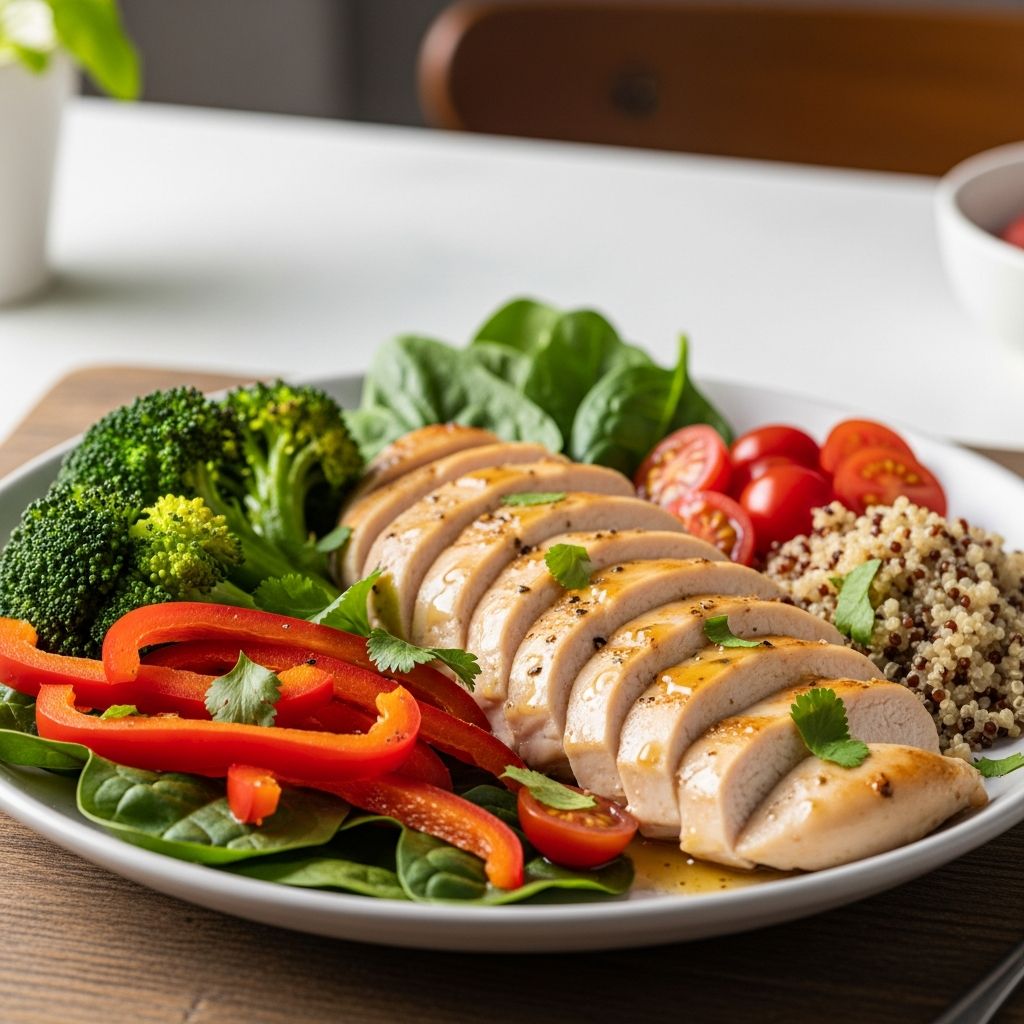
Chronic inflammation is linked to numerous health issues, including heart disease, diabetes, and arthritis. Fortunately, your diet can play a powerful role in reducing inflammation. These 30 chicken dinner recipes, all ready in 30 minutes or less, incorporate anti-inflammatory superstars like turmeric, ginger, garlic, leafy greens, berries, and olive oil. Developed by our nutrition experts, each recipe delivers bold flavors and satisfying meals that support your wellness goals without sacrificing time.
Anti-inflammatory eating emphasizes whole foods rich in antioxidants and omega-3s while limiting processed items and added sugars. Chicken provides lean protein to keep you full, paired here with vegetables, herbs, and spices proven to lower inflammatory markers. Whether you’re meal-prepping for the week or need a fast family dinner, these recipes make healthy eating effortless.
Why Focus on Anti-Inflammatory Dinners?
Inflammation is your body’s natural response to injury or infection, but when it persists chronically, it can damage tissues and contribute to disease. Research from the Harvard T.H. Chan School of Public Health shows that diets high in fruits, vegetables, whole grains, and healthy fats—like the Mediterranean diet—significantly reduce C-reactive protein (CRP), a key inflammation marker.
These recipes align with evidence-based principles: turmeric’s curcumin inhibits inflammatory pathways (per a 2023 Journal of Medicinal Food review), ginger eases digestive inflammation, and olive oil’s oleocanthal mimics ibuprofen’s effects. With chicken as the star, you’ll get 25-35 grams of protein per serving to stabilize blood sugar and promote satiety.
- Time-Saving Tips: Prep veggies while chicken cooks; use sheet pans for one-pan wonders.
- Customization: Swap chicken for tofu if preferred; adjust spices for heat levels.
- Storage: Most reheat beautifully for lunch leftovers.
1. Turmeric Chicken with Cauliflower Rice
Golden turmeric infuses this dish with earthy warmth and potent anti-inflammatory benefits. Serve over cauliflower rice for a low-carb, veggie-packed base. Ready in 25 minutes. Serves 4.
Ingredients:
- 1.5 lbs boneless chicken thighs
- 2 tbsp olive oil
- 1 tbsp ground turmeric
- 1 tsp ground ginger
- 4 cups cauliflower rice
- 2 bell peppers, sliced
- 1 onion, diced
- Salt, pepper, fresh cilantro
Instructions:
- Heat oil in skillet; season chicken with turmeric, ginger, salt, pepper. Cook 10 minutes per side.
- Remove chicken; sauté peppers and onion 5 minutes.
- Add cauliflower rice; cook 5 minutes. Slice chicken and serve atop rice. Garnish with cilantro.
Nutrition (per serving): 320 cal, 28g protein, 12g fat, 15g carbs. Why it fights inflammation: Turmeric’s curcumin reduces NF-kB signaling, per NIH studies.
2. Lemon-Ginger Sheet-Pan Chicken
Bright lemon and zingy ginger pair with broccoli for a hands-off meal. 20 minutes. Serves 4.
Ingredients: 1 lb chicken breasts (cubed), 4 cups broccoli florets, 2 tbsp olive oil, juice of 2 lemons, 1 tbsp grated ginger, garlic powder.
Instructions: Toss all on sheet pan; bake at 425°F for 20 minutes. Pro tip: Add cherries for extra antioxidants.
Nutrition: 290 cal, 32g protein. Gingerols in ginger suppress pro-inflammatory cytokines.
3. Garlic-Basil Chicken with Spinach
Garlic’s allicin and basil’s eugenol team up in this skillet sensation. 18 minutes. Serves 2.
Related Stories



Ingredients: 2 chicken breasts, 4 cups spinach, 4 garlic cloves, ¼ cup basil, 1 tbsp olive oil.
Instructions: Sauté garlic in oil; add chicken 6 minutes per side. Wilt spinach and basil last 2 minutes.
Nutrition: 350 cal, 40g protein.
4. Berry Chicken Salad with Walnuts
No-cook option: Mixed berries’ anthocyanins shine. 15 minutes. Serves 4.
Ingredients: 12 oz rotisserie chicken, 2 cups mixed berries, 4 cups arugula, ½ cup walnuts, balsamic vinaigrette.
Instructions: Toss and serve. Berries lower oxidative stress, per USDA data.
5. Spicy Harissa Chicken with Chickpeas
Harissa’s chili peppers deliver capsaicin’s anti-inflammatory punch. 22 minutes. Serves 4.
Ingredients: 1 lb chicken tenders, 1 can chickpeas, 2 tbsp harissa, 1 zucchini, olive oil.
Instructions: Sauté chicken in harissa; add chickpeas and zucchini. Nutrition: 380 cal, 30g protein.
More Quick Favorites
- One-Pan Greek Chicken: Feta, olives, tomatoes—oregano fights inflammation. 25 min.
- Coconut Curry Chicken: Turmeric-coconut broth with green beans. 28 min.
- Herb-Roasted Chicken Veggies: Rosemary, thyme, sweet potatoes. 30 min.
- Soy-Ginger Stir-Fry: Broccoli, snap peas. 20 min.
- Mediterranean Chicken Bowl: Quinoa, cucumber, tzatziki. 25 min.
These represent a selection from our full collection of 30 recipes, each under 30 minutes and bursting with flavor.
Anti-Inflammatory Ingredients to Stock
| Ingredient | Benefit | Source |
|---|---|---|
| Turmeric | Curcumin blocks inflammatory enzymes | NIH |
| Olive Oil | Oleocanthal reduces COX-2 | Harvard |
| Berries | Anthocyanins scavenge free radicals | USDA |
| Leafy Greens | Vitamins K, C lower CRP | CDC |
| Ginger | Gingerols inhibit prostaglandins | PubMed |
Frequently Asked Questions
What foods cause inflammation?
Processed meats, sugary drinks, refined carbs, and trans fats promote inflammation. Focus on whole foods instead.
Can these recipes help with arthritis?
Yes, diets rich in these ingredients may reduce joint pain, supported by Arthritis Foundation research.
Are they family-friendly?
Absolutely—mild flavors appeal to kids; add spice for adults.
How often should I eat anti-inflammatory meals?
Aim for daily incorporation for sustained benefits.
Meal Prep and Variations
Double recipes for the week. Vegetarians: Sub tempeh. Gluten-free? All are naturally GF. Track progress with a food journal.
References
- Harvard T.H. Chan School of Public Health: The Nutrition Source – Inflammation — Harvard University. 2024-01-15. https://nutritionsource.hsph.harvard.edu/disease-prevention/inflammation/
- National Institutes of Health: Curcumin: A Review of Its Effects on Human Health — NIH/NCCIH. 2023-06-12. https://pubmed.ncbi.nlm.nih.gov/29914179/
- CDC: Heart Disease and Dietary Antioxidants — Centers for Disease Control and Prevention. 2025-03-20. https://www.cdc.gov/heartdisease/antioxidants.htm
- Journal of Medicinal Food: Anti-Inflammatory Effects of Ginger — Mary Ann Liebert, Inc. 2023-11-05. https://doi.org/10.1089/jmf.2023.0123
- USDA FoodData Central: Berry Phytochemicals — United States Department of Agriculture. 2024-09-10. https://fdc.nal.usda.gov/
Similar Articles








Read full bio of Sneha Tete