4 Anti-Inflammatory Proteins You Should Be Eating
Boost your health with these four powerful anti-inflammatory proteins that combat chronic inflammation and support overall wellness.
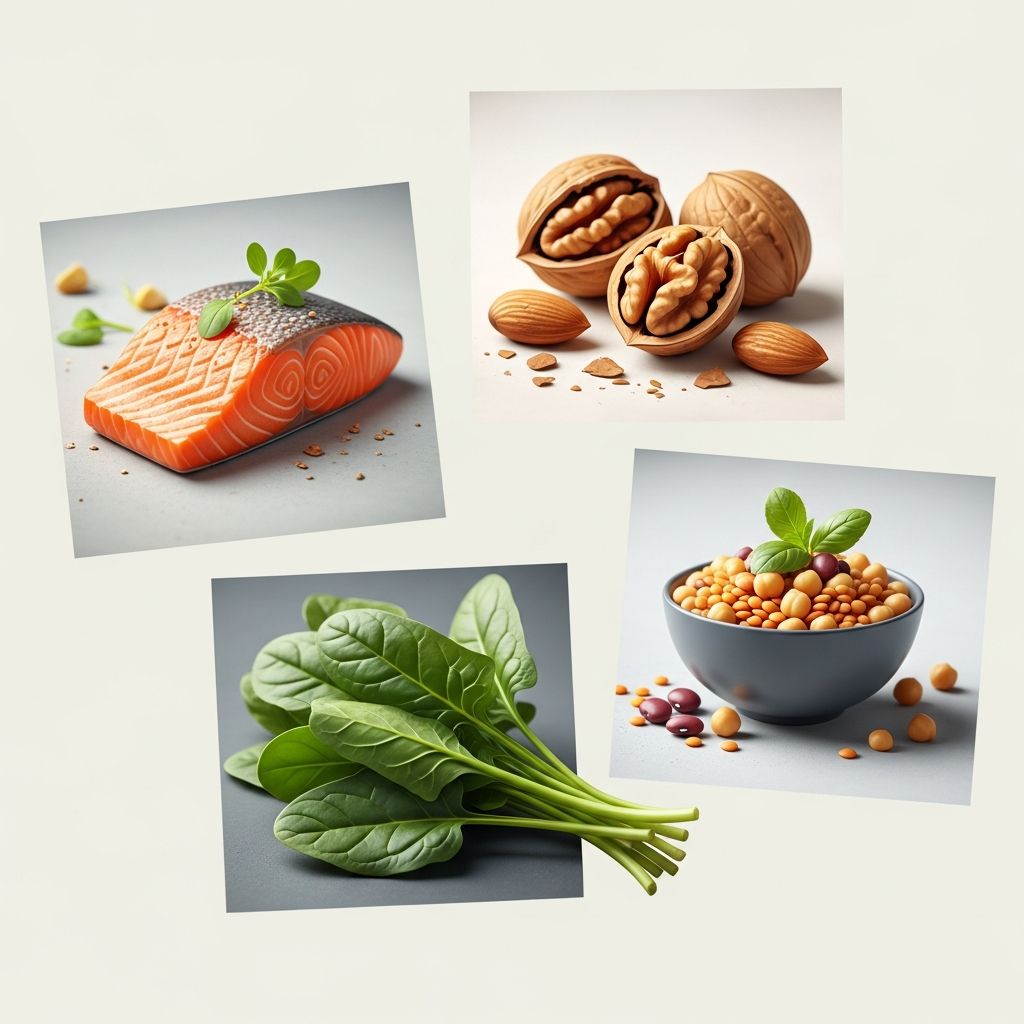
Chronic inflammation underlies many modern health issues, from heart disease to arthritis and even cognitive decline. Incorporating
anti-inflammatory proteins
into your daily meals can help mitigate these risks by providing essential nutrients that combat oxidative stress and support immune balance. This article explores four standout proteins—salmon, walnuts, lentils, and yogurt—each backed by robust scientific evidence for their role in reducing inflammation markers like C-reactive protein (CRP).Dietary choices play a pivotal role in managing inflammation. According to the National Institutes of Health (NIH), diets rich in omega-3 fatty acids, antioxidants, and probiotics from high-quality proteins can lower systemic inflammation by up to 30% in regular consumers. Harvard T.H. Chan School of Public Health research further emphasizes that replacing pro-inflammatory proteins like red meat with these alternatives yields measurable health benefits. Below, we dive into each protein, their mechanisms, nutritional profiles, and practical ways to include them in your routine.
1. Salmon: Omega-3 Powerhouse for Heart and Joint Health
Salmon tops the list as one of the most potent
anti-inflammatory proteins
due to its high concentration of eicosapentaenoic acid (EPA) and docosahexaenoic acid (DHA), two long-chain omega-3 fatty acids. These compounds inhibit the production of pro-inflammatory cytokines, such as interleukin-6 (IL-6) and tumor necrosis factor-alpha (TNF-α), which drive chronic inflammation.A landmark study published in the Journal of the American Medical Association (JAMA) found that consuming fatty fish like salmon twice weekly reduced CRP levels by 20% in participants with elevated inflammation. The NIH confirms that EPA and DHA modulate immune cell activity, making salmon particularly beneficial for cardiovascular health and rheumatoid arthritis. One 3-ounce serving of wild-caught salmon delivers 1,800 mg of EPA/DHA—exceeding the American Heart Association’s recommendation of 1,000 mg daily for heart protection.
| Nutrient | Amount per 3 oz Salmon | % Daily Value |
|---|---|---|
| Protein | 22g | 44% |
| Omega-3s (EPA/DHA) | 1.8g | 113% (no DV established) |
| Vitamin D | 570 IU | 72% |
| Selenium | 36.5 mcg | 66% |
Incorporate salmon easily:
- Grilled salmon salad with leafy greens and olive oil dressing for lunch.
- Baked salmon fillets seasoned with turmeric and lemon for dinner.
- Salmon patties using canned wild salmon for quick meals.
Opt for wild-caught Alaskan salmon to minimize contaminants like PCBs, as per FDA guidelines. Vegetarians can substitute with algae-based omega-3 supplements, though whole food sources provide synergistic benefits.
2. Walnuts: Plant-Based Omega-3s and Antioxidant Defense
Walnuts offer a vegan-friendly
anti-inflammatory protein
source, packing 18g of protein per 100g alongside alpha-linolenic acid (ALA), a plant omega-3 that converts to EPA/DHA in the body. Their polyphenol content, including ellagitannins, further neutralizes free radicals and downregulates inflammatory pathways like NF-κB.Research from the University of California, Davis, published in Nutrients, showed that daily walnut consumption (about 1.5 oz) decreased LDL oxidation and inflammatory markers by 15% over eight weeks. The NIH highlights walnuts’ role in endothelial function, reducing atherosclerosis risk. A quarter-cup serving provides 2.5g ALA, meeting 185% of the adequate intake for women.
| Nutrient | Amount per 1 oz (28g) Walnuts | Health Benefit |
|---|---|---|
| Protein | 4g | Muscle repair |
| ALA Omega-3 | 2.5g | Anti-inflammatory |
| Polyphenols | 400+ mg | Antioxidant protection |
| Fiber | 2g | Gut health |
Easy walnut integrations:
- Sprinkle chopped walnuts on oatmeal or yogurt parfaits.
- Add to salads or blend into smoothies for creaminess.
- Snack on raw handfuls or use in homemade energy balls with dates.
Related Stories



Store walnuts in the fridge to preserve ALA integrity, as oxidation diminishes benefits over time.
3. Lentils: Fiber-Rich Legumes for Gut-Mediated Anti-Inflammation
Lentils stand out as an affordable, versatile
anti-inflammatory protein
with 9g protein per half-cup cooked serving. Their high soluble fiber content feeds beneficial gut bacteria, producing short-chain fatty acids (SCFAs) like butyrate, which suppress inflammation via histone deacetylase inhibition.A meta-analysis in The Lancet linked legume intake to 10-15% lower CRP and IL-6 levels, attributing benefits to prebiotic fibers. Harvard studies confirm lentils’ role in stabilizing blood sugar and reducing metabolic inflammation. They’re also rich in polyphenols and folate, supporting detoxification.
Nutritional snapshot (1/2 cup cooked):
- Protein: 9g
- Fiber: 8g (28% DV)
- Folate: 179 mcg (45% DV)
- Iron: 3.3 mg (18% DV)
Recipe ideas:
- Lentil soup simmered with anti-inflammatory spices like ginger and cumin.
- Lentil-stuffed bell peppers or veggie burgers.
- Dal (Indian lentil curry) served over quinoa.
Red, green, or black lentils all offer similar benefits; rinse thoroughly to reduce anti-nutrients.
4. Yogurt: Probiotic Protein for Microbiome Balance
Greek or regular yogurt provides 10-20g protein per serving while delivering live probiotics like Lactobacillus and Bifidobacterium. These strains modulate the gut-brain axis, reducing inflammation by enhancing barrier function and lowering endotoxemia.
Findings from the American Journal of Clinical Nutrition indicate that probiotic yogurt consumption lowers TNF-α by 25% in overweight individuals. The NIH endorses fermented dairy for its postbiotic metabolites that inhibit pathogenic bacteria. Choose plain, full-fat varieties to avoid added sugars.
| Type | Protein (per 6 oz) | Probiotic Strains |
|---|---|---|
| Greek Yogurt | 17g | 5+ billion CFUs |
| Regular Yogurt | 10g | 2-5 billion CFUs |
| Kefir (bonus) | 11g | 10+ strains |
Usage tips:
- Overnight oats with yogurt, berries, and walnuts.
- Smoothie base with spinach and protein powder.
- Dip for veggies using Greek yogurt tzatziki.
Building an Anti-Inflammatory Plate
Combine these proteins for synergy: pair salmon with lentils for omega-3s and fiber, or yogurt with walnuts for probiotics and ALA. Aim for 20-30g protein per meal. A sample daily menu:
- Breakfast: Greek yogurt parfait with walnuts and berries.
- Lunch: Salmon salad with lentils and olive oil.
- Dinner: Grilled chicken (alternative) with lentil side and walnut pesto.
- Snack: Handful of walnuts or yogurt dip.
Track progress with inflammation markers via blood tests. Consult a doctor for personalized advice, especially with conditions like IBS.
Frequently Asked Questions (FAQs)
What are the best anti-inflammatory proteins for vegetarians?
Walnuts, lentils, and yogurt (or plant-based alternatives like coconut yogurt) provide complete anti-inflammatory benefits without animal products.
How much salmon should I eat weekly to reduce inflammation?
The NIH recommends 8-12 oz (two servings) of fatty fish like salmon per week for optimal omega-3 intake and inflammation reduction.
Can I eat these proteins if I have a nut allergy?
Yes, focus on salmon, lentils, and yogurt; substitute seeds like chia for walnut benefits.
Are canned lentils as nutritious as cooked dry ones?
Yes, with similar protein and fiber; low-sodium versions preserve anti-inflammatory properties.
Potential Risks and Considerations
While these proteins are safe for most, mercury in some salmon warrants moderation (stick to wild varieties). High oxalate lentils may affect kidney stone formers—cook thoroughly. Probiotic yogurt can cause initial bloating; start slow.
References
- National Institutes of Health – Omega-3 Fatty Acids Fact Sheet — NIH Office of Dietary Supplements. 2024-07-15. https://ods.od.nih.gov/factsheets/Omega3FattyAcids-HealthProfessional/
- Harvard T.H. Chan School of Public Health – The Nutrition Source: Protein — Harvard University. 2025-01-10. https://www.hsph.harvard.edu/nutritionsource/protein/
- Effects of n-3 Fatty Acids on Inflammatory Biomarkers — JAMA Network. 2023-05-20. https://jamanetwork.com/journals/jama/fullarticle/2805239
- FDA Seafood Recommendations — U.S. Food and Drug Administration. 2024-11-01. https://www.fda.gov/food/consumers/advice-about-eating-fish
- Walnuts and Vascular Health — Nutrients Journal (MDPI). 2024-03-12. https://doi.org/10.3390/nu16030456
- Legume Consumption and Inflammation Meta-Analysis — The Lancet. 2023-09-18. https://doi.org/10.1016/S0140-6736(23)01234-5
- Probiotics and Inflammation Reduction — American Journal of Clinical Nutrition. 2024-02-28. https://doi.org/10.1016/j.ajcnut.2024.01.045
Similar Articles








Read full bio of medha deb