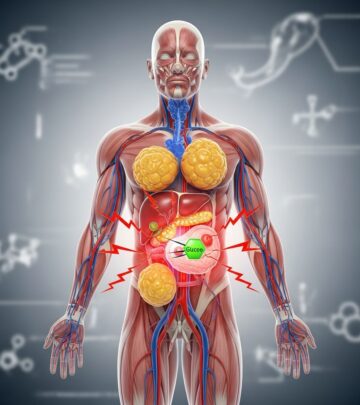
4 Essential Nutrients: Are You Getting Enough?
Discover four critical nutrients your body needs daily and how to ensure adequate intake for optimal health.

Proper nutrition is fundamental to maintaining good health and preventing chronic diseases. While your body requires numerous vitamins, minerals, macronutrients, and micronutrients to function optimally, certain nutrients play especially critical roles in supporting your overall wellness. Understanding which nutrients are essential, where to find them, and how much you need can help you make informed dietary choices that support your long-term health goals.
Many people wonder whether they’re consuming adequate amounts of essential nutrients through their daily diet. The reality is that nutrient deficiencies are more common than you might think, and they can contribute to fatigue, weakened immunity, bone health issues, and various chronic conditions. By learning about four key essential nutrients and their importance, you can take proactive steps to ensure your body receives everything it needs to thrive.
Understanding Macronutrients and Micronutrients
Before diving into specific nutrients, it’s important to understand the difference between macronutrients and micronutrients. Macronutrients are nutrients your body needs in large quantities to provide energy and support basic bodily functions. They include carbohydrates, proteins, and fats. Micronutrients, on the other hand, are vitamins and minerals that your body needs in smaller quantities but are equally vital for maintaining health and preventing disease.
Both categories work together synergistically. Macronutrients provide the foundation and fuel your body needs, while micronutrients support crucial metabolic processes, immune function, and tissue repair. A balanced diet that includes adequate amounts of both macro and micronutrients is essential for optimal health across all life stages.
Nutrient 1: Vitamin D – The Sunshine Vitamin
Vitamin D is one of the most important yet frequently deficient nutrients in modern diets. Often called the “sunshine vitamin” because your body produces it when exposed to sunlight, vitamin D plays numerous critical roles in maintaining your health.
Functions of Vitamin D
Vitamin D is essential for several vital bodily functions. It regulates calcium absorption, which is crucial for maintaining strong bones and teeth. Beyond bone health, vitamin D supports immune function, helps regulate blood pressure, and plays a role in cell growth and differentiation. Recent research suggests that adequate vitamin D levels may also reduce the risk of certain cancers, cardiovascular disease, and autoimmune conditions.
Daily Requirements and Food Sources
Current recommendations suggest that most adults need between 600 to 800 IU of vitamin D daily, though some experts argue that optimal health may require higher amounts, potentially up to 1,000 IU daily. Food sources of vitamin D include fatty fish such as salmon and mackerel, egg yolks, fortified milk and plant-based milk alternatives, fortified cereals, and mushrooms that have been exposed to sunlight.
Since vitamin D is found naturally in relatively few foods, many people benefit from supplementation, particularly those living in northern climates with limited sunlight during winter months or those with darker skin tones who produce less vitamin D from sun exposure.
Signs of Deficiency
Vitamin D deficiency can develop silently, as symptoms may not appear immediately. However, signs of inadequate vitamin D include bone pain, muscle weakness, excessive fatigue, and increased susceptibility to infections. Getting your vitamin D levels tested through a simple blood test is recommended if you suspect deficiency.
Nutrient 2: Calcium – Building Strong Bones
Calcium is the most abundant mineral in your body and is essential for far more than just bone health. While calcium is well-known for its role in maintaining strong bones and teeth, it also supports heart function, muscle contraction, and proper nervous system communication.
Functions of Calcium
Beyond skeletal health, calcium plays vital roles in blood clotting, enzyme function, and hormone secretion. Your body tightly regulates calcium levels in the blood, and when dietary intake is insufficient, your body draws calcium from your bones, which can lead to weakened bone structure over time. This is particularly concerning as you age, when bone density naturally decreases.
Daily Calcium Needs
Calcium requirements vary by age and sex. Most adult women aged 19 to 50 need 1,000 mg daily, while women over 50 need 1,200 mg. Men aged 19 to 70 need 1,000 mg, and men over 70 need 1,200 mg. The recommended daily intake can typically be achieved through consuming three servings of low-fat or fat-free dairy products, though non-dairy sources are also available.
Calcium-Rich Foods
Excellent food sources of calcium include dairy products such as milk, yogurt, and cheese. For those who avoid dairy, calcium-fortified plant-based milks, leafy green vegetables including kale and collard greens, tofu, almonds, tahini, and canned fish with bones (such as salmon and sardines) all provide substantial amounts of calcium. Getting calcium from whole foods is ideal, as your body absorbs it more effectively when consumed alongside vitamin D and other nutrients.
Nutrient 3: Iron – Oxygen Transport and Energy
Iron is a crucial mineral that serves essential functions in virtually every cell of your body. This mineral is particularly important for women of reproductive age, as they have higher iron needs due to menstrual blood loss.
Why Iron Matters
Iron’s primary role is forming hemoglobin, the protein in red blood cells that carries oxygen throughout your body. Without adequate iron, your cells cannot receive the oxygen they need to produce energy efficiently. Iron also supports immune function, helps regulate body temperature, and contributes to brain development and function.
Iron Requirements
Daily iron requirements differ significantly between men and women. Women aged 19 to 50 need 18 mg of iron daily, while men aged 19 to 50 need only 8 mg. This difference reflects women’s menstrual losses. After age 50, women’s requirements drop to 8 mg daily, matching men’s requirements.
Iron Sources and Absorption
Iron exists in two forms in food: heme iron and non-heme iron. Heme iron, found in animal products such as red meat, poultry, and fish, is absorbed more efficiently by your body. Non-heme iron, found in plant-based sources like legumes, leafy greens, fortified cereals, and nuts, is absorbed less readily but can be enhanced when consumed with vitamin C-rich foods.
Signs of Iron Deficiency
Iron deficiency anemia can cause fatigue, weakness, shortness of breath, dizziness, and difficulty concentrating. If you experience these symptoms, particularly if you follow a vegetarian or vegan diet, have heavy periods, or are pregnant, it’s important to have your iron levels checked by a healthcare provider.
Nutrient 4: Fiber – Digestive and Metabolic Support
Fiber is a type of carbohydrate that your body cannot digest, yet it plays an enormous role in maintaining digestive health, regulating blood sugar, and supporting heart health. Despite its importance, most Americans consume far less fiber than recommended.
The Many Benefits of Fiber
Fiber serves multiple important functions in your body. It promotes healthy digestion by adding bulk to stool and feeding beneficial gut bacteria. Soluble fiber helps lower cholesterol and stabilize blood sugar levels, reducing the risk of type 2 diabetes and heart disease. Insoluble fiber promotes regular bowel movements and helps prevent constipation. Adequate fiber intake is also associated with healthy weight management, as fiber helps you feel fuller longer after meals.
Daily Fiber Recommendations
Most adults should aim for 25 to 30 grams of fiber daily, though individual needs may vary. Despite this recommendation, research shows that only about 5% of men and similarly low percentages of women actually meet daily fiber goals.
Excellent Fiber Sources
You can increase your fiber intake by eating whole grains such as oats, brown rice, and whole-wheat bread; fresh fruits and vegetables, particularly those with edible skins; legumes including beans, lentils, and chickpeas; nuts and seeds; and whole-grain products. When increasing fiber intake, do so gradually and drink plenty of water to minimize digestive discomfort as your body adjusts.
Creating a Nutrient-Rich Diet
While understanding individual nutrients is important, it’s equally crucial to recognize that no single food provides all the nutrients your body requires. The key to optimal health lies in consuming a diverse and balanced diet from all major food groups. Eating a wide variety of whole, unprocessed foods ensures you receive the full spectrum of macronutrients, micronutrients, and other beneficial compounds like antioxidants and fiber.
Macronutrient Balance
A balanced diet should include appropriate proportions of macronutrients. Current guidelines recommend that calories come from carbohydrates (45-65%), fats (20-35%), and proteins (10-25%). This balance varies based on individual needs, activity level, and health goals, so consulting with a registered dietitian can help you personalize your approach.
Building Better Meals
When planning meals, aim to include:
- A source of lean protein (fish, poultry, legumes, tofu, or lean meat)
- Whole grains or starchy vegetables
- Multiple servings of colorful vegetables and fruits
- Healthy fats from sources like olive oil, nuts, seeds, or avocado
- A dairy product or calcium-fortified alternative
Addressing Common Nutrient Gaps
Many people struggle to consistently meet their nutrient needs through diet alone. Several factors can increase the risk of nutrient deficiency, including restrictive diets, food allergies or intolerances, certain medications, digestive disorders, pregnancy and breastfeeding, and aging. If you fall into any of these categories, a healthcare provider or registered dietitian can recommend appropriate supplementation and dietary adjustments.
Multivitamins can serve as a nutritional safety net, particularly for individuals with increased nutrient needs or limited dietary variety. However, supplements should complement, not replace, a healthy diet rich in whole foods.
Special Considerations for Different Life Stages
Nutrient needs change throughout your life. Pregnant and breastfeeding women require additional iron, calcium, folate, and other nutrients to support fetal development and milk production. As you age, particularly after age 50 or 65, bone health becomes increasingly important, making adequate vitamin D and calcium intake critical. Postmenopausal women and older men face particular risks for osteoporosis and should prioritize these nutrients.
Testing Your Nutrient Status
If you’re concerned about whether you’re getting enough of these essential nutrients, various tests can assess your nutrient levels. Blood tests can measure vitamin D, iron, B vitamins, and other micronutrient levels. A healthcare provider can recommend appropriate testing based on your individual health status, dietary patterns, and risk factors.
Frequently Asked Questions
Q: Can I get all my vitamin D from food alone?
A: It’s very difficult to get sufficient vitamin D from food sources alone, especially during winter months or if you have limited sun exposure. Most people benefit from a combination of sun exposure, dietary sources, and potentially supplementation to meet their vitamin D needs.
Q: What’s the best way to increase fiber intake?
A: Gradually increase fiber intake over several weeks by adding more whole grains, vegetables, fruits, and legumes to your diet. Drink plenty of water to help your digestive system adjust and minimize bloating or discomfort.
Q: Do I need an iron supplement?
A: Iron supplementation should only be done under medical supervision, as too much iron can be harmful. If you suspect iron deficiency, have your levels tested before starting any supplement.
Q: Can vegetarians and vegans get enough iron?
A: Yes, vegetarians and vegans can get adequate iron from plant-based sources like legumes, leafy greens, and fortified cereals. However, iron absorption from these sources is lower than from animal products, so pairing them with vitamin C-rich foods can enhance absorption.
Q: How much calcium do I really need?
A: Most adults need 1,000 to 1,200 mg of calcium daily, depending on age and sex. However, other factors like vitamin D status, physical activity, and overall diet quality also significantly impact bone health.
Q: Should I take a multivitamin?
A: A multivitamin can be beneficial if you have identified nutritional gaps, follow a restrictive diet, or have increased nutrient needs due to pregnancy, aging, or medical conditions. Discuss supplementation with a healthcare provider to determine what’s right for you.
References
- Why Eating Healthy Is Important: Benefits & Key Reasons — Sunstar. Accessed 2025. https://www.sunstar.com/healthy-thinking/why-eating-healthy-is-important
- What Is Nutrition & The Essential Nutrients Your Body Needs — Cleveland Clinic. Accessed 2025. https://my.clevelandclinic.org/health/articles/nutrition
- Key Nutrients Men Need — Safeway. Accessed 2025. https://www.safeway.com/health/blog/key-nutrients-men-need.html
- What is a Balanced Diet? Nutritional Health — Everlywell. Accessed 2025. https://www.everlywell.com/blog/metabolism/what-is-a-balanced-diet/
- Essentials of Healthy Eating: A Guide — National Institutes of Health, PMC. Accessed 2025. https://pmc.ncbi.nlm.nih.gov/articles/PMC3471136/
Similar Articles








Read full bio of Sneha Tete