4 Keys to Strength Building and Muscle Mass
Unlock the essential strategies for building strength and muscle mass through targeted training, nutrition, and recovery practices.

Building strength and muscle mass requires a strategic approach combining resistance training, nutrition, and recovery. These four keys—resistance training, progressive overload, nutrition, and rest—provide the foundation for sustainable gains, helping people of all ages counteract natural muscle loss and enhance overall fitness.
Why Build Strength and Muscle?
Strength training offers numerous benefits beyond aesthetics, including improved bone density, better metabolic health, and enhanced daily functionality. As people age, sarcopenia—a natural decline in muscle mass—begins, with losses accelerating after age 30 due to reduced testosterone and estrogen levels, changes in nerve and blood cells, and altered protein synthesis. Regular resistance exercises counteract this, preserving muscle for adults of all genders. Research confirms that lifting heavy weights over 70% of one-rep max (1RM) builds superior strength compared to lighter loads, while compound movements maximize efficiency.
Muscle growth, or hypertrophy, occurs through muscle protein synthesis stimulated by training stress, supported by nutrition and recovery. Factors like hormones (testosterone, growth hormone), adequate calories, and rest amplify results. Consistency in these areas leads to visible improvements in physique and performance.
Key 1: Resistance Training
Resistance training is the cornerstone of strength and muscle building, challenging muscles to adapt and grow. Focus on compound exercises that engage multiple muscle groups for greater activation and efficiency.
- Compound Movements: Prioritize squats, deadlifts, bench presses, overhead presses, rows, and pull-ups. These mimic natural movements, build more strength and cardiorespiratory fitness, and provide ‘more bang for your buck’ than isolation exercises.
- Lift Heavy: Use weights at 70-90% of 1RM for low reps (4-6) to prioritize strength. For mass, incorporate moderate reps (8-12). Heavier loads recruit larger muscle fibers essential for growth.
- Training Frequency: Train 2-3 times per week per muscle group, allowing recovery. Aim for 10-20 sets per body part weekly, as recommended by health guidelines.
- Form and Variety: Maintain proper technique to prevent injury and maximize activation. Vary routines to avoid plateaus and ensure balanced development.
Novices should start with bodyweight or lighter loads, progressing systematically. Strength training signals the body to repair and rebuild muscle fibers stronger, boosting resting metabolism.
Key 2: Progressive Overload
Progressive overload—gradually increasing demands on muscles—is vital for continued adaptation. Without it, gains stall.
| Method | Description | Example |
|---|---|---|
| Increase Weight | Add 5-10% more weight when reps become easy | Squat 135 lbs for 10 reps → 145 lbs |
| Increase Reps/Sets | Perform more repetitions or add sets | 3 sets of 8 → 3 sets of 10 or 4 sets of 8 |
| Time Under Tension | Slow eccentrics or pauses | 3-second lower on bench press |
| Reduce Rest | Shorten intervals between sets | 90s rest → 60s rest |
Track workouts to ensure progression. This principle applies across training levels, from beginners adding reps to advanced lifters using advanced techniques like cluster sets.
Key 3: Nutrition for Muscle Building
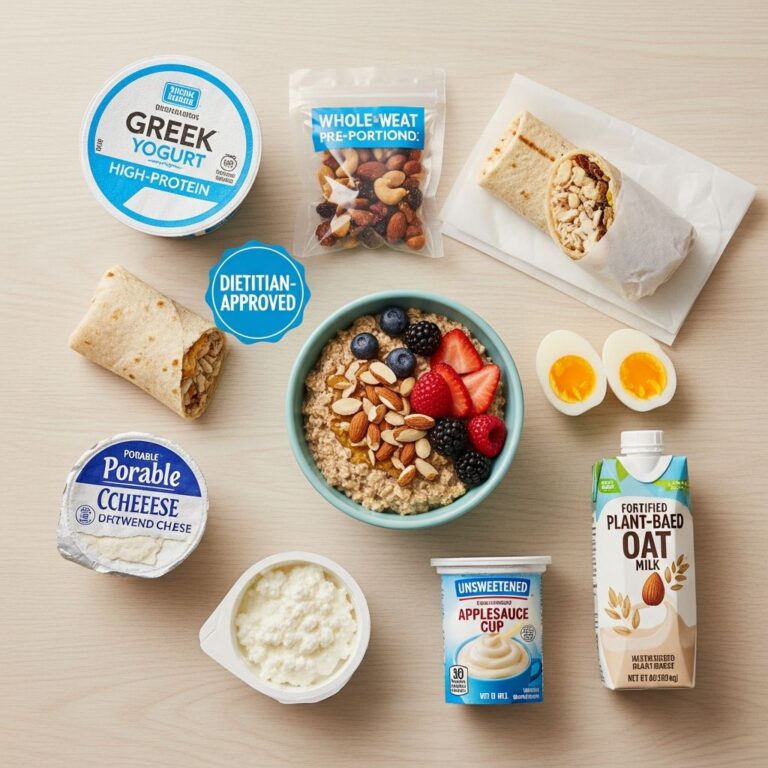
Nutrition fuels muscle repair and growth. Protein provides building blocks, carbohydrates energy, fats hormonal support, and calories the surplus needed for hypertrophy.
Protein: The Muscle Builder
Aim for 1.6-2.2g per kg body weight daily (e.g., 120-165g for 75kg person). Sources: lean meats, poultry, fish, eggs, dairy, beans, lentils. Protein repairs micro-tears from training and promotes synthesis, especially post-workout during the anabolic window (24-120 hours depending on experience).
Carbohydrates: Fuel for Workouts
Carbs convert to glycogen, powering sessions and replenishing stores. Consume ~50% of calories from quality sources like whole grains, fruits, vegetables for fiber and sustained energy.
Related Stories



Fats and Calories: Hormonal and Energy Support
Healthy fats (avocados, nuts, olive oil) aid hormone production like testosterone. Maintain a 250-500 calorie surplus for growth without excess fat gain. Focus on nutrient-dense foods.
- Post-workout: Protein + carbs within anabolic window.
- Hydration: Ample water, especially around training.
For older adults, emphasize low-fat dairy, fruits, veggies to limit saturated fats while meeting needs.
Key 4: Rest and Recovery
Recovery allows supercompensation, where muscles grow stronger. Overtraining hinders progress.
- Sleep: 7-9 hours nightly for hormone regulation and repair.
- Rest Days: 48-72 hours between same-muscle sessions. Use active recovery like walking.
- Stress Management: Meditation reduces cortisol, which impairs growth.
- Deloads: Periodic lighter weeks prevent burnout.
Listen to your body; poor sleep disrupts hormones and repair.
Frequently Asked Questions (FAQs)
What are the 4 keys to building muscle?
Resistance training, progressive overload, proper nutrition, and recovery.
How much protein do I need for muscle growth?
1.6-2.2g per kg body weight from lean sources.
How often should I strength train?
2-3 times weekly per muscle group, with rest days.
What’s progressive overload?
Gradually increasing weight, reps, sets, or intensity to challenge muscles.
Do I need a calorie surplus?
Yes, slight surplus (250-500 calories) supports growth; adjust for goals.
Can older adults build muscle?
Yes, resistance training counters sarcopenia effectively.
Sample Weekly Training Plan
| Day | Focus | Exercises |
|---|---|---|
| Monday | Push | Bench Press 3×8-12, Overhead Press 3×8-12, Tricep Dips 3×10 |
| Tuesday | Pull | Deadlifts 3×6-8, Rows 3×8-12, Pull-ups 3×8 |
| Wednesday | Rest/Active Recovery | Walk or Yoga |
| Thursday | Legs | Squats 3×8-12, Lunges 3×10/leg, Calf Raises 3×15 |
| Friday | Full Body | Compound Mix + Core |
| Weekend | Rest | Recovery Focus |
Adjust based on experience; include warm-ups and cool-downs.
References
- Building Muscle Mass: Effective Strategies for Strength Training — The Club PS. 2023. https://theclubps.com/building-muscle-mass-effective-strategies-for-strength-training/
- The Four Keys to Strength and Muscle Building — 24 Hour Fitness. 2019-10-01. https://www.24hourfitness.com/24life/recover/2019/the-four-keys-to-strength-and-muscle-building
- Top 4 Nutrition Tips for Building Muscle and Losing Fat — Fitness CF Gyms. 2024. https://fitnesscfgyms.com/nutrition-tips-for-building-muscle-and-losing-fat/
- 4 Keys to Strength Building and Muscle Mass — Academy of Nutrition and Dietetics. 2023. https://www.eatright.org/fitness/physical-activity/benefits-of-exercise/4-keys-to-strength-building-and-muscle-mass
- 4 Steps to Building Your Strength — G6 Sports Nutrition. 2022. https://g6sportsnutrition.com/blogs/news/4-steps-to-building-your-strength
Similar Articles








Read full bio of Sneha Tete