4 Serious Side Effects of Drinking Diet Soda Regularly
Discover the hidden health risks of daily diet soda consumption, from metabolic issues to heart problems and beyond.
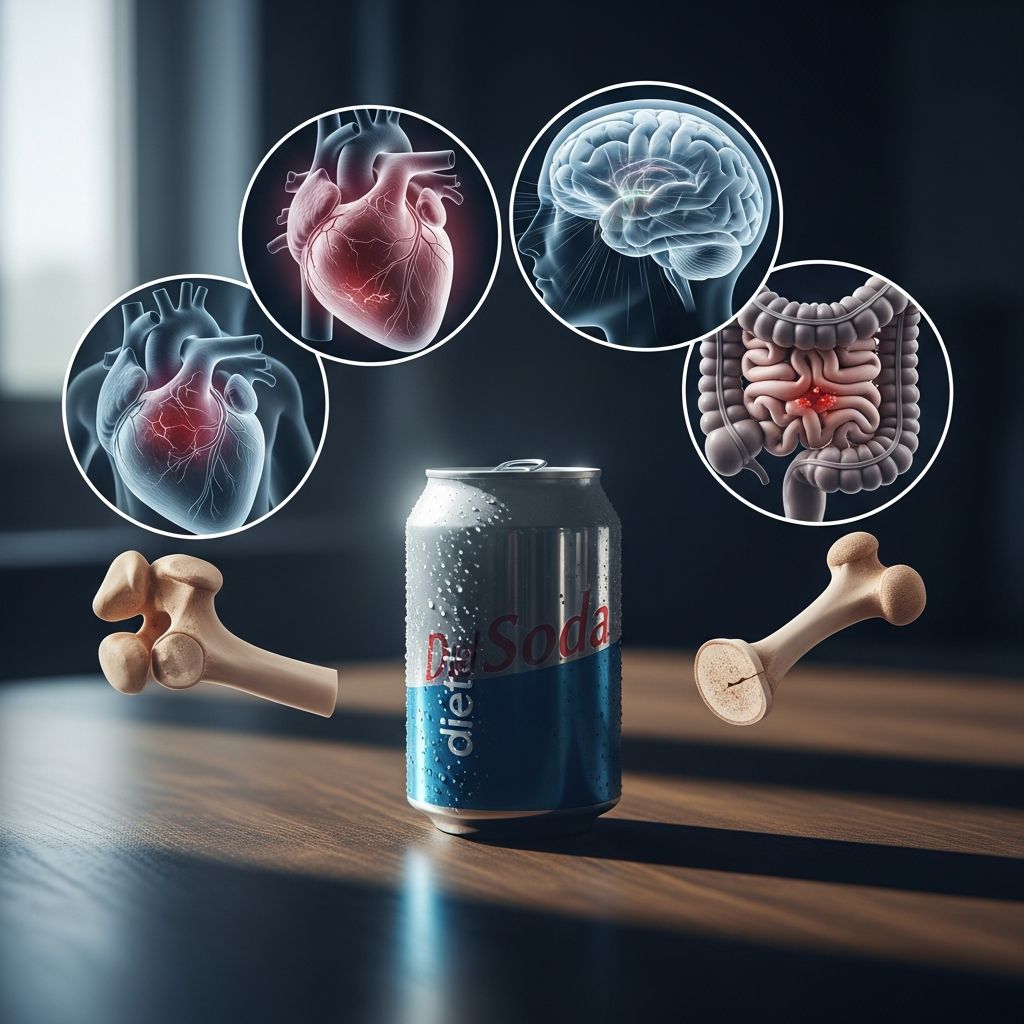
Many people turn to diet soda as a “healthier” alternative to regular sugary sodas, believing it helps with weight management without the calories. However, emerging research reveals that regular consumption—even just one can per day—can lead to significant health risks due to artificial sweeteners like aspartame, sucralose, and saccharin, as well as acids and other additives. Studies from credible sources, including University Hospitals and the National Institutes of Health, link diet soda to metabolic disruptions, cardiovascular problems, unintended weight gain, and dental damage.
While diet sodas are marketed as low-calorie saviors, they offer no nutritional benefits and may disrupt hunger signals, gut health, and more. This article breaks down the four most serious side effects, supported by scientific evidence, and offers practical alternatives to protect your health.
1. Increased Risk of Metabolic Syndrome and Type 2 Diabetes
**Diet soda consumption is strongly associated with a higher risk of metabolic syndrome—a cluster of conditions including high blood pressure, elevated blood sugar, excess belly fat, and abnormal cholesterol levels that raise the odds of type 2 diabetes, heart disease, and stroke.** In a large multi-ethnic cohort study from the Multi-Ethnic Study of Atherosclerosis (MESA), daily diet soda drinkers had a 36% greater relative risk of developing metabolic syndrome and a 67% greater risk of type 2 diabetes compared to non-consumers.
The mechanisms aren’t fully understood but may involve artificial sweeteners confusing the body’s calorie anticipation. When sweetness hits the tongue without calories, it can impair glucose regulation and promote insulin resistance. Participants consuming at least one serving daily showed significantly higher risks of high waist circumference (HR 1.59) and elevated fasting glucose (HR 1.28), key precursors to diabetes. University Hospitals experts note that even one or two diet sodas daily multiply these risks, potentially leading to metabolic syndrome symptoms like low HDL cholesterol and high triglycerides.
- High waist circumference: Linked to central obesity, a hallmark of metabolic dysfunction.
- Elevated fasting glucose: Indicates pre-diabetes, driven more by diet soda than full metabolic syndrome in some analyses.
- Overall impact: Affects 22.5% of studied participants over follow-up, with diet soda consumers at highest risk.
These findings held after adjusting for baseline adiposity, diet, and lifestyle factors, suggesting diet soda independently contributes to metabolic harm rather than just being a marker of poor habits.
2. Cardiovascular Problems, Including AFib and High Blood Pressure
**Daily diet soda intake raises the risk of heart-related issues like atrial fibrillation (AFib), an irregular heartbeat, and hypertension.** Research indicates that just one diet soda per day correlates with cardiovascular strain, possibly from artificial sweeteners triggering inflammation or disrupting electrolyte balance.
AFib increases stroke risk fivefold, and diet soda’s phosphorus content may exacerbate blood pressure issues by affecting vascular health. Combined with metabolic syndrome risks, habitual drinkers face compounded heart threats. While no direct causation is proven, observational data from large cohorts consistently show positive associations, urging caution especially for those with existing risk factors.
Related Stories



| Cardiovascular Risk | Association with Diet Soda | Source |
|---|---|---|
| AFib (Irregular Heartbeat) | One daily serving increases risk | |
| High Blood Pressure | Linked to metabolic syndrome components | |
| Stroke Risk | Potential from aspartame and inflammation |
Beyond the heart, artificial sweeteners like aspartame have been tied to stroke and dementia risks, highlighting broader neurological and vascular concerns.
3. Weight Gain and Disrupted Hunger Signals
**Paradoxically, diet soda promotes weight gain, particularly belly fat, by misleading the brain’s hunger cues.** Artificial sweeteners activate sweet taste receptors, prompting insulin release and cravings for high-calorie foods as the body anticipates sugar that never arrives.
This “hyper-sweetness” without calories leads to overeating. MESA study participants with daily intake showed greater increases in waist circumference, a stubborn fat area linked to health woes. Gut microbiome disruption from sweeteners like saccharin and sucralose further impairs satiety signals and blood sugar control, fostering a cycle of hunger and fat storage.
- Sweeteners trigger brain’s sugar-processing hormones.
- Leads to cravings for sweets and carbs.
- Results in central obesity despite zero calories.
Thyroid inefficiency from diet soda may also promote fat accumulation, compounding the issue.
4. Dental Erosion and Other Oral Health Issues
**The phosphoric and citric acids in diet sodas erode tooth enamel, causing sensitivity, pitting, discoloration, and heightened cavity risk.** Even without sugar, these acids lower oral pH, weakening enamel over time—especially problematic for frequent sippers.
Unlike regular soda, diet versions are often more acidic due to flavor enhancers. Combined with dry mouth from carbonation, this accelerates damage. Long-term, it leads to chalky teeth and restorative dental needs.
Additional Health Concerns Linked to Diet Soda
Beyond the primary four, research flags other risks:
- Gut Microbiome Imbalance: Saccharin and sucralose alter beneficial bacteria, affecting immunity and glucose metabolism.
- Bone Density Loss: Phosphorus leaches calcium, raising osteoporosis risk in older adults.
- Headaches and Migraines: Aspartame sensitivity triggers vascular changes.
- Kidney Issues: Higher chronic kidney disease and stone formation.
- Liver and Joint Problems: Ties to nonalcoholic fatty liver disease and inflammation-induced pain.
Notably, MD Anderson states artificial sweeteners aren’t proven carcinogenic, but they provide zero nutrition.
Healthier Alternatives to Diet Soda
Dr. Jacob Wolf from University Hospitals recommends ditching diet soda for nutrient-rich options:
- Water: Infuse with fruit for flavor.
- Seltzer: Plain or lightly flavored, acid-free.
- Unsweetened Tea/Coffee: Antioxidants without additives.
- Occasional Real Sugar Soda: In moderation, avoids chemicals.
Beware “natural” alternatives like stevia or erythritol, linked to cravings or clotting risks. Aim for whole foods and hydration for true health gains.
Frequently Asked Questions (FAQs)
Is diet soda better than regular soda?
No—while it lacks sugar, artificial sweeteners pose metabolic and heart risks without nutritional upside.
How much diet soda is safe?
Even one daily increases risks; moderation or avoidance is best.
Do artificial sweeteners cause cancer?
Not proven, per MD Anderson, but other harms outweigh benefits.
Can diet soda help with weight loss?
Unlikely—it may trigger cravings and weight gain.
What are the best soda substitutes?
Water, seltzer, unsweetened teas—hydrating and healthy.
References
- Is Diet Soda a Healthy Choice? Think Again — University Hospitals. 2024-06-24. https://www.uhhospitals.org/blog/articles/2024/06/think-diet-soda-is-a-healthy-choice-think-again
- Diet Soda Intake and Risk of Incident Metabolic Syndrome and Type 2 Diabetes — NIH / PMC. 2009-03-27. https://pmc.ncbi.nlm.nih.gov/articles/PMC2660468/
- Diet soda and cancer risk: What you should know — MD Anderson Cancer Center. N/A. https://www.mdanderson.org/cancerwise/diet-soda-and-cancer-risk–what-you-should-know.h00-159775656.html
Similar Articles








Read full bio of medha deb