4 Steps to Battle Early Signs of Brittle Bones
Combat early osteoporosis with proven strategies to strengthen bones and prevent fractures.
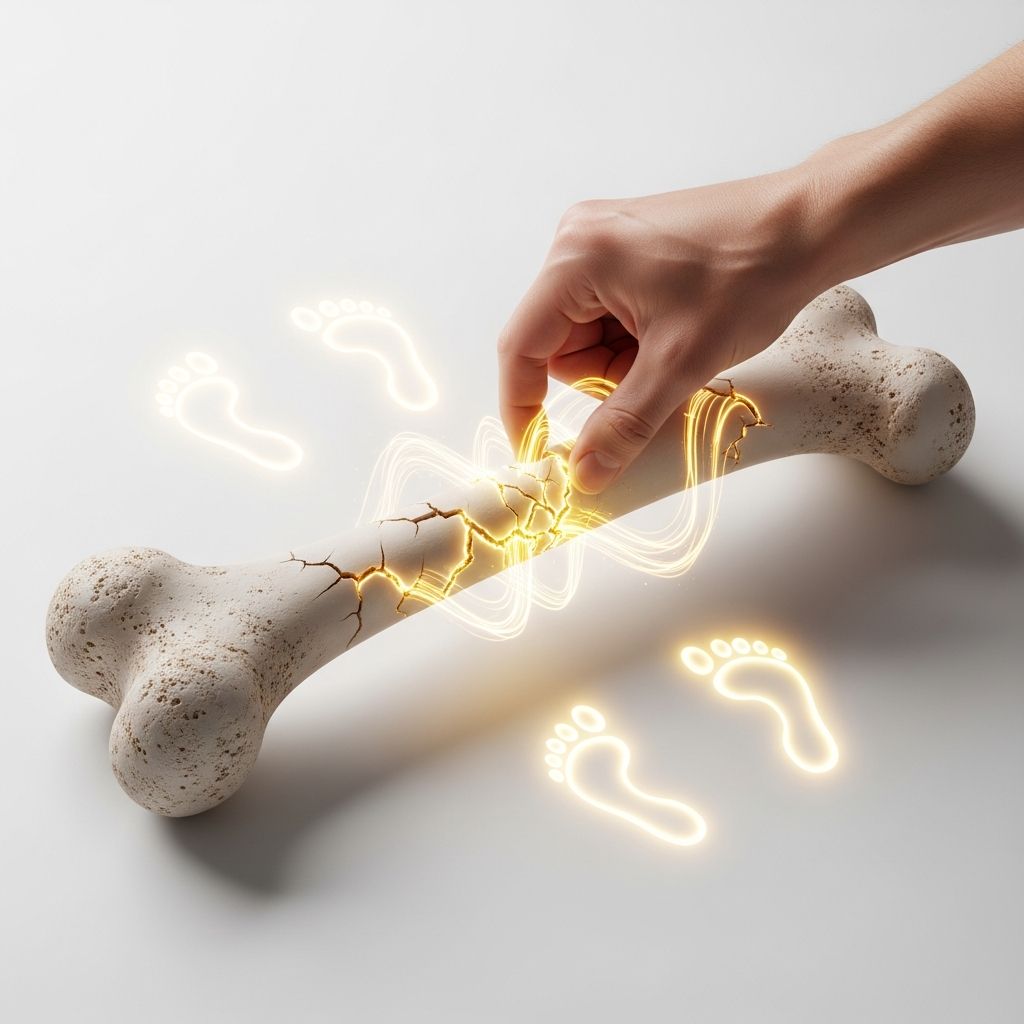
Understanding Brittle Bones and Osteoporosis
Osteoporosis, commonly referred to as “bone-thinning disease,” is a progressive condition characterized by decreased bone mineral density and deterioration of bone tissue structure. This disease leads to increased fragility and susceptibility to fractures, particularly in the hip, spine, and wrist. What makes osteoporosis particularly concerning is that it often develops silently—many individuals don’t realize they have the condition until they sustain a fracture from a minor fall or even a slight bump. The good news is that osteoporosis is largely preventable, and early intervention can significantly slow or halt bone loss. Understanding the early warning signs and taking proactive steps is crucial for maintaining skeletal health throughout your life.
Bone is living tissue that undergoes continuous remodeling through a process where old bone is removed and new bone is added. During childhood and early adulthood, new bone is created faster than old bone is removed, resulting in increased bone mass. Most people reach their peak bone mass around age 30. After that, bone remodeling continues, but more bone is lost than gained. The risk of osteoporosis depends partly on how much bone mass you attained in your youth and how rapidly you lose it as you age. Women face particular risk during and after menopause when estrogen levels decline dramatically, as estrogen plays a critical role in maintaining bone density.
Step 1: Optimize Your Calcium and Vitamin D Intake
The foundation of bone health begins with proper nutrition, particularly adequate intake of calcium and vitamin D. Calcium is the primary mineral component of bone, and without sufficient calcium, your body cannot maintain bone density or support proper bone formation. Vitamin D, meanwhile, is essential for calcium absorption in the intestines and plays a vital regulatory role in bone metabolism.
Calcium Requirements and Sources
The National Institutes of Health recommends that women aged 19-50 and men aged 19-70 consume 1,000 mg of calcium daily, while women over 50 and men over 70 should aim for 1,200 mg daily. Rather than relying solely on supplements, it’s preferable to obtain calcium from dietary sources when possible. Excellent food sources of calcium include:
- Dairy products such as milk, yogurt, and cheese
- Leafy green vegetables including collard greens, turnip greens, bok choy, and broccoli
- Fortified plant-based milk alternatives like almond, soy, and oat milk
- Fatty fish with edible bones such as salmon and sardines
- Fortified orange juice and other calcium-enriched beverages
- Legumes including beans and lentils
- Seeds and nuts, particularly almonds and sesame seeds
If you struggle to meet your calcium needs through diet alone, calcium supplements can bridge the gap. However, it’s important to note that the body can only absorb about 500 mg of calcium at one time, so if you’re taking supplements, distribute them throughout the day with meals.
Vitamin D: The Sunshine Nutrient
Vitamin D is synthesized in your skin when exposed to sunlight, but many people, particularly those in northern climates or who spend limited time outdoors, don’t get enough sun exposure. The recommended daily intake of vitamin D is 600-800 IU for most adults, though some experts suggest higher amounts may be beneficial for bone health. Dietary sources of vitamin D include fatty fish (salmon, mackerel, sardines), egg yolks, and fortified dairy products and cereals. Many people benefit from vitamin D supplementation, especially during winter months or if they have limited sun exposure. Some research suggests that optimal vitamin D levels may require supplementation beyond what food alone can provide, making consultation with your healthcare provider advisable.
Related Stories



Step 2: Engage in Regular Weight-Bearing and Resistance Exercise
Physical activity is one of the most powerful tools for building and maintaining bone density. Exercise stimulates bone formation and slows bone loss by placing stress on bones, which signals them to strengthen. Regular physical activity also improves balance and coordination, reducing fall risk—a critical consideration since falls are a major cause of fractures in individuals with weakened bones.
Weight-Bearing Exercises
Weight-bearing exercises are those in which your bones and muscles work against gravity as you move your body weight. These activities are particularly effective for building bone density in the legs, hips, and lower spine. Recommended weight-bearing exercises include:
- Walking, including brisk walking for cardiovascular benefit
- Jogging or running for those with adequate baseline fitness
- Dancing, which combines balance, coordination, and weight-bearing
- Tennis and other racquet sports
- Aerobic classes and step aerobics
- Stair climbing
- Hiking on various terrain
Aim for at least 30 minutes of weight-bearing activity most days of the week. Even moderate-intensity activities like brisk walking can provide significant bone health benefits when performed consistently.
Resistance and Strength Training
Resistance training, also known as strength training or weight training, involves working against resistance from weights, resistance bands, or your own body weight. This type of exercise is particularly important for building bone density in the upper spine, hip, and wrist—common fracture sites. Resistance training should target all major muscle groups and be performed at least two days per week. Exercises might include:
- Free weight exercises using dumbbells or barbells
- Weight machines at fitness facilities
- Resistance band exercises
- Bodyweight exercises such as push-ups and squats
- Functional movements like lifting groceries or gardening
It’s important to begin any new exercise program gradually and consider consulting with a physical therapist or certified fitness professional, particularly if you already have osteoporosis or a history of fractures. Proper form is essential to prevent injury and maximize bone-building benefits.
Balance and Flexibility Training
While not directly building bone density, balance and flexibility exercises are crucial for fall prevention. Activities like yoga (modified as needed for bone health), tai chi, and simple balance exercises can significantly reduce fracture risk by improving stability and coordination. These practices also enhance quality of life and promote overall wellness.
Step 3: Adopt Lifestyle Changes That Protect Bone Health
Beyond nutrition and exercise, several lifestyle modifications can profoundly impact bone health and reduce osteoporosis risk.
Eliminate Smoking
Smoking is a major risk factor for osteoporosis and bone loss. Tobacco smoke interferes with calcium absorption, reduces estrogen levels in women, and directly damages bone-forming cells. Women who smoke experience earlier menopause and more rapid bone loss than non-smokers. The bone-damaging effects of smoking begin immediately and worsen with duration and intensity of use. Quitting smoking at any age improves bone health, though the earlier you quit, the greater the long-term benefits.
Limit Alcohol Consumption
Excessive alcohol consumption interferes with calcium absorption and vitamin D metabolism, both critical for bone health. Alcohol also impairs the balance and coordination needed to prevent falls. Additionally, alcoholic beverages often provide empty calories while displacing nutrient-dense foods from the diet. The general recommendation is to limit alcohol to no more than one drink daily for women and two drinks daily for men. Complete abstinence from alcohol is ideal for those with diagnosed osteoporosis or significant fracture risk.
Maintain a Healthy Body Weight
Being significantly underweight increases osteoporosis risk because insufficient body weight means less stress on bones, leading to reduced bone density. Conversely, excess weight can increase fracture risk due to falls despite potentially higher bone density. A body mass index (BMI) in the normal to slightly elevated range (18.5-27) is generally considered optimal for bone health. Maintaining a stable, healthy weight through balanced nutrition and regular exercise supports overall skeletal health.
Reduce Caffeine Intake
High caffeine consumption can increase calcium excretion through urine, potentially compromising bone health. While moderate caffeine consumption (up to 300-400 mg daily, roughly equivalent to 3-4 cups of coffee) is generally not harmful, higher intakes may negatively impact calcium balance. If you’re concerned about bone health, monitor your caffeine consumption and ensure adequate calcium intake if you consume caffeine regularly.
Manage Medications Wisely
Certain medications can contribute to bone loss, particularly corticosteroids used for autoimmune and inflammatory conditions. If you take medications long-term, discuss potential effects on bone health with your healthcare provider. In many cases, strategies can be implemented to minimize bone loss while maintaining necessary treatment for other health conditions. Never discontinue prescribed medications without medical guidance, but do inquire about protective measures for bone health.
Step 4: Seek Professional Evaluation and Medical Treatment
While the first three steps—nutrition, exercise, and lifestyle modification—form the foundation of bone health, some individuals benefit from professional medical evaluation and treatment to prevent or manage osteoporosis effectively.
Bone Density Testing
Bone mineral density (BMD) testing, typically performed through dual-energy X-ray absorptiometry (DXA or DEXA scan), is a painless, non-invasive procedure that measures bone density and compares it to healthy young adult bone. BMD testing can diagnose osteoporosis, identify osteopenia (low bone mass that may progress to osteoporosis), and assess fracture risk. The results are reported as T-scores, where scores below -2.5 indicate osteoporosis. General screening recommendations include all women aged 65 and older, all men aged 70 and older, and younger individuals with risk factors for bone loss. Discuss with your healthcare provider whether BMD testing is appropriate for you based on your individual risk profile.
Pharmacologic Treatment Options
When diet, exercise, and lifestyle changes are insufficient, several medication classes can help maintain or improve bone density and reduce fracture risk. Current medications build bone and/or decrease bone breakdown and dramatically reduce incident fractures. Common medication options include:
- Bisphosphonates: Medications such as alendronate (Fosamax) and risedronate (Actonel) slow bone loss and are among the most commonly prescribed osteoporosis treatments.
- Selective Estrogen Receptor Modulators (SERMs): Raloxifene (Evista) is particularly beneficial for postmenopausal women with low estrogen levels and helps improve bone mass.
- Hormone-Related Therapy: In some cases, hormone replacement therapy may be considered, particularly for women in early menopause with significant osteoporosis risk.
- Other Options: Calcitonin (Micalcin) and other newer agents may be prescribed based on individual circumstances and preferences.
Treatment selection depends on individual risk factors, preference, tolerance, and response to therapy. Your healthcare provider will help determine the most appropriate treatment strategy based on comprehensive assessment of your bone health status and fracture risk.
Monitoring and Ongoing Care
After beginning osteoporosis treatment, regular monitoring is essential. BMD testing typically occurs 1-2 years after initiating therapy and at appropriate intervals thereafter. At each healthcare encounter, discuss any concerns about treatment side effects and confirm that the benefits of fracture prevention outweigh any risks of adverse events. The diagnosis of osteoporosis persists even if subsequent bone density tests show improvement, meaning ongoing monitoring and strategic interventions will be necessary to prevent fractures long-term. A multidisciplinary approach involving primary care providers, specialists, and other healthcare professionals optimizes outcomes and ensures comprehensive fracture prevention.
Frequently Asked Questions About Brittle Bones
Q: At what age should I become concerned about bone health?
A: It’s never too early to build strong bones. Peak bone mass is achieved around age 30, making childhood, adolescence, and early adulthood critical periods for bone development. However, bone health remains important throughout life, and adults of all ages can benefit from the four steps outlined above.
Q: Can I reverse osteoporosis?
A: While osteoporosis cannot be completely reversed, early intervention can significantly slow bone loss and in some cases improve bone density. Treatment with appropriate medications, combined with lifestyle modifications, prevents fractures and improves outcomes. Starting prevention and treatment early offers the best opportunity to maintain skeletal health.
Q: How often should I have bone density testing?
A: The frequency of BMD testing depends on your baseline results and risk factors. Generally, testing is recommended every 1-2 years after initiating treatment. Those with normal or slightly low bone mass and no fractures may require less frequent testing, while higher-risk individuals may need more frequent monitoring.
Q: Are there natural alternatives to osteoporosis medications?
A: While the four preventive steps—nutrition, exercise, lifestyle changes, and professional monitoring—are essential and can significantly impact bone health, they may not be sufficient for those with established osteoporosis or very high fracture risk. In these cases, medications offer proven fracture prevention benefits that natural approaches alone cannot provide.
Q: What should I do if I’ve already experienced a fracture?
A: A fracture is a “sentinel event” indicating significant bone weakness and high fracture risk. After a fracture, immediate evaluation for osteoporosis is critical. Appropriate and timely intervention offers the best opportunity to prevent a cycle of recurrent fractures, disability, and serious health consequences. Coordinate your care through a fracture liaison service or multidisciplinary program when possible.
Conclusion: Taking Action for Stronger Bones
Brittle bones and osteoporosis represent a significant public health challenge, but they are largely preventable and manageable with proactive intervention. By implementing the four essential steps—optimizing calcium and vitamin D intake, engaging in regular weight-bearing and resistance exercise, adopting protective lifestyle changes, and seeking professional evaluation and treatment when needed—you can significantly reduce your risk of fractures and maintain bone health throughout your life. The time to act is now. Whether you’re in your 20s building peak bone mass, middle-aged implementing prevention strategies, or older managing established osteoporosis, every positive action contributes to stronger, healthier bones. Consult with your healthcare provider about your individual bone health needs and develop a personalized plan that addresses your specific risk factors and circumstances.
References
- The Clinician’s Guide to Prevention and Treatment of Osteoporosis — National Institute of Arthritis and Musculoskeletal and Skin Diseases (NIAMS). 2024. https://pmc.ncbi.nlm.nih.gov/articles/PMC9546973/
- Osteoporosis: A Guide to Diagnosis and Treatment — American Academy of Orthopaedic Surgeons (AAOS). 2024. https://orthoinfo.aaos.org/en/diseases–conditions/osteoporosis/
- Dietary Reference Intakes for Calcium and Vitamin D — National Academies of Sciences, Engineering, and Medicine. 2011. https://www.nap.edu/read/13050/
- Osteoporosis Treatment & Research — Brigham and Women’s Hospital, Harvard Medical School. 2024. https://www.brighamandwomens.org/medicine/rheumatology-inflammation-immunity/resources/osteoporosis-treatment
- Exercise for Bone Health — American Society for Bone and Mineral Research (ASBMR). 2023. https://www.asbmr.org/
Similar Articles








Read full bio of medha deb