4 Super Spices: Health Benefits of Ginger, Cinnamon & More
Unlock the powerful health benefits of ginger, cinnamon, turmeric, and cayenne with simple ways to boost your meals and wellness daily.
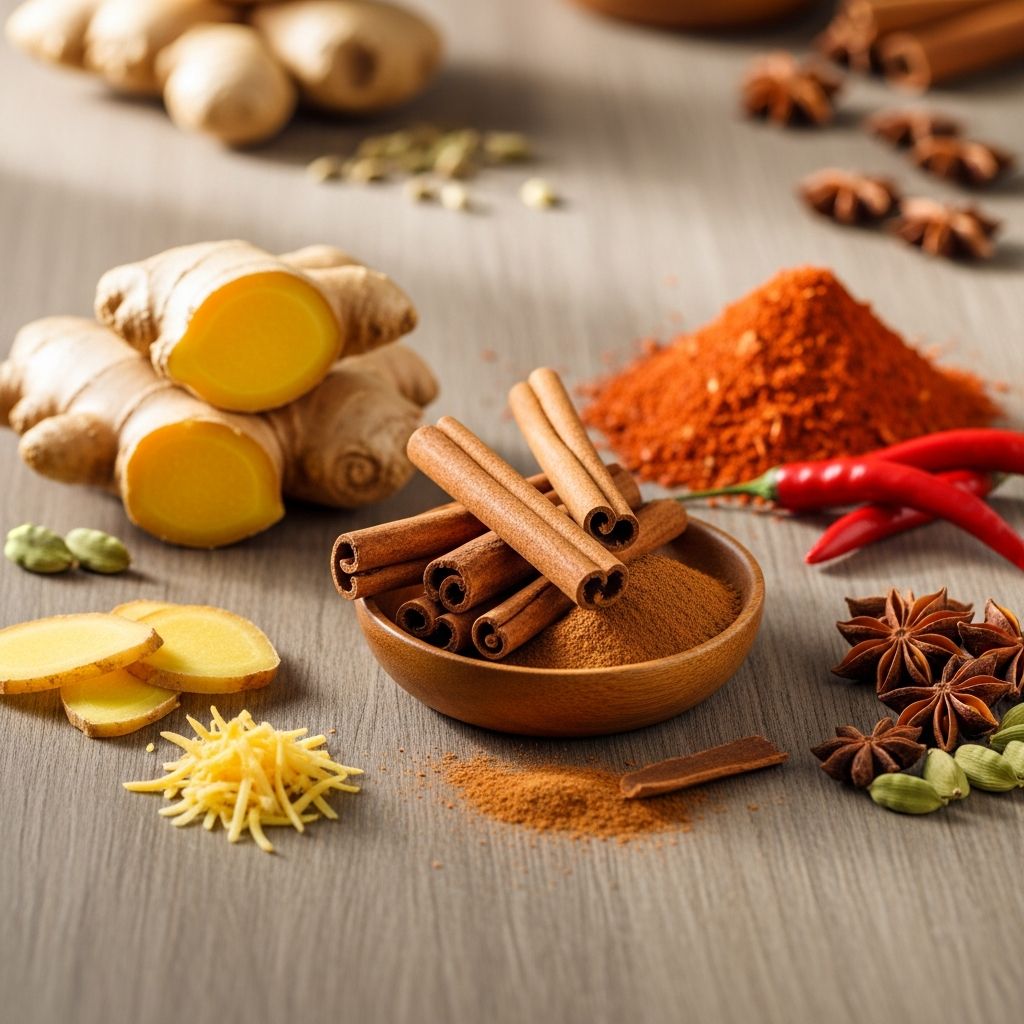
Spices are more than flavor enhancers; they are nutrient-dense powerhouses packed with antioxidants, anti-inflammatory compounds, and phytonutrients that rival fruits and vegetables in health benefits. Since spices lack the water content of fresh produce, their antioxidant levels are even higher, making them essential for combating oxidative stress and chronic diseases. This article dives into four super spices—ginger, cinnamon, turmeric, and cayenne—highlighting their science-backed benefits, practical uses, and tips for incorporation into your diet.
What Makes Spices ‘Super’?
Botanically classified as fruits, vegetables, roots, seeds, or bark, spices deliver concentrated doses of phytonutrients like carotenoids and flavonoids. Research shows they offer antioxidant, antimicrobial, and anti-inflammatory effects, potentially protecting against cardiovascular disease, cancer, obesity, type 2 diabetes, and neurodegeneration. Unlike salt or sugar, spices add bold flavors without calories, aiding in reducing sodium intake for heart health.
Experts like registered dietitians emphasize variety: combining spices amplifies their potent effects. For instance, pairing turmeric with black pepper enhances curcumin absorption by up to 2,000%. These super spices are affordable, versatile, and backed by studies from peer-reviewed sources, making them ideal for everyday wellness.
1. Ginger: The Digestive Dynamo
Ginger, a flowering root with a zesty kick, is renowned for settling upset stomachs, easing nausea, and reducing inflammation. Its active compounds, gingerols and shogaols, provide potent antioxidants that soothe motion sickness, morning sickness, and digestive discomfort.
Clinical evidence supports ginger’s effectiveness; pregnant women often use ginger tea for nausea relief, as recommended by dietitians. It also boosts antioxidant properties in cooked vegetables and aids inflammatory conditions like arthritis. A PMC review notes ginger’s role in anti-inflammatory pathways, targeting enzymes to lower chronic disease risk.
- Key Benefits:
- Reduces nausea and vomiting, especially in pregnancy.
- Anti-inflammatory: Eases joint pain and muscle soreness.
- Improves digestion and circulation.
- Antioxidant-rich for immune support.
How to Use Ginger: Grate fresh ginger into teas, stir-fries, or glazes. Mix with honey for a sweet coating on steamed veggies or salmon. Try ginger tea: steep 1-inch fresh root in hot water with lemon.
2. Cinnamon: Blood Sugar Balancer
Cinnamon’s warm, sweet aroma comes from cinnamaldehyde, delivering antioxidants, fiber, and half a day’s manganese in just one dash. It’s exceptional for glucose control, with clinical studies showing daily use improves blood sugar levels in people with diabetes.
This spice decreases cholesterol and fatty acid absorption, promoting heart health and fighting stress-induced inflammation. Antimicrobial properties make it a versatile addition year-round, not just in fall bakes. Polyphenols in cinnamon mediate anti-inflammatory effects, per research on chronic disease prevention.
- Key Benefits:
- Regulates blood sugar and insulin sensitivity.
- Antioxidant boost for cardiovascular protection.
- Reduces inflammation and cholesterol.
- High in manganese and fiber for metabolism.
Related Stories



How to Use Cinnamon: Sprinkle on oatmeal, coffee, tea, or fruits like apples. Add a stick to black tea for amplified antioxidants. Mix into honey for a natural sweetener.
3. Turmeric: The Golden Anti-Inflammatory
Turmeric’s vibrant yellow hue stems from curcumin, a powerhouse antioxidant with anti-inflammatory effects rivaling some drugs. It protects against cancer, autoimmune diseases, joint pain, and brain decline.
Studies highlight curcumin’s role in reducing chronic inflammation markers and supporting cognitive health. Best absorbed with black pepper’s piperine, natural powdered turmeric outperforms supplements. Indian cuisine staples like curries showcase its versatility.
- Key Benefits:
- Potent anti-inflammatory and antioxidant.
- Cancer and immune disease protection.
- Supports brain health and joint relief.
- Enhances with black pepper for bioavailability.
How to Use Turmeric: Add to rice, marinades, curries, or golden milk (turmeric latte with milk, pepper, and honey). Start with 1/2 tsp daily.
4. Cayenne: Metabolism and Circulation Booster
Cayenne pepper’s heat from capsaicin delivers anti-inflammatory, pain-relieving perks, boosting metabolism, digestion, circulation, and even appetite control.
It lowers blood pressure, promotes heart health, and aids weight management by increasing calorie burn. Combined with other spices, cayenne amplifies antimicrobial effects.
- Key Benefits:
- Boosts metabolism and fat burning.
- Improves circulation and digestion.
- Reduces pain and inflammation.
- Supports heart health via blood pressure reduction.
How to Use Cayenne: Spice up hummus, guacamole, soups, or teas. Use sparingly—a pinch goes far.
Recipe Ideas: Super Spice Combos
Maximize benefits by blending these spices. Here’s a table of easy recipes:
| Recipe | Spices Used | Health Focus | Prep Tip |
|---|---|---|---|
| Golden Milk | Turmeric, Ginger, Cinnamon | Anti-inflammatory, Digestion | Heat milk with 1/2 tsp each + black pepper. |
| Spiced Veggie Stir-Fry | Ginger, Turmeric, Cayenne | Immunity, Metabolism | Grate ginger; add pinch cayenne. |
| Cinnamon Oatmeal | Cinnamon, Ginger | Blood Sugar, Nausea Relief | Sprinkle 1 tsp cinnamon. |
| Cayenne Hummus | Cayenne, Turmeric | Circulation, Antioxidants | Mix 1/4 tsp into dip. |
These combos enhance flavor and synergy, as variety potentiates effects.
Health Benefits Comparison
| Spice | Antioxidants | Anti-Inflammatory | Digestion Aid | Other Key Perk |
|---|---|---|---|---|
| Ginger | High | Yes | Nausea Relief | Circulation |
| Cinnamon | High | Yes | Glucose Control | Cholesterol Reduction |
| Turmeric | Very High (Curcumin) | Strong | Joint Health | Cancer Protection |
| Cayenne | Moderate | Yes | Metabolism Boost | Pain Relief |
Frequently Asked Questions (FAQs)
What are the top health benefits of these super spices?
They provide antioxidants to fight inflammation, support digestion, regulate blood sugar, boost immunity, and protect against chronic diseases like diabetes and cancer.
Can I use these spices if I’m pregnant?
Yes, ginger is excellent for morning sickness; consult a doctor for others in high doses.
How much should I use daily?
Start small: 1/2-1 tsp per spice. Powdered forms are effective; combine for best results.
Are supplements better than spices?
No, whole spices offer fiber and better absorption, especially turmeric with pepper.
Do spices replace medication?
They complement health but aren’t substitutes; evidence supports adjunct use.
Conclusion: Spice Up Your Health
Incorporate these four super spices daily to elevate meals and wellness. Their evidence-based benefits—from ginger’s nausea relief to turmeric’s inflammation fight—make them kitchen essentials. Experiment with recipes, prioritize variety, and enjoy the flavorful path to better health.
References
- Super Spices | 6 Spices to Use to Boost Your Health — Suja Organic. Accessed 2026. https://www.sujaorganic.com/blogs/nutrition/6-super-spices-for-super-health
- Healthiest Spices with Flavor and Superpowers — UT Physicians. Accessed 2026. https://www.utphysicians.com/healthy-spices-to-add-to-your-diet/
- The Health Benefits of 10 Flavorful Herbs and Spices — Atlantic Health System. Accessed 2026. https://www.atlantichealth.org/health-articles/healthy-living/the-health-benefits-of-10-flavorful-herbs-and-spices
- Herbs and Spices – Biomarkers of Intake Based on Human Intervention Studies — National Library of Medicine (PMC). 2019-05-14. https://pmc.ncbi.nlm.nih.gov/articles/PMC6532192/
Similar Articles








Read full bio of Sneha Tete