4 Top Ways to Live Longer: Evidence-Based Strategies
Discover four proven lifestyle changes that can reduce your risk of death by 80 percent.

Four Proven Lifestyle Changes to Extend Your Lifespan
There is no magic formula for living forever, but scientific research has identified specific, actionable steps you can take today to significantly increase your chances of a longer, healthier life. A groundbreaking Johns Hopkins-led study of more than 6,000 men and women followed over eight years revealed that adopting four key health-smart behaviors can reduce the chance of death from all causes by 80 percent. These four pillars of longevity are within your personal control and require no expensive medications or surgical interventions—just commitment to positive lifestyle changes.
The Four Essential Lifestyle Factors
According to Johns Hopkins research, the foundation of a longer life rests on four critical behaviors. While adopting all four provides maximum benefit, even implementing them individually can have a profound impact on your health outcomes and life expectancy. Let’s explore each factor in detail.
1. Don’t Smoke
If you had to choose just one lifestyle change to make, researchers recommend quitting smoking as your top priority. Smoking remains one of the most significant modifiable risk factors for premature death. The impact of tobacco use on your body is extensive and devastating. Smoking damages coronary arteries and lungs, directly increasing your risk of heart disease and respiratory diseases. Additionally, smokers face dramatically elevated rates of cancer, including lung cancer, throat cancer, and numerous other malignancies. The cardiovascular strain from smoking also increases your risk of stroke, a leading cause of disability and death.
When you quit smoking, your body begins to heal almost immediately. Within hours, your oxygen levels normalize. Within weeks, your lung function improves and circulation enhances. Over months and years, your risk of heart disease and cancer decreases substantially. If you currently smoke, seeking support through nicotine replacement therapy, prescription medications, counseling, or support groups can dramatically increase your chances of success in quitting this life-threatening habit.
2. Maintain a Healthy Weight
The healthiest individuals in the Johns Hopkins study maintained a body mass index (BMI) below 25. BMI is a ratio of height to weight that helps measure body composition and overall health risk. Maintaining a healthy weight is crucial because excess weight strains your cardiovascular system, increases inflammation throughout your body, and significantly raises your risk of type 2 diabetes, heart disease, and certain cancers.
Importantly, where you carry excess weight matters. Research from the National Institute on Aging found that women with excess weight concentrated around the middle are 20% more likely to die sooner than those who maintain a healthy weight distribution. This abdominal or visceral fat is particularly dangerous because it surrounds vital organs and promotes inflammation and metabolic dysfunction.
To achieve and maintain a healthy BMI, focus on the lifestyle changes described in factors three and four. Additionally, incorporating strength training into your routine helps preserve lean muscle mass, which naturally declines with age. Try to complete three 20-minute strength training sessions per week. Building and maintaining muscle mass boosts metabolism, improves bone density, enhances functional capacity, and contributes to better overall health outcomes as you age.
Related Stories



3. Get Up and Move: Regular Physical Activity
Exercise is medicine for your body. The Johns Hopkins study emphasizes the importance of regular physical activity in extending your lifespan. Aim for approximately 30 minutes of moderate-intensity activity most days of the week. This target aligns with major health organization recommendations including those from the CDC and WHO.
If dedicating 30 consecutive minutes feels overwhelming, break your activity into manageable chunks. Three 10-minute bouts of activity spread throughout your day are just as beneficial. Consider taking a brisk 10-minute walk in the morning to energize your day, another walk at lunch to boost afternoon productivity, and a leisurely stroll after dinner to aid digestion and wind down. This approach makes physical activity more achievable for busy schedules.
Physical activity provides countless health benefits beyond weight management. Regular exercise strengthens your heart and lungs, improves blood pressure control, enhances blood sugar regulation, reduces inflammation, improves mental health and mood, boosts cognitive function, and strengthens bones and muscles. Exercise also improves sleep quality and reduces stress—both critical factors for overall wellness. Even simple household activities like vacuuming or cleaning for an hour can burn approximately 285 calories and lower your risk of death by 30 percent, demonstrating that movement in all its forms contributes to longevity.
4. Make Healthy Food Choices
The healthiest individuals in the Johns Hopkins study followed a Mediterranean-style diet, one of the most extensively researched and validated dietary patterns for health and longevity. This time-tested approach emphasizes whole, natural foods and has been associated with reduced mortality, better cardiovascular health, improved cognitive function, and lower rates of chronic diseases.
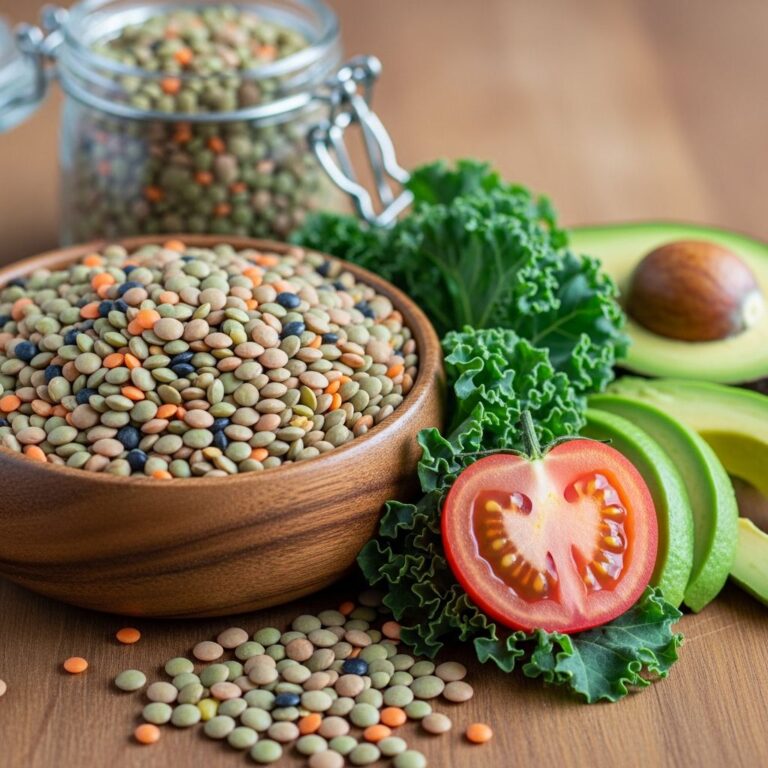
A Mediterranean-style diet is characterized by several key components. It features abundant fresh fruits and vegetables—nature’s pharmacy of vitamins, minerals, and phytonutrients. The diet emphasizes whole-grain carbohydrates, which provide sustained energy and important fiber. Healthy fats from sources like olive oil, tree nuts, and fish replace unhealthy saturated fats from red meat and processed foods. Fish, particularly fatty fish rich in omega-3 fatty acids, replaces red meat as the primary protein source. This dietary pattern naturally reduces inflammation and belly fat while providing excellent nutritional support for long-term health.
Specific foods deserve particular attention for their health benefits. Purple vegetables and fruits containing anthocyanins—the antioxidant compound that gives them their distinctive color—have been found to reduce cancer risk and protect against memory problems and cognitive decline. Adding just 10 grams of dietary fiber to your daily intake can reduce your risk of dying from heart disease by 17 percent. Fiber-rich foods include whole grains, legumes, vegetables, fruits, nuts, and seeds.
A well-balanced diet featuring plenty of natural foods and vegetables provides comprehensive nutritional support for your body’s needs. When you transition to this eating pattern, you’re not just preventing disease—you’re actively investing in vitality, energy, mental clarity, and a longer, more vibrant life.
Additional Factors That Support Longevity
Beyond these four core lifestyle factors, emerging research identifies other important contributors to a long life. Research from Boston and Harvard University found that individuals with great optimism were significantly more likely to live to age 85 and older. Optimistic people demonstrated an 11 to 15% longer lifespan compared to those with more pessimistic outlooks. Cultivating optimism through gratitude practices, positive social connections, meaningful pursuits, and reframing challenges as opportunities may contribute meaningfully to extended lifespan.
Implementing These Changes: A Practical Guide
Understanding these four lifestyle factors is valuable, but implementation is where real health transformation occurs. Start by assessing your current status on each factor. Are you a smoker? What is your current BMI? How many days per week do you exercise? What does your typical diet look like? Honest assessment provides your baseline.
Next, prioritize. If you smoke, making smoking cessation your first goal is recommended by researchers. If you’re sedentary, start with adding just 10 minutes of daily activity and gradually increase. If your diet needs improvement, begin by adding more vegetables and reducing red meat rather than trying to overhaul everything simultaneously. Sustainable change happens gradually.
Consider seeking professional support. Your primary care physician can provide personalized recommendations based on your health status. Registered dietitians can help design a Mediterranean-style eating plan suited to your preferences and cultural background. Personal trainers can design exercise programs appropriate for your fitness level. Smoking cessation counselors and support groups dramatically increase quit rates. You don’t have to navigate these changes alone.
The Bottom Line: Your Longevity is in Your Hands
The Johns Hopkins research delivers an empowering message: your lifespan is not entirely determined by genetics or circumstances beyond your control. While some factors cannot be changed, the four lifestyle factors identified in this research are within your personal control. By not smoking, maintaining a healthy weight, exercising regularly, and eating well—particularly following a Mediterranean-style diet—you can reduce your risk of death from all causes by 80 percent.
This is not about achieving perfection or following rigid rules. It’s about making better choices most of the time. It’s about incremental improvements that compound over years and decades. It’s about investing in yourself and your future. Whether you’re 25 or 75, starting these changes today can meaningfully extend your lifespan and, more importantly, improve your quality of life right now.
Frequently Asked Questions
Q: How soon will I see health benefits from making these changes?
A: You’ll experience some benefits almost immediately. If you quit smoking, your oxygen levels normalize within hours. When you start exercising regularly, many people feel more energetic within days and notice mood improvements within weeks. Better diet choices provide almost immediate benefits in how you feel. Long-term disease prevention benefits accumulate over months and years.
Q: What if I can’t adopt all four factors at once?
A: Start with one or two changes. Researchers indicate that even partial adoption of these lifestyle factors provides significant health benefits. If you must prioritize, smoking cessation should be first. Each factor adds cumulative benefit, so starting somewhere is infinitely better than waiting for the perfect time to begin all four simultaneously.
Q: Is the Mediterranean diet expensive?
A: A Mediterranean diet can be budget-friendly when you focus on seasonal produce, dried legumes, whole grains in bulk, and canned fish. You don’t need expensive supplements or specialty foods. Building meals around affordable vegetables, beans, lentils, and whole grains provides excellent nutrition without breaking your budget.
Q: How much exercise is really needed?
A: The research supports approximately 30 minutes of moderate-intensity activity most days of the week. This can be broken into three 10-minute sessions. If you’re sedentary, start with less and gradually increase. Something is always better than nothing—even light activity provides health benefits.
Q: Can I still enjoy foods I love on a Mediterranean diet?
A: Absolutely. The Mediterranean diet isn’t restrictive; it’s about emphasizing whole foods while enjoying meals with family and friends. You can include moderate amounts of red wine, occasional red meat, and foods you enjoy within the framework of this healthy eating pattern. It’s sustainable because it’s not extreme.
References
- Making these 4 changes can increase your lifespan, Johns Hopkins study finds — ABC7. 2020. https://abc7.com/post/longevity-johns-hopkins-living-longer-study-research/10768412/
- Top 4 ways to live longer — Johns Hopkins University Hub. 2017. https://hub.jhu.edu/at-work/2017/01/19/top-4-ways-to-live-longer/
- Living Longer – 4 Lifestyle Factors Cut Death Risk 80% — Pritikin Longevity Center. https://www.pritikin.com/your-health/healthy-living/prevention/1769-living-longer-4-lifestyle-factors.html
- 4 top ways to live longer — Johns Hopkins University Hub. 2017. https://hub.jhu.edu/at-work/2017/05/23/4-top-ways-to-live-longer/
Similar Articles








Read full bio of Sneha Tete