4 Unexpected Benefits Of Donating Blood For Better Health
Discover surprising health perks like better heart health, free screenings, mental well-being, and community bonds from giving blood regularly.
Donating blood is a selfless act that saves lives—every two seconds, someone in the U.S. needs a transfusion for accidents, surgeries, cancer treatment, or chronic illnesses. But beyond helping others, regular blood donation offers surprising health advantages for donors themselves. From cardiovascular protection to complimentary health checks and emotional rewards, giving blood can enhance your well-being. This article delves into four key unexpected benefits, supported by expert insights and research.
A Healthier Heart and Vascular System
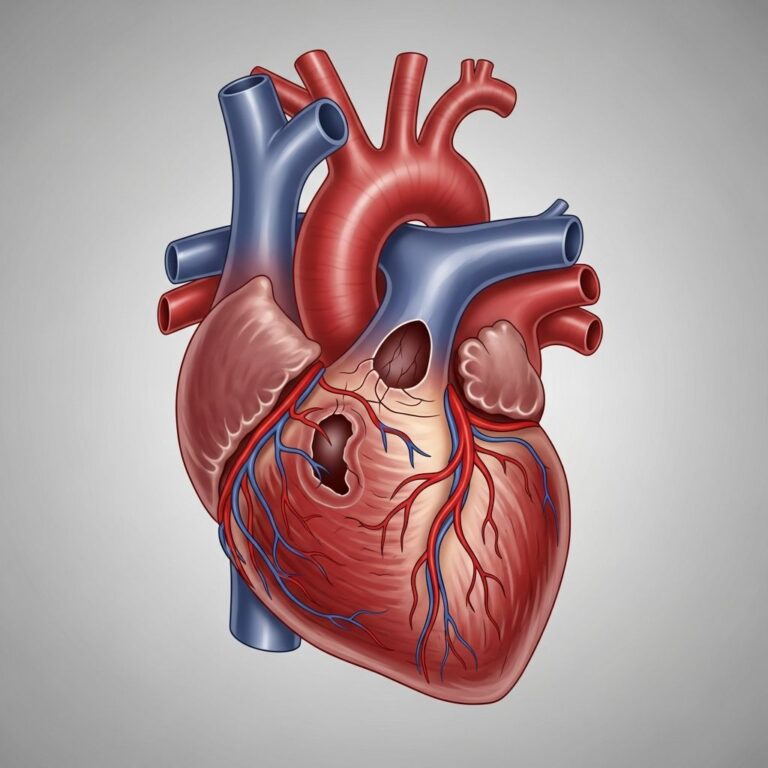
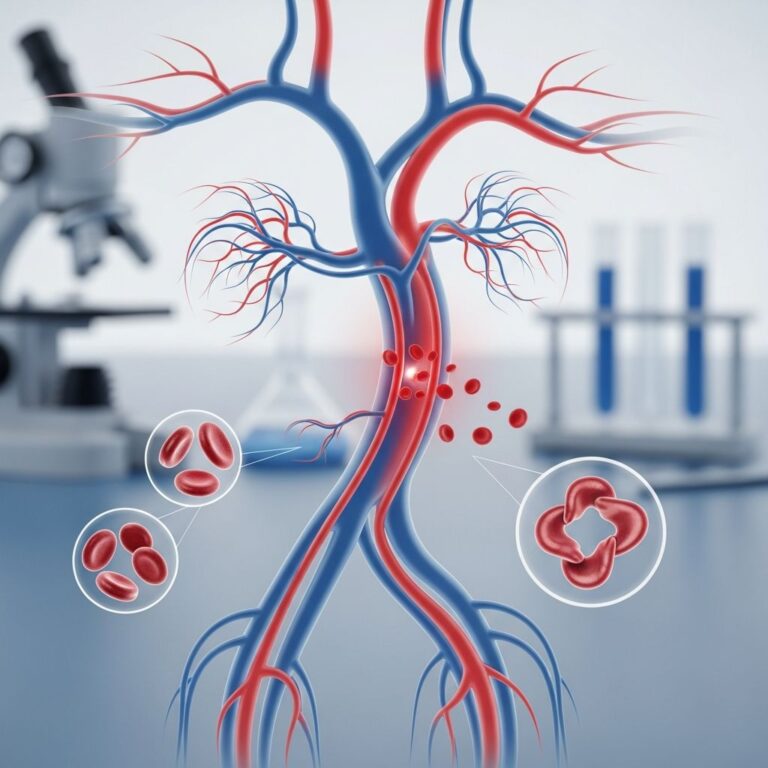
One of the most compelling perks of regular blood donation is its positive impact on heart health. Studies and medical experts link frequent donations to lower blood pressure and reduced risk of heart attacks and strokes. By removing blood, donation decreases hemoglobin levels and blood viscosity, which helps prevent clot formation—a major factor in cardiovascular events.
“If your hemoglobin is too high, blood donation helps to lower the viscosity of the blood, which has been associated with the formation of blood clots, heart attacks, and stroke,” explains Dr. Joseph DeSimone from Columbia University Irving Medical Center. This effect is particularly pronounced in men, as women naturally lose iron through menstruation, mimicking some donation benefits.
A 2019 study of nearly 160,000 female donors over 10 years found long-term, high-frequency donation provided a protective effect against cardiovascular disease. Similarly, a 2015 analysis of 292 donors showed blood pressure improvements, especially among those with hypertension—the more frequent the donations, the greater the drop.
Short-term, donation temporarily reduces blood volume, easing pressure on vessels. Long-term, it may lower iron stores, which in excess can promote oxidative stress and artery damage. For people with hereditary hemochromatosis—an iron overload condition—donation is therapeutic, removing excess iron while supplying usable blood to patients.
- Key cardiovascular wins: Reduced blood pressure, lower clot risk, decreased heart attack probability.
- Who benefits most: Men and those with high iron levels.
- Frequency matters: Aim for every 8-12 weeks if eligible for sustained effects.
Free Health Screenings and Early Detection
Every blood donation includes a complimentary mini-physical, alerting you to potential health issues before symptoms arise. Trained staff check pulse, blood pressure, temperature, and hemoglobin levels. Post-donation, labs test for infectious diseases like HIV, hepatitis, and syphilis, with results shared confidentially.
You also receive your blood type and often cholesterol readings via a donor portal—vital info for emergencies or surgeries. This routine screening can uncover hidden problems like hypertension, anemia, or irregular heartbeats, prompting timely medical follow-up.
“Regular blood donations give donors the opportunity to undergo a mini-physical examination at every blood donation, ensuring you stay informed about your health,” notes Vitalant, a major blood collection organization. For instance, low hemoglobin might signal nutritional deficiencies, while high readings could indicate dehydration or other concerns.
| Vital Sign Checked | What It Reveals |
|---|---|
| Blood Pressure | Hypertension risk |
| Hemoglobin | Anemia or iron overload |
| Pulse/Temperature | Heart irregularities, infections |
| Lab Tests | Infectious diseases, blood type, cholesterol |
Related Stories



These checks are especially valuable amid busy lives when annual doctor visits are skipped. Donating blood turns altruism into a proactive health strategy.
A Happier, Longer Life Through Altruism
The psychological uplift from blood donation is profound. Knowing one donation can save up to three lives fosters purpose, boosts self-esteem, and combats depression. Altruistic acts like volunteering correlate with better mental health and longevity, per multiple studies.
“People who do these types of things and engage in their community tend to have better health and longer lives,” says Dr. Saria Vossoughi. The “helper’s high”—a rush of endorphins—explains part of this, but sustained giving builds resilience against stress.
Research ties volunteering to 22% lower mortality risk. Donors report stronger emotional well-being, with moments of kindness enhancing life satisfaction. During crises like blood shortages, this communal effort amplifies feelings of connection and fulfillment.
- Mental health perks: Reduced depression risk, increased purpose.
- Longevity link: Stronger community ties predict longer life.
- Science-backed: Endorphin release and social bonding hormones like oxytocin.
Strengthening Community Ties and Sense of Belonging
Blood drives unite diverse groups in a shared mission, forging bonds that combat isolation—a known health risk factor. Donating fosters a sense of belonging, with studies showing community-connected individuals live longer.
“Giving blood is a great way to help the most vulnerable… these positive feelings can lead to better health,” says Dr. Elizabeth Stone from NewYork-Presbyterian. Events at workplaces, schools, or centers create solidarity, turning strangers into supporters of life-saving causes.
Every donation aids trauma victims, cancer patients, or new mothers, reinforcing societal compassion. This reciprocity—giving and receiving community support—enhances overall vitality.
Frequently Asked Questions (FAQs)
Who can donate blood?
Healthy individuals aged 17+ (16 with consent in some areas), weighing at least 110 lbs, meeting health criteria. Check local center eligibility.
How often can I donate?
Whole blood: Every 56 days (men), 84 days (women), up to 6 times/year. Platelets/plasma more frequently.
Does donating hurt?
A quick pinch; most feel fine afterward. Hydrate and eat beforehand to minimize dizziness.
Are there side effects?
Rare; temporary fatigue or bruising. Serious reactions under 1%.
Can I donate if I have health conditions?
Some yes (e.g., controlled hypertension), others no. Deferral protects supply safety.
References
- The Surprising Benefits of Donating Blood — Columbia University Irving Medical Center. 2023. https://www.cuimc.columbia.edu/news/surprising-benefits-donating-blood
- The Surprising Benefits of Donating Blood — NewYork-Presbyterian Health Matters. 2023. https://healthmatters.nyp.org/the-surprising-benefits-of-donating-blood/
- Health Benefits of Donating Blood — University Health. 2023. https://www.universityhealth.com/blog/benefits-of-donating-blood
- What Are the Health Benefits of Donating Blood? — Vitalant. 2023. https://www.vitalant.org/blog/blood-donation-basics/what-are-the-health-benefits-of-donating-blood
- Advantages and disadvantages of donating blood — Medical News Today. 2023-10-05. https://www.medicalnewstoday.com/articles/319366
Similar Articles








Read full bio of Sneha Tete