Healthier Egg Salad: 4 Easy Swaps To Cut Calories
Transform your egg salad with smart ingredient swaps for better nutrition.
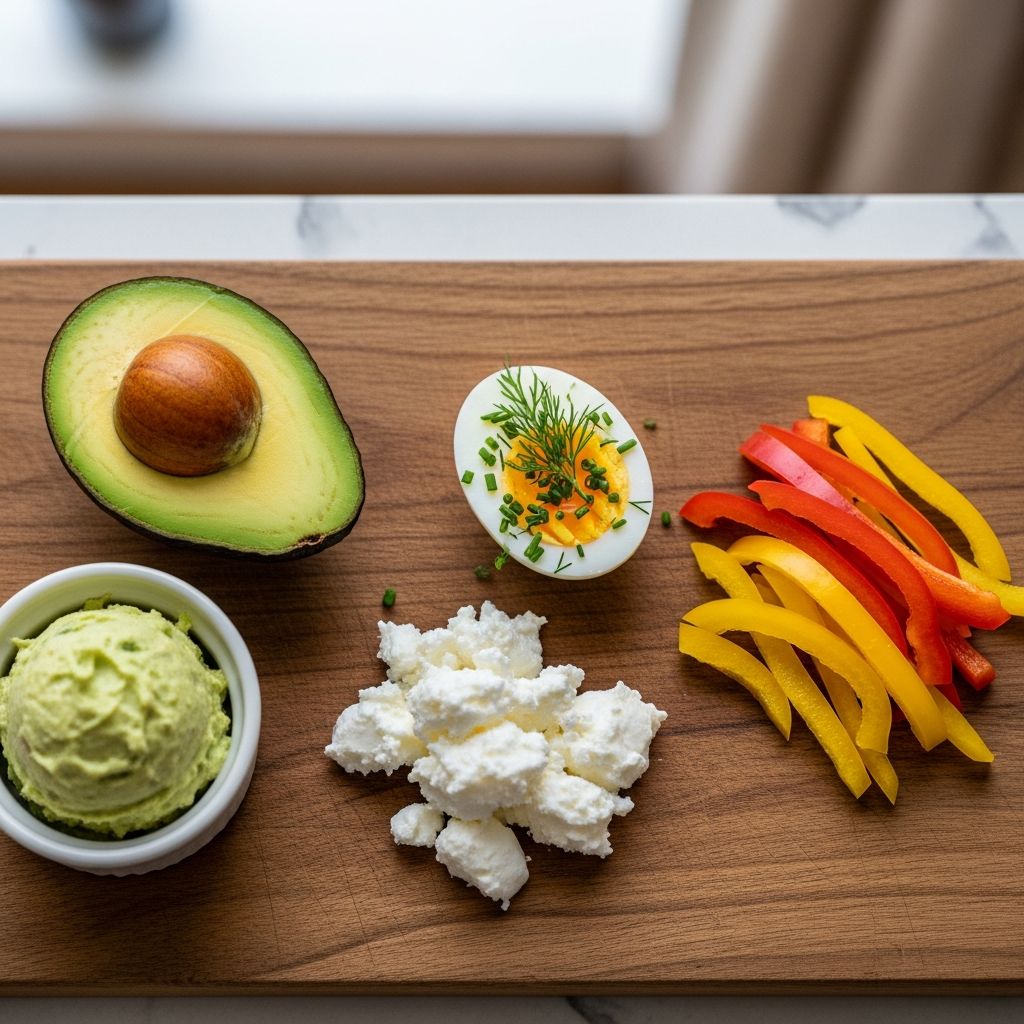
4 Ways to Make Healthier Egg Salad
Egg salad is a classic, convenient lunch option that has been enjoyed for generations. However, traditional egg salad recipes often rely heavily on mayonnaise and other high-fat ingredients, which can make this seemingly simple dish surprisingly calorie-dense. The good news is that you don’t have to abandon this beloved sandwich filling or salad topper. With a few smart ingredient swaps and creative modifications, you can transform your egg salad into a nutritious meal that’s equally satisfying and delicious. Whether you’re looking to reduce calories, cut back on fat, or simply eat a more balanced diet, these four methods will help you create a healthier version of egg salad without sacrificing flavor.
Understanding the Nutrition Challenge
Before diving into the specific methods for making healthier egg salad, it’s important to understand why traditional versions can be problematic from a nutritional standpoint. Eggs themselves are nutritious, providing high-quality protein and important nutrients like choline and lutein. However, the typical preparation method involves mixing eggs with generous amounts of mayonnaise, which is high in calories and saturated fat. A single tablespoon of mayonnaise contains approximately 90 calories and 10 grams of fat, and most egg salad recipes call for several tablespoons per batch. This can quickly turn a healthy protein source into a calorie bomb.
Method 1: Use Greek Yogurt Instead of Mayo
One of the most effective ways to lighten up your egg salad is to replace some or all of the mayonnaise with Greek yogurt. This simple swap dramatically reduces the calorie and fat content while actually increasing the protein content of your dish. Greek yogurt provides a creamy texture and tangy flavor that works beautifully in egg salad, and most people find that it’s a surprisingly seamless substitution.
Why Greek Yogurt Works
- Lower in calories: Plain Greek yogurt contains about 20 calories per tablespoon, compared to 90 calories in mayonnaise
- Higher in protein: Greek yogurt adds extra protein, making your egg salad more satiating
- Creamy texture: Despite being lower in fat, Greek yogurt provides the creamy consistency you expect from egg salad
- Versatile flavor: The slight tanginess complements eggs and traditional egg salad seasonings perfectly
How to Make the Swap
For a basic egg salad using 6 hard-boiled eggs, try starting with 1/4 cup of plain Greek yogurt combined with just 1 tablespoon of mayonnaise. This gives you the best of both worlds—the richness of mayo with the nutritional benefits of Greek yogurt. You can adjust the ratio based on your preferences, gradually increasing the yogurt as you get used to the slightly different taste. Add your usual seasonings like Dijon mustard, salt, pepper, and fresh herbs to enhance the flavor and mask any noticeable difference from the traditional recipe.
Method 2: Incorporate Whole Grain or Seeded Mustard
While reducing the amount of creamy binder is important, you can also add depth and flavor through other condiments. Whole grain mustard and other mustard varieties are virtually calorie-free and add wonderful flavor complexity to egg salad. This method allows you to use less mayo overall while still creating an interesting, flavorful dish.
Benefits of Adding Mustard
- Zero added calories: Mustard adds flavor without significantly impacting calorie count
- Natural flavor enhancer: Spicy and tangy notes complement eggs naturally
- Reduced mayo dependence: Bold flavors from mustard mean you need less creamy binder for satisfaction
- Variety of options: Choose from Dijon, whole grain, spicy brown, or seeded mustards for different flavor profiles
Related Stories



Implementation Tips
Start by adding 1 to 2 teaspoons of whole grain mustard to your egg salad base. Whole grain varieties work particularly well because the visible mustard seeds add texture and visual interest. If you prefer a spicier version, spicy brown mustard provides a nice kick. Dijon mustard offers a more sophisticated, subtle flavor. By incorporating mustard as a primary flavoring agent, you can reduce the overall amount of mayo needed, as you’re getting more taste satisfaction from fewer calories.
Method 3: Load Up on Vegetables and Fresh Herbs
Another excellent approach to creating healthier egg salad is to bulk it up with vegetables and fresh herbs. This method doesn’t necessarily reduce the amount of mayo, but it increases the volume and nutritional content of the dish, reducing the calorie density per serving. You’re essentially stretching your egg salad further, so you need less of the creamy mixture per bite.
Vegetable Options to Consider
| Vegetable | Benefits | Preparation |
|---|---|---|
| Celery | Adds crunch and water content, traditional choice | Finely diced |
| Red Bell Pepper | Sweet flavor, vitamin C, visual appeal | Diced into small pieces |
| Cucumber | Refreshing, hydrating, mild flavor | Diced and drained to remove excess moisture |
| Cherry Tomatoes | Burst of flavor and color, lycopene | Quartered and patted dry |
| Red Onion | Sharp flavor, antioxidants | Finely minced |
| Spinach or Arugula | Greens add nutrients and volume | Chopped or torn into small pieces |
Fresh Herb Additions
Fresh herbs not only add flavor and nutrients but also make your egg salad feel more gourmet and interesting. Consider adding chopped fresh dill, chives, parsley, tarragon, or cilantro. These herbs are virtually calorie-free and add significant flavor. A combination of fresh herbs can make your healthier egg salad taste richer and more complex than the original mayo-heavy version.
The Science Behind This Approach
When you add significant amounts of low-calorie vegetables to your egg salad, you’re increasing the volume without adding many calories. This means you can eat a satisfying portion of egg salad while keeping the overall calorie count reasonable. Additionally, vegetables add fiber, vitamins, and minerals, making your egg salad nutritionally superior to the traditional version. The water content in vegetables also helps create a lighter, less dense final product.
Method 4: Use Avocado as a Creamy Binder
For those looking for a more dramatic transformation, using avocado instead of mayonnaise offers a completely different approach to creating a creamy egg salad. While avocado does contain fat, it’s primarily unsaturated fat, which is beneficial for heart health. Avocado also adds creaminess, richness, and important nutrients without the same calorie density as mayonnaise.
Why Choose Avocado
- Healthy fats: Avocado is high in monounsaturated fats, which support heart health
- Rich nutrient profile: Avocados contain potassium, vitamins K, C, and E, and folate
- Natural creaminess: Avocado provides a luxurious texture without added oils or eggs
- Natural flavor: Mild, buttery flavor complements eggs beautifully
- Fewer calories than mayo: About 45 calories per tablespoon vs. 90 in mayo
How to Make Avocado Egg Salad
To create an avocado-based egg salad, mash one ripe avocado and combine it with your chopped hard-boiled eggs. Add a squeeze of fresh lemon juice, which prevents browning and adds brightness. Season with salt, pepper, and your favorite herbs. You can add a small amount of Greek yogurt if you want additional creaminess, or keep it simple with just the avocado. This version works wonderfully on whole grain toast, crackers, or salad greens. One important note: avocado-based egg salad is best consumed the day it’s made, as avocado can brown and the texture can change over time.
Combining Multiple Methods
For maximum nutrition and flavor, you don’t have to stick to just one method. Many successful healthier egg salad recipes combine multiple strategies. For example, you might use half Greek yogurt and half a small amount of mayo as your base, add whole grain mustard for flavor, incorporate plenty of fresh vegetables and herbs, and include a small amount of mashed avocado for richness. The key is finding the combination that works best for your taste preferences and dietary goals.
Additional Tips for Success
Hard-Boiling Eggs Properly
The foundation of great egg salad starts with properly cooked eggs. To hard-boil eggs, place them in a pot of water, bring to a boil, then remove from heat and cover for 12 minutes. Transfer to ice water to cool completely. Properly cooked eggs should have a bright yellow yolk with no gray-green ring, which indicates overcooking.
Seasoning for Flavor
When using less mayo and healthier ingredients, seasoning becomes even more important. Don’t skimp on salt, pepper, mustard, and fresh herbs. These flavor elements make the difference between a disappointing lighter version and a genuinely delicious healthier egg salad.
Texture Considerations
The texture of your egg salad depends on how finely you chop the eggs and vegetables. For a chunky salad, use coarser cuts. For a smoother spread, chop more finely. Finer chopping also helps the creamy base coat everything more evenly.
Frequently Asked Questions
Q: Can I make healthier egg salad ahead of time?
A: Yes, most healthier egg salad recipes keep well in the refrigerator for 3-4 days. However, if you’re using avocado, it’s best to assemble just before eating or add avocado shortly before serving. Store in an airtight container and keep refrigerated.
Q: Is mayo-free egg salad really that different in taste?
A: When you replace mayo with Greek yogurt and add flavorful ingredients like mustard and fresh herbs, most people find the taste is just as satisfying, if not more interesting. The key is not reducing mayo to zero suddenly, but gradually adjusting your palate.
Q: Can I use regular yogurt instead of Greek yogurt?
A: While you can use regular yogurt, Greek yogurt is preferable because it’s thicker and has more protein. Regular yogurt may make the egg salad too watery. If using regular yogurt, strain it through cheesecloth first or use it in a smaller proportion.
Q: What vegetables work best in egg salad?
A: Celery is traditional, but red bell peppers, cucumbers, red onion, and fresh herbs all work wonderfully. The key is chopping them into appropriately small pieces and, for watery vegetables like cucumber, removing excess moisture before adding.
Q: How many calories does healthier egg salad have compared to traditional?
A: Traditional egg salad with six eggs and three tablespoons of mayo can have 400+ calories per cup. Healthier versions using Greek yogurt, vegetables, and reduced mayo can cut this to 250-300 calories per cup, depending on specific ingredients used.
Q: Can I make egg salad without any mayo at all?
A: Absolutely. Greek yogurt, avocado, or a combination of mustard and a small amount of oil can create a satisfying egg salad without traditional mayo. Experiment to find your preferred flavor and texture.
References
- Dietary Guidelines for Americans 2020-2025 — U.S. Department of Agriculture and Department of Health and Human Services. 2020. https://www.dietaryguidelines.gov/
- Eggs and Heart Health — American Heart Association. 2024. https://www.heart.org/
- Greek Yogurt Nutritional Profile and Health Benefits — Academy of Nutrition and Dietetics. 2023. https://www.eatright.org/
- Monounsaturated Fats and Cardiovascular Health — Journal of the American Heart Association. 2022. https://www.ahajournals.org/
- Food Composition Database — U.S. Department of Agriculture. 2024. https://fdc.nal.usda.gov/
Similar Articles








Read full bio of medha deb