Tension Headaches: 4 Effective Ways To Tame Them
Discover effective strategies to manage and prevent tension headaches with expert-backed tips and lifestyle changes.
Understanding Tension Headaches
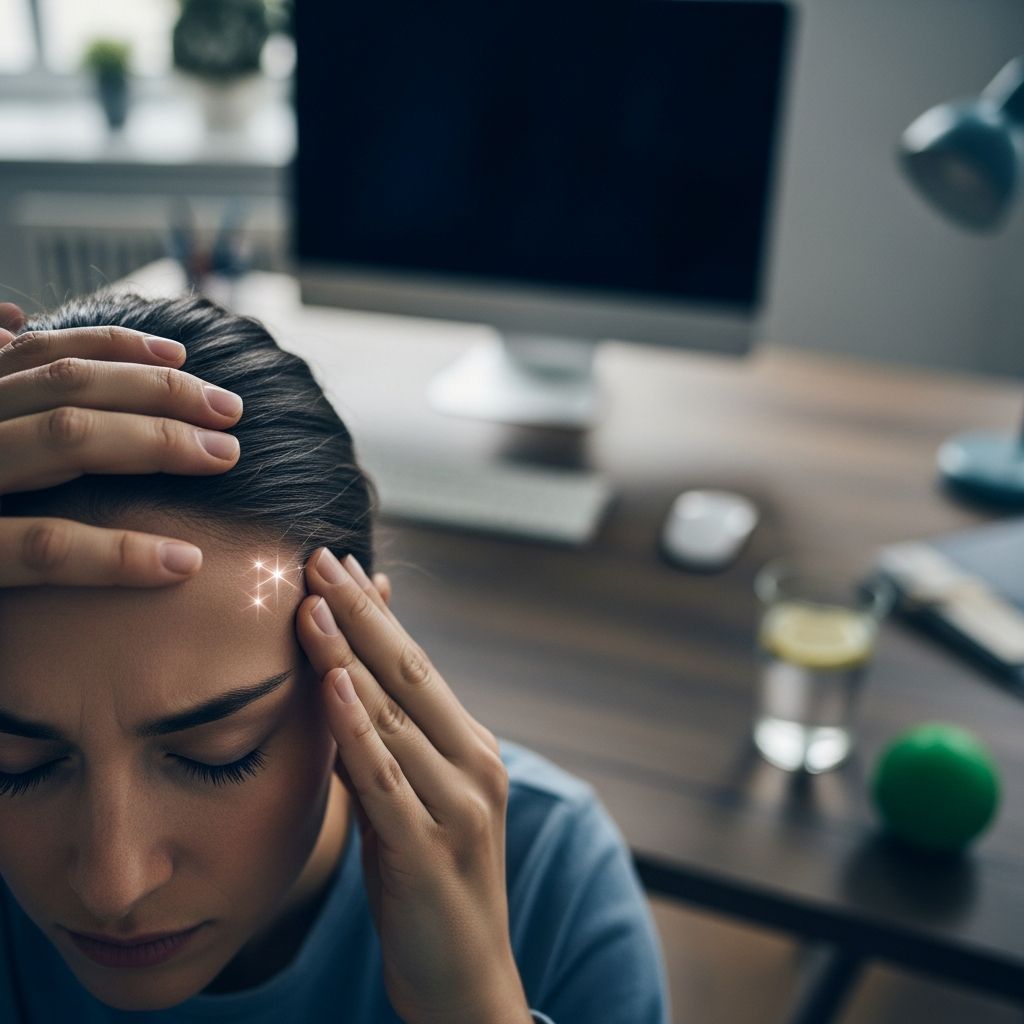
Tension headaches are the most common type of headache, affecting millions of people worldwide. Unlike migraines, which are often accompanied by nausea, vomiting, and sensitivity to light, tension headaches typically present as a dull, aching pain that feels like a tight band around the head. These headaches can last anywhere from 30 minutes to several days and are often triggered by stress, poor posture, or muscle tension in the neck and shoulders.
Common Causes of Tension Headaches
Tension headaches are usually caused by a combination of factors, including:
- Stress and anxiety
- Poor posture
- Eye strain
- Lack of sleep
- Dehydration
- Skipping meals
- Excessive caffeine or alcohol consumption
4 Ways to Tame Tension Headaches
1. Manage Stress Effectively
Stress is one of the leading triggers of tension headaches. Learning to manage stress can significantly reduce the frequency and severity of these headaches.
Stress Reduction Techniques
- Mindfulness Meditation: Practicing mindfulness meditation for just 10-15 minutes a day can help calm the mind and reduce stress levels.
- Deep Breathing Exercises: Deep breathing can activate the body’s relaxation response, helping to alleviate tension and promote a sense of calm.
- Progressive Muscle Relaxation: This technique involves tensing and then relaxing different muscle groups in the body, which can help release physical tension.
- Regular Exercise: Physical activity, such as walking, swimming, or yoga, can help reduce stress and improve overall well-being.
2. Improve Your Posture
Poor posture, especially when sitting at a desk or using electronic devices, can contribute to tension headaches. Maintaining good posture can help prevent these headaches.
Tips for Better Posture
- Sit Up Straight: Keep your back straight and your shoulders relaxed. Avoid slouching or leaning forward.
- Adjust Your Workstation: Ensure your computer screen is at eye level and your chair supports your lower back.
- Take Breaks: Stand up and stretch every hour to prevent muscle stiffness.
- Stretch Your Neck and Shoulders: Regular stretching can help relieve tension in these areas.
3. Use Medication Wisely
Over-the-counter pain relievers can provide temporary relief from tension headaches. However, it’s important to use these medications wisely to avoid overuse and potential side effects.
Common Medications for Tension Headaches
- Acetaminophen (Tylenol): Effective for mild to moderate pain.
- Ibuprofen (Advil, Motrin): Helps reduce inflammation and relieve pain.
- Aspirin: Can be used for pain relief, but should be avoided in children and teenagers.
Medication Safety Tips
- Follow the recommended dosage on the label.
- Avoid using pain relievers more than two or three days a week to prevent medication-overuse headaches.
- Consult a healthcare professional if headaches persist or worsen.
4. Make Lifestyle Changes
Adopting healthy lifestyle habits can help prevent tension headaches and improve overall health.
Lifestyle Tips for Headache Prevention
- Stay Hydrated: Drink plenty of water throughout the day to prevent dehydration, a common headache trigger.
- Eat Regular Meals: Skipping meals can lead to low blood sugar, which may trigger headaches.
- Get Enough Sleep: Aim for 7-9 hours of quality sleep each night.
- Limit Caffeine and Alcohol: Excessive consumption of these substances can contribute to headaches.
- Practice Good Sleep Hygiene: Establish a regular sleep schedule and create a relaxing bedtime routine.
Related Stories



When to See a Doctor
While most tension headaches can be managed with self-care, it’s important to seek medical attention if you experience any of the following:
- Headaches that are severe or worsening
- Headaches that occur more frequently
- Headaches accompanied by other symptoms, such as fever, stiff neck, confusion, or vision changes
- Headaches that interfere with daily activities
FAQs About Tension Headaches
What is the difference between a tension headache and a migraine?
Tension headaches are characterized by a dull, aching pain that feels like a tight band around the head. Migraines, on the other hand, are often accompanied by nausea, vomiting, and sensitivity to light and sound. Migraines can also cause visual disturbances and are typically more severe than tension headaches.
Can tension headaches be prevented?
Yes, tension headaches can often be prevented by managing stress, maintaining good posture, staying hydrated, eating regular meals, and getting enough sleep. Making these lifestyle changes can significantly reduce the frequency and severity of tension headaches.
Are there any natural remedies for tension headaches?
Yes, natural remedies such as applying heat or ice to the affected area, practicing relaxation techniques, and using essential oils like peppermint or lavender can help relieve tension headache symptoms. However, it’s important to consult a healthcare professional before trying any new remedy.
Can medication-overuse headaches occur?
Yes, using pain relievers more than two or three days a week can lead to medication-overuse headaches. These headaches can be more difficult to treat and may require a change in medication or treatment plan.
Conclusion
Tension headaches are a common and often manageable condition. By understanding the causes and triggers, managing stress, improving posture, using medication wisely, and making healthy lifestyle changes, you can effectively tame tension headaches and improve your quality of life. If headaches persist or worsen, it’s important to seek medical attention to rule out any underlying conditions.
References
- Headaches and Relief Video & Transcript — Brigham and Women’s Hospital. 2023. https://www.brighamandwomens.org/neurology/videos/headaches-and-relief-video-transcript
- Tension Headache Treatment Tips — Excedrin. 2023. https://www.excedrin.com/headache-and-migraine-academy/headaches/headache-treatment/tension-headache-treatments/
Similar Articles








Read full bio of medha deb