5 Health Benefits Of Mushrooms For Heart, Brain, Immunity
Discover five powerful ways mushrooms boost your health, from cancer protection to immune support and brain health.
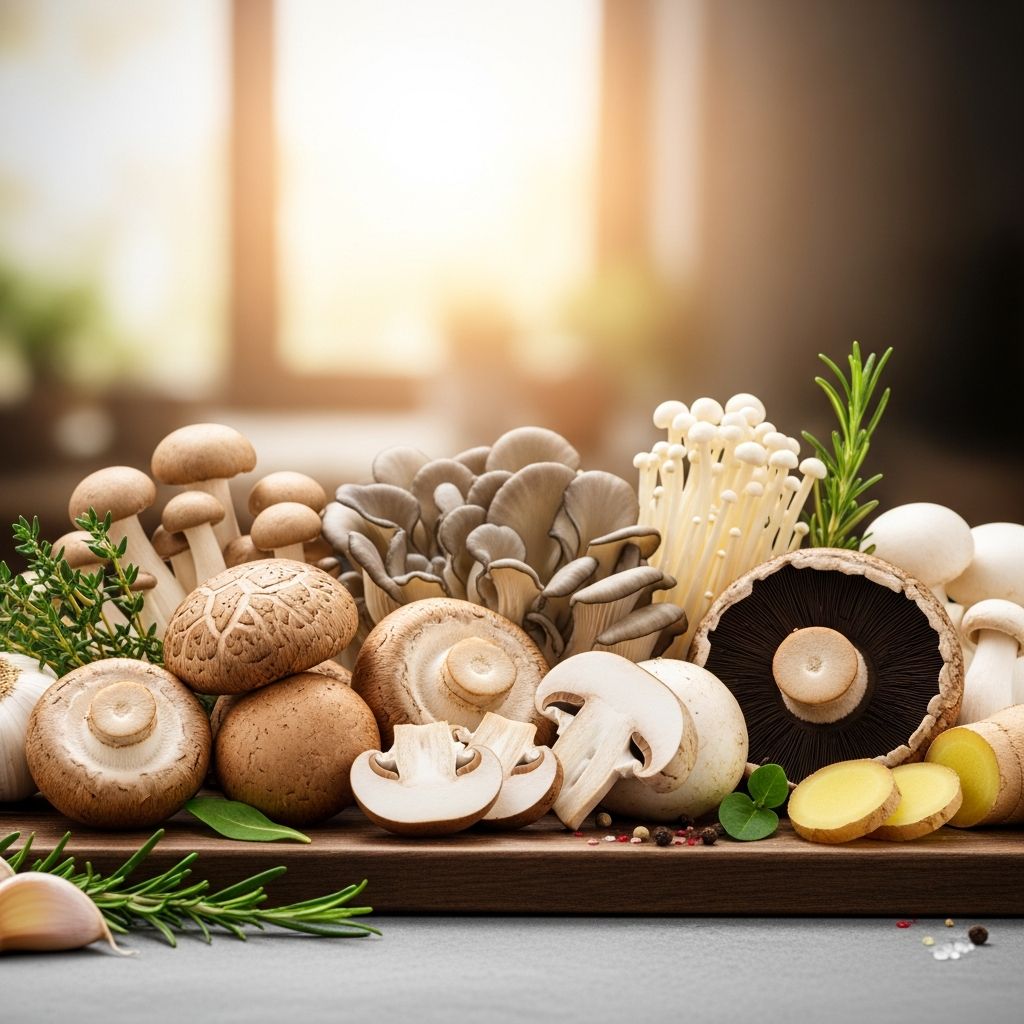
Mushrooms are more than just a versatile ingredient in your favorite dishes—they’re nutritional powerhouses packed with antioxidants, vitamins, and unique compounds that support overall health. From warding off cancer to bolstering brain function, these fungi offer compelling benefits supported by research. This article dives into five key health advantages, drawing from credible studies and expert insights, and provides practical tips for incorporating mushrooms into your diet.
1. Mushrooms May Decrease Your Risk of Cancer
One of the most exciting health perks of mushrooms is their potential to reduce cancer risk. A comprehensive review of 17 studies spanning 1966 to 2020 found that consuming just 18 grams of mushrooms daily—about two medium mushrooms or 1/8 cup—could lower cancer risk by up to 45%. This protective effect stems from ergothioneine, a potent antioxidant amino acid in mushrooms that prevents cellular damage and shields cells from oxidative stress.
Glutathione, another powerful antioxidant abundant in mushrooms, works alongside ergothioneine to support immune function and combat chronic diseases linked to aging—earning ergothioneine the nickname ‘longevity nutrient’. In Japan, reishi mushrooms are even used in cancer treatments, highlighting their therapeutic potential. Varieties like white button, shiitake, and oyster mushrooms show particular promise in lab and population studies.
Early animal and lab research on white mushrooms (Agaricus bisporus) suggests they may slow certain cancer forms, while polysaccharides in mushrooms exhibit anti-neoplastic properties. To maximize benefits, aim for 1-2 cups weekly, as studies link this intake to significant risk reduction.
2. Mushrooms Promote Heart Health
Mushrooms are heart-friendly superstars, low in sodium, calories, and fat while rich in potassium and beta-glucans. These compounds help prevent plaque buildup in arteries, lower cholesterol, and reduce blood pressure and inflammation. Shiitake mushrooms specifically inhibit cholesterol production, block its absorption, and decrease blood levels overall.
Substituting mushrooms for half the ground beef in recipes cuts sodium, fat, and calories without sacrificing flavor or nutrients—a simple swap for better cardiovascular health. One serving (about five medium mushrooms) provides key nutrients like niacin for red blood cell health, selenium against cell damage, and potassium for proper heart muscle function.
Research emphasizes mushrooms’ role in maintaining healthy cholesterol profiles, making them an excellent meat alternative. Portabella or shiitake varieties amplify these effects, supporting long-term heart protection.
3. Mushrooms Support Brain Health
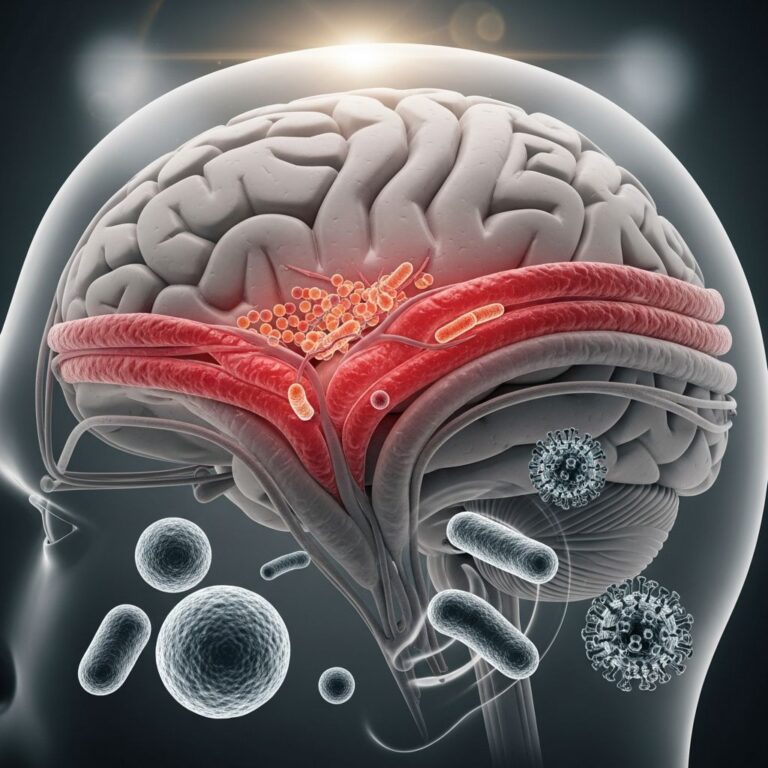
Regular mushroom consumption may safeguard cognitive function and protect against neurodegenerative diseases. A Singapore study showed that eating more than two cups weekly reduced mild cognitive impairment (MCI)—a precursor to Alzheimer’s—by 50%, with even one cup offering benefits. Participants consumed golden, oyster, shiitake, and white button mushrooms.
Antioxidants and B vitamins in mushrooms support neurotransmitter function, potentially lowering risks of Alzheimer’s and Parkinson’s. Lion’s mane mushrooms show promise in protecting neurological damage and promoting nerve growth, crucial for conditions like multiple sclerosis. Ergothioneine and other compounds contribute to brain cell growth and neurological health.
Related Stories



These findings underscore mushrooms’ role in brain protection, especially as populations age. Incorporate a variety for optimal neurotransmitter support and cognitive resilience.
4. Mushrooms Boost Immune Function
Mushrooms are immune system allies, providing selenium, vitamin D, vitamin B6, and copper. Selenium in cremini and portabella mushrooms creates antioxidant enzymes to prevent cell damage. Vitamin D in maitake boosts cell growth, reduces inflammation, and fights bacteria/viruses—mushrooms convert ergosterol to vitamin D under UV light.
Shiitake offers vitamin B6 for red blood cell, protein, and DNA formation. One serving meets significant daily values: vitamin D (up to 100% with UV exposure), selenium, and copper for comprehensive defense. Polysaccharides act as prebiotics, enhancing gut microbiota balance and suppressing harmful bacteria.
PubMed research confirms mushrooms’ anti-inflammatory and antiviral effects via pro-inflammatory mediator inhibition. Recipes like one-pan chicken with Baby Bellas deliver triple immune support.
5. Mushrooms Promote a Healthy Gut and More
Beyond the top benefits, mushrooms foster gut health with fiber and polysaccharides that resist stomach acid, reaching the colon to stimulate beneficial bacteria and improve insulin resistance. This prebiotic activity enhances gut homeostasis and microbiota balance.
They’re also micronutrient-rich: B vitamins (B2, B3, B5, B9) for cell growth, hair, skin, nails, brain, and heart health. Low-calorie (20 per cup raw) and high in potassium, they support overall wellness. Varieties like white, Baby Bella, and shiitake provide riboflavin (30% DV), niacin (20%), and pantothenic acid (25%) for energy metabolism.
How to Get More Mushrooms in Your Diet
Easy ways to eat mushrooms daily:
- Sauté as a meat substitute: Chop and mix into burgers, tacos, or stir-fries for umami flavor and nutrition.
- UV-boost vitamin D: Place mushrooms gill-side up in sunlight or UV light for 15-30 minutes before cooking.
- Add to soups and salads: Raw or roasted for texture and antioxidants.
- Try varieties: Shiitake for cholesterol control, maitake for vitamin D, lion’s mane for brain health.
- One-pan recipes: Chicken with Baby Bellas or portabella fajitas for heart and immune perks.
Aim for 1-2 cups weekly to unlock benefits. Always choose fresh, edible varieties and consult a doctor for specific health concerns.
Frequently Asked Questions (FAQs)
Are all mushrooms safe to eat?
Stick to culinary varieties like button, shiitake, oyster, and portabella from reputable sources. Wild mushrooms can be toxic—never forage without expert guidance.
How much vitamin D do mushrooms provide?
UV-exposed mushrooms can supply 100% daily value, making them a top plant-based source.
Can mushrooms help with weight loss?
Yes, low-calorie and satiating, they replace higher-fat meats effectively.
Which mushrooms are best for immunity?
Cremini/portabella for selenium, maitake for vitamin D, shiitake for B6.
Do mushrooms cause allergies?
Rare, but those with mold allergies should monitor intake.
References
- 7 health benefits of mushrooms — UCLA Health. 2023. https://www.uclahealth.org/news/article/7-health-benefits-of-mushrooms
- Five Health Benefits of Mushrooms — Cedars-Sinai. 2023. https://www.cedars-sinai.org/stories-and-insights/healthy-living/five-health-benefits-of-mushrooms
- Mushrooms make healthy meal magic — Mayo Clinic Health System. 2023. https://www.mayoclinichealthsystem.org/hometown-health/speaking-of-health/mushrooms-make-healthy-meal-magic
- Health Benefits of Mushrooms — Monterey Mushrooms. 2023. https://www.montereymushrooms.com/mushroom-health-benefits
- Mushrooms as future generation healthy foods — PubMed Central/NIH. 2022-12-01. https://pmc.ncbi.nlm.nih.gov/articles/PMC9763630/
Similar Articles








Read full bio of medha deb