5 Best Exercises For Heart, Strength, Balance, Mobility
Discover the five most effective exercises recommended by Harvard experts for optimal health and fitness.
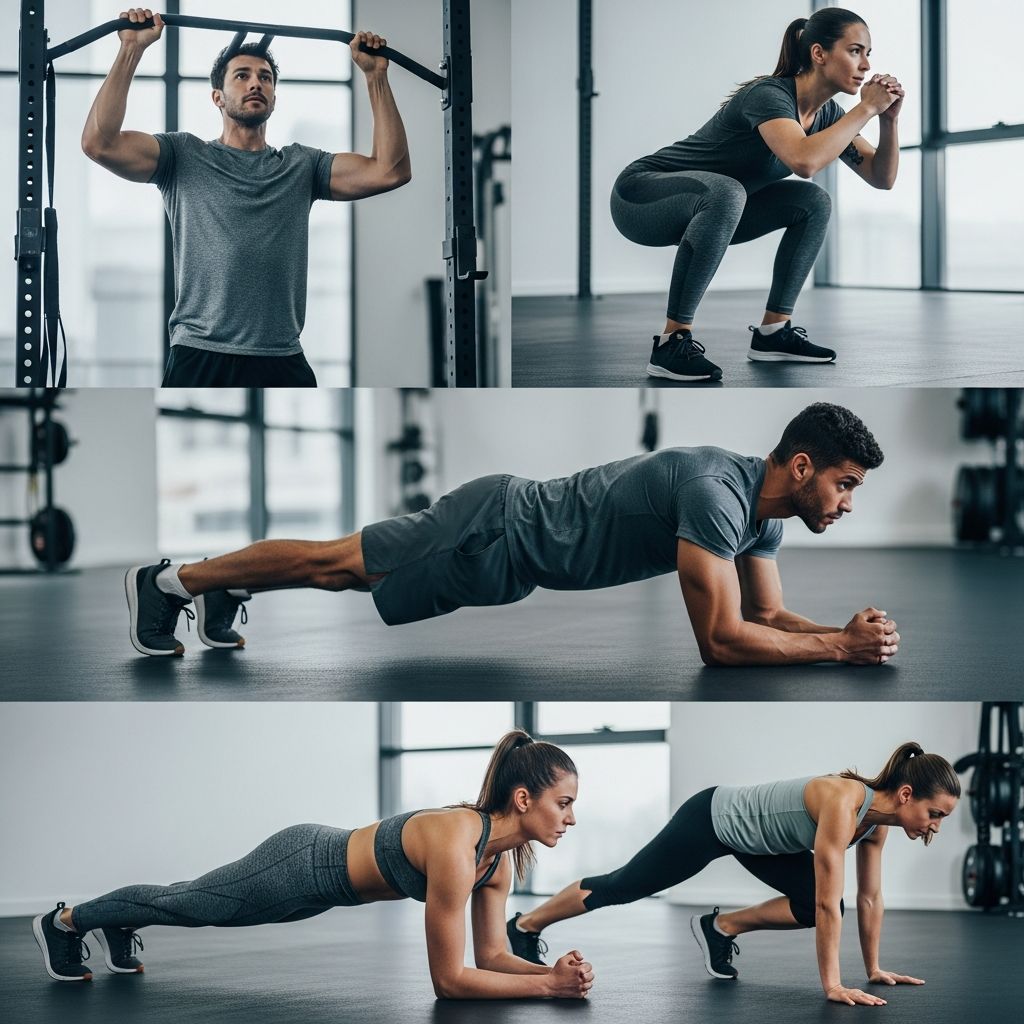
5 of the Best Exercises You Can Ever Do
When it comes to staying healthy and fit, not all exercises are created equal. While many people assume that running marathons or spending countless hours at the gym is the key to optimal health, Harvard Medical School experts suggest otherwise. According to I-Min Lee, a professor of medicine at Harvard Medical School, there are five specific types of exercises that deliver exceptional benefits for your body and mind. These exercises generate substantial benefits ranging from weight loss and muscle building to protecting your heart and brain while strengthening your bones. Unlike long-distance running, which can strain your joints and digestive system, the exercises recommended by Harvard offer a more sustainable and comprehensive approach to fitness.
Swimming: The Perfect Full-Body Workout
Swimming stands out as one of the most effective exercises you can incorporate into your fitness routine. The authors of the Harvard Healthbeat newsletter describe swimming as “the perfect workout,” and for good reason. This exercise works nearly every muscle in your body simultaneously while providing extraordinary cardiovascular benefits. When you swim, your heart rate increases significantly, improving overall heart health and protecting your brain from age-related decline. One of swimming’s greatest advantages is that it’s nearly strain-free on your joints.
The weightless environment created by being in water makes swimming an ideal exercise for individuals with arthritis or joint pain. “Swimming is good for individuals with arthritis because it’s less weight-bearing,” explained I-Min Lee in the Harvard Healthbeat newsletter. When practiced regularly for at least 30 to 45 minutes at a time, swimming constitutes aerobic exercise—a form of physical activity supported by extensive recent research to help battle depression, lift mood, and reduce stress.
Key Benefits of Swimming:
- Works nearly every muscle in the body
- Improves cardiovascular health and heart rate efficiency
- Protects brain function and reduces age-related cognitive decline
- Provides low-impact, joint-friendly exercise
- Reduces symptoms of depression and anxiety when done regularly
- Ideal for individuals with arthritis or joint pain
Tai Chi: The Moving Meditation
Tai chi, also known as tai chi chuan, represents a traditional Chinese martial art that combines a series of graceful, flowing movements into a form of moving meditation. This ancient practice involves slow, gentle movements performed with intense focus and special attention to deep breathing patterns. One of tai chi’s greatest strengths lies in its accessibility—practitioners move at their own pace, making it suitable for individuals regardless of age or fitness level.
For older adults, tai chi provides particularly valuable benefits. “Tai chi is particularly good for older people because balance is an important component of fitness, and balance is something we lose as we get older,” noted Professor Lee. As people age, maintaining balance becomes increasingly important for preventing falls and injuries. Tai chi directly addresses this concern by training the body’s balance systems while simultaneously promoting mental clarity and emotional well-being through its meditative aspects.
Why Tai Chi Matters for Your Health:
- Improves balance and coordination, especially important for aging adults
- Enhances mental focus and concentration
- Reduces stress through meditative movement
- Accessible for all fitness levels and ages
- Promotes body awareness and proprioception
- Combines physical exercise with mental wellness benefits
Strength Training: Building Resilient Muscles
Strength training forms a fundamental pillar of any comprehensive fitness program. At its most basic level, strength training involves using weight to create resistance against gravity. This weight can take many forms—your own body weight, free weights like barbells or dumbbells, elastic bands, or weighted ankle cuffs. The beauty of strength training lies in its flexibility and adaptability to different fitness goals and current fitness levels.
Research indicates that you can achieve excellent results using either heavy weights with fewer repetitions or lighter weights with more repetitions to build stronger, more resilient muscles. Chris Jordan, the exercise physiologist who created the viral “Johnson & Johnson Official 7 Minute Workout,” recommends that healthy adults incorporate resistance training on two to three of the four to five days per week that they work out. For those interested in maximizing efficiency, high-intensity interval training (HIIT) combines the cardiovascular benefits of cycling or running with resistance training to achieve comparable or superior results.
Regardless of which strength training approach you choose, one principle remains paramount: consistency. “To achieve results, consistency is key,” emphasized Jordan. The most effective strength training program is the one you’ll actually maintain over time. Whether you prefer traditional weightlifting, bodyweight exercises, or HIIT workouts, the key to success lies in regular participation and gradual progression.
Strength Training Approaches:
- Heavy weights with lower repetitions for muscle building
- Lighter weights with higher repetitions for endurance and tone
- Bodyweight exercises requiring no equipment
- Elastic band resistance training for joint-friendly workouts
- High-intensity interval training combining cardio and resistance
- Resistance exercises enhancing bone density and preventing osteoporosis
Walking: Simple Yet Powerful Medicine
Walking often gets overlooked as a legitimate form of exercise, yet it represents one of the most accessible and effective activities for improving health. While walking might sound insignificant compared to more intense workouts, it can deliver powerful health benefits when done consistently. Harvard experts recognize walking as a practical, sustainable form of physical activity that fits easily into daily life.
If you don’t currently exercise regularly, Harvard professionals recommend starting your walking routine with 10 to 15-minute treks and gradually building up to 30 or 60-minute hikes. This gradual progression prevents injury and burnout while allowing your body to adapt to increased activity. Walking requires no special equipment, can be done almost anywhere, and provides significant cardiovascular and mental health benefits. Research supports that moderate-intensity walking, when performed regularly, substantially improves overall health outcomes and can be particularly beneficial for individuals beginning an exercise program.
Walking Progression Plan:
- Beginners: Start with 10-15 minute walks
- Intermediate: Progress to 20-30 minute walks
- Advanced: Build to 45-60 minute hikes
- Maintain consistency at your comfortable level
- Gradually increase pace and terrain difficulty
Kegel Exercises: Strengthening Your Foundation
Kegel exercises, though often discussed privately, represent an important fitness component for both men and women. These exercises specifically target and strengthen the pelvic floor muscles—a group commonly including the uterus, bladder, small intestine, and rectum. As people age, these muscles naturally weaken, potentially leading to various complications. By maintaining pelvic floor strength through regular Kegel exercises, individuals can prevent embarrassing accidents like bladder leakage and the unintentional passing of gas.
The proper technique for performing Kegels involves squeezing the muscles you would use to hold in urine or gas, according to Harvard recommendations. Hold this contraction for two to three seconds, release, and repeat ten times. For optimal results, Harvard experts recommend performing this sequence four to five times daily. This simple yet effective exercise requires no equipment and can be performed anywhere—at your desk, while driving, or watching television. The consistent practice of Kegels throughout life can significantly impact quality of life and functional independence, particularly as people age.
Kegel Exercise Instructions:
- Identify the correct muscles—those used to stop urination
- Squeeze the pelvic floor muscles firmly
- Hold the contraction for 2-3 seconds
- Release and relax completely
- Repeat 10 times per set
- Perform 4-5 sets daily for best results
Comparing the Five Recommended Exercises
Understanding how these five exercises complement each other helps in creating a balanced fitness routine. Each offers distinct benefits while contributing to overall health and wellness:
| Exercise | Primary Benefits | Best For | Duration |
|---|---|---|---|
| Swimming | Full-body muscle work, cardiovascular health, brain protection | Joint pain, arthritis, depression | 30-45 minutes |
| Tai Chi | Balance, flexibility, stress reduction | Older adults, fall prevention | 20-30 minutes |
| Strength Training | Muscle building, bone density, metabolism | All ages, bone health | 20-30 minutes |
| Walking | Cardiovascular health, accessibility | Beginners, recovery | 10-60 minutes |
| Kegel Exercises | Pelvic floor strength, incontinence prevention | All ages, functional health | 5-10 minutes (4-5 times daily) |
Getting Started with Your Exercise Program
Beginning a new exercise routine doesn’t require overwhelming changes or extreme measures. Harvard experts recommend starting slowly and building gradually, regardless of your current fitness level. The most important principle is consistency—regular participation in any of these five exercises delivers better results than sporadic intense workouts.
Consider combining different exercises throughout your week. For example, you might walk on Monday and Wednesday, swim on Tuesday and Thursday, incorporate strength training on two days, practice tai chi on weekends, and perform Kegel exercises daily. This balanced approach ensures comprehensive fitness development while preventing overuse injuries and maintaining motivation through variety.
Remember that exercise benefits extend far beyond physical appearance. Regular physical activity improves mental health, enhances sleep quality, boosts mood, and reduces anxiety and depression. The five exercises recommended by Harvard Medical School offer a scientifically-supported path to better health, greater longevity, and improved quality of life.
Frequently Asked Questions
Q: How often should I perform these exercises?
A: For optimal results, Harvard recommends combining these exercises throughout your week. Aim for at least 150 minutes of moderate-intensity activity weekly, which can be distributed across swimming, walking, tai chi, and strength training. Kegel exercises should be performed daily—four to five times per day.
Q: Can I do all five exercises in one week?
A: Yes, absolutely. A well-balanced fitness routine might include swimming twice weekly, strength training twice weekly, tai chi once or twice weekly, daily walking, and Kegel exercises performed daily. This combination provides comprehensive fitness benefits across all body systems.
Q: Are these exercises suitable for beginners?
A: Yes, all five exercises can be adapted for beginners. Start with shorter durations and lower intensities, then progress gradually. Walking is particularly beginner-friendly, while tai chi’s self-paced nature makes it accessible for all fitness levels.
Q: Which exercise is best for joint pain?
A: Swimming is the best option for joint pain because it’s low-impact and weight-bearing free. The buoyancy of water supports your body while allowing full range of motion without stressing joints.
Q: How long before I see results?
A: You may notice improved mood and energy within days of starting regular exercise. Physical changes like increased muscle tone and cardiovascular improvements typically appear within 2-4 weeks of consistent effort.
Q: Do I need equipment for these exercises?
A: Walking and Kegel exercises require no equipment. Tai chi requires only open space. Swimming requires pool access. Strength training can use bodyweight, dumbbells, resistance bands, or weight machines—you have many options regardless of resources.
References
- 5 of the Best Exercises You Can Ever Do — Harvard Medical School. 2024. https://www.health.harvard.edu/staying-healthy/5-of-the-best-exercises-you-can-ever-do
- Health benefits of physical activity: the evidence — National Institutes of Health, National Center for Biotechnology Information. 2006. https://www.ncbi.nlm.nih.gov/pmc/articles/PMC1402378/
- How Does Exercise Improve Mental Health? — HelpGuide. 2024. https://www.helpguide.org/wellness/fitness/the-mental-health-benefits-of-exercise
Similar Articles








Read full bio of Sneha Tete