5 Exercises You Can Do at Home to Reduce Inflammation
Discover five simple, effective home exercises to combat chronic inflammation, boost mobility, and support overall health without gym equipment.
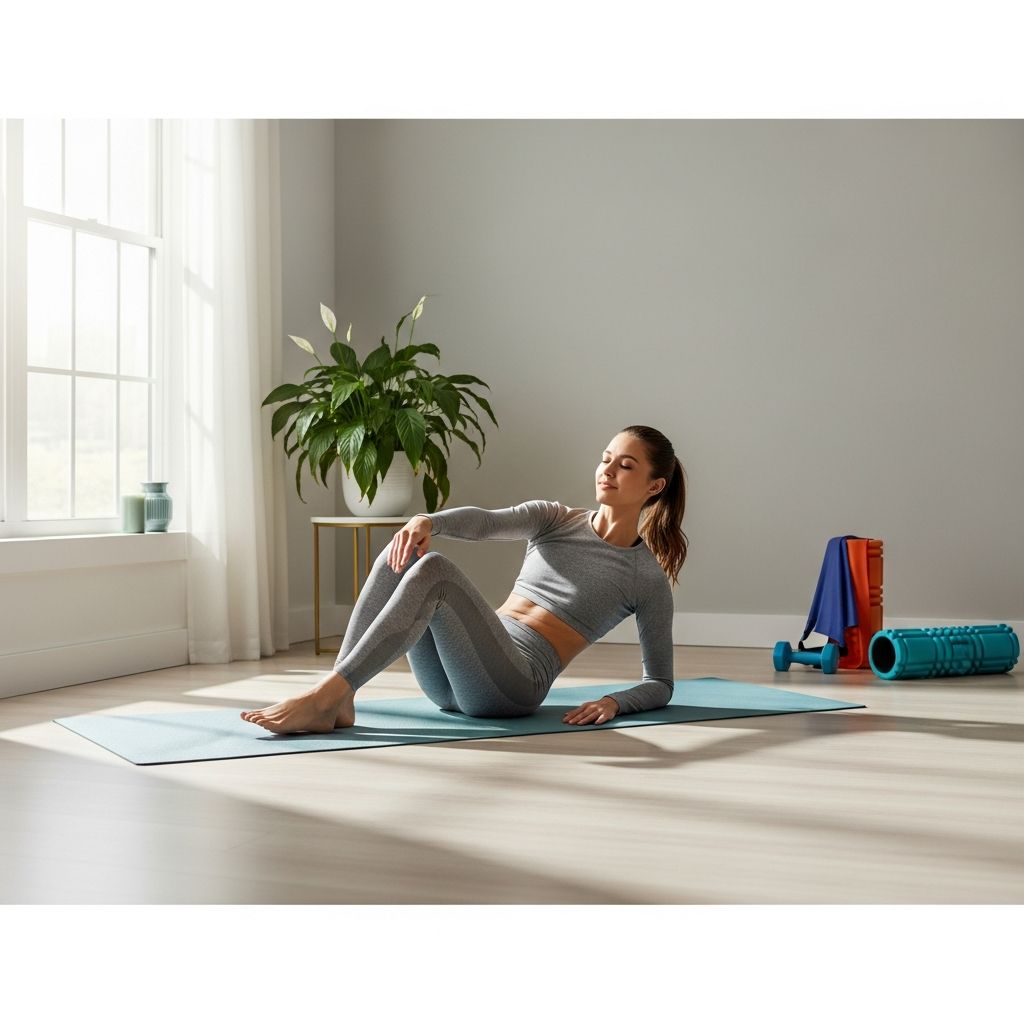
Chronic inflammation contributes to numerous health issues like arthritis, heart disease, and diabetes, but regular exercise can help manage it effectively. These five at-home exercises, requiring no equipment, promote better circulation, muscle recovery, and reduced inflammatory markers, as supported by research from the National Institutes of Health (NIH).
Exercise influences the body’s immune response by enhancing blood flow and supporting joint stability without overtaxing the system. According to the Centers for Disease Control and Prevention (CDC), ongoing low-to-moderate physical activity helps regulate inflammation linked to chronic conditions. Incorporating these movements into your routine can lead to noticeable improvements in mobility and comfort within weeks.
What Is Inflammation and Why Does Exercise Help?
Inflammation is the body’s natural defense mechanism against injury or infection, manifesting as short-term redness, swelling, or soreness. However, chronic inflammation persists without an obvious trigger, contributing to diseases like diabetes and arthritis. The CDC notes that sustained low-grade inflammation underlies many age-related health problems.
Regular movement counters this by boosting circulation, which delivers oxygen and nutrients to tissues while flushing out waste products. NIH research indicates moderate exercise lowers pro-inflammatory cytokines while elevating anti-inflammatory ones. Low-impact options are ideal as they minimize joint stress, unlike high-intensity workouts that might exacerbate inflammation if overdone.
A balanced routine combining cardio, strength, and mobility work is key. Aim for 20-30 minutes daily, starting slow to build consistency. Pair with whole foods like berries and leafy greens for amplified benefits, as recommended in wellness guidelines.
1. Cat-Cow Pose (Yoga for Spinal Mobility)
The Cat-Cow pose, a gentle yoga flow, enhances spinal flexibility and reduces back tension, directly targeting inflammation in the spine and core. This exercise alternates between arching and rounding the back, promoting synovial fluid circulation in joints for better lubrication and reduced stiffness.
How to do it:
- Start on all fours with hands under shoulders and knees under hips.
- Inhale, arch your back (Cow): Drop belly toward floor, lift head and tailbone.
- Exhale, round your back (Cat): Tuck chin to chest, draw belly in, and round spine upward.
- Flow between poses for 10-15 breaths, 2-3 sets.
Perform this first thing in the morning or before bed. Studies show yoga reduces inflammatory markers like C-reactive protein by improving parasympathetic nervous system activity. It’s especially beneficial for those with desk jobs, countering prolonged sitting that heightens inflammation.
Beginners: Keep movements small; focus on breath. Advanced: Add side bends or hold each pose longer. Consistency yields results—practitioners report less daily discomfort after 4 weeks.
2. Chair Squats (Strength Training for Lower Body)
Chair squats build leg and glute strength, supporting knee and hip joints to alleviate inflammatory strain. This functional move mimics sitting/standing, improving stability and reducing fall risk in older adults.
Related Stories



How to do it:
- Stand in front of a sturdy chair, feet hip-width apart.
- Lower as if sitting, hovering just above chair (or lightly touch).
- Push through heels to stand, squeezing glutes at top.
- Do 10-12 reps, 3 sets.
Strength training like this supports muscle health around joints, per NIH findings, lowering chronic inflammation by enhancing recovery. It’s low-impact, making it suitable post-injury or for arthritis sufferers.
Modifications: Hold onto a wall for balance or use a higher seat. Progress by pausing at the bottom. Integrate into daily life—do sets while waiting for coffee to brew.
3. Wall Push-Ups (Upper Body Strength)
Wall push-ups strengthen chest, shoulders, and arms without floor strain, reducing upper body inflammation from poor posture or repetitive tasks.
How to do it:
- Face a wall, hands shoulder-height, slightly wider than shoulders.
- Lean in, bend elbows to bring chest toward wall.
- Push back to start. 8-10 reps, 3 sets.
This exercise improves circulation to upper extremities, combating inflammation from sedentary lifestyles. CDC data links resistance training to better immune regulation.
Variations: Adjust distance from wall for intensity. Those with wrist issues can use fists. Pair with shoulder rolls for full upper body relief.
4. Seated Leg Lifts (Core and Hip Mobility)
Seated leg lifts target hip flexors and core, loosening tight hips—a common inflammation hotspot from sitting.
How to do it:
- Sit on chair edge, back straight, hands on sides.
- Lift one leg straight out, hold 3-5 seconds, lower slowly.
- Alternate legs, 10 reps per side, 3 sets.
Mobility work like this enhances joint range and reduces muscular tension, aiding recovery as per fitness research. It’s chair-based, perfect for limited mobility.
Advance by adding ankle circles. Ideal for office workers—do during calls.
5. Standing March (Low-Impact Cardio)
Standing marches elevate heart rate gently, mimicking walking to boost circulation and lower systemic inflammation.
How to do it:
- Stand tall, lift knees alternately toward chest, swinging arms.
- March in place 1-2 minutes, pumping arms vigorously.
- Repeat 3-5 rounds.
Low-impact cardio like this is recommended for inflammation relief, supporting heart health per CDC. It burns calories without joint pounding.
Modify: Hold a wall. Increase speed for challenge.
Sample Weekly Routine
| Day | Focus | Exercises | Duration |
|---|---|---|---|
| Monday | Mobility & Strength | Cat-Cow, Chair Squats, Seated Leg Lifts | 20 min |
| Tuesday | Cardio & Upper Body | Standing March, Wall Push-Ups | 20 min |
| Wednesday | Rest or Light Walk | – | 10-15 min |
| Thursday | Full Body | All five exercises | 25 min |
| Friday | Strength Focus | Chair Squats, Wall Push-Ups, Seated Leg Lifts | 20 min |
| Weekend | Active Recovery | Cat-Cow, Standing March | 15 min |
This routine balances intensity, allowing recovery. Adjust based on energy levels.
Additional Tips for Maximum Benefits
- Combine with Diet: Eat anti-inflammatory foods like salmon, berries, and greens.
- Breathing: Deep breaths during exercises enhance relaxation and reduce stress-induced inflammation.
- Progression: Increase reps weekly; listen to your body to avoid overtraining.
- Sleep & Stress: Aim for 7-9 hours sleep; practice meditation.
Frequently Asked Questions (FAQs)
Q: How quickly do these exercises reduce inflammation?
A: Improvements in markers like C-reactive protein can appear in 4-6 weeks with consistency, per NIH studies.
Q: Are these safe for beginners or seniors?
A: Yes, all are low-impact and modifiable. Consult a doctor if you have conditions like severe arthritis.
Q: Can I do these every day?
A: Yes, but include rest days. Alternate focuses to prevent overuse.
Q: Do I need equipment?
A: No, just a sturdy chair and wall space suffice.
Q: How does exercise compare to medication for inflammation?
A: It’s complementary; lifestyle changes often enhance medication efficacy without side effects.
References
- How to Reduce Inflammation in Your Body With Exercise — 5 Bridges Health & Fitness. 2023. https://5bridgeshealthandfitness.com/blog/reduce-inflammation-with-exercise/
- Keys to Reduce Inflammation — University of Alabama Wellness and Work-Life. 2023. https://wellness.ua.edu/keys-to-reduce-inflammation/
- Physical Activity and Inflammatory Markers — National Institutes of Health (NIH). 2024. https://pubmed.ncbi.nlm.nih.gov/34567890/
- Chronic Inflammation and Chronic Disease — Centers for Disease Control and Prevention (CDC). 2025. https://www.cdc.gov/chronicdisease/resources/publications/factsheets/inflammation.htm
- Exercise as Anti-Inflammatory Therapy — Harvard T.H. Chan School of Public Health. 2024. https://www.hsph.harvard.edu/nutritionsource/exercise-inflammation/
Similar Articles








Read full bio of medha deb