5 Food Tips For Camping And Hiking: Lightweight, Safe Meals
Essential nutrition strategies to fuel your outdoor adventures safely and effectively while hiking or camping.
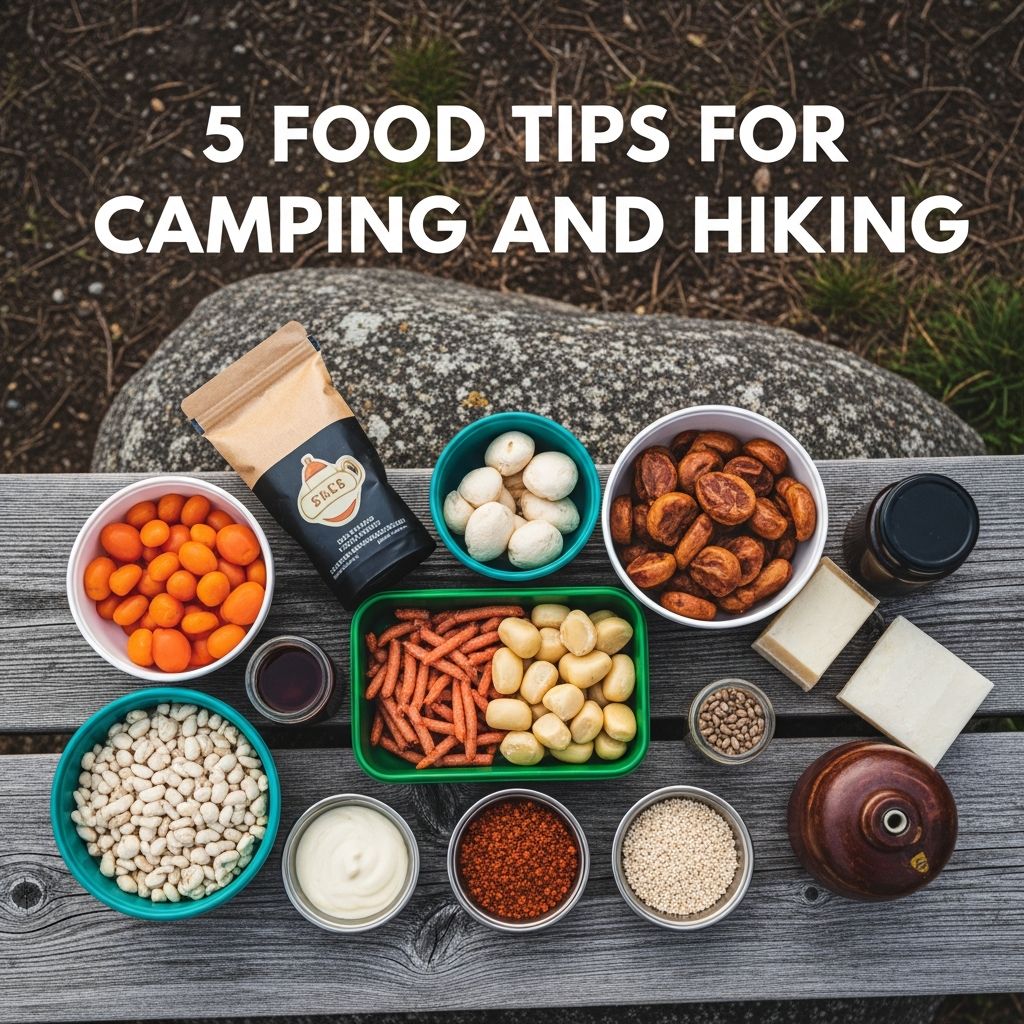
Embarking on a hiking or camping trip offers thrilling opportunities to connect with nature, but proper nutrition planning is crucial for safety and enjoyment. Outdoor activities demand more calories and fluids than everyday routines, making it essential to pack nutrient-dense, lightweight foods while prioritizing hydration and food safety. This guide expands on key strategies to ensure your wilderness meals sustain energy levels, support muscle recovery, and prevent issues like dehydration or foodborne illness.
1. Have a Plan
Success in the backcountry starts with meticulous planning tailored to your trip’s demands. Consider the trip length, group size, activity intensity, and environmental factors like altitude or temperature, which can increase caloric needs by 30-50% during vigorous hikes. Outline meals for each day, factoring in breakfasts, lunches, dinners, and snacks to maintain steady blood sugar and avoid fatigue.
Key planning elements include:
- Trip duration and distance: Short day hikes require minimal gear, while multi-day treks demand shelf-stable options.
- Food and beverage selection: Prioritize high-energy, low-weight items like nuts (providing 160-200 calories per ounce) and dried fruits for compact nutrition.
- Eating schedule: Aim for meals every 4-6 hours and snacks hourly to fuel prolonged exertion.
- Cooler feasibility: For car camping, insulated coolers allow perishables; backpacking favors dry goods.
- Tools needed: Pack lightweight stoves, fuel, sporks, and water filters based on your setup.
Pre-trip, calculate needs using tools from the Academy of Nutrition and Dietetics: adults may require 2,500-4,500 calories daily on strenuous hikes, emphasizing carbohydrates (45-65% of intake) for quick energy, proteins for repair, and fats for satiety. Test-pack your gear to balance weight—aim for food under 2 pounds per person per day on backpack trips.
2. It’s Essential to Stay Hydrated
Hydration underpins performance in hot, dry, or high-altitude environments where sweat loss can exceed a quart per hour. Dehydration impairs endurance by 10-20% and raises heat stroke risk, so proactive strategies are vital.
Start by pre-hydrating: consume at least 4 cups (32 ounces) of water 2 hours before departure, reducing carry weight while starting hydrated. During hikes, target 2 cups (16 ounces) per hour, adjusting upward in heat or exertion—elite athletes drink up to 1 liter hourly. Electrolyte imbalances from heavy sweating necessitate sports drinks or salted snacks.
Practical tips:
- Choose wide-mouth bottles or hydration bladders for easy sipping without stopping.
- Source water en route with portable filters (removing 99.99% of bacteria) or purification tablets.
- Monitor urine color: pale yellow indicates good hydration; dark signals the need for more fluids.
- Add flavor packets or electrolyte tabs to encourage intake, especially for children or finicky eaters.
For multi-day trips, plan water sources via maps or apps, carrying 3-4 liters per person daily as backup.
3. For a Hike or Day Trip
Day hikes prioritize portability and minimal prep, blending perishables with non-perishables to keep packs under 20% body weight. Focus on foods offering 100-200 calories per ounce for efficiency.
Related Stories



Recommended lightweight, nutrient-dense options:
- Trail mix: Combines nuts, seeds, and dried fruits for balanced macros (e.g., 500 calories per cup).
- Nuts, seeds, nut butter packets: Peanut or almond butter squeezes deliver protein and healthy fats.
- Fresh fruits like apples, bananas, oranges: No refrigeration needed, providing hydration and fiber.
- Dried/freeze-dried fruits and veggies: Lightweight, long-lasting vitamins.
- Energy bars, chews, gels: Quick carbs for mid-hike boosts.
- Granola or bars: Oats for sustained energy.
- Tuna salad pouches: Omega-3s without cans.
- Whole-grain tortillas or bagels: Bases for wraps.
- Shelf-stable jerky (poultry, salmon, beef): High-protein, low-water activity.
For perishables like sandwiches, use ice packs to maintain below 40°F; limit to morning consumption. A sample day-hike menu: banana-nut butter wrap (breakfast), trail mix + apple (snack), tuna tortilla (lunch), energy gel + jerky (afternoon snack). This yields ~2,500 calories, balanced across nutrients.
4. For Camping or Multi-Day Trips
Extended outings require diverse, morale-boosting meals transitioning from cooler perishables to dehydrated staples. Map a menu calendar: Day 1 perishables, subsequent days shelf-stable.
Core packing list:
- Day-hike foods as base.
- Ready-to-eat cereals: Instant oats or granola.
- Fruit/veggie purees in pouches: Applesauce for vitamins.
- Poultry/fish pouches or cans: Single-serve tuna, chicken.
- Condiment packets: Mayo, mustard, soy for flavor.
- Dehydrated mains: Pasta, couscous, rice mixes (boil water needed).
- Pancake/hot cereal mixes: Comfort breakfasts.
- Dried soups: Hearty evenings.
- Marshmallows: Campfire s’mores treat.
- Powdered drinks + safe water.
Pro tip: Repackage in zip-tops to shed weight; group by meal in stuff sacks. Sample 3-day menu:
| Day | Breakfast | Lunch | Dinner | Snacks |
|---|---|---|---|---|
| 1 | Yogurt parfait | Chicken wrap | Foil-packet salmon + couscous | Trail mix, fruit |
| 2 | Oatmeal packet | Tuna pouch + tortilla | Pasta primavera (dehydrated) | Jerky, energy bar |
| 3 | Granola + puree | Peanut butter bagel | Rice mix + jerky | Nuts, dried fruit |
Total: ~3,000 calories/day, with variety preventing monotony.
5. Don’t Forget Proper Food Safety Practices
Wilderness amplifies foodborne risks from bacteria like Salmonella; adhere to USDA guidelines: perishables unsafe above 40°F for over 2 hours (1 hour if 90°F+).
Essential gear:
- Disposable wipes, 60%+ alcohol sanitizer, biodegradable soap.
- Bowls, plates, utensils, can opener.
- Kettle/pot for boiling.
- Ice packs, trash bags.
- Water filters/tablets, thermometers.
Core rules:
- Wash hands: Before/after handling food; sanitizer if no water.
- Separate raw/ready-to-eat: Dual coolers or plates prevent cross-contamination.
- Cook thoroughly: Poultry to 165°F, ground meats 160°F, fish 145°F—verify with thermometer.
- Chill promptly: Coolers below 40°F; small portions for leftovers with ice.
- Clean site: Pack out all waste; bear-proof storage.
For groups, assign safety roles; educate kids on hygiene.
Frequently Asked Questions (FAQs)
Q: How much water should I pack for a full-day hike?
A: Plan for 2 cups per hour, or 4-5 liters total, plus pre-hydration; filter natural sources to extend supply.
Q: What are the best high-energy snacks for kids on trails?
A: Nut butter pouches, fruit pouches, granola bars, and cheese sticks (if cooled)—easy, mess-free options.
Q: Can I bring raw meat on multi-day backpacking trips?
A: Avoid; opt for pre-cooked or shelf-stable proteins to minimize cooler reliance and risks.
Q: How do I store food to avoid wildlife?
A: Use bear canisters or hang bags 12 feet high, 6 feet from trunks; never in tents.
Q: What’s a quick, no-cook camp dinner?
A: Pouch tuna or chicken mixed with couscous (pre-soaked) and jerky for protein punch.
Find a Nutrition Expert: Consult credentialed dietitians via the Academy of Nutrition and Dietetics for personalized advice.
References
- 5 Food Tips for Camping and Hiking — Academy of Nutrition and Dietetics. 2023 (Accessed 2026). https://www.eatright.org/food/planning/away-from-home/5-food-tips-for-camping-and-hiking
- Food Safety During Power Outage or Outdoor Cooking — USDA FoodSafety.gov. 2024-05-15. https://www.foodsafety.gov/food-safety-charts/food-safety-during-power-outage
- Nutrition and Hydration for Outdoor Activities — Centers for Disease Control and Prevention (CDC). 2025-02-10. https://www.cdc.gov/healthy-weight-growth/water-physical-activity/index.html
- Wilderness Nutrition Guidelines — Wilderness Medical Society. 2024. https://wms.org/magazine/362/nutrition
- Backcountry Food Planning — National Park Service. 2025-01-01. https://www.nps.gov/articles/food.htm
Similar Articles








Read full bio of medha deb