5 Foods to Eat Every Day to Help Prevent Diabetes
Incorporate these five nutrient-packed foods into your daily diet to support healthy blood sugar levels and reduce diabetes risk effectively.
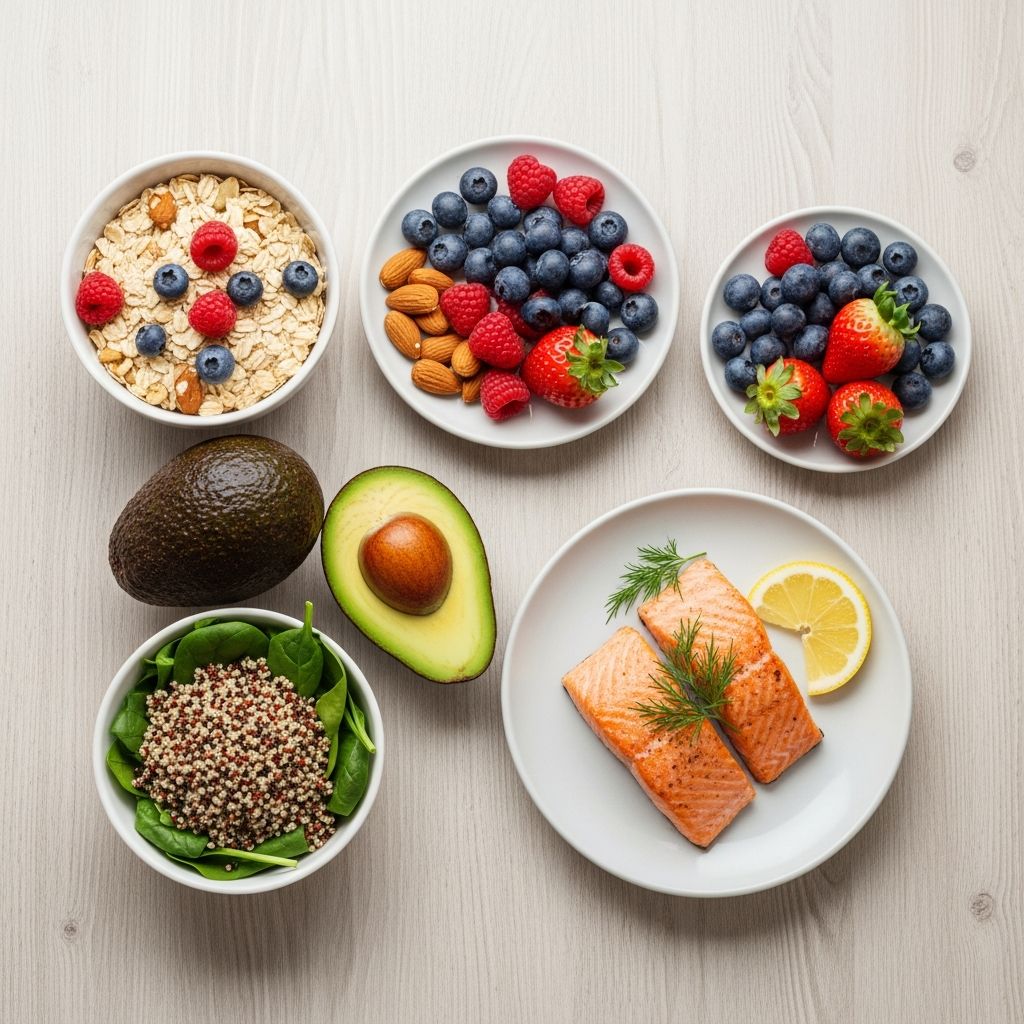
Preventing type 2 diabetes starts with smart dietary choices. Incorporating specific nutrient-dense foods into your daily routine can help regulate blood sugar levels, improve insulin sensitivity, and reduce inflammation. Research from credible health authorities emphasizes the role of high-fiber, antioxidant-rich, and protein-packed foods in diabetes prevention. This article highlights
five foods
backed by studies and guidelines to eat every day for optimal blood sugar management.1. Nuts
Nuts are a powerhouse for blood sugar regulation due to their combination of healthy fats, fiber, protein, and magnesium. Unsalted varieties like almonds, cashews, pistachios, peanuts, walnuts, and pecans offer low glycemic impact, meaning they don’t cause sharp blood sugar spikes.
A study involving 25 individuals with type 2 diabetes found that consuming peanuts and almonds as part of a low-carb diet significantly lowered post-meal blood sugar levels. The fiber and healthy fats in nuts slow digestion, promoting steady glucose release. Magnesium in nuts also supports insulin function, with higher intakes linked to reduced diabetes risk.
- Daily Recommendation: 1 ounce (about a small handful) of mixed unsalted nuts.
- Benefits: Improves insulin sensitivity, reduces cardiovascular risk, aids weight management.
- Tips: Add to yogurt, salads, or eat as a snack. Choose raw or dry-roasted without added sugars or salts.
Guidelines from the National Center for Biotechnology Information (NCBI) recommend nuts as a plant-based protein source, noting their role in Mediterranean-style eating patterns that enhance glucose metabolism. The American Diabetes Association echoes this, highlighting nuts for their minimal carb content and satiety benefits.
2. Berries
Berries such as blueberries, strawberries, raspberries, and blackberries are low in calories but rich in fiber, antioxidants like anthocyanins, and polyphenols. These compounds combat oxidative stress and inflammation, key factors in diabetes development.
One study showed strawberries reduced diabetes complications like kidney disease and nerve damage by lowering blood sugar and inflammation. Blueberries, in particular, improve insulin sensitivity and protect pancreatic beta cells responsible for insulin production. Their high soluble fiber content slows sugar absorption, preventing post-meal spikes.
- Daily Recommendation: 1 cup fresh or frozen berries.
- Benefits: Lowers fasting blood sugar, supports heart health, high in vitamin C.
- Tips: Blend into smoothies, top oatmeal, or eat fresh. Opt for whole berries over juices to retain fiber.
Health Services Executive (HSE) and Alberta Health Services recommend fruits like berries frequently, as they provide natural sugars with fiber that mitigate glycemic impact. CDC guidelines prioritize fruits for diabetes prevention.
3. Beans and Lentils
Beans, lentils, chickpeas, and other legumes are exceptional for diabetes prevention, packed with soluble fiber, resistant starch, plant protein, and magnesium. These nutrients slow carbohydrate digestion, blunt blood sugar rises, and promote gut health.
Studies confirm beans and lentils lower blood sugar and prevent diabetes onset by stabilizing post-meal glucose. Their resistant starch acts like fiber, feeding beneficial gut bacteria that improve insulin sensitivity. Replacing meat with legumes in meals reduces saturated fat intake while boosting fiber.
Related Stories



- Daily Recommendation: ½ cup cooked beans or lentils.
- Benefits: High satiety for weight control, lowers cholesterol, affordable protein source.
- Tips: Add to soups, salads, chili, or as meat substitutes in tacos. Rinse canned varieties to reduce sodium.
NCBI advises basing meals around legumes for high-fiber carbs. Alberta Health Services suggests eating them often in soups and casseroles, while HSE lists pulses as essential.
4. Yogurt
Plain, low-fat or Greek yogurt provides probiotics, protein, and calcium that support gut health and blood sugar control. Probiotics improve insulin sensitivity, while protein promotes fullness and stable glucose levels.
Research links yogurt consumption to lower type 2 diabetes risk, with fermented dairy enhancing metabolic health. Greek yogurt’s high protein (up to 20g per serving) minimizes carb impact. Choose unsweetened varieties to avoid added sugars.
- Daily Recommendation: ¾ cup plain Greek yogurt.
- Benefits: Supports microbiome diversity, aids muscle maintenance, bone health.
- Tips: Mix with berries and nuts for a parfait. Use in dips or smoothies.
Alberta Health Services recommends Greek yogurt with fruit and high-fiber cereal as a snack. CDC and ADA endorse low-fat yogurt as a lean protein. HSE includes yogurt in nutritious foods.
5. Kale (and Leafy Greens)
Kale, spinach, and other leafy greens are ‘superfoods’ loaded with fiber, flavonoids, vitamins K, C, and A. These antioxidants lower blood sugar and inflammation without adding many calories or carbs.
A study of 42 Japanese adults showed 7-14g of kale with high-carb meals reduced post-meal blood sugar spikes. Flavonoids inhibit glucose absorption in the gut, mimicking diabetes medications. Non-starchy greens fill plates without spiking glucose.
- Daily Recommendation: 2 cups raw or 1 cup cooked leafy greens.
- Benefits: Low-calorie volume, eye health, detoxification support.
- Tips: Sauté with olive oil, add to smoothies, or use in salads.
CDC prioritizes non-starchy vegetables like kale. HSE and Alberta Health Services urge vegetables at every meal.
Why These Foods Work Together
Combining these foods creates balanced meals: nuts and yogurt for proteins/fats, berries and kale for low-carb volume, beans for fiber. This aligns with the plate method—½ non-starchy veggies, ¼ protein, ¼ whole grains/ starchy foods.
| Food | Key Nutrient | Blood Sugar Benefit |
|---|---|---|
| Nuts | Magnesium, Fiber | Slows digestion, improves insulin |
| Berries | Anthocyanins, Fiber | Reduces inflammation, steady glucose |
| Beans/Lentils | Resistant Starch, Protein | Blunts spikes, gut health |
| Yogurt | Probiotics, Protein | Enhances sensitivity, satiety |
| Kale | Flavonoids, Fiber | Inhibits absorption |
Sample Daily Meal Plan
- Breakfast: Greek yogurt with berries and almonds.
- Lunch: Kale salad with lentils, nuts, olive oil dressing.
- Dinner: Grilled fish, beans, steamed kale, berries.
- Snacks: Handful of nuts or apple with yogurt.
Space meals 4-6 hours apart. Aim for 14g fiber per 1,000 calories.
Frequently Asked Questions (FAQs)
What if I have diabetes already?
These foods help manage blood sugar too. Consult a doctor or dietitian for personalized plans.
Can I eat these on a vegan diet?
Yes—skip yogurt for plant-based alternatives like soy or almond yogurt with probiotics. Focus on nuts, beans, berries, kale.
How much fiber do I need daily?
25-30g for women, 30-38g for men. These foods contribute significantly.
Are canned beans okay?
Yes, rinse to cut sodium. They’re convenient and retain benefits.
Do supplements replace these foods?
No—whole foods provide synergistic nutrients. Prioritize real food.
Adopting these habits can significantly lower diabetes risk. Consistency is key for long-term benefits.
References
- The 5 Best Foods to Help Regulate Your Blood Sugar Levels — St. Mary’s Health Care System. 2023. https://www.stmaryshealthcaresystem.org/blog-articles/5-best-foods-help-regulate-your-blood-sugar-levels
- Eating well for type 2 diabetes — Health Service Executive (HSE.ie). 2024. https://www2.hse.ie/conditions/type-2-diabetes/treatment/eating-well/
- Healthy Eating for Diabetes — Alberta Health Services. 2023. https://www.albertahealthservices.ca/assets/info/nutrition/if-nfs-healthy-eating-for-diabetes.pdf
- Dietary Advice For Individuals with Diabetes — NCBI/NIH (Endotext). 2024-01-15. https://www.ncbi.nlm.nih.gov/books/NBK279012/
- On Your Way to Preventing Type 2 Diabetes — Centers for Disease Control and Prevention (CDC). 2025. https://www.cdc.gov/diabetes/prevention-type-2/type-2-diabetes-prevention-guide.html
- Tips for Eating Well — American Diabetes Association. 2025. https://diabetes.org/food-nutrition/eating-healthy
Similar Articles








Read full bio of medha deb