5 Foods That Fight High Cholesterol Backed By Research
Lower your cholesterol naturally with these five heart-healthy foods backed by Harvard Medical School research.
5 Foods That Fight High Cholesterol
High cholesterol is a significant health concern affecting millions of people worldwide. The good news is that it’s possible to manage and reduce cholesterol levels through dietary modifications. Rather than relying solely on medication, incorporating specific foods into your daily diet can make a substantial difference in your cholesterol profile and overall cardiovascular health. Changing what you eat can lower your cholesterol and improve the composition of the fats circulating through your bloodstream. Fresh fruits and vegetables, whole grains, and healthy fats form the foundation of a heart-healthy diet, but certain foods are particularly effective at reducing cholesterol levels.
How These Foods Lower Cholesterol
Understanding the mechanisms behind cholesterol reduction helps you make informed dietary choices. Different foods work in various ways to combat high cholesterol:
- Soluble Fiber: Some cholesterol-lowering foods deliver a good dose of soluble fiber, which binds cholesterol and its precursors in the digestive system and drags them out of the body before they enter circulation.
- Polyunsaturated Fats: Others provide polyunsaturated fats, which directly lower LDL (bad) cholesterol and contribute to better cardiovascular health.
- Plant Sterols and Stanols: Foods containing plant sterols and stanols keep the body from absorbing cholesterol, reducing the amount that enters your bloodstream.
The Five Foods That Fight High Cholesterol
1. Oats and Oat-Based Cereals
One of the easiest ways to start lowering your cholesterol is to change your breakfast routine. Choosing oatmeal or an oat-based cold cereal like Cheerios provides 1 to 2 grams of soluble fiber per serving. This soluble fiber is the key component that reduces your low-density lipoprotein (LDL) cholesterol, commonly known as “bad” cholesterol. Soluble fiber works by binding cholesterol particles in your digestive tract, preventing them from being absorbed into your bloodstream.
To maximize the cholesterol-fighting benefits of oatmeal, consider enhancing your breakfast bowl. Adding a banana or some strawberries provides an additional half-gram of soluble fiber, amplifying the cholesterol-reducing effects. A single serving of breakfast cereal with oatmeal or oat bran can provide 3 to 4 grams of fiber, and with fruit additions, you can easily reach 5 to 10 grams or more of soluble fiber daily—an amount shown to decrease your LDL cholesterol significantly.
The beauty of starting with oats is the simplicity and consistency with which you can incorporate them into your routine. Unlike more complex dietary changes, swapping your usual breakfast for oatmeal requires minimal effort while delivering substantial health benefits.
2. Beans and Legumes
Beans represent one of nature’s most powerful cholesterol-fighting foods. Beans are especially rich in soluble fiber, making them exceptionally effective at reducing cholesterol levels. Beyond their cholesterol-lowering properties, beans take a while for your body to digest, meaning you feel full for longer after a meal. This extended satiety is one reason beans are particularly useful for individuals trying to lose weight, which itself can positively impact cholesterol levels.
The versatility of beans cannot be overstated. With numerous varieties available—from navy and kidney beans to lentils, garbanzos, black-eyed peas, and countless others—there’s a bean option for virtually every palate and cuisine preference. Whether you enjoy them in soups, salads, side dishes, or as the main protein component of a meal, beans can be prepared in ways that make them both nutritious and delicious.
Related Stories



Incorporating beans into your diet doesn’t require dramatic lifestyle changes. Even modest increases in bean consumption can contribute meaningfully to cholesterol reduction. Adding a cup of cooked beans to your weekly meals provides substantial soluble fiber intake that contributes to better cholesterol profiles.
3. Nuts (Almonds, Walnuts, and Peanuts)
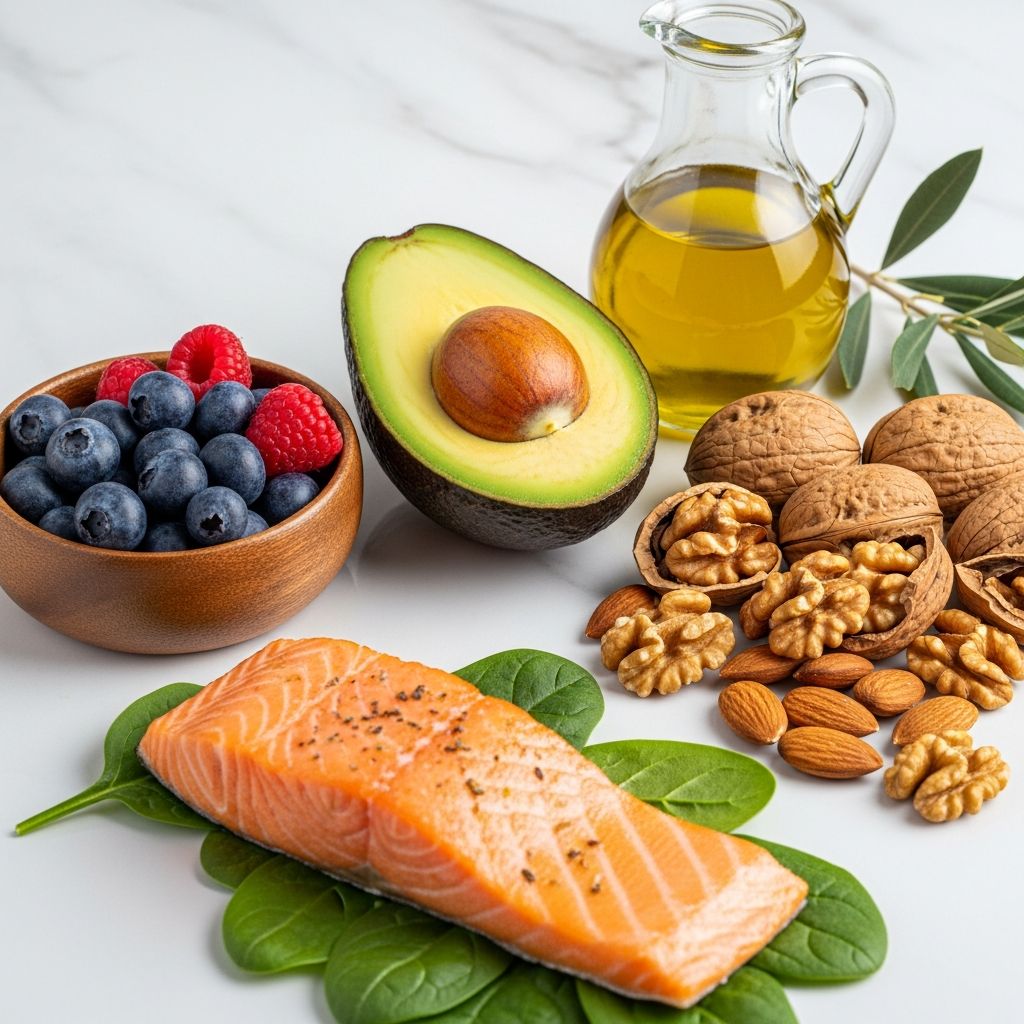
A bushel of scientific studies demonstrates that eating almonds, walnuts, peanuts, and other nuts is excellent for heart health. Eating 2 ounces of nuts a day can slightly lower LDL cholesterol by approximately 5%. While this might seem modest, consistent daily consumption compounds these benefits over time, and nuts provide additional nutrients that protect the heart in multiple ways.
Nuts are particularly rich in polyunsaturated fats and contain other bioactive compounds that support cardiovascular health. Walnuts, for instance, contain omega-3 fatty acids, which offer additional heart-protective benefits beyond simple cholesterol reduction. These include blood pressure management and reduced risk of abnormal heart rhythms.
Since nuts are calorie-dense, portion control matters. A handful—approximately 1 ounce—serves as an ideal portion for snacking. You can add nuts to salads for a satisfying crunch, incorporate them into breakfast cereals, or enjoy them as a midday snack. The key is making nuts a regular part of your diet rather than an occasional indulgence.
4. Foods Fortified with Plant Sterols and Stanols
Sterols and stanols extracted from plants gum up the body’s ability to absorb cholesterol from food. These plant compounds are remarkably effective at reducing cholesterol absorption in the digestive system. Companies now add them to a wide variety of foods, and they’re also available as supplements for those seeking concentrated doses.
Getting 2 grams of plant sterols or stanols a day can lower LDL cholesterol by about 10%. This represents a substantial reduction, particularly when combined with other dietary modifications. Plant sterol-enriched margarines have become popular choices, and many manufacturers now fortify orange juice and other beverages with these beneficial compounds.
The mechanism is straightforward: plant sterols and stanols structurally resemble cholesterol and compete with it for absorption in your intestines. When you consume adequate quantities of these plant compounds, they occupy the space where cholesterol would typically be absorbed, effectively reducing the amount of dietary cholesterol that enters your bloodstream.
Unlike some cholesterol-reducing interventions, these fortified foods are widely available and easy to incorporate into existing dietary patterns. Switching to a sterol-fortified margarine or adding a glass of fortified orange juice to your breakfast requires minimal adjustment while delivering measurable health benefits.
5. Fatty Fish
Eating fish two or three times a week can lower LDL in two ways: by replacing meat, which has LDL-boosting saturated fats, and by delivering LDL-lowering omega-3 fats. Fatty fish such as mackerel, herring, tuna, salmon, and trout contain the highest levels of omega-3 fatty acids, which are crucial for cardiovascular health.
Omega-3 fatty acids work through multiple mechanisms to improve heart health. They reduce triglycerides in the bloodstream—another type of fat that contributes to cardiovascular disease risk. Additionally, omega-3s protect the heart by helping prevent the onset of abnormal heart rhythms, a benefit that extends beyond simple cholesterol management. For people who have already experienced heart attacks, omega-3 fatty acids may reduce the risk of sudden death.
The American Heart Association recommends eating at least two servings of fish per week for optimal cardiovascular benefits. To maximize health advantages, baking or grilling fish avoids adding unhealthy fats that would counteract the nutritional benefits. Additionally, foods such as walnuts, flaxseed, and canola oil contain small amounts of omega-3 fatty acids, providing alternative options for those who don’t consume fish regularly.
Additional Heart-Healthy Additions
While the five foods above form the cornerstone of a cholesterol-fighting diet, other foods amplify their benefits. Avocados provide monounsaturated fatty acids and fiber that improve HDL (good) cholesterol levels. Olive oil, particularly extra virgin varieties, reduces the risk of heart attacks when used to replace other dietary fats. These additions, combined with the five primary foods, create a comprehensive dietary approach to cholesterol management.
Maximizing Dietary Impact
Getting the full benefit from these cholesterol-fighting foods requires complementary dietary changes. One of the most impactful modifications is limiting saturated and trans fats. Saturated fats found in meat, butter, cheese, and full-fat dairy products raise total cholesterol. Decreasing consumption of saturated fats to less than 7% of total daily calorie intake can reduce LDL cholesterol by 8 to 10%.
Combining dietary modifications with regular exercise and other heart-healthy habits creates a powerful approach to cholesterol management. Even modest dietary changes, when implemented consistently, can produce meaningful reductions in cholesterol levels and significant improvements in overall cardiovascular health.
Frequently Asked Questions
How quickly can dietary changes lower cholesterol?
Most people begin seeing measurable changes in cholesterol levels within 2 to 4 weeks of consistent dietary modifications. However, more substantial reductions typically emerge over 8 to 12 weeks. Individual results vary based on genetics, current cholesterol levels, and adherence to dietary changes.
Can diet alone manage high cholesterol?
For some individuals with mildly elevated cholesterol, dietary modifications and lifestyle changes can be sufficient to achieve healthy cholesterol levels. However, individuals with significantly elevated cholesterol or genetic predispositions may require medication in addition to dietary changes. Consult with a healthcare provider to determine the best approach for your specific situation.
Are cholesterol-lowering supplements as effective as food sources?
While supplements containing plant sterols, stanols, or omega-3 fatty acids can be beneficial, whole foods typically provide superior results. Whole foods offer additional nutrients and fiber that work synergistically to support cardiovascular health, benefits not always present in isolated supplements.
Can I eat these foods if I have other dietary restrictions?
The five cholesterol-fighting foods accommodate most dietary patterns. Vegetarians can replace fish with nuts, seeds, and legumes. Those with nut allergies can emphasize beans, oats, and fish. Working with a dietitian can help you develop a personalized approach that fits your dietary restrictions while effectively managing cholesterol.
How much of each food should I eat daily?
For optimal cholesterol reduction: consume oatmeal or oat-based cereal at breakfast; include a serving of beans or legumes with lunch or dinner; eat a handful of nuts as a snack; incorporate fish twice to three times weekly; and use sterol-fortified foods as directed on product labels.
References
- Cholesterol: Top foods to improve your numbers — Mayo Clinic. Accessed December 2025. https://www.mayoclinic.org/diseases-conditions/high-blood-cholesterol/in-depth/cholesterol/art-20045192
- 5 Foods That Fight High Cholesterol — Harvard Health Publishing, Harvard Medical School. February 15, 2021. https://www.health.harvard.edu/heart-health/5-foods-that-fight-high-cholesterol
- Dietary Guidelines for Americans 2020-2025 — U.S. Department of Agriculture and U.S. Department of Health and Human Services. December 2020. https://www.dietaryguidelines.gov
- Cardiovascular disease and diet — American Heart Association. Accessed December 2025. https://www.heart.org
Similar Articles








Read full bio of Sneha Tete