5 Healthiest Fish To Eat And 5 Fish To Avoid
Discover the top 5 healthiest fish packed with omega-3s and nutrients, plus 5 to avoid due to mercury, PCBs, and sustainability issues for better health and ocean preservation.
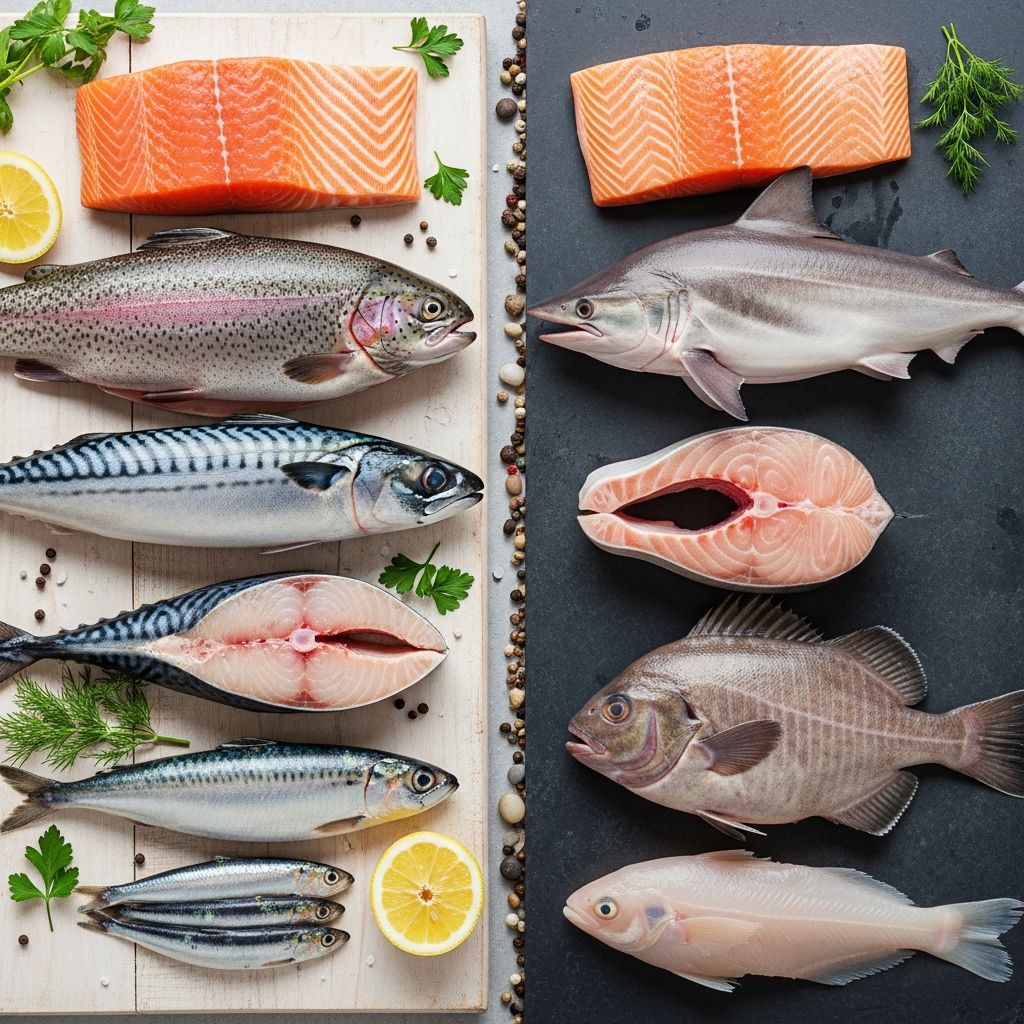
Fish is a nutritional powerhouse, delivering high-quality protein, heart-healthy omega-3 fatty acids (like DHA and EPA), vitamin B12, vitamin D, selenium, and phosphorus. Regular consumption supports brain function, reduces inflammation, and promotes cardiovascular health. However, not all seafood is equal—some are laden with mercury, PCBs (polychlorinated biphenyls), or come from unsustainable sources that harm ocean ecosystems. This guide, informed by authoritative sources like the FDA, NIH, and EPA, highlights the
5 healthiest fish to eat
and5 to avoid
, helping you make informed choices for your health and the planet.Choosing sustainable, low-contaminant fish is crucial, especially for pregnant women, children, and those of childbearing age. The FDA advises limiting high-mercury fish to minimize risks while maximizing benefits from safer options.3 Let’s dive into the best and worst.
The 5 Healthiest Fish to Eat
These “super green” choices from programs like Monterey Bay Aquarium’s Seafood Watch combine high nutrient density, low contaminants, and sustainable sourcing. They repopulate quickly, have minimal mercury (under 216 ppb), and pack omega-3s above key thresholds for health benefits.
1. Wild-Caught Alaskan Salmon
Wild-caught Alaskan salmon tops the list for its exceptional profile: a 3-ounce serving delivers about 1,210 mg of omega-3s, plus vitamin B12, selenium, phosphorus, and vitamin D. Sockeye and pink varieties are low in contaminants due to Alaska’s strict quotas, water quality management, and monitoring—far superior to farmed Atlantic salmon.2 Its pretty pink flesh is versatile for salads, grilling, or canning. Sustainability is assured through careful fishery management, making it a win for health and environment.
2. Atlantic Mackerel
This robust fish offers a sturdy texture ideal for grilling, broiling, or searing. Rich in omega-3s, protein, vitamin D, magnesium, and phosphorus, Atlantic mackerel repopulates rapidly, avoiding overfishing risks. Its strong, salty flavor shines in various dishes, providing nutrient density without high mercury levels. The NIH highlights its cardiovascular benefits from potent anti-inflammatory fats.
3. Atlantic Herring
A staple in the Nordic Diet, Atlantic herring can be enjoyed pickled, smoked, or dried. Per NIH data, it surpasses mackerel and sardines in omega-3 content, with added vitamin B12, niacin, B6, D, selenium, and phosphorus.1 Quick reproduction ensures sustainability, and its small size limits contaminant buildup, making it a smart, affordable choice for brain and heart health.
4. Tuna (Albacore, Skipjack, Yellowfin—U.S. or BC Troll/Pole-Caught)
Fresh, frozen, or canned tuna (especially albacore, skipjack, yellowfin) is high in protein and phosphorus, low in calories, with about 100 IU vitamin D per serving. Opt for troll- or pole-caught from U.S. or British Columbia for lower mercury and higher omega-3s in colder waters.2 Seafood Watch recommends these for sustainability; they’re perfect for sushi, salads, or sandwiches. Avoid bluefin varieties due to overfishing.
5. Wild-Caught Pacific Sardines
Inexpensive, shelf-stable, and prolific breeders, Pacific sardines rebound quickly from historical declines. A 3-ounce serving boasts 1,500–1,950 mg omega-3s (more than salmon), vitamin D, and calcium—rare in fish.12 Use them on pizzas, salads, or straight from the can. Their small size minimizes toxins, maximizing benefits for bone and immune health.
Related Stories



| Fish | Omega-3s (mg) | Protein (g) | Key Nutrients | Mercury Risk |
|---|---|---|---|---|
| Alaskan Salmon | 1,210 | 22 | B12, D, Selenium | Low |
| Atlantic Mackerel | ~1,000 | 21 | D, Mg, P | Low |
| Atlantic Herring | >1,500 | 18 | B12, B6, D | Low |
| Tuna (Albacore) | ~900 | 23 | D, Phosphorus | Low-Mod |
| Pacific Sardines | 1,500-1,950 | 25 | D, Calcium | Very Low |
Note: Values approximate from NIH and Seafood Watch data.
5 Fish to Avoid
These pose risks from high mercury (>216 ppb), PCBs (>11 ppb), overfishing, or destructive practices like trawling. The EPA and FDA warn vulnerable groups to avoid shark, swordfish, king mackerel, and tilefish entirely.3 Even for others, limit intake.
- Shark: Apex predators accumulate extreme mercury levels; slow-growing and overfished globally.
- Swordfish: High mercury from long lifespan; longline fishing kills seabirds and damages habitats.
- Tilefish (Gulf of Mexico): Tops FDA mercury charts; deep-water species with poor management.
- King Mackerel: Elevated mercury, especially from the Gulf; avoid per FDA advisories.
- Orange Roughy: Lives 100+ years, accumulating contaminants; slow to reproduce, leading to depletion.
Other concerns include Chilean sea bass (overfished, bycatch-heavy), farmed Atlantic salmon (PCBs, antibiotics, escapes harming wild stocks), eel (endangered), and imported basa/swai (poor regulation).1
Why Choose Sustainable Seafood?
Overfishing depletes stocks, harming biodiversity. Pollution introduces mercury (neurotoxic) and PCBs (carcinogenic). Sustainable choices like those above support healthy fisheries. Look for MSC blue labels or Seafood Watch apps. Farmed options like U.S. oysters or rainbow trout can be eco-friendly if tank-raised.2
Tips for Buying and Preparing Fish
- Opt for wild-caught Alaskan or Pacific species.
- Check labels: “troll/pole-caught” for tuna.
- Cook to 145°F internal temp; grill, bake, or broil.
- Aim for 8–12 oz weekly, per FDA.
- Stock canned sardines/salmon for convenience.
Frequently Asked Questions (FAQs)
Which fish has the most omega-3s?
Pacific sardines lead with up to 1,950 mg per 3-oz serving, followed closely by herring and salmon.12
Is canned tuna safe?
Yes, skipjack or light tuna is low-mercury; limit albacore to 6 oz weekly. Choose U.S./pole-caught.3
Can pregnant women eat salmon?
Yes, wild Alaskan salmon is FDA-recommended (low contaminants, high nutrients); 8–12 oz weekly.3
What about farmed fish?
Avoid farmed Atlantic salmon; choose U.S. freshwater coho or rainbow trout for sustainability.2
How to check sustainability?
Use Seafood Watch or MSC labels; apps provide real-time ratings.
Incorporate these healthiest fish into meals for optimal nutrition without risks. Your choices matter for personal wellness and marine conservation.
References
- The 5 Healthiest Fish to Eat (and 12 You Should Avoid) — Nutritious Life. 2023. https://nutritiouslife.com/eat-empowered/the-5-healthiest-fish-to-eat-and-12-you-should-avoid/
- EatingWell: Six of the healthiest fish to eat — The Philadelphia Inquirer (Tribune Media Services). 2010-01. https://www.inquirer.com/philly/health/EatingWell_Six_of_the_healthiest_fish_to_eat.html
- Advice about Eating Fish — U.S. Food and Drug Administration (FDA). 2025-07-01. https://www.fda.gov/food/consumers/advice-about-eating-fish
Similar Articles








Read full bio of medha deb