Healthiest Ultra-Processed Foods: 5 Nutrient-Dense Picks
Discover the surprisingly nutritious ultra-processed foods that can fit into a balanced diet without derailing your health goals.
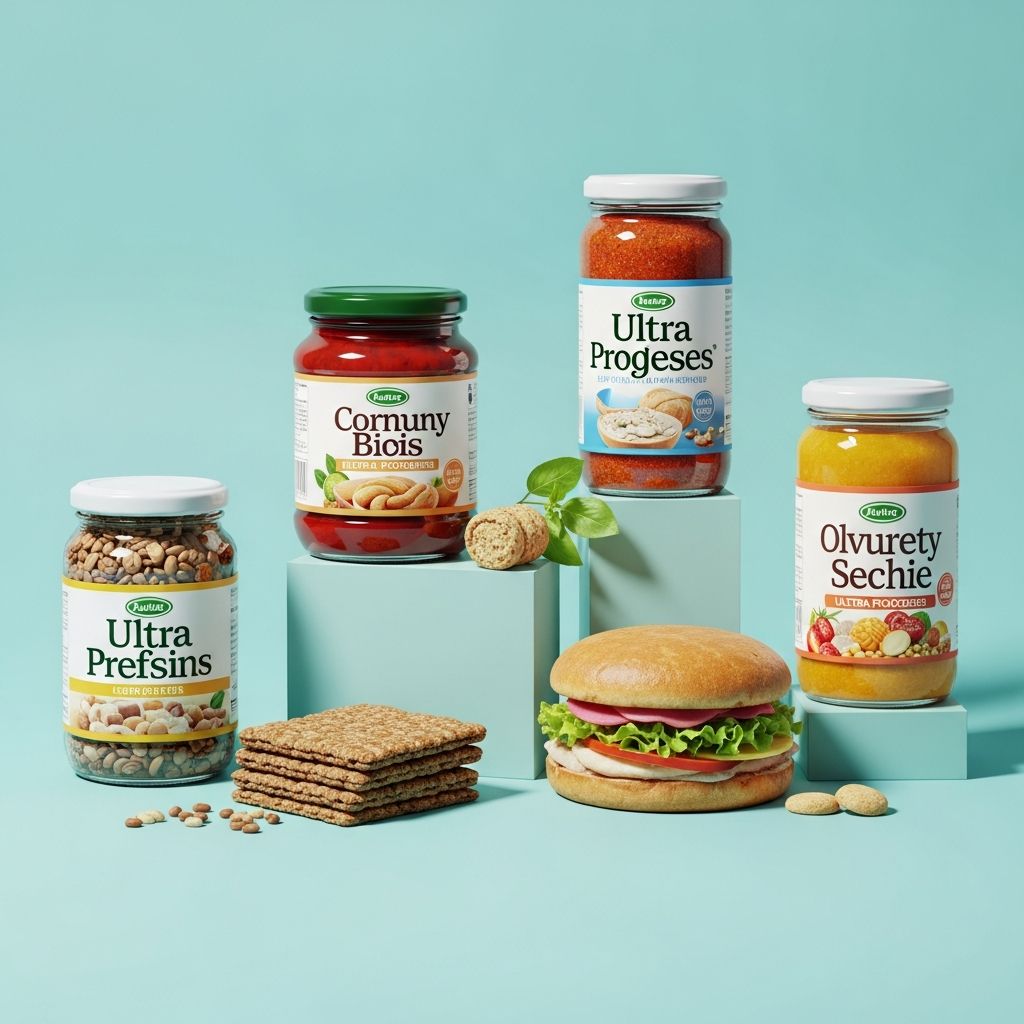
Ultra-processed foods often get a bad reputation for being high in sugar, salt, and unhealthy fats, but not all fit this mold. Some can provide essential nutrients and convenience when chosen carefully, aligning with dietary guidelines like those from the USDA.
According to research from the USDA Agricultural Research Service, it’s possible to construct a healthy diet where 91% of calories come from ultra-processed foods while meeting the 2020-2025 Dietary Guidelines for Americans (DGA). This proof-of-concept menu included items like canned beans, instant oatmeal, and whole wheat bread, scoring 86/100 on the Healthy Eating Index-2015.
Experts emphasize focusing on nutrient content over processing level. The NOVA classification labels foods as ultra-processed based on ingredients and manufacturing, but items like plain yogurt or fortified plant milks can still be nutritious.
What Are Ultra-Processed Foods?
Ultra-processed foods (UPFs) undergo multiple industrial processes and contain additives like preservatives, emulsifiers, and artificial flavors. They often have long ingredient lists with items not found in home kitchens, such as high-fructose corn syrup or hydrolyzed proteins.
While many UPFs—think sodas, candy, and packaged snacks—link to risks like obesity, heart disease, and type 2 diabetes, others offer health benefits. The key is selecting those low in added sugars, sodium, and saturated fats, with high fiber, protein, or micronutrients.
Johns Hopkins public health experts note that prepackaged whole grain breads, many yogurts, instant oatmeal, and jarred pasta sauces qualify as UPFs but can have lower harmful additive levels.
Why Some Ultra-Processed Foods Can Be Healthy
Not all processing is villainous. Minimal processing preserves nutrients, like freezing vegetables or pasteurizing milk. Fortification adds essentials like iodine to salt or vitamin D to milk, addressing deficiencies.
A USDA study demonstrated an ultra-processed menu aligning with DGA recommendations for fruits, vegetables, grains, proteins, and dairy. It used foods with balanced macros and micros, though sodium and whole grains were areas for improvement.
- Nutrient density: Prioritize UPFs fortified with vitamins or naturally high in fiber/protein.
- Low additives: Choose products with short, recognizable ingredient lists (rule of three: 3 or fewer ingredients where possible).
- Portion control: Even healthy UPFs should complement whole foods.
1. Whole Grain Bread
Prepackaged whole grain bread is ultra-processed due to industrial baking and additives for shelf life, but it’s a nutritional powerhouse when selected right. Opt for varieties listing whole wheat flour first, with minimal added sugars (under 2g per slice) and at least 3g fiber.
Benefits include sustained energy from complex carbs, fiber for digestion, and B vitamins for metabolism. The NHS endorses wholemeal sliced bread as a healthy UPF inclusion.
Nutrition per slice (typical 100% whole wheat): 80 calories, 4g protein, 3g fiber, low saturated fat.
Swap white bread for this to reduce refined grain intake, lowering diabetes risk. Pair with avocado or nut butter for balanced meals.
Related Stories



2. Plain Yogurt
Many yogurts are ultra-processed through fermentation, fortification, and stabilizers, yet plain, unsweetened versions shine. Greek or Icelandic styles offer 15-20g protein per serving, probiotics for gut health, and calcium for bones.
Choose those with live active cultures and no added sugars. The USDA menu incorporated similar dairy for DGA compliance. Studies link probiotic yogurt to improved immunity and reduced inflammation.
Tips:
- Select full-fat for satiety if watching carbs.
- Add fresh fruit instead of flavored packs.
- Aim for 1 cup daily as a snack or breakfast base.
3. Instant Oatmeal
Instant oats are processed via pre-cooking and drying, making them UPFs, but plain packets provide beta-glucan fiber that lowers cholesterol and stabilizes blood sugar.
Avoid flavored varieties loaded with sugar (up to 12g per packet). Steel-cut or rolled plain instants cook quickly while retaining antioxidants. The USDA study used instant oatmeal in its healthy UPF menu.
Health perks: Soluble fiber aids heart health; pair with nuts and berries for a complete meal scoring high on nutrient quality.
4. Canned Beans and Legumes
Canned beans undergo processing with salt or BPA-free linings, classifying them as UPFs, but they’re fiber and protein bombs. One cup of black beans delivers 15g fiber, 15g protein, and iron—affordable plant-based power.
Rinse to cut sodium by 40%. No-salt-added versions best align with low-sodium diets. Versatile for salads, soups, or tacos.
| Bean Type | Fiber (g/cup) | Protein (g/cup) | Best Uses |
|---|---|---|---|
| Black Beans | 15 | 15 | Mexican dishes |
| Chickpeas | 12 | 14 | Hummus, salads |
| Lentils | 16 | 18 | Soups, curries |
5. Ultra-Filtered Milk
Ultra-filtered milk removes lactose and water, concentrating protein and calcium while extending shelf life—pure UPF. Fairlife brand exemplifies this with 13g protein per cup versus 8g in regular milk, low sugar.
Ideal for lactose-intolerant or high-protein seekers. Fortified with vitamins A and D. USDA researchers included it for dairy group compliance.
Plant-based ultra-filtered options like almond or soy milks offer similar benefits if unsweetened.
How to Choose Healthier Ultra-Processed Foods
Read labels: Limit added sugars (<5g/serving), sodium (<140mg), saturated fat (<3g). Prioritize whole food first ingredients.
- Check fiber: >3g per serving.
- Avoid: Trans fats, artificial sweeteners in excess, long chemical lists.
- Shop smart: Perimeter aisles first, then inner for UPF staples.
Balance with whole foods: Aim for UPFs <20% of calories, per emerging guidelines.
Potential Downsides and Moderation
Even healthy UPFs can contribute excess sodium or calories if overconsumed. Long-term studies link high UPF intake to poorer outcomes, but nutrient-focused choices mitigate risks.
MD Anderson warns against ultra-processed meats and snacks, but endorses bean-based products.
Frequently Asked Questions (FAQs)
What makes a food ultra-processed?
UPFs involve multiple processes and additives like emulsifiers or sweeteners not used in home cooking.
Can I build a healthy diet with mostly UPFs?
Yes, per USDA research—a 91% UPF diet met most DGA standards, though sodium needs watching.
Are frozen fruits ultra-processed?
Frozen plain fruits/veggies are minimally processed, not ultra; they’re healthy staples.
How much UPF should I eat?
Limit high-sugar/salt types; include nutrient-dense ones sparingly alongside whole foods.
What’s the healthiest bread?
100% whole grain with short ingredients, high fiber.
References
- Processed foods that are good for you: What are they? — Woman’s Hospital. 2023. https://womanshospital.com/blog/entry/processed-foods-that-are-good-for-you-what-are-they
- Scientists Build a Healthy Dietary Pattern Using Ultra-Processed Foods — USDA ARS. 2023-07-11. https://www.ars.usda.gov/news-events/news/research-news/2023/scientists-build-a-healthy-dietary-pattern-using-ultra-processed-foods/
- 11 Ultra-Processed Foods to Avoid and 22 Healthier Swaps — Healthline. 2023. https://www.healthline.com/health/food-nutrition/ultra-processed-foods
- What Are Ultra-Processed Foods? — Johns Hopkins Bloomberg School of Public Health. 2025. https://publichealth.jhu.edu/2025/what-are-ultra-processed-foods
- Processed foods — NHS. 2023. https://www.nhs.uk/live-well/eat-well/how-to-eat-a-balanced-diet/what-are-processed-foods/
- 7 examples of processed food — MD Anderson Cancer Center. 2020-01-21. https://www.mdanderson.org/cancerwise/7-examples-of-processed-food.h00-159621801.html
Similar Articles








Read full bio of Sneha Tete