Environmental Allergies: 5 Common Triggers And How To Manage
Discover the top environmental allergens triggering reactions and learn effective strategies for relief and prevention in daily life.
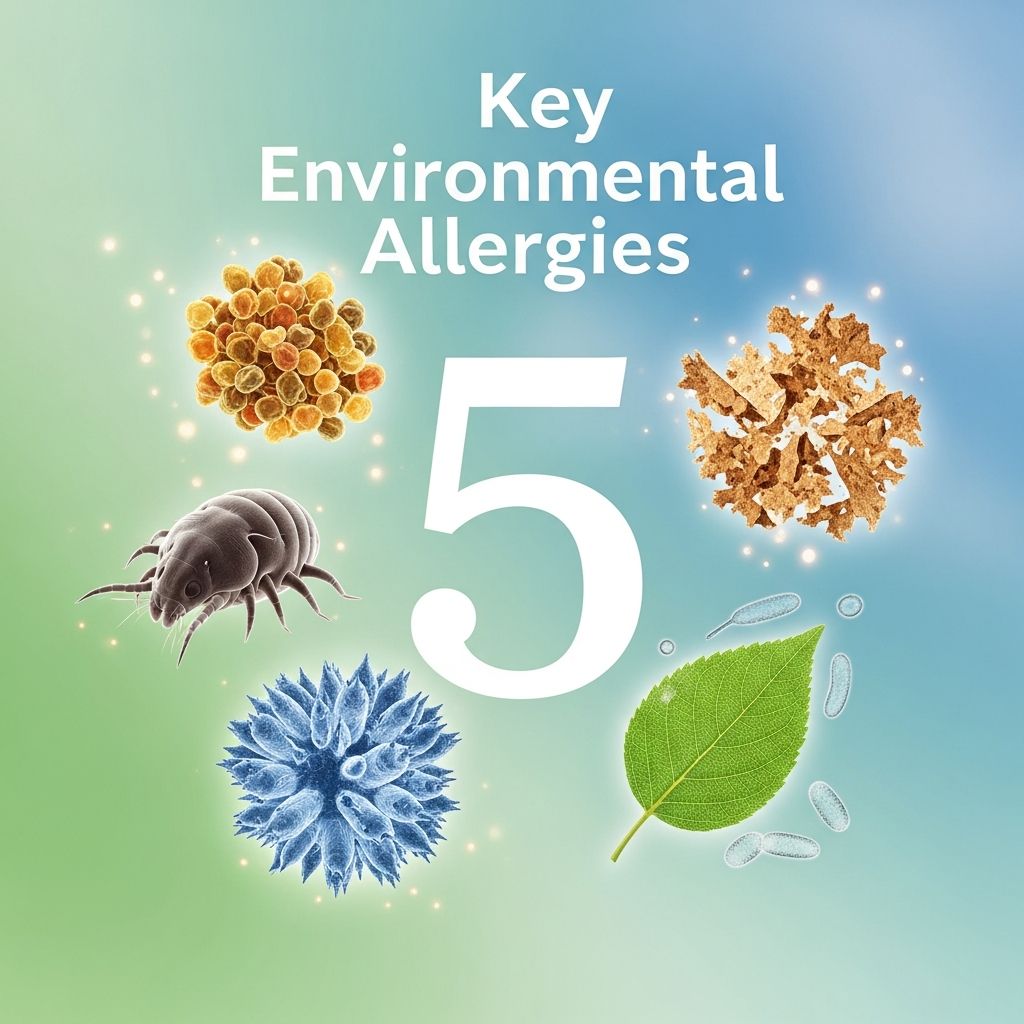
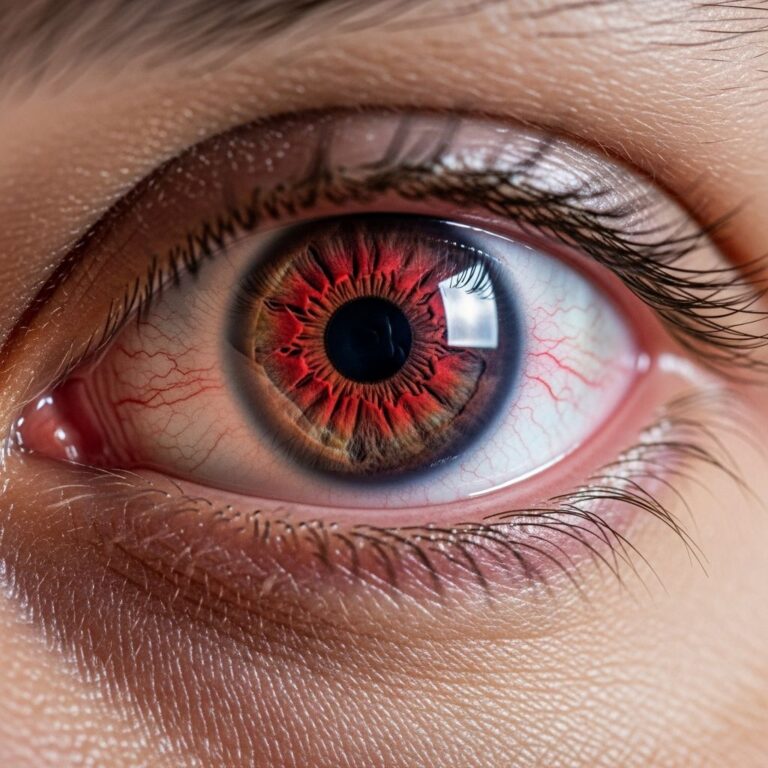
Environmental allergies affect millions worldwide, causing discomfort through immune responses to everyday substances like pollen and dust. These reactions, often called hay fever or allergic rhinitis, involve the release of histamine, leading to inflammation in the nose, eyes, and throat. Understanding the primary triggers helps in managing symptoms effectively.
Understanding the Immune Response Behind Allergies
The body’s defense system misidentifies harmless particles as threats, producing immunoglobulin E (IgE) antibodies. This prompts mast cells to release histamine and other chemicals, resulting in immediate symptoms such as sneezing and congestion. Reactions can occur within minutes of exposure and persist if the allergen remains present. Non-IgE responses to irritants like smoke or perfumes may also mimic allergy symptoms without involving these antibodies.
Pollen: The Seasonal Culprit
Pollen from trees, grasses, and weeds is a leading cause of seasonal allergies, peaking in spring, summer, and fall. Tree pollen appears early spring, grass in late spring to summer, and weed pollen like ragweed in autumn. These fine grains travel via wind, entering respiratory passages and triggering rhinitis.
- Symptoms: Runny or stuffy nose, frequent sneezing, itchy/watery eyes, and fatigue.
- Peak Times: Varies by region; check local pollen counts for forecasts.
- Risk Factors: Family history of allergies increases susceptibility.
To minimize exposure, stay indoors during high pollen days, use air purifiers with HEPA filters, and shower after outdoor activities to remove pollen from skin and hair.
Mold Spores: Hidden in Damp Areas
Mold thrives in moist environments, releasing lightweight spores that become airborne indoors and outdoors. Common spots include bathrooms, basements, decaying leaves, and soil. Exposure year-round, worsened by humidity above 60%, leads to allergic reactions.
| Mold Type | Common Locations | Seasonal Peak |
|---|---|---|
| Alternaria | Outdoor plants, soil | Late summer/fall |
| Aspergillus | Indoor damp areas | Year-round |
| Cladosporium | Decaying vegetation | Summer/fall |
- Symptoms: Coughing, wheezing, nasal congestion, and sinus issues.
- Prevention: Maintain humidity below 50%, fix leaks promptly, and clean with mold-killing solutions.
Symptoms often worsen at night or in humid weather, distinguishing mold allergies from pollen.
Dust Mites: Microscopic Invaders in Homes
Dust mites are tiny arachnids feeding on human skin flakes, flourishing in warm, humid bedding, carpets, and upholstery. Their feces and body parts are potent allergens inhaled during sleep or daily activities.
Allergies to dust mites cause perennial symptoms, not tied to seasons, affecting 20 million Americans.
- Symptoms: Chronic nasal congestion, itchy throat, coughing, and exacerbated asthma.
- Control Measures: Encase mattresses in allergen-proof covers, wash bedding weekly in hot water, and vacuum with HEPA filters.
- Additional Tips: Reduce indoor humidity and remove stuffed toys from bedrooms.
Related Stories



Pet Dander: A Challenge for Animal Lovers
Pet dander consists of shed skin flakes, saliva, and urine proteins from cats, dogs, and other animals. Even hypoallergenic breeds produce allergens that linger in homes for months.
Reactions occur via direct contact or airborne particles, with cat allergens noted as particularly potent due to a specific protein Fel d 1.
- Symptoms: Sneezing, red eyes, skin rashes, and wheezing.
- Management: Keep pets out of bedrooms, groom them regularly, and use HEPA vacuums.
- Immunotherapy: Allergy shots can desensitize over time for severe cases.
Cockroach Allergens: Urban Allergy Trigger
Cockroach droppings, saliva, and shed skins contain proteins that provoke strong immune responses, especially in urban areas with high infestation rates. These allergens accumulate in dust and become airborne.
Children in roach-exposed homes face higher asthma risks, making control essential.
- Symptoms: Coughing, wheezing, nasal itching, and skin irritation.
- Prevention: Seal entry points, store food in sealed containers, and use professional pest control.
Recognizing and Diagnosing Allergies
Distinguish allergies from colds by their persistence beyond 10 days, lack of fever, and itchiness. Seasonal patterns or location-specific flares signal environmental triggers. Skin prick tests measure wheal size for specific allergens, while blood tests detect IgE levels.
Treatment Options for Relief
Management combines avoidance, medications, and immunotherapy. Antihistamines block histamine, nasal corticosteroids reduce inflammation, and decongestants ease congestion. For severe cases, sublingual tablets or injections build tolerance over 3-5 years.
- Over-the-Counter: Loratadine for non-drowsy relief, saline rinses for cleansing.
- Prescription: Montelukast for asthma-linked allergies.
- Lifestyle: Track symptoms with apps for pattern recognition.
Prevention Strategies for Everyday Life
Proactive steps minimize exposure across allergens. Monitor pollen apps, use allergen barriers, and maintain clean environments. Air conditioning with clean filters helps during high-allergen seasons.
Impact on Eczema and Skin Conditions
Environmental allergens can worsen atopic dermatitis by increasing skin inflammation. Itchy eyes and rashes signal cross-reactivity, requiring gentle skincare alongside allergy control.
Frequently Asked Questions (FAQs)
Can environmental allergies cause asthma?
Yes, chronic exposure leads to airway inflammation, triggering asthma symptoms like wheezing.
How do I know if it’s allergies or a cold?
Allergies feature itching and last weeks; colds include fever and resolve in days.
Are allergy shots effective long-term?
They provide lasting relief for 70-80% of patients by altering immune responses.
Can I prevent pollen allergies indoors?
Keep windows closed, use HEPA filters, and change clothes after outdoors.
Do hypoallergenic pets exist?
No pet is truly hypoallergenic, but some produce fewer allergens.
Long-Term Outlook and When to Seek Help
Untreated allergies risk sinusitis, ear infections, and sleep disruption. Consult an allergist if symptoms persist despite OTC remedies or interfere with daily life. Early intervention improves outcomes significantly.
References
- Understanding Environmental Allergies: Causes, Symptoms, and Management — Premier Allergy. 2023. https://www.premier-allergy.com/understanding-environmental-allergies-causes-symptoms-and-management/
- Allergy Symptoms & Conditions — Austin ENT. 2024. https://www.austinent.com/allergy/allergy-symptoms-conditions/
- Environmental Allergies: Causes, Symptoms & Treatment — Cleveland Clinic. 2024-01-25. https://my.clevelandclinic.org/health/diseases/8611-environmental-allergies
- Allergies – Symptoms and causes — Mayo Clinic. 2023-08-31. https://www.mayoclinic.org/diseases-conditions/allergies/symptoms-causes/syc-20351497
- Environmental Allergy: 3 Signs You Might Have It — Bernstein Allergy Research. 2023-02-02. https://www.bernsteinallergyresearch.com/research-center/blog/2023/02/02/environmental-allergy-3-signs-you-might-have-it/
Similar Articles








Read full bio of medha deb