5 Reasons You May Be at Risk for Liver Disease
Understand the key risk factors for liver disease and how to protect your liver health.
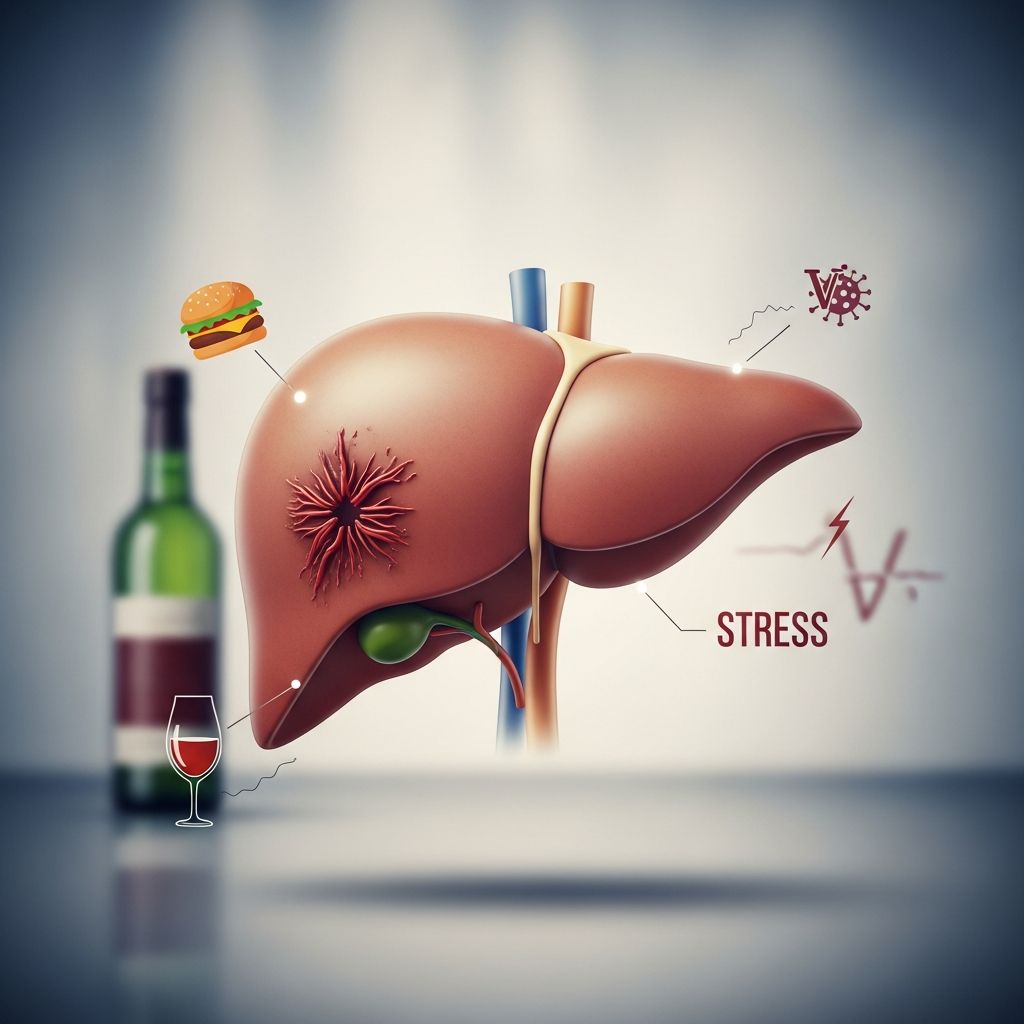
Understanding Your Liver Health: Five Critical Risk Factors
Your liver is one of the largest and most vital organs in your body, performing over 500 essential functions daily. It detoxifies harmful substances, processes nutrients, produces bile for digestion, regulates blood sugar levels, and synthesizes proteins necessary for blood clotting. Despite its remarkable resilience, your liver is vulnerable to various conditions that can compromise its function and lead to serious health complications. Understanding the risk factors that contribute to liver disease is essential for maintaining optimal health and preventing irreversible damage.
Liver disease affects millions of people worldwide and comes in many forms, including cirrhosis, hepatitis, fatty liver disease, and liver cancer. While some cases result from factors beyond your control, many are preventable through lifestyle modifications and awareness. If you have a family history of liver disease or engage in behaviors that stress the liver, it’s important to understand your personal risk profile and take proactive steps to protect this critical organ.
Risk Factor #1: Excessive Alcohol Consumption
Alcohol use remains one of the leading causes of liver disease in developed nations. When you drink alcohol, your liver must work to break it down and eliminate it from your body. However, the liver can only process a limited amount of alcohol at a time. When you consistently consume more alcohol than your liver can handle, it begins to accumulate damage.
Research shows that consuming just four drinks daily for men and two drinks daily for women can significantly increase your risk of liver disease. For women, a threshold of 20-30 grams of alcohol daily, compared to 40-50 grams for men, has been associated with increased risk, though the absolute risk of developing alcoholic liver disease ranges from 6 to 15 percent even among heavy drinkers. This means that while heavy drinking dramatically elevates risk, not all heavy drinkers develop liver disease, suggesting that individual genetic and environmental factors play important roles.
Alcohol-related liver damage progresses through several stages. Initially, fat accumulates in liver cells, causing alcoholic fatty liver disease, which is often reversible if drinking stops. With continued alcohol consumption, inflammation develops, leading to alcoholic hepatitis. Eventually, scarring can occur, resulting in cirrhosis, which is largely irreversible and can lead to liver failure and cancer.
Alcohol-related liver diseases include:
– Alcoholic fatty liver disease (fat buildup in the liver)- Alcoholic hepatitis (inflammation of the liver)- Cirrhosis (permanent scarring of the liver)- Liver cancer (hepatocellular carcinoma)
Risk Factor #2: Obesity and Metabolic Conditions
Obesity has emerged as a major risk factor for liver disease, particularly nonalcoholic fatty liver disease (NAFLD). In the United States, obesity affects a substantial portion of the population and is closely linked to liver health complications. Nonalcoholic fatty liver disease now affects 25% of the global population and is the most common liver disease worldwide. With 20 to 40 percent of the U.S. population affected by this condition, NAFLD represents a growing public health concern.
The connection between obesity and liver disease is multifaceted. Excess body weight, particularly abdominal fat distribution, contributes to insulin resistance, a condition where your body cannot effectively use the hormone insulin. This insulin resistance promotes the accumulation of fat within liver cells. Additionally, obesity is frequently associated with high cholesterol, high blood pressure, and type 2 diabetes—all conditions that further stress the liver and accelerate liver damage.
In nonalcoholic fatty liver disease, fat comprises more than 5-10% of liver weight. While simple steatosis (fat accumulation) may not cause immediate symptoms, it can progress to nonalcoholic steatohepatitis (NASH), characterized by inflammation and liver cell injury. NASH can lead to fibrosis, cirrhosis, and hepatocellular carcinoma. Obesity is also an important risk factor for accelerating liver damage in individuals who drink alcohol heavily.
Related Stories



Managing your weight through balanced nutrition and regular exercise is one of the most effective ways to reduce your liver disease risk. Even modest weight loss of 5-10% of your body weight can improve liver health and reduce liver fat.
Risk Factor #3: Viral Hepatitis Infections
Hepatitis, meaning inflammation of the liver, can be caused by several viruses. The most common forms are Hepatitis A, B, and C, each transmitted differently and carrying different risks for chronic liver disease. Viral hepatitis affects millions globally and represents a significant cause of cirrhosis and liver cancer.
Hepatitis A is typically transmitted through contaminated food or water and usually causes acute illness without leading to chronic liver disease. Most people recover completely, though the infection can cause severe symptoms in some individuals.
Hepatitis B and C, however, can persist in the body and cause chronic infection leading to cirrhosis and liver cancer. These viruses are transmitted through contact with infected blood or bodily fluids, including through sharing needles, unprotected sexual contact, or from mother to child during childbirth. Hepatitis B infection can be prevented through vaccination, and treatment options for both Hepatitis B and C have improved significantly in recent years.
Protective measures against viral hepatitis include:
– Getting vaccinated against Hepatitis A and B- Practicing safe sex and using protection consistently- Avoiding intravenous drug use or using sterile needles if you do- Being cautious with tattoos and piercings at reputable establishments- Seeking medical advice if exposed to the virus
Risk Factor #4: Genetic and Hereditary Factors
Genetics play a significant role in determining who develops liver disease. Researchers have identified several genetic risk factors that increase susceptibility to liver damage, even in the absence of obvious environmental triggers. Understanding your family history is crucial, as inherited conditions can substantially impact your liver health.
Hereditary Hemochromatosis is a genetic condition where the body absorbs and stores too much iron from food. This excess iron deposits in various organs, including the liver, causing damage that can lead to cirrhosis and liver cancer. Hemochromatosis is linked to mutations in the HFE gene, and if you inherit affected genes from both parents, you will develop the condition. The condition is most common among individuals of Northern European descent, affecting approximately 1 in 300 people in this population. About 1 in 10 men with hereditary hemochromatosis develop severe liver disease. Early detection through genetic testing and iron-lowering therapies can prevent liver damage.
Wilson’s Disease is another rare genetic condition affecting approximately 1 in 30,000 people worldwide. It causes copper to accumulate in the body, leading to liver disease, neurological problems, and psychiatric symptoms. Like hemochromatosis, Wilson’s disease requires both parents to carry the gene mutation. Early diagnosis and copper-reducing medications can prevent serious complications.
Additionally, genetic research has identified specific gene variants associated with increased risk of liver damage. A single-nucleotide polymorphism in the PNPLA3 gene (G allele) is the most important genetic factor associated with increased risk of alcoholic cirrhosis. This means that some individuals are genetically predisposed to develop liver disease from alcohol, while others may tolerate similar alcohol exposure with less liver damage.
If you have a family history of liver disease, consider the following steps:
– Discuss your family history with your healthcare provider- Ask about genetic testing if hereditary conditions are suspected- Avoid alcohol and other liver-stressing substances- Schedule annual liver enzyme tests to monitor liver function- Maintain a healthy lifestyle to reduce additional risk factors
Risk Factor #5: Exposure to Toxins and Other Environmental Factors
Your liver’s primary function is detoxification—filtering harmful substances from your blood. However, chronic exposure to certain toxins can overwhelm the liver’s capacity, leading to damage and disease. Beyond alcohol, multiple substances can harm your liver.
Common liver toxins include:
– Prescription medications (especially when taken in high doses or for extended periods)- Over-the-counter pain relievers like acetaminophen- Dietary supplements taken in excessive amounts- Anabolic steroids- Environmental pollutants and industrial chemicals- Certain herbal remedies
Acetaminophen is particularly concerning because it’s widely available in over-the-counter products and is often used without recognizing the risk of overdose. Consuming more than the recommended daily dose, especially when combined with alcohol, can cause severe liver damage. Similarly, some supplements marketed for health benefits can be hepatotoxic when taken in large quantities.
Chronic exposure to environmental toxins, workplace chemicals, and pollutants can gradually compromise liver function. Additionally, conditions like autoimmune hepatitis, where the immune system attacks liver cells, and other inflammatory conditions can lead to progressive liver damage if left untreated.
Additional Contributing Factors
Beyond the five primary risk factors, several other conditions increase liver disease risk. Type 2 diabetes significantly elevates risk of nonalcoholic fatty liver disease and its progression to cirrhosis. High cholesterol and metabolic syndrome—a cluster of conditions including high blood pressure, elevated blood sugar, excess body fat, and abnormal cholesterol levels—substantially increase liver disease risk. Smoking also damages the liver and accelerates disease progression in those with existing liver conditions.
Protecting Your Liver: Practical Steps
Understanding your risk factors empowers you to take action. If you’re concerned about your liver health or have a parent or sibling with liver disease, consult with your healthcare provider. Several steps can help reduce your risk:
– Limit alcohol consumption to moderate levels (no more than one drink daily for women, two for men)- Maintain a healthy weight through balanced diet and regular exercise- Get vaccinated against Hepatitis A and B- Practice safe behaviors to reduce infection risk- Avoid unnecessary medications and supplements- Monitor liver function through regular health checkups- Manage chronic conditions like diabetes and high cholesterol- Avoid sharing personal items like razors or toothbrushes- Seek early medical intervention if you have symptoms like jaundice, fatigue, or abdominal pain
Frequently Asked Questions
Q: Is liver disease genetic?
Yes, genetics play an important role in liver disease risk. Researchers have identified specific gene variants associated with increased susceptibility to liver damage. However, lifestyle factors including alcohol consumption, weight, and exposure to toxins also significantly influence whether you develop liver disease.
Q: Can liver disease be reversed?
Some forms of liver disease, particularly early-stage fatty liver disease, can be reversed through lifestyle modifications such as weight loss, alcohol cessation, and better management of metabolic conditions. However, advanced cirrhosis is generally irreversible, making early detection and intervention crucial.
Q: How often should I have my liver checked?
If you have risk factors for liver disease, discuss screening recommendations with your healthcare provider. This may include periodic liver enzyme tests, ultrasounds, or other imaging to monitor liver function and detect early signs of disease.
Q: What are the early signs of liver disease?
Early liver disease often causes no symptoms. As disease progresses, you may experience fatigue, abdominal pain, jaundice (yellowing of skin and eyes), dark urine, pale stools, itching, and swelling in the legs or abdomen. Seek medical attention if you develop any of these symptoms.
Q: If I drink alcohol, does that mean I’ll get liver disease?
Not necessarily. While heavy alcohol consumption significantly increases risk, the majority of heavy drinkers do not develop cirrhosis. Individual genetic factors, obesity, and other health conditions influence whether liver damage develops. However, eliminating or significantly reducing alcohol consumption greatly reduces your risk.
Q: What’s the difference between fatty liver disease and cirrhosis?
Fatty liver disease is an early stage where fat accumulates in liver cells but the liver structure remains relatively intact. Cirrhosis, by contrast, involves permanent scarring and significant loss of liver function. Fatty liver disease can progress to cirrhosis if underlying causes aren’t addressed.
References
- Epidemiology and risk factors for alcoholic liver disease — Johns Hopkins University, Department of Medicine. 2015. https://pure.johnshopkins.edu/en/publications/epidemiology-and-risk-factors-for-alcoholic-liver-disease
- Causes, Risk Factors and Treatment of Liver Disease — CyberKnife Miami. 2024. https://www.cyberknifemiami.com/causes-risk-factors-and-treatment-of-liver-disease
- Non-alcoholic Fatty Liver Disease — Johns Hopkins University, Department of Medicine. 2023. https://pure.johnshopkins.edu/en/publications/non-alcoholic-fatty-liver-disease
Similar Articles








Read full bio of medha deb