Gut Health: 5 Simple, Evidence-Based Ways To Improve
Boost digestion, immunity, and overall well-being with these science-backed gut health tips.
5 Simple Ways to Improve Gut Health
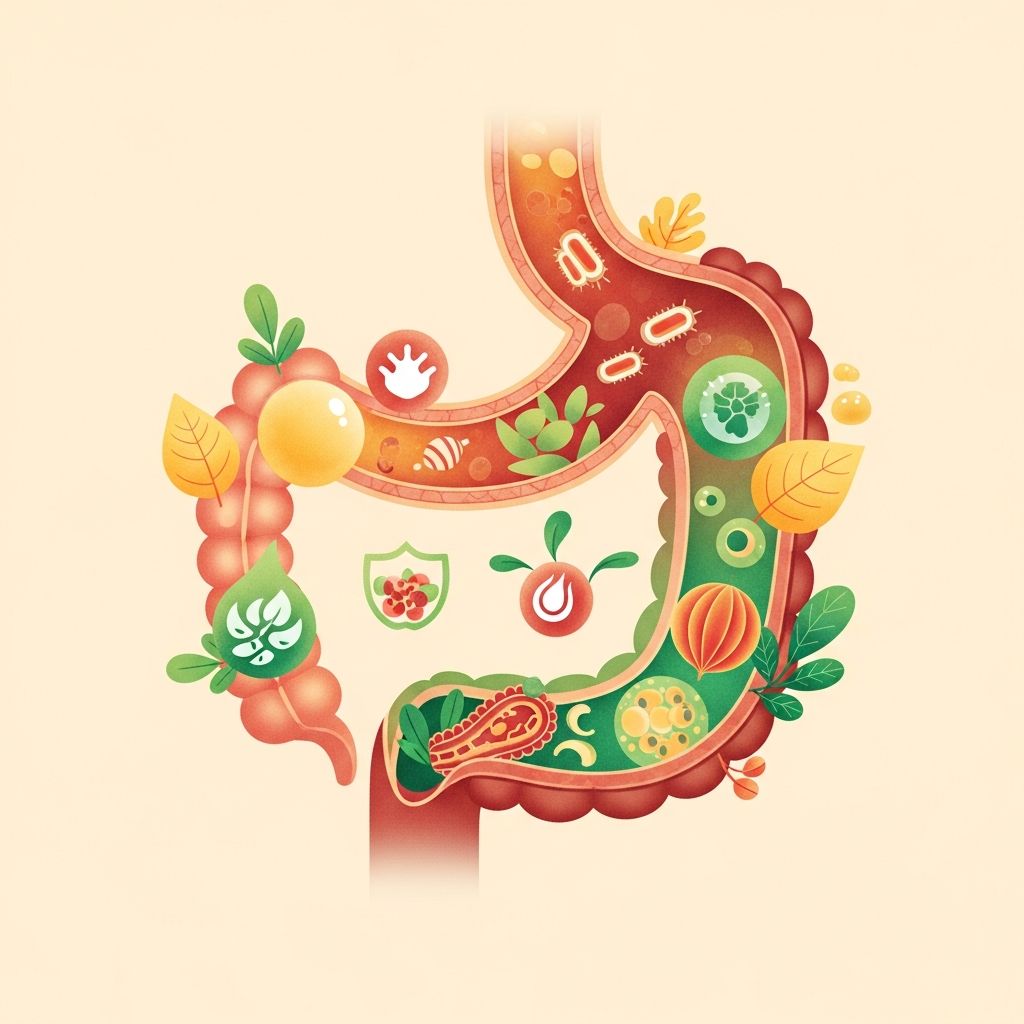
Improving gut health is one of the most effective steps you can take for your overall well-being. The gut microbiome—a complex community of trillions of bacteria and other microorganisms—plays a crucial role in digestion, immunity, metabolism, and even mental health. According to Harvard Health experts, small daily habits can have a big impact on gut health. Here are five simple, evidence-based strategies to help you maintain a healthy gut and support long-term wellness.
1. Eat a Diverse Range of Plant Foods
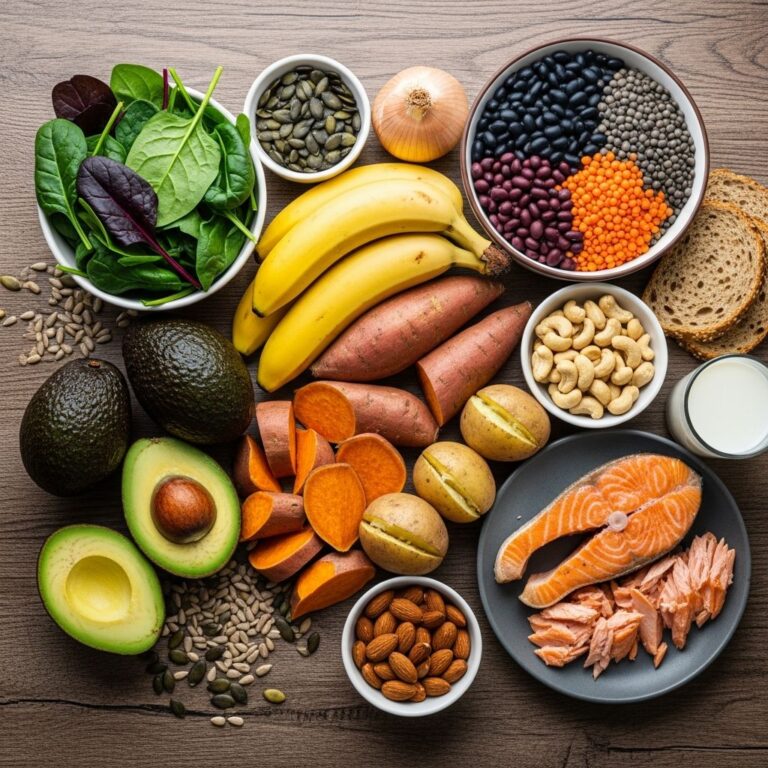
One of the most important things you can do for your gut is to eat a wide variety of plant foods. Different plants contain different types of fiber and nutrients, which feed a diverse range of beneficial bacteria in your gut.
- Include fruits, vegetables, whole grains, legumes, nuts, and seeds in your diet.
- Aim for at least 30 different plant foods each week to maximize gut diversity.
- Examples: apples, broccoli, lentils, oats, almonds, chia seeds, and spinach.
Research shows that people who eat a diverse diet have a more resilient and balanced gut microbiome, which is linked to better digestion, reduced inflammation, and lower risk of chronic diseases.
2. Increase Your Fiber Intake
Fiber is essential for gut health. It helps feed the beneficial bacteria in your gut, promotes regular bowel movements, and supports overall digestive function.
- Choose high-fiber foods like whole grains, beans, lentils, fruits, and vegetables.
- Gradually increase your fiber intake to avoid bloating or gas.
- Drink plenty of water to help fiber move through your digestive system.
The recommended daily fiber intake is about 25 grams for women and 38 grams for men. Most people fall short, so making a conscious effort to add more fiber-rich foods to your meals can make a big difference.
3. Incorporate Fermented Foods and Probiotics
Fermented foods and probiotics can help replenish and support the beneficial bacteria in your gut.
- Include foods like yogurt, kefir, sauerkraut, kimchi, miso, and kombucha in your diet.
- Look for products with live and active cultures.
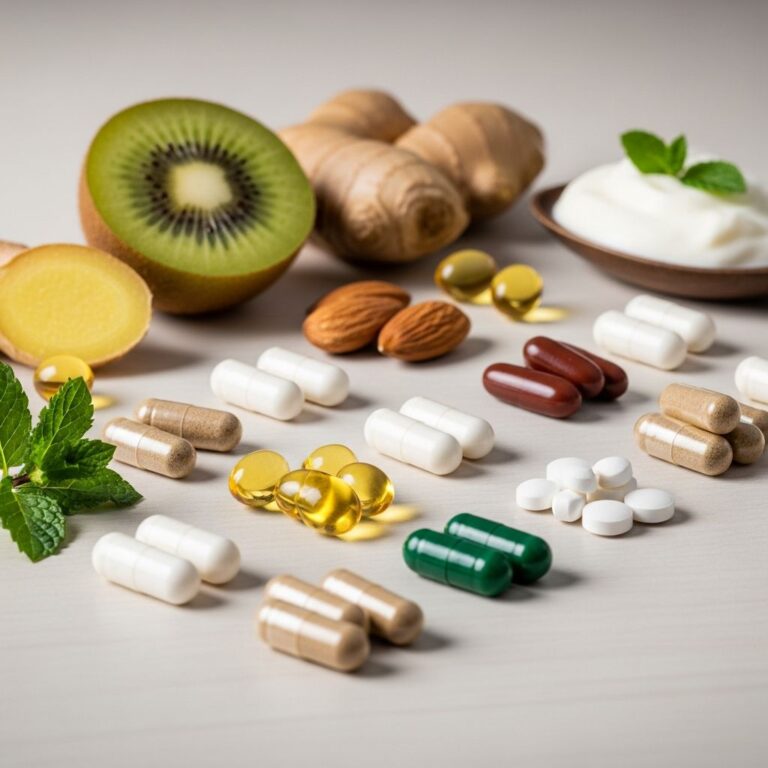
- Consider a probiotic supplement if recommended by your healthcare provider.
Probiotics can help restore balance to your gut microbiome, especially after taking antibiotics or during periods of digestive upset. However, it’s important to choose high-quality products and consult a healthcare professional if you have specific health concerns.
4. Limit Processed Foods and Added Sugars
Processed foods and added sugars can disrupt the balance of bacteria in your gut and promote the growth of harmful microbes.
- Avoid sugary snacks, sodas, and highly processed foods.
- Read food labels and choose whole, minimally processed ingredients.
- Focus on natural sources of sweetness, like fruit.
Studies have shown that diets high in processed foods and sugar are linked to reduced gut diversity, increased inflammation, and a higher risk of digestive disorders.
5. Practice Mindful Eating and Manage Stress
Your gut and brain are closely connected through the gut-brain axis. Stress and rushed eating can negatively impact digestion and gut health.
Related Stories



- Take time to sit down and enjoy your meals without distractions.
- Chew your food thoroughly to aid digestion.
- Practice stress-reducing techniques like deep breathing, meditation, or gentle exercise.
Mindful eating helps your body digest food more efficiently and can reduce symptoms like bloating and indigestion. Managing stress is also crucial, as chronic stress can disrupt the gut microbiome and lead to digestive issues.
Additional Tips for Gut Health
Beyond these five main strategies, there are several other habits that can support a healthy gut:
- Stay hydrated throughout the day.
- Get regular physical activity, which can help stimulate digestion.
- Avoid late-night eating, which can disrupt metabolism and gut function.
- Consider adding prebiotic foods like garlic, onions, and bananas to your diet.
FAQs About Gut Health
What is the gut microbiome?
The gut microbiome is the community of trillions of bacteria, viruses, fungi, and other microorganisms that live in your digestive tract. It plays a key role in digestion, immunity, and overall health.
How does gut health affect overall health?
A healthy gut supports digestion, nutrient absorption, immune function, and even mental health. An imbalanced gut microbiome has been linked to conditions like obesity, diabetes, heart disease, and depression.
Can probiotics help with digestive issues?
Yes, probiotics can help restore balance to the gut microbiome and may improve symptoms of digestive issues like bloating, constipation, and diarrhea. However, results can vary, and it’s best to consult a healthcare provider for personalized advice.
How long does it take to improve gut health?
Some changes, like increasing fiber intake or adding fermented foods, can have noticeable effects within a few days to weeks. However, long-term improvements in gut health require consistent healthy habits over time.
Summary Table: 5 Simple Ways to Improve Gut Health
| Strategy | Key Actions | Benefits |
|---|---|---|
| Eat a diverse range of plant foods | Include fruits, vegetables, whole grains, legumes, nuts, seeds | Supports gut diversity, reduces inflammation |
| Increase fiber intake | Choose whole grains, beans, lentils, fruits, vegetables | Promotes regular bowel movements, feeds beneficial bacteria |
| Incorporate fermented foods and probiotics | Yogurt, kefir, sauerkraut, kimchi, miso, kombucha | Restores gut balance, supports digestion |
| Limit processed foods and added sugars | Avoid sugary snacks, sodas, processed foods | Reduces inflammation, supports gut diversity |
| Practice mindful eating and manage stress | Chew thoroughly, eat without distractions, reduce stress | Improves digestion, reduces bloating |
References
- 5 Simple Ways to Improve Gut Health — Harvard Health Publishing. 2023. https://www.health.harvard.edu/staying-healthy/5-simple-ways-to-improve-gut-health
- The Gut Microbiome: How It Works and the Role of Nutrition — National Institutes of Health. 2022. https://www.ncbi.nlm.nih.gov/pmc/articles/PMC8838867/
- Probiotics and Prebiotics in Digestive Health — Mayo Clinic. 2023. https://www.mayoclinic.org/healthy-lifestyle/nutrition-and-healthy-eating/in-depth/probiotics/art-20043998
Similar Articles








Read full bio of medha deb