Undefined: 5 Essential Snack Foods To Eat While Pregnant
Discover nutritious snack options that support healthy pregnancy and fetal development.
5 Snack Foods to Eat While Pregnant
Pregnancy is a transformative time in a woman’s life, and maintaining proper nutrition is essential for both maternal health and fetal development. The nutritional demands during pregnancy increase significantly, requiring expectant mothers to be thoughtful about their dietary choices. Rather than simply eating more, the key philosophy is to “eat better, not more” by incorporating nutrient-dense, whole foods into your daily routine. Snacking plays a crucial role in pregnancy nutrition, as frequent, balanced meals and snacks help manage energy levels, prevent excessive hunger, and ensure consistent nutrient intake throughout the day.
Understanding which snacks provide maximum nutritional benefit is vital for a healthy pregnancy. This article explores five essential snack foods that pregnant women should incorporate into their daily diet to support fetal development, maintain energy levels, and promote overall maternal wellness.
The Importance of Proper Nutrition During Pregnancy
During pregnancy, a woman’s body undergoes significant physiological changes that require increased quantities of certain vitamins, minerals, and nutrients. Pregnant women need more calcium for fetal bone development, iron to prevent anemia and support increased blood volume, and folic acid (approximately 600 mg daily) to help prevent neural tube defects and support proper fetal development. These increased nutritional demands cannot be met by simply eating larger portions; instead, pregnant women must focus on consuming foods with higher nutritional density.
Research demonstrates that women who follow “health-conscious” or “prudent” eating patterns before and during pregnancy experience fewer pregnancy complications and improved child health outcomes. Conversely, many pregnant women struggle to meet recommended nutritional guidelines. Studies show that more than half of pregnant women consume an inadequate number of servings from essential food groups, with nearly 39% of calories coming from foods containing added sugars and solid fats.
Snacking strategically throughout the day provides an opportunity to bridge nutritional gaps and maintain stable blood sugar levels, which is particularly important for managing morning sickness and preventing gestational diabetes. Well-chosen snacks can help pregnant women achieve balanced macronutrient intake, which research confirms provides the best chance for healthy pregnancy and optimal perinatal outcomes.
Understanding Prenatal Nutrient Requirements
Before exploring specific snack foods, it’s important to understand what nutritional components pregnant women need in abundance:
Essential Nutrients for Pregnancy
| Nutrient | Importance | Daily Need |
|---|---|---|
| Folic Acid | Prevents neural tube defects and supports fetal development | 600 mcg |
| Iron | Supports increased blood volume and prevents anemia | 27 mg |
| Calcium | Essential for fetal bone development and maternal health | 1000 mg |
| Protein | Supports tissue growth for mother and baby | 71 grams |
| Fiber | Prevents constipation, a common pregnancy complaint | 28 grams |
Snack Food #1: Fresh Fruits and Berries
Fresh fruits represent one of the most accessible and nutritious snack options for pregnant women. Fruits provide essential vitamins, minerals, fiber, and natural sugars that deliver quick energy without causing blood sugar spikes. Keeping a bowl of fresh fruits such as apples, bananas, peaches, oranges, and grapes within easy reach makes it convenient to grab a healthy snack throughout the day.
Key Benefits:
– Excellent source of vitamin C, which enhances iron absorption- High in dietary fiber to prevent pregnancy-related constipation- Contain natural sugars for sustained energy- Rich in potassium for blood pressure regulation- Contain folate and other B vitamins essential for fetal development
Recommended Servings: Aim for 2-3 fruit servings daily as part of your snacking routine. One serving equals one medium fruit or one cup of berries.
Berries deserve special mention as a superior snack choice during pregnancy. Blueberries, strawberries, raspberries, and blackberries are nutrient powerhouses containing anthocyanins and other antioxidants that support maternal health. They’re also naturally low in calories while providing substantial nutritional value, making them ideal for weight management during pregnancy.
Related Stories



Snack Food #2: Whole Grains and Cereals
Whole-grain cereals, whole-wheat bread, and brown rice form the foundation of a pregnancy-friendly diet and serve as excellent snacking options. Unlike refined grains, whole grains retain their bran, germ, and endosperm, preserving valuable nutrients and fiber content that support digestive health and stable blood sugar levels.
Why Whole Grains Matter:
– Rich in B vitamins that support energy metabolism and fetal development- High in fiber to combat pregnancy-related constipation- Provide sustained energy without rapid blood sugar fluctuations- Contain magnesium for muscle function and stress reduction- Offer more satiety than refined grain alternatives
For pregnant women experiencing morning sickness, dry whole-wheat or whole-grain toast eaten before rising from bed can be remarkably effective at settling the stomach. This snack strategy allows the digestive system to gradually adjust while providing important carbohydrates to stabilize blood sugar upon waking.
Practical Snacking Ideas:
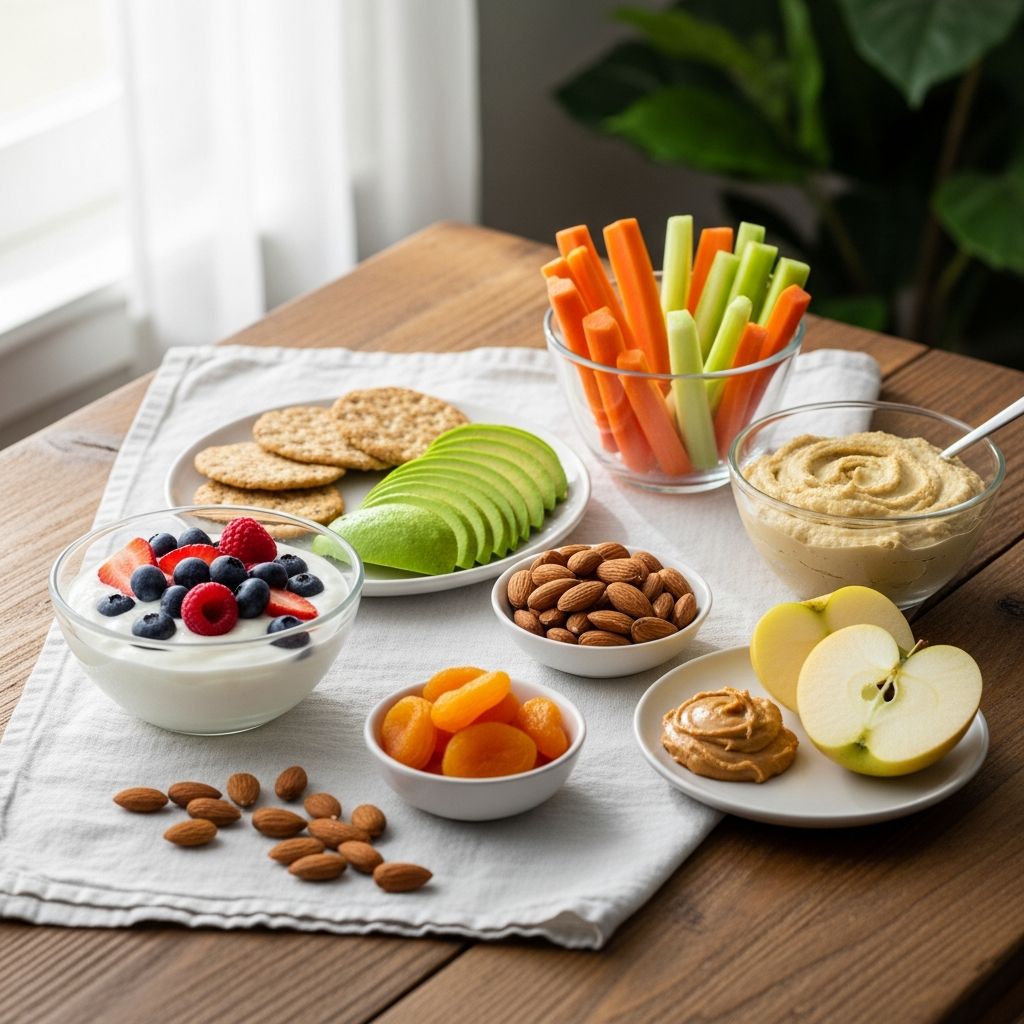
– Whole-grain crackers with cheese- Oatmeal with fresh berries and nuts- Whole-wheat toast with almond butter- Brown rice cakes with avocado- High-fiber breakfast cereals with low-fat milk
Snack Food #3: Nuts, Seeds, and Legumes
Nuts, seeds, and legumes represent nutritional powerhouses for pregnant women, offering concentrated sources of protein, healthy fats, minerals, and vitamins. These plant-based snacks provide omega-3 fatty acids, which are crucial for fetal brain and eye development.
Nutritional Advantages:
– Complete protein sources supporting tissue development- Contain omega-3 and omega-6 fatty acids for fetal neurological development- Rich in minerals including zinc, magnesium, and iron- Provide fiber for digestive health- High in vitamin E and other antioxidants
Recommended nuts and seeds for pregnancy snacking include almonds, walnuts, sunflower seeds, pumpkin seeds, and chia seeds. A small handful (approximately one ounce) of nuts or seeds provides optimal nutrition without excessive calories. Legumes such as chickpeas, lentils, and black beans offer similar benefits and can be incorporated into snacks as hummus, roasted chickpeas, or bean-based dips.
For pregnant women concerned about weight gain, nuts and seeds provide satiety and nutrient density, meaning a small portion delivers substantial nutritional benefit compared to processed snacks. The healthy monounsaturated and polyunsaturated fats in these foods support absorption of fat-soluble vitamins and contribute to fetal development.
Snack Food #4: Vegetables and Vegetable-Based Snacks
Vegetables deserve prominent placement in any pregnancy snacking strategy. Fresh, frozen, and canned vegetables provide rapid access to vitamins, minerals, and fiber with minimal calories, making them ideal for maintaining healthy pregnancy weight gain.
Pregnancy-Friendly Vegetable Snacks:
– Raw vegetable sticks (carrots, celery, bell peppers, cucumber) with hummus or yogurt dip- Roasted chickpeas or other legumes- Vegetable soup as a warm, comforting snack- Steamed edamame sprinkled with sea salt- Mixed vegetable salads with nuts or seeds- Roasted vegetables with olive oil and herbs
Vegetables high in folate are particularly valuable for pregnant women, as folate supports fetal neural development and helps prevent birth defects. Dark leafy greens such as spinach, kale, and arugula are exceptional choices. Additionally, colorful vegetables like sweet potatoes, bell peppers, and tomatoes provide carotenoids and vitamin C that support immune function and iron absorption.
The fiber content in vegetables addresses one of the most common pregnancy complaints: constipation. Combined with adequate water intake and regular physical activity, vegetable-rich snacking helps maintain digestive health throughout pregnancy.
Snack Food #5: Dairy Products and Protein Sources
Dairy products and other protein sources are essential components of pregnancy nutrition, providing calcium, protein, and other crucial nutrients. Yogurt, milk, cheese, and cottage cheese serve as convenient, portable snacks that support bone health for both mother and developing baby.
Recommended Dairy Snack Options:
– Plain or Greek yogurt with berries and granola- Low-fat or fat-free milk- String cheese or cheese cubes- Cottage cheese with fruit- Smoothies made with yogurt and fruit- Cheese and whole-grain crackers
Greek yogurt deserves special attention as a pregnancy superfood. It contains nearly double the protein of regular yogurt while being lower in sugar, making it ideal for maintaining stable blood sugar and supporting fetal tissue development. The probiotics in yogurt also support digestive health and may enhance immune function during pregnancy.
For pregnant women who experience lactose intolerance or prefer non-dairy options, plant-based alternatives such as fortified almond milk, soy milk, or oat milk can provide similar nutritional benefits. Hard cheeses are generally safe during pregnancy, unlike soft cheeses such as feta, brie, and goat cheese, which may harbor harmful bacteria.
Practical Strategies for Healthy Pregnancy Snacking
Keep Healthy Snacks Readily Available
Convenience significantly influences snacking choices. Pregnant women should maintain accessible supplies of healthy snacks at home, work, and while traveling. Pre-portioned snack containers, washed and cut vegetables, and individual nut portions require minimal preparation while maximizing nutritional intake.
Eat Frequently to Manage Nausea and Blood Sugar
Smaller, more frequent meals and snacks help manage morning sickness and stabilize blood sugar throughout the day. Many pregnant women find that eating every two to three hours prevents the nausea that often accompanies an empty stomach. Strategic snacking between meals maintains energy and nutrient supply to the developing fetus.
Hydration is Equally Important
Adequate fluid intake supports nutrient transport, temperature regulation, and amniotic fluid production. Water should be the primary beverage, though herbal teas, sparkling water, and milk-based drinks contribute to hydration goals. Pregnant women should aim for 8-10 glasses of water daily, adjusting for climate and activity level.
Avoid Foods and Beverages That Pose Risk
While focusing on healthy snacks, pregnant women must also understand which foods to avoid. High-mercury fish such as shark, swordfish, king mackerel, and tilefish should be eliminated from the diet. Alcohol should be completely avoided, as even small amounts can harm fetal development. Raw or undercooked meat, poultry, and fish may contain harmful bacteria and should not be consumed during pregnancy.
Soft cheeses made with unpasteurized milk, ready-to-eat meats, hot dogs, and deli meats may contain listeria bacteria harmful to pregnancy and should be avoided unless thoroughly heated until steaming hot. Caffeine should be limited to no more than 200 mg daily, equivalent to one 12-ounce cup of coffee.
Managing Special Pregnancy Conditions Through Snacking
Morning Sickness Relief
Women experiencing morning sickness should eat small, frequent snacks rather than three large meals. Dry whole-grain toast, crackers, or ginger-flavored snacks may ease nausea. Eating before rising from bed and keeping snacks by the bedside helps manage symptoms effectively.
Heartburn Management
For pregnant women experiencing heartburn, smaller, more frequent snacks are preferable to large meals. Avoiding spicy, fatty, or fried foods, eating slowly, and not lying down immediately after eating can minimize discomfort. Consuming beverages between snacks rather than with them also helps reduce heartburn symptoms.
Gestational Diabetes Prevention
Pregnant women at risk for gestational diabetes benefit from snacks combining complex carbohydrates with protein and healthy fats to maintain stable blood sugar. Nuts with fruit, yogurt with berries, or cheese with whole grains provide balanced nutrition that prevents rapid glucose fluctuations.
Frequently Asked Questions About Pregnancy Snacking
Q: How many snacks should I eat per day during pregnancy?
A: Most pregnant women benefit from 2-3 snacks daily in addition to three main meals. Individual needs vary based on activity level, body size, and pregnancy-related symptoms. Consult with your healthcare provider to determine appropriate snacking frequency for your situation.
Q: Can I gain too much weight from snacking during pregnancy?
A: Strategic snacking on nutrient-dense foods actually helps prevent excessive weight gain by maintaining stable blood sugar and preventing overeating at main meals. Focus on whole foods rather than processed snacks, and pay attention to portion sizes.
Q: Are cravings during pregnancy normal?
A: Yes, cravings are normal during pregnancy due to hormonal changes and nutritional needs. However, if you crave non-food items such as laundry starch or clay, consult your healthcare provider, as this may indicate nutrient deficiencies.
Q: Should I take prenatal vitamins if I’m eating a healthy diet?
A: Yes, prenatal vitamins are recommended for all pregnant women, even those eating well. These supplements ensure adequate intake of folic acid, iron, and calcium—nutrients difficult to obtain in sufficient quantities through food alone.
Q: What’s the difference between eating “for two” and eating “better”?
A: Eating “for two” implies doubling calorie intake, which leads to excessive weight gain and pregnancy complications. Eating “better” means consuming nutrient-dense foods that meet increased vitamin and mineral needs without dramatically increasing calories. Most pregnant women need only 300 additional calories daily beyond their pre-pregnancy needs.
Conclusion: Making Snacking Work for Your Pregnancy
Healthy snacking during pregnancy is not about restriction or deprivation; rather, it represents an opportunity to nourish both maternal health and fetal development through thoughtful food choices. By incorporating these five snack categories—fresh fruits, whole grains, nuts and seeds, vegetables, and dairy products—into your daily routine, you provide your body and developing baby with essential nutrients for optimal health outcomes.
The philosophy of “eat better, not more” guides healthy pregnancy nutrition. Each snack choice represents an investment in your baby’s development and your own well-being during this transformative time. By keeping nutritious snacks readily available, eating frequently to manage symptoms, and avoiding foods that pose risk, you create the nutritional foundation for a healthy pregnancy and a strong start for your newborn.
Remember that individual nutritional needs vary based on age, activity level, pre-pregnancy weight, and overall health status. Your healthcare provider can offer personalized guidance on snacking strategies tailored to your specific pregnancy circumstances. With mindful attention to nutrition and strategic snacking, you can navigate pregnancy while supporting both your health and your baby’s optimal development.
References
- Your Health during Pregnancy — Johns Hopkins Aramco Healthcare. Accessed December 2025. https://www.jhah.com/en/news-events/in-focus/your-health-during-pregnancy/
- The Importance of Nutrition in Pregnancy and Lactation — Dieterich, C., et al., National Center for Biotechnology Information, PMC. 2022. https://pmc.ncbi.nlm.nih.gov/articles/PMC9182711/
Similar Articles








Read full bio of Sneha Tete