5 Things That Can Help You Pass Kidney Stones
Effective strategies and natural remedies to help pass kidney stones safely and manage pain.
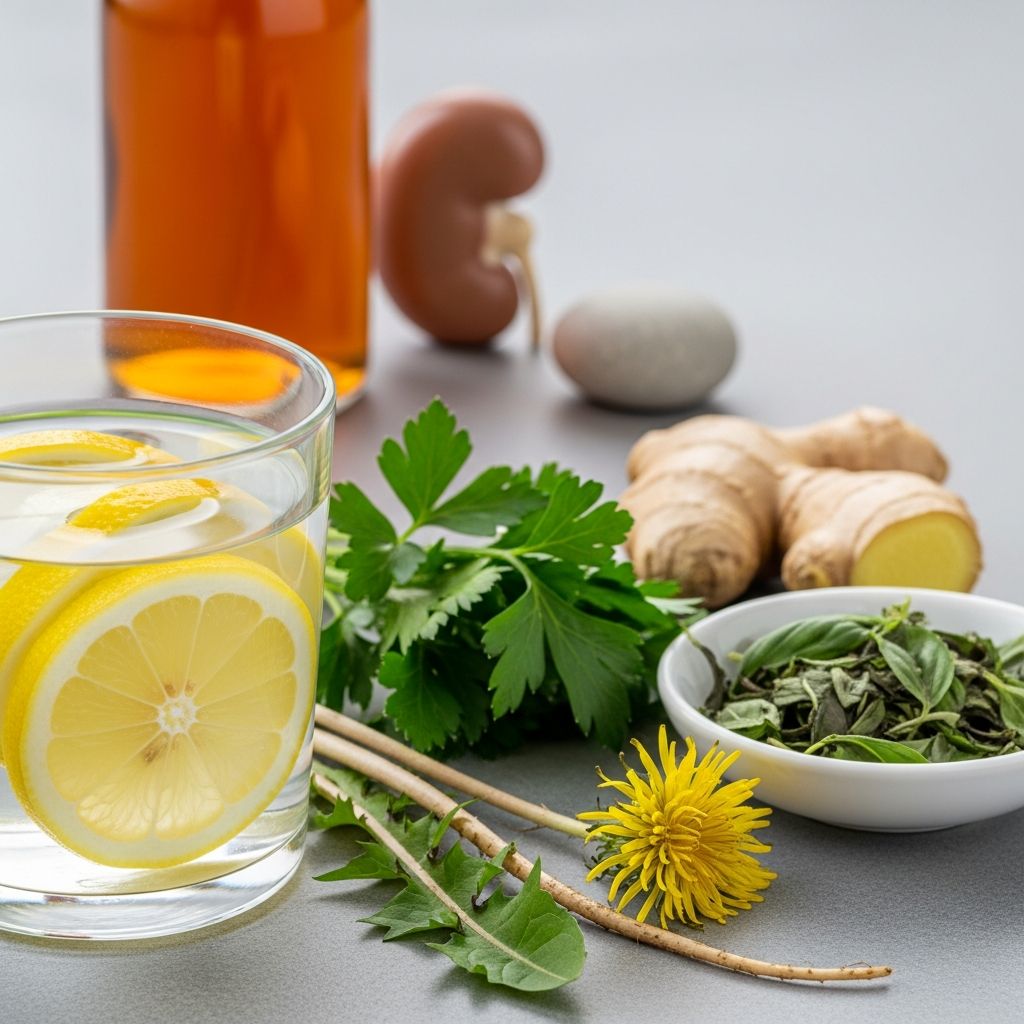
Kidney stones are a painful condition that affects millions of people each year. When you’re dealing with the intense discomfort of a kidney stone, you want relief as quickly as possible. While some stones require medical intervention, many can pass naturally with the right approach. Harvard Medical School experts have identified several evidence-based strategies that can help facilitate the passage of kidney stones and manage the associated pain. Understanding these five key methods can significantly improve your experience during this challenging time.
Understanding Kidney Stones
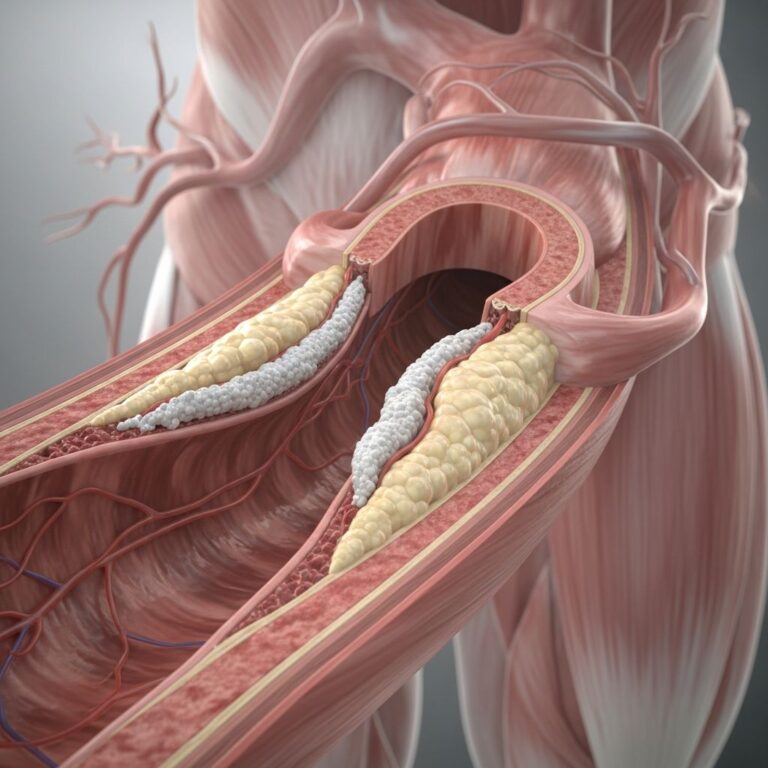
Before exploring the strategies to help pass kidney stones, it’s important to understand what they are and why they form. Kidney stones are hard mineral deposits that develop in the kidneys when certain substances in the urine become concentrated. The most common type is calcium oxalate stones, which account for the majority of kidney stone cases. These stones vary in size, from tiny crystals to larger formations that can cause significant complications. When a stone begins to move through the urinary tract, it can cause severe pain and other symptoms that prompt people to seek immediate relief.
1. Stay Hydrated: The Most Critical Factor
Hydration stands as the single most important factor in helping kidney stones pass naturally. Drinking adequate fluids increases urine production, which helps flush the stone through the urinary system. Medical professionals from Harvard Medical School emphasize that producing sufficient urine volume is essential for stone passage.
Recommended fluid intake: Aim to drink at least three to four liters of fluid daily, or approximately 100 ounces. This increased hydration helps dilute your urine and promotes the movement of the stone through the urinary tract. The goal is to produce at least two and a half liters of urine per day, which requires consistent fluid consumption throughout the day.
Water is the best choice for hydration, but other fluids can contribute to your daily intake. Herbal teas, particularly those without caffeine, can be beneficial. Some beverages to consider include:
- Plain water (the most effective option)
- Herbal teas without caffeine
- Coconut water (contains potassium which may help prevent future stones)
- Fresh lemon juice with water (citrate in lemon may inhibit stone formation)
Avoid or limit beverages that may worsen your condition, such as caffeinated drinks, alcohol, and sugary beverages. These can actually increase the concentration of stone-forming substances in your urine.
2. Manage Pain Effectively
Passing a kidney stone is notoriously painful, and managing this discomfort is crucial for your wellbeing during the passage process. Pain management strategies can make the experience more tolerable and help you maintain focus on other recovery measures.
Over-the-counter pain relief: Nonsteroidal anti-inflammatory drugs (NSAIDs) such as ibuprofen are often recommended as a first-line treatment for kidney stone pain. These medications not only relieve pain but also reduce inflammation in the urinary tract, which can facilitate easier passage of the stone.
Heat therapy: Applying heat to the affected area can provide significant relief. Many people find comfort in using heating pads on the back or abdomen where the stone is located. A warm bath can also help relax muscles and ease discomfort. Heat therapy is often combined with other pain management strategies for optimal results.
When to seek medical care: If over-the-counter medications don’t adequately control your pain, consult with a healthcare provider. Your doctor may prescribe stronger pain medications to help you manage the discomfort during the stone passage.
Related Stories



3. Incorporate Physical Activity and Movement
While it might seem counterintuitive, moderate physical activity can actually help facilitate kidney stone passage. Movement encourages the stone to progress through the urinary tract and can increase overall urine production.
Beneficial activities: Gentle to moderate exercise such as walking, hiking, or light jogging can be helpful. The key is to maintain consistent, moderate activity rather than intense exercise. Many patients report that increased physical activity correlates with stone passage within hours or days of increasing their movement.
Positioning and movement techniques: Changing positions throughout the day and engaging in regular movement helps prevent the stone from becoming lodged. However, avoid strenuous exercise or activities that could cause trauma, as these may worsen your condition.
Rest when needed: While movement is beneficial, ensure you get adequate rest as well. Your body needs energy to manage the stone passage, so balance activity with sufficient sleep and relaxation.
4. Follow Dietary Modifications
What you eat and drink can significantly impact kidney stone passage and future stone prevention. Making strategic dietary changes can help facilitate the current stone’s passage while reducing the risk of future stone formation.
Increase calcium intake: Contrary to common misconceptions, consuming adequate dietary calcium is crucial. Research from Harvard shows that a low-calcium diet actually increases the risk of kidney stone formation. Calcium binds with oxalate in the digestive tract, preventing it from being absorbed and concentrated in urine. Aim for adequate calcium through food sources like dairy products, leafy greens (low-oxalate varieties), and fortified plant-based alternatives.
Reduce oxalate consumption: Limit foods high in oxalate, which is a primary component of most kidney stones. High-oxalate foods to minimize include:
- Spinach and other leafy greens high in oxalate
- Almonds and certain nuts
- Chia seeds
- Dark chocolate
- Sweet potatoes
- Beets
Limit sodium intake: Reducing salt consumption helps decrease calcium excretion in the urine, which lowers stone-forming risk. Aim to keep sodium intake below 2,300 mg per day, and ideally closer to 1,500 mg daily.
Moderate protein consumption: Limit excessive protein intake, particularly from animal sources. High protein diets increase uric acid and calcium in the urine, promoting stone formation. Focus on lean proteins and plant-based protein sources.
Reduce added sugars: Limit foods and beverages with added sugars, as high sugar intake is associated with increased kidney stone risk.
5. Seek Professional Medical Evaluation
While many kidney stones pass naturally, professional medical evaluation is essential to ensure the stone is indeed passable and to rule out complications.
When to see a doctor: Contact a healthcare provider if you suspect you have a kidney stone or if your pain is severe and unmanageable. Your doctor can perform imaging tests to determine the stone’s size and location, which are crucial factors in determining whether it can pass naturally.
Metabolic workup: Healthcare professionals recommend a thorough metabolic evaluation to identify the underlying causes of kidney stone formation. This evaluation includes reviewing your medical history, medications, diet, family history, and lifestyle factors. Blood and urine tests can reveal abnormalities in calcium, oxalate, uric acid, and other stone-forming substances.
Prevention strategies: Based on your evaluation, your healthcare provider can recommend personalized prevention strategies. This may include specific dietary modifications, medications, or both. Research from Harvard and other leading institutions shows that up to 80% of kidney stones can be prevented with appropriate interventions.
Medical treatments if needed: If your stone is too large to pass naturally or if you have complications, several medical treatments are available. These include extracorporeal shock wave lithotripsy (ESWL), which uses sound waves to break up the stone, and other minimally invasive procedures that urologists can perform.
Lifestyle Considerations for Stone Passage
Beyond the five main strategies, several lifestyle factors can support your recovery and facilitate stone passage. Maintaining a consistent routine, avoiding extreme temperatures, and managing stress can all contribute to your overall wellbeing during this challenging time.
It’s important to track your symptoms and progress. Note when you pass the stone and any changes in your urine color or appearance. This information can be valuable for your healthcare provider in assessing your condition and preventing future stones.
Long-term Prevention After Stone Passage
Once you’ve passed a kidney stone, the focus shifts to prevention. Research from Harvard Medical School shows that without preventive measures, individuals who have had one kidney stone have a significant risk of developing another within five to seven years. However, this risk can be substantially reduced through the strategies mentioned above, combined with personalized medical management based on your individual risk factors.
Regular follow-up with your healthcare provider is recommended to monitor for any recurrence and to adjust your prevention strategy as needed.
Frequently Asked Questions (FAQs)
Q: How long does it typically take to pass a kidney stone?
A: The timeframe varies depending on the stone’s size and location. Small stones may pass within a few days to a few weeks with proper hydration and management. Larger stones may require medical intervention. Following the five strategies mentioned can expedite the passage process significantly.
Q: Is it safe to pass a kidney stone at home?
A: Many stones can pass safely at home with appropriate management, but professional medical evaluation is essential first. Your doctor needs to confirm the stone size, composition, and location to determine if home management is appropriate. Stones larger than 6mm or those causing complications typically require medical intervention.
Q: Can I exercise while passing a kidney stone?
A: Moderate, gentle activity like walking can actually help facilitate stone passage. However, avoid strenuous exercise or activities that could cause trauma to the affected area. Listen to your body and adjust activity levels based on your pain and comfort.
Q: What role does calcium play in kidney stone prevention?
A: Adequate dietary calcium is crucial for kidney stone prevention. Calcium binds with oxalate in the digestive system, preventing its absorption and reducing its concentration in urine. Ironically, low-calcium diets increase kidney stone risk rather than decreasing it.
Q: Should I strain my urine to catch the stone?
A: Yes, if you want to identify the stone composition. Your doctor may request you strain your urine and save the stone for analysis. Knowing your stone’s composition helps guide personalized prevention strategies.
Q: Are there long-term health complications from kidney stones?
A: Recent research from Harvard and Brigham and Women’s Hospital shows that individuals with a history of kidney stones have a higher risk of developing cardiovascular disease later in life. This is another important reason to focus on prevention and management.
References
- Kidney Stones: Management, Treatment and Prevention — Brigham and Women’s Hospital. 2024. https://www.brighamandwomens.org/medicine/renal/services/kidney-stones-treatment-video
- Dietary Tips to Prevent Kidney Stones — Massachusetts General Hospital. 2024. https://www.massgeneral.org/children/kidney-stones/diet-tips-to-prevent-kidney-stones
- What Harvard is Telling Us About Preventing Kidney Stones — Kidney Stone Diet. 2024. https://kidneystonediet.com/what-harvard-is-telling-us-about-preventing-kidney-stones/
- Kidney Stones: Symptoms, Causes & Treatment — Harvard Medical School. 2024. https://www.youtube.com/watch?v=JP9qXU3nEP4
- Dietary Calcium and the Risk of Kidney Stones — National Institute of Diabetes and Digestive and Kidney Diseases (NIDDK), National Institutes of Health. 2023. https://www.niddk.nih.gov/health-information/kidney-disease/kidney-stones
Similar Articles








Read full bio of medha deb