5 Things to Know About Exercising During Your Period
Discover essential insights on working out during menstruation to ease cramps, boost mood, and enhance well-being effectively.
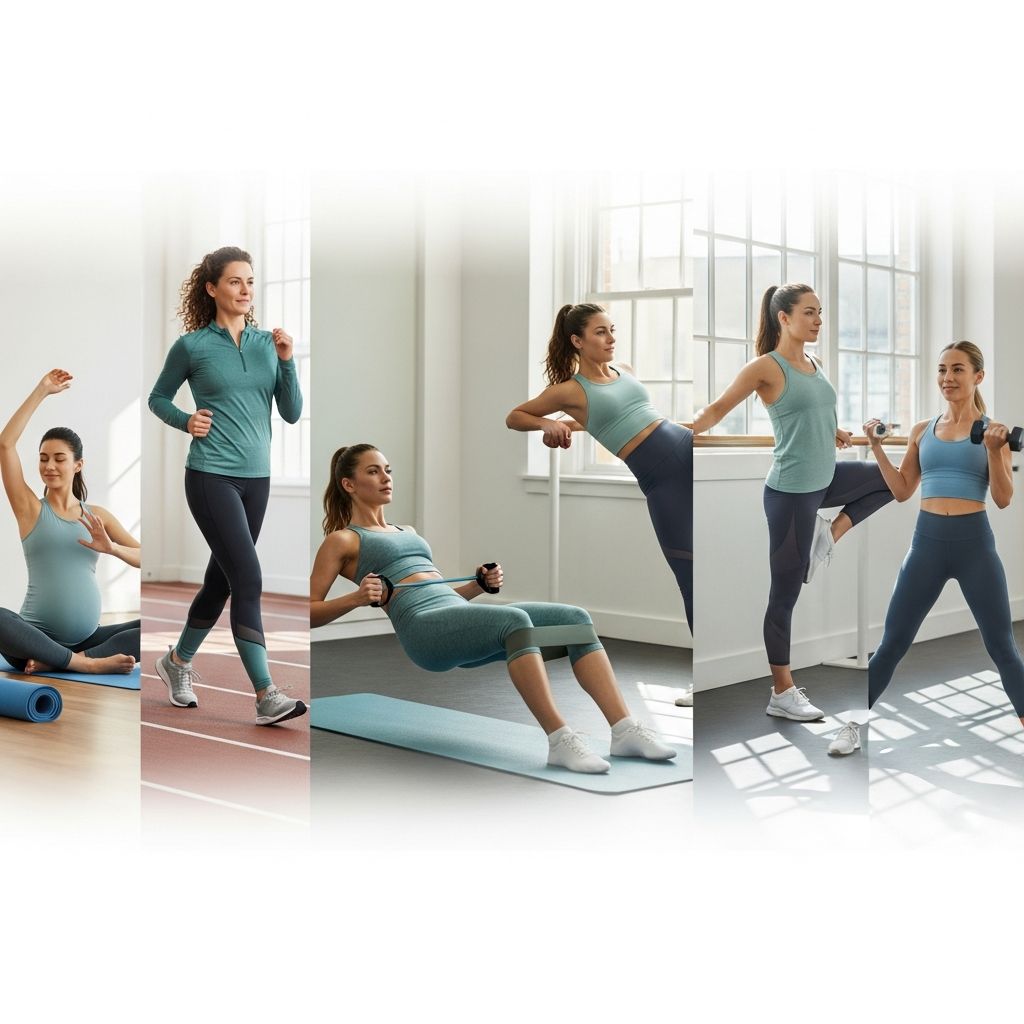
Exercising during your menstrual cycle can transform how you feel, offering relief from common discomforts like cramps, bloating, and low energy. Many women hesitate to work out during their period due to fatigue or pain, but research consistently shows that movement supports hormonal balance, mood elevation, and physical comfort throughout the cycle. This article outlines five essential insights, drawing from expert recommendations and studies, to help you navigate workouts effectively during menstruation.
1. Yes, You Can—and Should—Exercise During Your Period
Movement is not only safe but beneficial during menstruation. According to physical therapists and health authorities, regular exercise helps mitigate period-related symptoms by increasing blood flow to the pelvic area, releasing endorphins, and reducing inflammation. The Office on Women’s Health confirms that women can maintain or even increase workout intensity at certain cycle points, with no overall impact on exercise ability.
During the menstrual phase (days 1-5), estrogen and progesterone levels are low, which may cause fatigue, but gentle activity counters this by boosting energy and mood. Studies indicate that women who exercise regularly experience fewer painful cramps, as activity relaxes uterine muscles and decreases prostaglandin production—the compounds responsible for cramping. For instance, aerobic exercises like walking or yoga have been linked to shorter cycles and less severe symptoms in non-athlete women.
- Boosts mood and energy: Endorphins released during exercise combat grumpiness and lethargy common in week 1 of the cycle.
- Supports overall cycle health: Consistent movement at every phase, including menstruation, promotes hormonal equilibrium.
- No performance drop: Research finds no differences in strength or speed across the cycle, except minor endurance challenges pre-period in hot conditions.
Start with low-impact options if you’re new to period workouts. A simple 20-minute walk can elevate serotonin levels, mimicking the effects of ‘happy hormones’ that alleviate PMS-like symptoms.
2. Exercise Can Ease Cramps and Other Discomforts
One of the most compelling reasons to move during your period is cramp relief. Clinical evidence suggests that regular physical activity significantly reduces primary dysmenorrhea (menstrual pain) by improving circulation and relaxing tense pelvic floor muscles. A study on aerobic exercise showed marked decreases in cramp severity after eight weeks.
Beyond cramps, exercise targets bloating, constipation, breast tenderness, and low back pain. By enhancing pelvic blood flow, stretches and light cardio loosen spasming muscles, while yoga poses specifically target the abdomen. Physical therapist Heidi Austin notes that these movements distract from pain and promote relaxation.
| Symptom | How Exercise Helps | Example Activities |
|---|---|---|
| Cramps | Relaxes uterine muscles, reduces prostaglandins | Yoga, walking |
| Bloating/Gas | Increases circulation, aids digestion | Side lunges, child’s pose |
| PMS Mood Swings | Releases endorphins and serotonin | Cycling, swimming |
| Low Back Pain | Strengthens core, improves flexibility | Pelvic tilts, gentle stretches |
Research from The Royal Women’s Hospital supports that active women report less mood disturbance and pain, attributing benefits to neurotransmitter release. However, while observational data is strong, high-quality randomized trials are ongoing to refine protocols.
3. Opt for Gentle, Low-Impact Workouts
Not all exercises suit every period day. Prioritize low-intensity activities to avoid exacerbating fatigue or leakage concerns. Recommendations include walking, swimming, cycling, yoga, tai chi, and elliptical training, which provide relief without strain.
Related Stories



These modalities increase endorphin flow gently, easing symptoms more effectively than high-intensity sessions during heavy flow days. For example, child’s pose in yoga opens the hips and soothes the lower back, while side lunges target pelvic tension.
- Child’s Pose: Kneel, sit hips back to heels, arms forward, relax chest down. Hold 30-60 seconds for abdominal relief.
- Side Lunges: Feet wide, bend one knee, hold, alternate. Improves hip mobility and reduces bloating.
- Walking: 20-30 minutes daily builds endurance without impact.
- Swimming: Buoyancy eases joint pressure; ideal for day 2-3.
- Yoga Flows: Poses like cat-cow or supine twists target core gently.
- Pelvic Floor Exercises: Kegels counteract tension spasms.
Track your cycle in a fitness journal to identify peak energy days—often mid-cycle—and adjust accordingly. Hormonal birth control may blunt fluctuations, but listening to your body remains key.
4. Listen to Your Body and Adjust Intensity
Every period varies; what works one month may not the next. Scale back if cramps or exhaustion peak, especially early in menstruation when energy dips. Experts advise trying your routine—you might feel stronger post-warm-up—but rest if movement worsens discomfort.
Week 4 (pre-period) often brings PMS, but activity mitigates it despite low hormones. No need to skip entirely; even light movement surprises with benefits. HealthPartners emphasizes syncing training with cycle phases for optimal performance.
- Heavy flow days: Stick to yoga or walks.
- Milder days: Add strength or cardio.
- Low energy: Breathing exercises or tai chi.
Poor methodological quality in some studies calls for personalized approaches over blanket rules.
5. When to Skip or Modify Workouts
Rest is valid. Skip intense sessions if pain overrides benefits, particularly at period onset. Indicators include severe cramps, dizziness, or heavy bleeding that complicates activity. Over-the-counter pain relief pairs well with light exercise for most.
No evidence shows exercise harms during periods, but endurance athletes note minor hot-weather challenges post-ovulation. Consult a doctor for extreme symptoms, as they may signal conditions like endometriosis.
Frequently Asked Questions (FAQs)
What exercises are best during my period?
Gentle options like yoga, walking, swimming, and cycling ease cramps and boost energy without strain.
Does exercise make period cramps worse?
No; studies show it reduces pain by relaxing muscles and lowering prostaglandins for many women.
Can I do high-intensity workouts on my period?
Yes, if you feel up to it, but start low-intensity and scale based on energy.
How does my cycle affect workout performance?
Minimal impact overall; track energy via journal to optimize.
Is it safe to exercise with heavy bleeding?
Yes, with proper hygiene; choose low-impact to manage leakage.
References
- Exercise During Period: 6 Exercises to Ease Discomfort — Hinge Health. 2023. https://www.hingehealth.com/resources/articles/exercise-during-period/
- Physical activity and your menstrual cycle — Office on Women’s Health, U.S. Department of Health and Human Services. 2023. https://womenshealth.gov/getting-active/physical-activity-menstrual-cycle
- Exercise, diet & periods — The Royal Women’s Hospital. 2024. https://www.thewomens.org.au/health-information/periods/healthy-periods/exercise-diet-periods
- The role of exercise in the treatment of menstrual disorders — National Institutes of Health (PMC). 2009-03-12. https://pmc.ncbi.nlm.nih.gov/articles/PMC2662100/
- Menstrual cycle and exercise — HealthPartners. 2023. https://www.healthpartners.com/blog/how-tracking-your-period-can-help-improve-athletic-performance/
Similar Articles








Read full bio of medha deb