Lip Care: 5 Evidence-Based Tips To Prevent Sun Damage
Protect your lips from sun damage, skin cancer, and dryness with these essential five tips from dermatology experts.
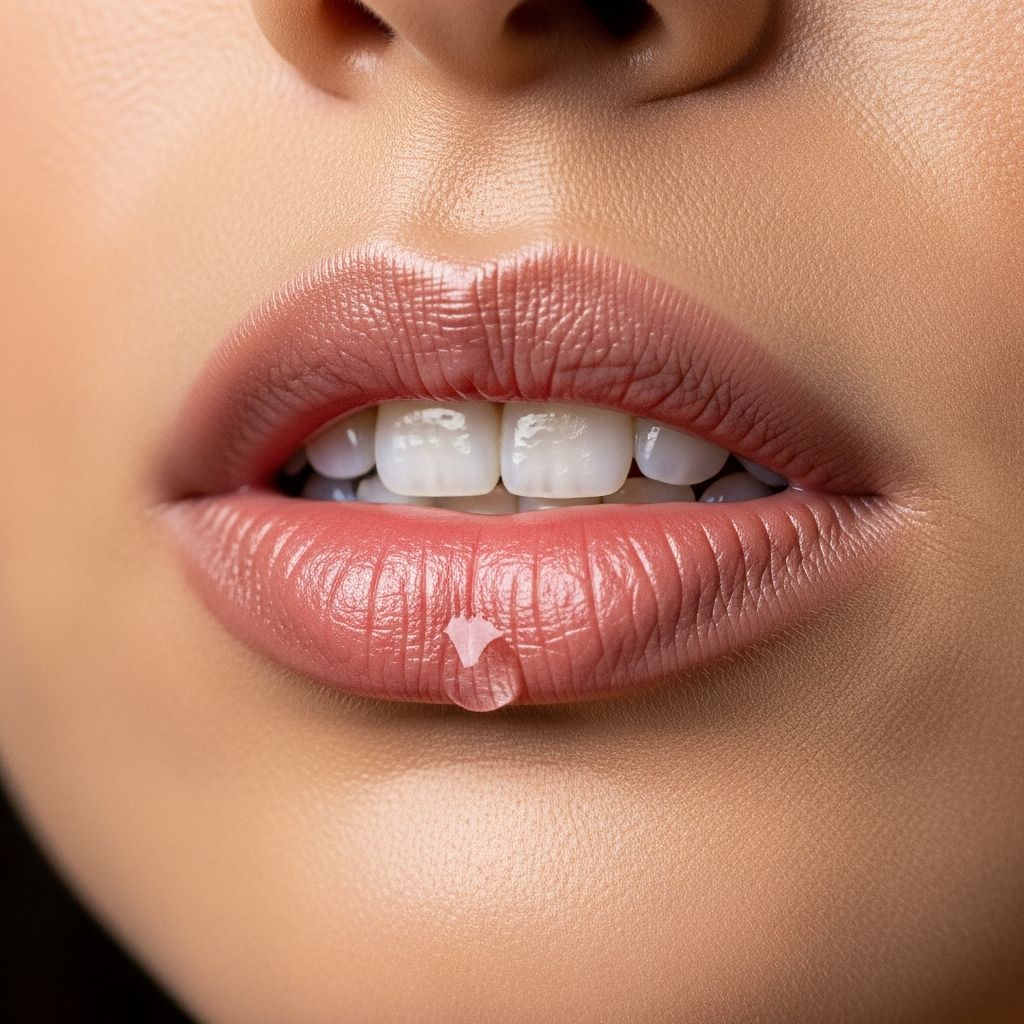
Your lips are vulnerable to sun damage due to thin skin and lack of melanin, increasing risks of sunburn, dryness, and skin cancer like actinic cheilitis or squamous cell carcinoma. Following these five evidence-based tips can prevent these issues and maintain lip health.
Tip 1: Use Lip Balm with SPF Every Day
Lips lack the protective melanin found in other skin areas, making them highly susceptible to ultraviolet (UV) radiation. Chronic exposure leads to precancerous actinic cheilitis and lip cancer, with men at higher risk due to less frequent use of SPF products. Always apply a broad-spectrum lip balm with SPF 30 or higher before going outdoors, reapplying every two hours, after eating, drinking, or sweating.
Choose fragrance-free, hypoallergenic formulas containing titanium dioxide or zinc oxide for effective UVA/UVB protection without irritation. Avoid products with menthol, camphor, or salicylic acid, which can exacerbate dryness. Dermatologists recommend thick ointments like white petroleum jelly for severely chapped lips, as they seal in moisture longer than waxes or oils.
- Apply generously to both lips, focusing on the lower lip which receives more direct sun.
- Opt for mineral or iron oxide pigments in colored lipsticks for added defense.
- Use even on cloudy days or in winter, as UV rays penetrate clouds and reflect off snow.
Tip 2: Avoid the Strongest Sun Rays
UV radiation peaks between 10 a.m. and 4 p.m., when rays are most intense. Limit direct exposure during these hours to reduce sunburn risk on lips, which can become dry, flaky, and painful. Seek shade under trees, umbrellas, or structures, and be extra cautious near reflective surfaces like water, sand, or snow that amplify UV by up to 80%.
Incorporate this into daily routines: schedule outdoor activities early morning or late afternoon. For unavoidable exposure, combine with SPF balm and protective gear. This strategy lowers cumulative damage leading to chronic conditions like actinic cheilitis.
| Time of Day | UV Risk Level | Recommended Action |
|---|---|---|
| 10 a.m. – 4 p.m. | High | Stay indoors or in shade; reapply SPF |
| Before 10 a.m. / After 4 p.m. | Moderate | Use SPF, wear hat |
| Winter / Cloudy Days | Moderate | SPF essential; reflection from snow |
Tip 3: Use a Physical Barrier
Enhance protection with hats, scarves, or masks that cover the mouth. Wide-brimmed hats shield the face and lips, while scarves or gaiters work year-round—pull over the mouth in winter or use lightweight versions in summer. Avoid tanning beds, which emit UV equivalent to midday sun, and opt for sunless tanners with sunscreen.
For athletes or outdoor workers, UPF-rated clothing or balaclavas provides reliable coverage. Men, who face higher lip cancer rates from outdoor work, benefit most from consistent barriers alongside SPF. Physical barriers block rays before they reach skin, complementing topical protection.
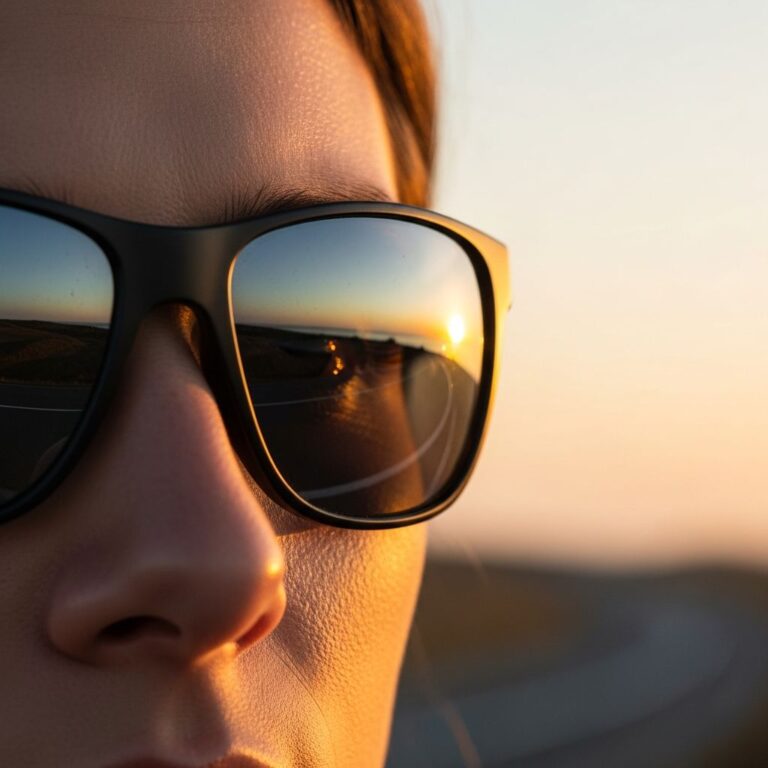
- Wear broad-spectrum sunglasses to protect eyes and reduce squinting-induced wrinkles around lips.
- Use neck gaiters or buffs for multi-sport activities.
- Combine with SPF 50+ moisturizing sunscreen on surrounding skin.
Related Stories



Tip 4: Treat Dryness Immediately
Sunburned or chapped lips result from UV damage, dehydration, licking, or irritants. Symptoms include flaking, cracking, and burning; untreated, they worsen and mimic precancerous lesions. Soothe with non-irritating balms several times daily and before bed.
Key treatments:
- Hydrate internally: Drink plenty of water to support skin from within.
- Use ointments: Petroleum jelly or healing ointments (e.g., those with shea butter, castor seed oil) lock in moisture. Avoid fragrances, eucalyptus, or flavorings like mint.
- Humidify air: Run a bedroom humidifier, especially if mouth-breathing at night.
- Stop bad habits: Cease licking, biting, or picking, as saliva dries lips further. Replace with balm application.
Improvement occurs in 2-3 weeks with consistency. For severe cases, consult a dermatologist to rule out infection or allergy.
Tip 5: Watch for Signs of Skin Cancer
Lip cancer, often squamous cell carcinoma, presents as persistent sores, crusty spots, or non-healing ulcers mistaken for chapping or cold sores. Early detection is crucial, as it’s highly curable when caught soon after changes appear. The lower lip is most affected due to sun angle.
Perform monthly self-exams using a mirror: look for asymmetry, border irregularities, color variation, diameter over 6mm, or evolving spots (ABCDE rule adapted for lips). Risk factors include fair skin, smoking, heavy alcohol, and UV overexposure.
Seek immediate evaluation for:
- Crusty, bleeding sore lasting over 2 weeks.
- White/red patches (leukoplakia or erythroplakia).
- Numbness, thickening, or unexplained lumps.
Dermatologists emphasize early biopsy for suspicious lesions, preventing disfigurement.
Frequently Asked Questions (FAQs)
Can I use regular sunscreen on my lips?
No, facial sunscreens may irritate or taste unpleasant. Use lip-specific SPF balms formulated for safety and efficacy.
How often should I reapply lip balm?
Every 2 hours outdoors, after eating/drinking, or sweating. Indoors, apply when dry.
What if my lips are already sunburned?
Avoid sun, apply soothing ointment, stay hydrated, and use a humidifier. See a doctor if blistered or not improving.
Are lip cancers common?
Yes, UV is the leading cause; early detection yields high cure rates.
Is SPF needed in winter?
Absolutely—UV reflects off snow, and indoor heating dries lips.
Additional Lip Care Best Practices
Beyond the core tips, integrate lip care into routines: choose hypoallergenic products, avoid metal items like pens against lips, and pair with full-face SPF 50+. For peak performance in sports, layer moisturizing SPF with UPF gear. These habits reduce long-term risks, promoting supple, cancer-free lips.
Empower your skin health year-round. Consistent application prevents 90% of UV damage, per expert consensus.
References
- Help Prevent Sunburned Lips | Aquaphor® Lip SPF — Aquaphor. 2023. https://www.aquaphorus.com/skin-care-tips/sunburned-lips
- 7 dermatologists’ tips for healing dry, chapped lips — American Academy of Dermatology (AAD). 2024-01-15. https://www.aad.org/public/everyday-care/skin-care-basics/dry/heal-dry-chapped-lips
- Skin Cancer Prevention: Follow These Skincare Tips — National Foundation for Cancer Research (NFCR). 2023-06-10. https://www.nfcr.org/blog/skin-cancer-prevention-follow-these-skincare-tips/
- Peak Performance Skin Care Tips — Skin Cancer Foundation. 2024. https://www.skincancer.org/blog/peak-performance-skin-care-tips/
- Ask the Expert: What Will Help Me Feel Less Nervous About My Lip Cancer? — Skin Cancer Foundation. 2023-05-20. https://www.skincancer.org/blog/ask-the-expert-what-will-help-me-feel-less-nervous-about-my-lip-cancer/
Similar Articles








Read full bio of Sneha Tete