5 Tips To Curb Your Late-Night Snacking For Better Sleep
Practical strategies to overcome evening cravings, boost satiety, and improve sleep for better nighttime eating habits.
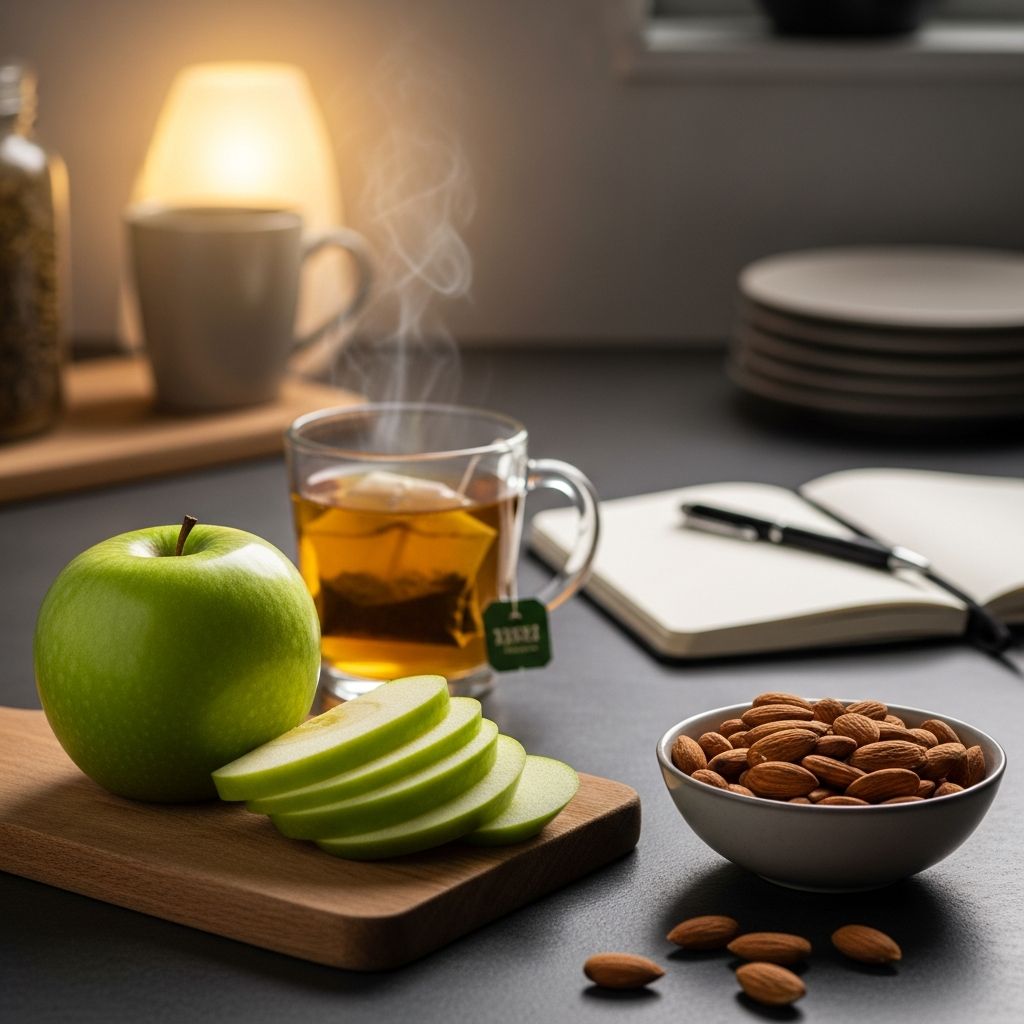
If you find yourself raiding the kitchen late at night, you’re far from alone. Stress, boredom, and irregular eating patterns often trigger these evening cravings, leading to excess calorie intake and disrupted sleep. The good news is that simple, evidence-based strategies can help you break the cycle. Registered dietitians recommend focusing on balanced daytime nutrition, prioritizing rest, and practicing mindful eating to banish after-dinner hunger pangs effectively.
Late-night snacking isn’t just about willpower; it’s influenced by hormones like ghrelin (which stimulates hunger) and leptin (which signals fullness). Poor sleep and skipped meals amplify these signals, making high-sugar or high-fat foods irresistible. By implementing these five tips, you can enhance satiety throughout the day, reduce mindless eating, and foster healthier habits that support weight management and overall well-being.
End Mealtime Madness
Chaotic mealtimes set the stage for nighttime overeating. When your day lacks structure, hunger builds up, culminating in desperate fridge raids after dark. The solution? Plan ahead with intention. Stock your kitchen with nutrient-dense foods and create a weekly meal blueprint to ensure every eating occasion is satisfying and balanced.
Start by grocery shopping with a list focused on whole foods: lean proteins, vibrant vegetables, fruits, whole grains, and healthy fats. This prevents reliance on processed snacks. For instance, prep meals in advance—chop veggies for salads, portion nuts for grabs, or cook grains for quick assemblies. Eating three balanced meals plus one or two planned snacks keeps blood sugar stable, warding off extreme hunger later.
Research supports this approach: Individuals who eat regular, protein-packed breakfasts report fewer cravings for unhealthy evening snacks. Skipping meals slows metabolism and heightens appetite hormones, making late-night binges more likely. Aim for consistency—fuel up with breakfast like oatmeal topped with nuts and fruit to kickstart your day right and end it snack-free.
- Weekly Planning Checklist:
- Grocery shop once a week for fresh produce, proteins, and grains.
- Batch-cook staples like soups, salads, or stir-fries.
- Portion snacks into single servings to avoid mindless handfuls.
- Schedule meals: Breakfast by 9 AM, lunch by 1 PM, dinner by 7 PM.
By ending mealtime madness, you’ll create a rhythm that naturally curbs evening urges, promoting sustained energy and better sleep.
Boost Protein and Load Up on Fiber
Protein and dietary fiber are satiety superstars—they expand in your stomach, slow digestion, and signal fullness to your brain. Incorporating them generously throughout the day combats the empty-calorie trap of late-night snacking. Foods rich in these nutrients keep you satisfied longer, reducing the drive for post-dinner foraging.
Protein sources abound: beans, lentils, nuts, eggs, fish, poultry, lean meats, tofu, and low-fat dairy. Fiber thrives in whole grains (oats, quinoa, brown rice), legumes, vegetables, fruits, and seeds. The Academy of Nutrition and Dietetics emphasizes pairing them for maximum effect—think a breakfast smoothie with Greek yogurt, spinach, berries, and chia seeds.
Related Stories



Practical ideas to weave them in:
- Oatmeal simmered in low-fat milk or fortified plant milk, stirred with almonds and sliced apples for crunch and sweetness.
- Whole-grain toast smeared with peanut butter and topped with banana or fresh berries—a portable power snack.
- Mixed greens salad with black beans, grilled shrimp, diced mango, and a light vinaigrette.
- Baked salmon alongside steamed broccoli and wild rice for dinner.
- Vegetable-packed chicken noodle soup, homemade with whole-grain pasta.
Studies show high-protein breakfasts reduce daily calorie intake by curbing later snacking urges. Fiber adds bulk without calories, aiding digestion and stabilizing energy. Target 25-30 grams of fiber daily and 20-30 grams of protein per meal to optimize results.
Bonus: These combos are versatile for snacks too. A handful of nuts with carrot sticks or apple slices with cheese provides quick, filling bites that bridge meals without derailing your goals.
Get Enough Sleep
Sleep isn’t just restorative—it’s a hunger regulator. Chronic deprivation disrupts glucose metabolism and spikes ghrelin while suppressing leptin, mimicking starvation signals. That post-dinner ‘hunger’ might actually be fatigue in disguise. Adults need 7-9 hours nightly to maintain appetite balance.
Aiming for consistent bedtimes helps. Wind down with a routine: dim lights, avoid caffeine after noon, and create a cool, dark sleep environment. Poor sleepers often confuse exhaustion with appetite, reaching for chips instead of the pillow. Quality rest enhances next-day choices, making healthy eating effortless.
Pro tip: If cravings hit late, assess your sleep first. A quick 20-minute meditation or herbal tea can bridge the gap to bedtime, preventing snack slips.
Turn Off the Screen before You Pick Up Your Fork
Screens hijack your eating awareness. Watching TV, scrolling social media, or gaming distracts from portion sizes and fullness cues, leading to overconsumption. Mindless munching in front of devices reduces satiety hormones, prolonging hunger even after calories pile up.
Commit to device-free meals: Sit at a table, chew slowly, and savor flavors. This mindfulness amplifies satisfaction from smaller portions. Evening screen limits—say, off by 8 PM—also blue-light exposure, improving sleep quality and curbing related cravings.
Replace habit with alternatives: Read a book, stretch, or chat with family. You’ll eat less overall and feel more content.
Still Starving after Dinner?
Not every evening pang demands a full meal. Pause and interrogate: Am I truly hungry, or is it thirst, boredom, stress, sadness, or tiredness? Habitual snacking often masquerades as need. Hydrate first—thirst mimics hunger—and rule out non-food fixes like a walk or deep breaths.
If genuine hunger persists, choose wisely: Opt for protein-fiber duos in modest portions, eaten slowly sans screens. Examples: Greek yogurt with berries, a boiled egg with veggies, or hummus with cucumber slices. These satisfy without overload.
Additional hacks: Brush teeth post-dinner to signal ‘kitchen closed’; sip herbal tea for warmth and distraction; keep junk hidden. Track in a journal to spot patterns—accountability transforms habits.
Frequently Asked Questions (FAQs)
Why do I crave snacks at night?
Nighttime cravings stem from irregular meals, sleep deficits, stress hormones, boredom, or screen-induced mindlessness. Balanced daytime eating and routines mitigate them.
Is it okay to snack after dinner?
Yes, if it’s planned, nutrient-dense, and portion-controlled. Prioritize protein and fiber; avoid if driven by emotion over hunger.
How much sleep prevents hunger?
7-9 hours for adults optimizes appetite hormones. Less impairs metabolism, boosting cravings.
What are healthy late-night options?
Air-popped popcorn, Greek yogurt with fruit, nuts, apple with nut butter, or veggie sticks with hummus.
Can water stop cravings?
Often yes—drink 8-16 oz when hunger hits, as thirst confuses signals.
Healthier Nighttime Snack Ideas Table
| Snack Idea | Protein/Fiber Boost | Calories (Approx.) |
|---|---|---|
| 1/2 cup Greek yogurt + berries | High protein, fiber from fruit | 150 |
| Apple slices + 1 tbsp peanut butter | Fiber-rich fruit, nut protein | 200 |
| 1/4 cup almonds | Protein, healthy fats, fiber | 160 |
| Whole-grain crackers + cheese | Grain fiber, dairy protein | 180 |
| Carrots + 2 tbsp hummus | Veggie fiber, chickpea protein | 120 |
These options fill you up without excess calories, perfect for bridging to bedtime.
References
- 5 Tips to Curb Your Late-Night Snacking — Academy of Nutrition and Dietetics. 2023. https://www.eatright.org/health/wellness/healthful-habits/5-tips-to-curb-your-late-night-snacking
- How to Curb Nighttime Snack Cravings — Virtua Health. 2024. https://www.virtua.org/articles/7-easy-ways-to-curb-your-nighttime-snack-cravings
- Eat Right, Sleep Tight: Snack Ideas to Fight Fatigue — Alliance for a Healthier Generation. 2023. https://www.healthiergeneration.org/articles/eat-right-sleep-tight-snack-ideas-to-fight-fatigue-and-rest-better-at-night
- End Your Nighttime Eating Habits — Franciscan Health. 2024. https://www.franciscanhealth.org/community/blog/stop-nighttime-eating
- How to Help Your Clients Avoid Late-Night Snacking — American Council on Exercise. 2014 (authoritative study on protein breakfasts remains relevant). https://www.acefitness.org/certifiednewsarticle/3242/how-to-help-your-clients-avoid-late-night-snacking/
Similar Articles








Read full bio of medha deb