5 Top Foods For Eye Health: Boost Vision With Easy Recipes
Discover five nutrient-packed foods that support vision and protect against age-related eye conditions like cataracts and macular degeneration.
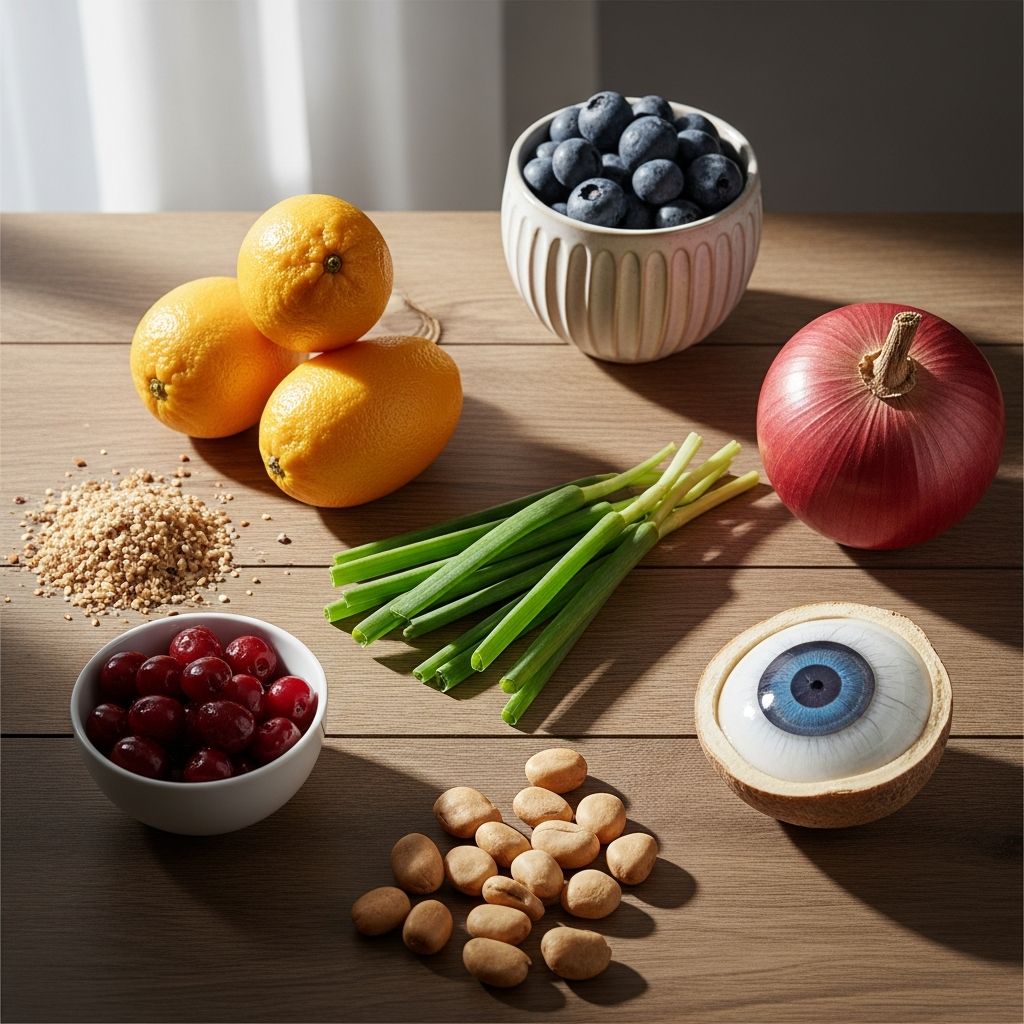
Protecting your vision starts with what you eat. Certain nutrients like lutein, zeaxanthin, beta-carotene, vitamin C, omega-3 fatty acids, and antioxidants play crucial roles in maintaining eye health and reducing the risk of conditions such as cataracts, age-related macular degeneration (AMD), and dry eyes. Incorporating specific foods into your diet can provide these protective compounds naturally. This article explores five top foods recommended by nutrition experts for optimal eye health, along with their benefits, supporting nutrients, and practical tips for inclusion in meals.
Kale: See the Light
Kale, a nutrient-dense leafy green, stands out as a powerhouse for eye health due to its high content of
lutein
andzeaxanthin
. These carotenoids, related to vitamin A and beta-carotene, accumulate in the retina and help filter harmful blue light from sunlight, protecting eye tissues from damage. Studies suggest they may reduce the risk of cataracts and AMD by neutralizing free radicals and supporting macular pigment density.Your body absorbs lutein and zeaxanthin more effectively when paired with healthy fats, so drizzle kale with olive oil or add avocado. Kale also supplies
vitamin C
andbeta-carotene
, further bolstering its eye-friendly profile. Other excellent sources include collard greens, spinach, turnip greens, broccoli, peas, kiwi, red grapes, yellow squash, oranges, corn, mangoes, honeydew melon, and egg yolks.To maximize benefits, aim for 6-10 milligrams of lutein and zeaxanthin daily from diet. A single cup of cooked kale provides about 20 milligrams, making it an easy way to meet this target. Sauté kale with garlic and olive oil for a simple side dish, or blend it into smoothies for a nutrient boost without altering taste significantly. Regular consumption of dark leafy greens has been linked to slower progression of AMD in observational studies.
Sweet Potatoes: The Color of Health
The vibrant orange hue of
sweet potatoes
signals their richness inbeta-carotene
, a provitamin A compound that the body converts to vitamin A. This essential nutrient maintains the cornea’s health, prevents night blindness, and combats dry eyes by supporting tear production. Beta-carotene also acts as an antioxidant, potentially slowing AMD progression and reducing eye infection risks.Like other fat-soluble nutrients, beta-carotene absorbs best with healthy fats—roast sweet potatoes with olive oil for optimal uptake. If sweet potatoes aren’t your preference, opt for carrots, butternut squash, spinach, collard greens, liver, milk, or eggs, all rich in beta-carotene or preformed vitamin A.
One medium baked sweet potato delivers over 1,400 micrograms of vitamin A, exceeding daily needs. Bake, mash, or spiralize them into noodles for versatile meal options. Research from the Age-Related Eye Disease Study (AREDS) highlights vitamin A’s role in eye protection, underscoring the value of these foods.
Strawberries: Help You “C” Better
Fresh, juicy
strawberries
are loaded withvitamin C
, a potent water-soluble antioxidant that combats oxidative stress in the eye lens. Vitamin C may lower cataract risk by up to 30% with consistent intake, as it helps regenerate other antioxidants and supports collagen formation in eye tissues.Don’t stop at strawberries—include bell peppers, broccoli, citrus fruits like oranges and grapefruit, parsley, and cantaloupe for a broad vitamin C spectrum. Adults need 75-90 milligrams daily; a cup of strawberries provides nearly 100 milligrams.
Related Stories



Enjoy strawberries in salads, yogurt parfaits, or as snacks. Their low glycemic index makes them ideal for blood sugar management, indirectly benefiting diabetic retinopathy prevention. Population studies confirm higher vitamin C intake correlates with reduced cataract incidence.
Healthy Fats: Include Sources of Omega-3 Fatty Acids
**Omega-3 fatty acids**, particularly DHA and EPA, are vital for retinal health, reducing inflammation, and alleviating dry eye syndrome. Salmon and other fatty fish like tuna, sardines, and mackerel are prime sources—aim for two to three servings weekly. Plant-based options include walnuts (with vitamin E), flaxseeds, and chia seeds.
Salmon also offers
vitamin D
, which may protect against AMD. Fortified milk, orange juice, or sunlight exposure supplements this. Omega-3s form cell membranes in the retina, with studies showing inverse links to AMD risk, especially from fish consumption.- Grilled salmon with kale salad
- Walnut-crusted fish fillets
- Chia seed pudding with strawberries
For vegetarians, algae-based supplements mimic fish omega-3s. Dry eye sufferers report symptom relief after 3 months of consistent intake.
Green Tea: Antioxidant Powerhouse
Brewed
green tea
deliverscatechins
, especially EGCG, powerful antioxidants with anti-inflammatory effects that may lower cataract and AMD risks. One cup provides catechins rivaling supplements, outperforming black tea in potency.Complement with red wine (in moderation), dark chocolate, berries, and apples. Drink 2-3 cups daily, hot or iced, avoiding excess for caffeine sensitivity. Japanese cohort studies link green tea to 20-30% reduced AMD odds.
Recipe: Sweet Potato with Kale and Ricotta
This dish combines two eye superfoods. Adapted from reliable sources.
Ingredients
- 4 medium sweet potatoes (8-10 oz each), pricked
- 2 tbsp olive oil
- 2 garlic cloves, sliced
- 1 bunch kale (1¼ lbs), stems removed, torn
- ¼ tsp red-pepper flakes
- Salt and pepper
- ½ cup ricotta
Instructions
- Bake sweet potatoes at 450°F for 50-60 minutes until tender.
- Sauté garlic, kale, and flakes in oil for 5 minutes; season.
- Halve potatoes, fluff, top with kale and ricotta. Serves 4.
Nutrition per serving: High in beta-carotene, lutein, vitamin A/C.
Frequently Asked Questions (FAQs)
Q: How much of these foods should I eat daily for eye health?
A: Aim for 1-2 cups leafy greens, 1 sweet potato, handful strawberries, 3-4 oz salmon twice weekly, 2 cups green tea. Variety ensures balanced nutrients.
Q: Can supplements replace these foods?
A: Foods provide synergistic benefits; supplements like AREDS2 help high-risk individuals but aren’t substitutes for diet.
Q: Are these benefits proven for everyone?
A: Observational data supports reduced risks, but genetics and lifestyle factor in. Consult doctors for personalized advice.
Q: What about vegetarians?
A: Focus on plants: kale, sweet potatoes, strawberries, walnuts, flax; algae oil for omega-3s.
Q: How soon do benefits appear?
A: Long-term; pigments build over months, risks reduce with sustained intake.
Additional Tips for Eye-Protecting Diet
Beyond these five, include zinc-rich oysters, lean meats; vitamin E from almonds; colorful produce. A Mediterranean-style diet optimizes outcomes.
| Nutrient | Key Foods | Eye Benefit |
|---|---|---|
| Lutein/Zeaxanthin | Kale, spinach | Filters blue light, AMD protection |
| Beta-Carotene/Vit A | Sweet potatoes, carrots | Night vision, dry eyes |
| Vitamin C | Strawberries, peppers | Cataract risk reduction |
| Omega-3s | Salmon, walnuts | Dry eyes, inflammation |
| Catechins | Green tea, berries | Antioxidant defense |
References
- 5 Top Foods for Eye Health — Wake Internal Medicine Consultants. 2023. https://wakeinternalmedicine.com/5-top-foods-eye-health/
- Foods for Eye Health — Academy of Nutrition and Dietetics. 2023-10-01. https://www.eatright.org/health/wellness/healthful-habits/5-top-foods-for-eye-health
- Eating Right For Optimal Eye Health — Ridgecrest Regional Hospital. 2023-03-01. https://www.rrh.org/news-updates/2023/march/eating-right-for-optimal-eye-health/
- Feeding Your Vision: Nutrients for Optimal Eye Health — Fairfax County Government (.gov). 2025-09-01. https://www.fairfaxcounty.gov/familyservices/older-adults/golden-gazette/2025-09-feeding-your-vision-nutrients-for-optimal-eye-health
- Nutrients that Support Eye Health — Academy of Nutrition and Dietetics (eatrightPRO). 2023. https://www.eatrightpro.org/news-center/practice-trends/nutrients-that-support-eye-health
Similar Articles








Read full bio of Sneha Tete