Protect Your Brain Health: 5 Simple, Science-Backed Steps
Essential strategies to maintain cognitive function and prevent memory loss as you age.
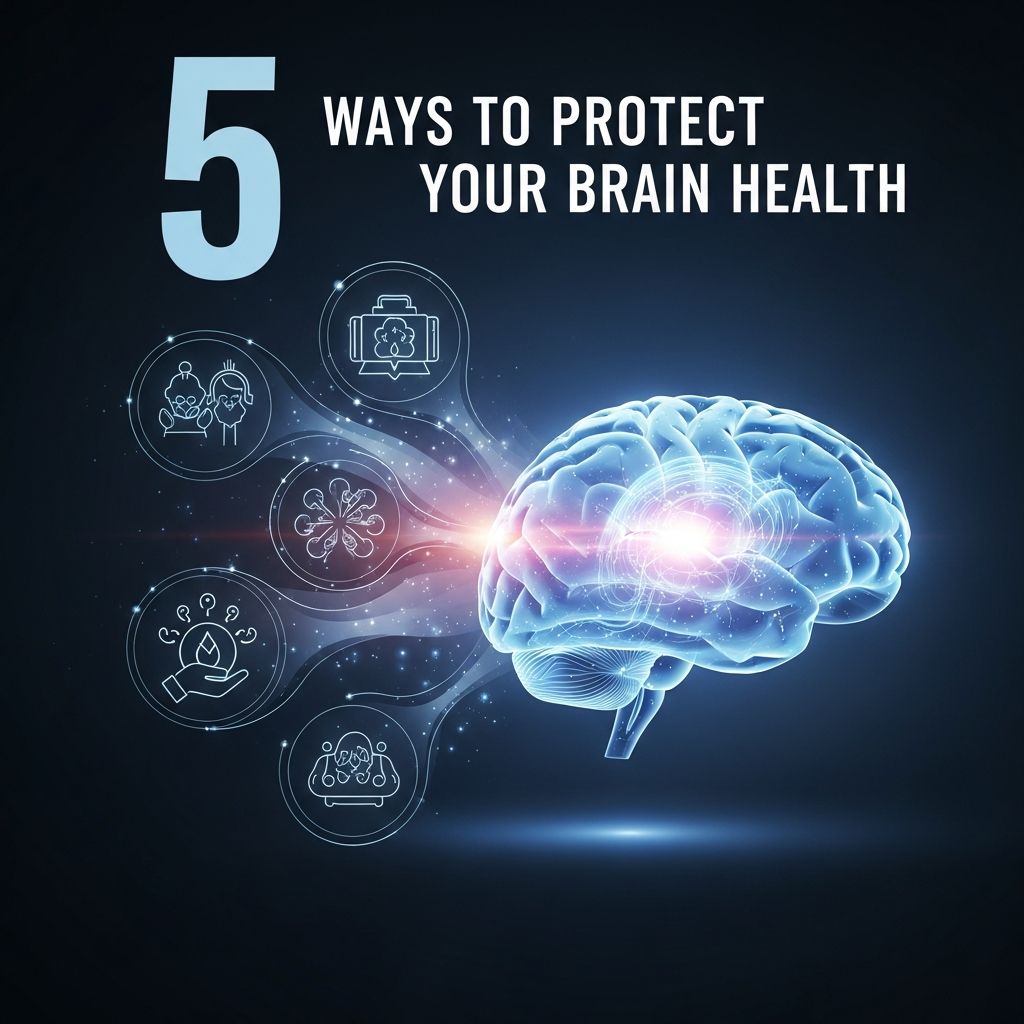
As we age, maintaining cognitive function and protecting our memory becomes increasingly important. Johns Hopkins Medicine research has demonstrated that proactive steps can significantly slow cognitive decline and support long-term brain health. Understanding the mechanisms behind memory loss and cognitive aging enables us to take meaningful action today. This comprehensive guide outlines five evidence-based strategies to protect your brain health and maintain mental sharpness throughout your life.
Understanding Brain Health and Memory
Brain health encompasses more than just memory. It includes cognitive function, mental clarity, emotional well-being, and the ability to process information effectively. The brain’s complexity means that multiple factors influence how well it functions throughout our lives. Recent neuroscientific research reveals that the hippocampus, a structure deep within the brain’s temporal lobe, plays a critical role in memory formation and retrieval. Understanding how our brains age and decline helps us implement preventive strategies early.
As the brain ages, certain memory functions can become imbalanced, leading to common age-related memory challenges such as forgetfulness or difficulty recalling information. However, this decline is not inevitable. By implementing targeted strategies, individuals can maintain cognitive reserve—the brain’s capacity to cope with challenges and damage—which helps preserve mental function well into older age.
1. Stay Mentally Active
One of the most powerful ways to protect your brain is to keep it engaged and stimulated. Mental activity strengthens neural connections and promotes cognitive reserve, which acts as a buffer against age-related decline. Staying mentally active is not a one-time effort but rather an ongoing commitment to challenging your mind regularly.
Ways to Stay Mentally Active:
- Solve puzzles, crosswords, or sudoku regularly
- Learn a new language or skill
- Read challenging books or articles
- Engage in creative hobbies like painting, writing, or music
- Play strategic games like chess or bridge
- Take online courses on subjects of interest
- Participate in educational discussions and debates
Research from Johns Hopkins shows that individuals who maintain consistent mental stimulation throughout their lives experience slower rates of cognitive decline. The key is variety and challenge—activities that push your brain slightly beyond its comfort zone provide the most benefit. Whether you’re learning a musical instrument, mastering a new technology, or studying history, the mental effort itself strengthens cognitive networks and preserves memory function.
2. Maintain Cardiovascular Health
Your heart and your brain are intimately connected through the cardiovascular system. The blood vessels that nourish your brain are directly affected by your heart health. When cardiovascular disease develops, it can impair blood flow to the brain, increasing the risk of cognitive decline and dementia. Managing cardiovascular health is therefore essential for protecting brain function.
Cardiovascular Health Strategies:
- Maintain healthy blood pressure through diet and exercise
- Keep cholesterol levels within recommended ranges
- Control blood sugar and manage diabetes
- Avoid smoking and limit alcohol consumption
- Manage stress through relaxation techniques
- Get adequate sleep each night (7-9 hours)
Research conducted at Johns Hopkins has identified specific mechanisms linking cardiovascular disease to memory impairment. When the brain doesn’t receive adequate blood flow and oxygen, neurons function less efficiently, and memory consolidation is compromised. By maintaining a healthy cardiovascular system through exercise, proper nutrition, and stress management, you directly protect your brain’s blood supply and cognitive capacity.
Related Stories



3. Engage in Regular Physical Exercise
Physical exercise is one of the most effective interventions for brain health. Beyond its cardiovascular benefits, exercise directly enhances cognitive function through multiple mechanisms. Regular physical activity increases blood flow to the brain, promotes the growth of new neurons, reduces inflammation, and supports the production of brain-derived neurotrophic factor (BDNF), a protein crucial for brain health and neuroplasticity.
Exercise Recommendations for Brain Health:
- Aim for 150 minutes of moderate-intensity aerobic activity weekly
- Include strength training exercises 2-3 times per week
- Incorporate balance and coordination training
- Engage in activities you enjoy to maintain consistency
- Consider group exercise classes for social engagement
Physical exercise addresses multiple pathways to cognitive decline simultaneously. Aerobic activities like walking, swimming, cycling, or jogging increase oxygen delivery to the brain and promote cardiovascular health. Resistance training strengthens muscles and bones while improving metabolic function. Even moderate exercise performed regularly shows significant benefits for memory preservation and cognitive function in aging adults. The combination of physical exertion and mental engagement—such as learning a new sport or dance—provides optimal brain protection.
4. Maintain Social Connections and Engagement
Social isolation represents a significant risk factor for cognitive decline and dementia. Conversely, maintaining strong social connections and engaging regularly with others provides powerful cognitive protection. Social interaction requires active listening, memory recall, complex communication, and emotional processing—all of which exercise multiple brain systems simultaneously.
Ways to Maintain Social Engagement:
- Spend regular time with family and friends
- Join clubs, groups, or organizations aligned with your interests
- Volunteer in your community
- Participate in religious or spiritual communities
- Attend social events and gatherings
- Take classes or workshops with others
- Maintain relationships through regular communication
Research from Johns Hopkins demonstrates that treating hearing loss through hearing aids and audiological counseling reduces cognitive burden on the brain, which can facilitate social engagement and slow cognitive decline by up to 48% in high-risk populations. When hearing loss removes barriers to social interaction, individuals are more likely to engage in conversations and maintain social connections, both of which support brain health. The cognitive demands of social interaction—understanding context, reading facial expressions, and responding appropriately—keep multiple brain regions active and engaged.
5. Adopt a Brain-Healthy Diet
What you eat directly affects your brain’s structure and function. Certain nutrients are essential for maintaining neural connections, reducing inflammation, and protecting against oxidative stress—a major contributor to cognitive decline. A diet rich in specific vitamins, minerals, and antioxidants provides the nutritional foundation for brain health.
Brain-Healthy Nutrition Guidelines:
- Consume fatty fish rich in omega-3 fatty acids (salmon, sardines, mackerel)
- Eat leafy green vegetables (spinach, kale, broccoli)
- Include berries, which are high in antioxidants
- Choose whole grains over refined grains
- Include nuts and seeds for healthy fats and vitamin E
- Consume foods rich in B vitamins (eggs, legumes, whole grains)
- Limit sugar and processed foods
- Stay adequately hydrated
Emerging research supports the use of specialized nutrient infusions to support brain health. Antioxidants like glutathione are particularly important for reducing oxidative stress in the brain, which accumulates with age and contributes to cognitive decline. B vitamins, including B6, B12, and folate, play essential roles in maintaining neurotransmitter function and myelin integrity. Magnesium supports neural transmission and synaptic plasticity. While a balanced diet provides these nutrients naturally, high-quality nutritional support may offer additional benefits for individuals at high risk for cognitive decline.
Understanding Memory and Aging
Memory changes with age, and understanding the difference between normal age-related memory changes and concerning cognitive decline is important. Occasional forgetfulness—such as temporarily forgetting where you placed your keys or struggling to recall a name—is normal. However, significant memory loss that interferes with daily functioning may indicate cognitive impairment requiring medical evaluation.
Johns Hopkins neuroscientists have identified specific mechanisms responsible for age-related memory loss. Research published in Current Biology revealed that as the brain ages, the balance between pattern separation and pattern completion functions in the hippocampus’s CA3 region becomes disrupted. This imbalance contributes to common memory problems like difficulty distinguishing between similar events or trouble forming new memories.
The encouraging news is that understanding these mechanisms opens doors to intervention. If researchers can identify compensatory mechanisms that allow some individuals to remain cognitively sharp into older age, these insights may lead to strategies to prevent or delay cognitive decline in others.
Emerging Research and Future Directions
Johns Hopkins researchers continue advancing our understanding of memory and brain health through cutting-edge neuroscience. Recent studies have demonstrated that reactivating specific memory circuits in the brain may eventually lead to novel treatments for memory loss associated with Alzheimer’s disease. Scientists have successfully used sophisticated brain-imaging systems to tag and reactivate specific memories in animal models, suggesting future possibilities for memory preservation in humans.
This research indicates that understanding the macro-level structure of memory could enable development of more effective strategies to prevent or slow neurodegenerative diseases. While these therapeutic approaches remain in early research stages, they highlight the brain’s remarkable plasticity and the potential for targeted interventions.
Creating Your Brain Health Action Plan
Protecting your brain health requires a comprehensive, multifaceted approach. Rather than focusing on a single strategy, the most effective approach combines all five elements: mental stimulation, cardiovascular health, physical exercise, social engagement, and nutritious eating. These strategies work synergistically, each amplifying the benefits of the others.
Begin by assessing your current lifestyle across each domain. Identify one or two areas where you can implement changes immediately. Small, consistent improvements accumulate over time to create substantial cognitive benefits. Consider working with healthcare providers to develop a personalized brain health plan that addresses your specific risk factors and life circumstances.
Frequently Asked Questions
Q: At what age should I start protecting my brain health?
A: It’s never too early to start. Brain health protection is a lifelong endeavor. Building cognitive reserve through mental stimulation, physical exercise, and social engagement in younger years provides protection throughout life. However, implementing these strategies at any age provides benefits and can help slow cognitive decline even if started later in life.
Q: Can brain health improvements reverse existing memory loss?
A: While lifestyle modifications cannot reverse significant memory loss from advanced dementia, they can slow progression and may help preserve cognitive function in individuals with mild cognitive impairment. Emerging research into memory circuit reactivation may eventually offer more direct therapeutic options, but current evidence supports lifestyle interventions primarily for prevention and slowing decline.
Q: How much exercise is needed to benefit brain health?
A: The general recommendation is 150 minutes of moderate-intensity aerobic activity per week, combined with strength training 2-3 times weekly. However, even modest amounts of regular physical activity provide cognitive benefits. Consistency matters more than intensity—regular moderate exercise is better than infrequent intense workouts.
Q: Can hearing loss really affect cognitive decline?
A: Yes. Johns Hopkins research demonstrates that untreated hearing loss accelerates cognitive decline by increasing cognitive burden on the brain. Hearing aids and audiological intervention can slow cognitive decline by 48% in high-risk populations, partly by reducing this burden and facilitating social engagement.
Q: What specific foods are most beneficial for brain health?
A: Fatty fish, leafy green vegetables, berries, nuts, seeds, and whole grains are among the most brain-healthy foods. These provide omega-3 fatty acids, antioxidants, B vitamins, and other nutrients essential for cognitive function. A Mediterranean-style diet, which emphasizes these foods, has been associated with better cognitive outcomes in aging populations.
Q: Is it too late to make changes if I’m already experiencing memory problems?
A: It is not too late. Even individuals experiencing mild cognitive changes benefit from implementing lifestyle modifications. However, consulting with a healthcare provider for proper evaluation and personalized recommendations is essential, particularly if you’re concerned about significant memory loss or cognitive changes.
References
- Could We Engineer Memories? New Johns Hopkins Findings Could Help Treat Alzheimer’s — SciTechDaily. 2023-09-27. https://scitechdaily.com/could-we-engineer-memories-new-johns-hopkins-findings-could-help-treat-alzheimers/
- Johns Hopkins Study Reveals Hearing Aids Can Slow Cognitive Decline — ENTTX. 2024. https://www.enttx.com/blog/hearing-aids-can-slow-cognitive-decline/
- Johns Hopkins neuroscientists find brain mechanism tied to age-related memory loss — Johns Hopkins Hub. 2022-05-20. https://hub.jhu.edu/2022/05/20/hippocampus-cognitive-decline/
- The Memory White Paper: Age-Associated Memory Impairment — Johns Hopkins Health Alerts, Indiana State Department of Health. https://www.in.gov/health/files/Section_3_of_CD_10-10.pdf
- Lifestyle Modifications to Improve Your Brain Health — Hopkins Medical Group. https://www.phopkinsmd.com/improve-brain-health/
Similar Articles








Read full bio of medha deb