5 Science-Backed Ways To Protect And Support Your Liver
Simple lifestyle changes to protect and support your liver health.
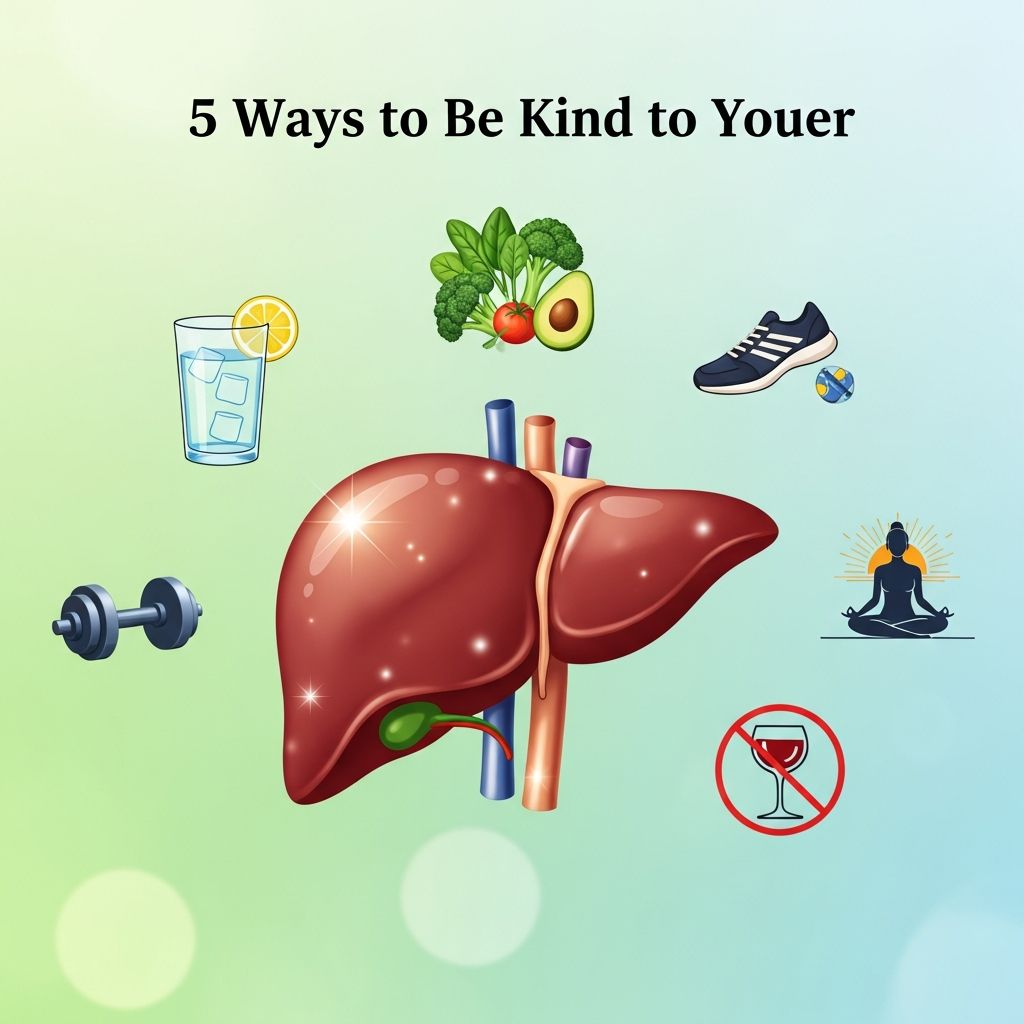
5 Ways to Be Kind to Your Liver
Your liver is one of the largest and most vital organs in your body, performing over 500 different functions every single day. From filtering toxins and producing bile to metabolizing nutrients and regulating blood sugar levels, your liver works tirelessly to keep you healthy. Despite its remarkable resilience and regenerative abilities, the liver is vulnerable to damage from poor lifestyle choices, excessive alcohol consumption, viral infections, and metabolic disorders. Taking steps to care for your liver today can significantly reduce your risk of developing serious liver disease and help ensure optimal health for years to come. Here are five evidence-based ways to be kind to your liver and support its essential functions.
1. Maintain a Healthy Weight
One of the most important factors in liver health is maintaining a healthy body weight. Obesity and excess weight gain can lead to the accumulation of fat in the liver, a condition known as fatty liver disease. There are two types of fatty liver disease: non-alcoholic fatty liver disease (NAFLD) and alcoholic fatty liver disease (AFLD). NAFLD has become increasingly common, affecting approximately 25-30% of the population in developed countries, and it can progress to more serious conditions like liver inflammation, scarring (cirrhosis), and even liver failure if left untreated.
When you carry excess weight, particularly around your midsection, fat cells release inflammatory substances that can damage liver cells and interfere with normal liver function. This inflammatory response triggers a cascade of metabolic problems, including insulin resistance, high blood pressure, and abnormal cholesterol levels. All of these factors can accelerate liver damage and increase your risk of developing chronic liver disease.
To maintain a healthy weight and protect your liver, focus on achieving a body mass index (BMI) within the normal range of 18.5 to 24.9. This typically involves a combination of balanced nutrition and regular physical activity. If you’re currently overweight or obese, even a modest weight loss of 5-10% of your body weight can significantly improve liver function and reduce liver fat accumulation. Consult with your healthcare provider or a registered dietitian to develop a personalized weight management plan that works for your lifestyle and health goals.
2. Adopt a Balanced, Nutritious Diet
The food you eat directly impacts your liver health, making nutrition one of the most powerful tools for liver protection. A balanced, nutrient-rich diet provides your liver with the vitamins, minerals, antioxidants, and phytonutrients it needs to perform its detoxification and metabolic functions efficiently.
Key dietary components for liver health include:
- Antioxidants: Found in colorful fruits and vegetables, berries, dark leafy greens, and nuts, antioxidants protect liver cells from oxidative stress and free radical damage
- Fiber: Whole grains, legumes, fruits, and vegetables provide soluble and insoluble fiber that supports digestive health and helps eliminate toxins through the digestive tract
- Lean proteins: Fish, poultry, legumes, and plant-based proteins support liver cell repair and regeneration
- Healthy fats: Omega-3 fatty acids from fish, flaxseed, and walnuts have anti-inflammatory properties that benefit liver health
- Vitamins and minerals: B vitamins, vitamin E, selenium, and zinc all play crucial roles in liver function and cellular protection
Conversely, certain foods and dietary patterns can harm your liver. Limit your intake of processed foods, sugary beverages, refined carbohydrates, and foods high in saturated and trans fats. These foods can contribute to liver inflammation, insulin resistance, and fatty liver disease. Additionally, avoid consuming excessive amounts of salt and focus on preparing meals at home using fresh, whole ingredients whenever possible. A Mediterranean-style diet, which emphasizes olive oil, fish, whole grains, legumes, and abundant vegetables, has been shown to provide particular benefits for liver health.
3. Limit Alcohol Consumption
Alcohol is one of the most direct threats to liver health. When you consume alcohol, your liver must work to metabolize and eliminate it from your body. Excessive or prolonged alcohol consumption can cause significant damage to liver cells, leading to inflammation, fatty liver disease, hepatitis, cirrhosis, and ultimately liver failure.
Related Stories



Alcohol-related liver disease exists on a spectrum. Fatty liver disease is the most common initial manifestation and can develop after just a few weeks of heavy drinking. With continued alcohol abuse, alcoholic hepatitis may develop, characterized by inflammation and injury to liver cells. If drinking persists, the liver becomes scarred and fibrotic, progressing to cirrhosis—a potentially life-threatening condition where the liver loses much of its function.
To protect your liver, follow these alcohol guidelines:
- If you drink alcohol, do so in moderation: no more than one drink per day for women and two drinks per day for men
- Avoid binge drinking, defined as consuming four or more drinks on a single occasion for women or five or more for men
- Consider alcohol-free days throughout the week to give your liver a rest
- If you have been diagnosed with liver disease or have a family history of liver problems, consult your healthcare provider about whether any alcohol consumption is safe for you
- If you struggle with alcohol dependence, seek help from healthcare professionals, support groups, or addiction specialists
Notably, recent research has expanded our understanding of early liver transplantation for patients with alcohol-related hepatitis, demonstrating that with proper selection criteria and post-transplant support, patients with alcohol use histories can benefit from advanced interventions. However, the best approach remains preventing liver damage through responsible alcohol consumption and, when necessary, seeking appropriate treatment for alcohol use disorder.
4. Exercise Regularly and Stay Active
Regular physical activity is essential for maintaining overall health and supporting liver function. Exercise helps you achieve and maintain a healthy weight, reduces liver fat accumulation, improves insulin sensitivity, decreases inflammation, and enhances blood circulation to all your organs, including the liver.
Research shows that even moderate-intensity exercise can significantly improve liver health. Physical activity helps your body metabolize glucose more efficiently, reducing the risk of insulin resistance and type 2 diabetes—both major risk factors for fatty liver disease. Additionally, exercise promotes the breakdown and elimination of stored liver fat.
Aim for at least 150 minutes of moderate-intensity aerobic activity per week, such as:
- Brisk walking or hiking
- Cycling or stationary biking
- Swimming or water aerobics
- Jogging or running
- Dancing or group fitness classes
Combine aerobic exercise with resistance training:
- Weight lifting or strength training 2-3 times per week
- Bodyweight exercises like push-ups, squats, and planks
- Resistance bands or cable machines
If you’re new to exercise or have existing health conditions, consult your healthcare provider before starting a new fitness program. Start slowly and gradually increase intensity and duration to avoid injury. The key is finding physical activities you enjoy and can sustain long-term, making exercise a regular part of your lifestyle rather than a temporary effort.
5. Get Vaccinated and Practice Good Hygiene
Viral infections, particularly hepatitis A and hepatitis B, can cause significant liver inflammation and damage. Fortunately, vaccines are available to protect against these serious infections, making immunization one of the simplest and most effective ways to protect your liver.
Hepatitis A vaccine: Recommended for all adults and children, the hepatitis A vaccine provides protection against this virus, which is transmitted through contaminated food and water. The vaccine is given as a series of two shots, spaced six months apart.
Hepatitis B vaccine: Also recommended for all adults and children, the hepatitis B vaccine protects against a virus transmitted through blood and body fluids. This vaccine is particularly important for healthcare workers, people with multiple sexual partners, and those with household contacts who have hepatitis B. The vaccine series typically consists of three shots given over six months.
Beyond vaccination, practicing good hygiene habits helps prevent the transmission of hepatitis and other infections:
- Wash your hands thoroughly and frequently with soap and clean water, especially before eating and after using the bathroom
- Ensure that any medical procedures, tattoos, or piercings are performed using sterilized equipment by trained professionals
- Practice safe sex and use protection to reduce the risk of hepatitis B and C transmission
- Never share personal items such as toothbrushes, razors, or nail clippers that could potentially expose you to infected blood
- If you use intravenous drugs, use sterile needles and never share equipment with others
- When traveling to areas with poor sanitation, drink only bottled or boiled water and avoid raw or undercooked foods
Additional Liver Protection Strategies
Beyond these five primary ways to support liver health, consider these additional protective measures. Manage chronic health conditions like diabetes, hypertension, and high cholesterol, as these conditions significantly increase liver disease risk. If you take over-the-counter or prescription medications, use them as directed and inform your healthcare provider of all medications and supplements you’re taking, as some can affect liver function. Avoid unnecessary exposure to toxins and chemicals, including secondhand smoke. Maintain a healthy sleep schedule, as sleep deprivation can impair liver function and increase inflammation. And manage stress through meditation, yoga, deep breathing, or other relaxation techniques, since chronic stress can negatively impact liver health.
Frequently Asked Questions About Liver Health
Q: What are the early signs of liver disease?
A: Early stages of liver disease often have no symptoms. However, as disease progresses, you may experience fatigue, abdominal pain or swelling, yellowing of the skin and eyes (jaundice), dark urine, pale stools, easy bruising, and itching. If you experience these symptoms, consult your healthcare provider immediately.
Q: Can liver damage be reversed?
A: The liver has remarkable regenerative abilities. Early-stage liver damage, particularly fatty liver disease, can often be reversed or significantly improved through lifestyle changes such as weight loss, dietary modifications, and exercise. However, advanced scarring (cirrhosis) cannot be reversed, making prevention crucial.
Q: How often should I have my liver function tested?
A: If you have risk factors for liver disease such as obesity, diabetes, hepatitis exposure, or heavy alcohol use, discuss liver function testing with your healthcare provider. Generally, annual testing is recommended for those at risk, while others may only need testing if symptoms develop or as part of routine preventive care.
Q: Are there any foods that directly heal the liver?
A: While no single food can cure liver disease, a balanced diet rich in antioxidants, fiber, and lean proteins supports liver health. Coffee, in particular, has been associated with reduced liver disease risk in several studies. However, a comprehensive healthy lifestyle approach is more important than any individual food.
Q: Is caffeine harmful to the liver?
A: In moderation, caffeine appears safe for most people and may even offer liver-protective benefits. However, excessive caffeine consumption may cause other health issues. Coffee consumption, specifically, has been associated with improved liver health markers in several studies.
Q: Can supplements help improve liver health?
A: Some supplements like milk thistle and N-acetylcysteine have been studied for liver health benefits, but evidence is mixed. Before taking any supplements, especially if you have liver disease or take medications, consult your healthcare provider, as some supplements can stress the liver.
References
- Liver Transplant and Alcohol Use — Johns Hopkins Psychiatry and Behavioral Sciences. 2024. https://www.youtube.com/watch?v=_7sAhQQmyX0
- Benefits of Living Liver Donation Webinar — Johns Hopkins Medicine. May 05, 2023. https://www.youtube.com/watch?v=ppQYVSaLN-Y
- Breaking the Silence on Liver Myths: A Call for Evidence-Based Practice — National Center for Biotechnology Information. 2024. https://pmc.ncbi.nlm.nih.gov/articles/PMC12664020/
- Fatty Liver Disease Overview — National Institute of Diabetes and Digestive and Kidney Diseases (NIDDK), U.S. Department of Health and Human Services. 2024. https://www.niddk.nih.gov/
- Hepatitis A and B Vaccination Guidelines — Centers for Disease Control and Prevention (CDC). 2024. https://www.cdc.gov/vaccines/
- Physical Activity and Liver Health — American College of Gastroenterology. 2024. https://gi.org/
Similar Articles








Read full bio of medha deb