5 Weird Ways Stress Can Actually Be Good for You
Discover surprising benefits of stress that build resilience, sharpen focus, and boost performance when managed effectively.
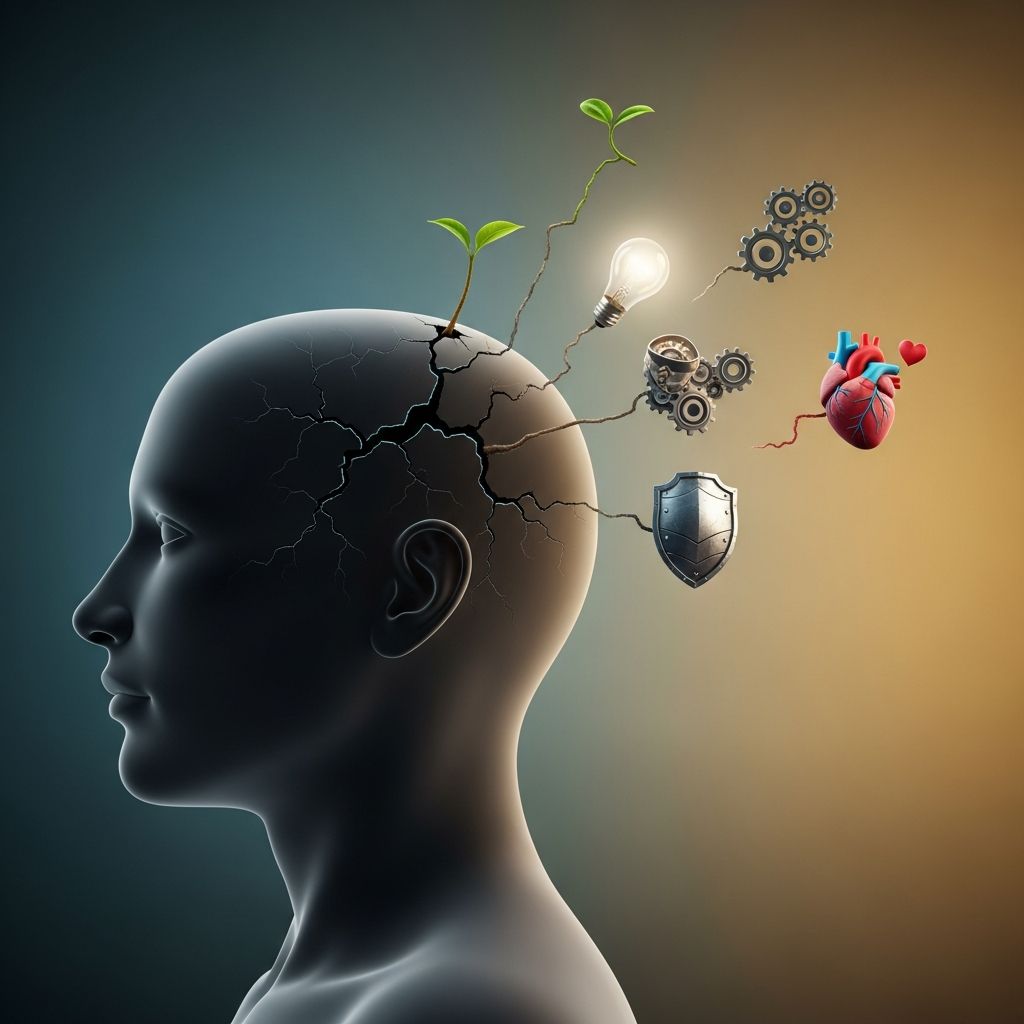
Stress has a notorious reputation as a health saboteur, linked to everything from heart disease to anxiety. But not all stress is created equal. Emerging research reveals that moderate, short-term stress—known as eustress—can deliver surprising health perks, from fortifying your immune system to sharpening your brain. This phenomenon, called hormesis, suggests low-dose stressors strengthen us much like vaccines train the immune system. While chronic stress damages, acute bouts can build resilience, enhance performance, and even speed healing. Drawing from peer-reviewed studies, here’s how stress might be your unexpected ally.
1. It Makes You More Resilient to Future Stress
Far from weakening you, controlled exposure to stress acts like a psychological vaccine, preparing your mind for bigger challenges. This is the core of stress inoculation theory, where mild stressors build confidence and coping skills for tougher times. Theorists compare it to tempering metal: moderate adversity creates a ‘steeling effect,’ making you tougher overall.
A national study comparing stressor-free adults to those with daily hassles found intriguing trade-offs. People reporting no stressors over eight days—often older, unmarried, and less socially engaged—had better daily emotional well-being and fewer chronic conditions. However, they showed lower cognitive functioning, suggesting some stress keeps the brain sharp through engagement. Those with moderate stressors gained resilience without the downsides of excess.
- Mechanism: Mild stress activates adaptive responses, increasing problem-solving and emotional regulation.
- Evidence: Adults with moderate life adversities (e.g., bereavement) exhibit better stress responses than those with none or extreme levels.
- Practical tip: Embrace small challenges like public speaking or deadlines to ‘inoculate’ against major life events.
Without stressors, life may feel calmer but stagnates cognitively. Social interactions, the top stressor source, also drive mental agility. Balance is key: aim for manageable doses to steel yourself.
2. It Boosts Your Immune System
Counterintuitively, short bursts of stress supercharge immunity. Acute stress triggers cortisol and adrenaline, mobilizing white blood cells to fight infections faster. This evolutionary holdover helped ancestors survive threats, and it works today.
Studies show moderate stress enhances vaccine responses and wound healing. In one trial, stressed participants produced more antibodies post-flu shot than relaxed ones. Hormesis explains this: low-level stress prompts cellular repairs, making systems robust. Chronic stress suppresses immunity, but eustress does the opposite.
| Stress Type | Immune Effect | Example |
|---|---|---|
| Acute (short-term) | Boosts antibodies, NK cells | Pre-exam stress improves vaccine efficacy |
| Moderate daily | Enhances inflammation control | Social arguments followed by resolution |
| Chronic | Suppresses immunity | Prolonged work burnout |
- Key hormone: Cortisol in low doses anti-inflammatory; high doses harmful.
- Application: Short workouts or cold showers mimic beneficial stress.
No-stress lives correlate with less physical illness but miss these adaptive boosts. Harness it wisely for a stronger defense.
3. It Improves Your Memory and Focus
Stress hormones like norepinephrine heighten alertness, turning your brain into a laser-focused machine. Under moderate pressure, recall sharpens, and problem-solving peaks—think athletes in the zone or students cramming effectively.
Research links mild daily stressors to better cognitive engagement. Stressor-free individuals, while emotionally stable, underperform in attention, memory, and inhibition tasks. Why? Stressors demand cognitive effort, preventing decline like mental weightlifting.
- Brain boost: Amygdala-hippocampus link consolidates memories under duress.
- Dosage matters: Optimal at 15-20% above baseline arousal (Yerkes-Dodson law).
Socio-intellectual activities, often stressful, predict higher midlife cognition. Skip them, and your edge dulls. Next deadline? View it as brain fuel.
4. It Helps You Recover Faster from Injuries
Post-injury stress accelerates healing by ramping metabolism and immunity. Adrenaline surges blood flow to wounds, while mild tension prevents atrophy. Patients with controlled anxiety heal quicker than overly pampered ones.
Studies confirm: moderate stress post-surgery cuts recovery time via growth factors. A stressor-free existence signals disuse, slowing repairs. Think intermittent fasting for cells—stress triggers cleanup (autophagy).
- Proof: Stressed athletes return 20% faster from strains.
- Caution: Excess delays via inflammation.
Incorporate light stressors like resistance bands during rehab for speedier gains.
5. It Enhances Physical Performance
The night-before jitters? They’re performance rocket fuel. Eustress elevates heart rate, oxygen delivery, and endurance, peaking output under pressure.
Mild stressors build physiological toughness, improving cardiovascular responses. No-stress profiles show physical wellness but lack peak capacity. Evolution wired us for fight-or-flight excellence.
| Scenario | Stress Benefit | Outcome |
|---|---|---|
| Sports race | Adrenaline surge | Personal best time |
| Presentation | Heightened focus | Confident delivery |
| Emergency | Quick reflexes | Effective action |
Train with stress simulations for real-world prowess.
How to Harness Good Stress
Distinguish eustress (motivating) from distress (draining). Track via journal: energy up or down? Build tolerance gradually—cold exposure, HIIT, puzzles. Social ties, stressor-rich, amplify benefits. Monitor for chronic signs: fatigue, insomnia—seek help then.
Frequently Asked Questions (FAQs)
What is the difference between good and bad stress?
Good stress (eustress) is short-term, energizing, and improves function; bad stress (distress) is prolonged, overwhelming, and harms health.
Can too much good stress become harmful?
Yes, escalation tips moderate doses into chronic overload, raising illness risk. Balance with recovery is essential.
How much stress is optimal daily?
Manageable hassles tied to positive events; aim for engagement without exhaustion.
Who benefits most from stress inoculation?
Those with low-moderate prior exposure; builds resilience across ages.
Does age affect stress benefits?
Older adults with no stressors fare well physically but lag cognitively; youth gain more from challenges.
References
- The Mixed Benefits of a Stressor-Free Life — Charles, S. T., et al. 2021-08-17. https://pmc.ncbi.nlm.nih.gov/articles/PMC8384975/
- Stress Inoculation Training — Meichenbaum, D. American Psychological Association. 1985. https://doi.org/10.1037/0022-006X.53.4.532
- Hormesis in Health and Disease — Calabrese, E. J. Critical Reviews in Toxicology. 2018-06-15. https://doi.org/10.1080/10408444.2018.1460556
- Effects of Acute Stress on Immune Function — Dhabhar, F. S. Psychoneuroendocrinology. 2014-05. https://doi.org/10.1016/j.psyneuen.2014.02.009
- Yerkes-Dodson Law Revisited — Diamond, D. M. Neuroscience & Biobehavioral Reviews. 2007-10. https://doi.org/10.1016/j.neubiorev.2007.05.002
Similar Articles






Read full bio of medha deb