5 Worst Gluten-Free Mistakes And How To Avoid Them
Avoid these common pitfalls when starting a gluten-free diet to improve health, prevent weight gain, and ensure nutritional balance.

Adopting a gluten-free diet can bring relief for those with celiac disease or gluten sensitivity, but it’s fraught with pitfalls that lead to unintended consequences like weight gain, nutrient shortfalls, and persistent symptoms. This article uncovers the five most common errors, drawing from expert insights to guide you toward a truly healthy gluten-free lifestyle.
What Is a Gluten-Free Diet and Who Needs It?
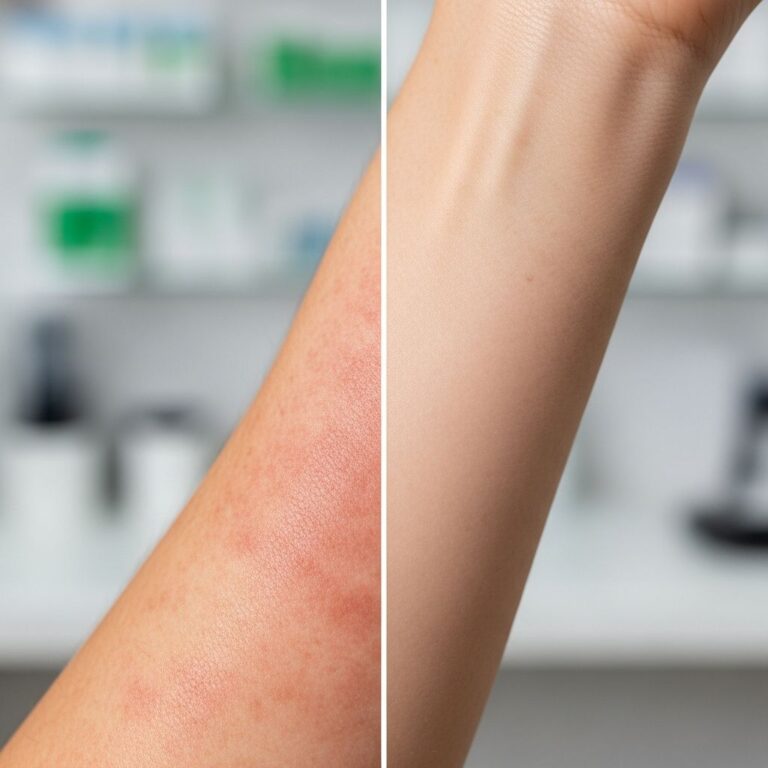
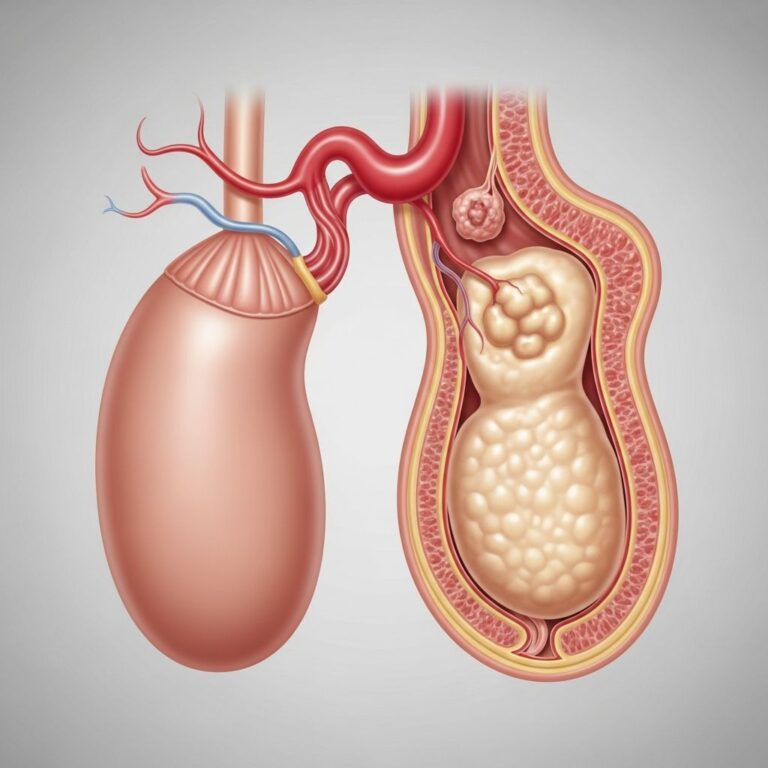
Gluten is a protein found in wheat, barley, rye, and triticale that triggers an immune response in people with celiac disease, damaging the small intestine’s villi and causing malnutrition, bloating, fatigue, and more. For celiac patients, strict avoidance is essential to heal the gut. Those with non-celiac gluten sensitivity experience similar symptoms without intestinal damage, such as brain fog and joint pain.
Oats are naturally gluten-free but often cross-contaminated; only certified gluten-free oats are safe, and even then, some with celiac may react to avenin. Processed foods like breads, cereals, and soups frequently hide gluten, requiring vigilant label reading.
1. Confusing ‘Gluten-Free’ With ‘Wheat-Free’ or Refined Grains
One of the biggest misconceptions is assuming ‘wheat-free’ means gluten-free. Gluten lurks in barley, rye, spelt, and triticale too. Many swap white bread for ‘hearty’ whole grains like rye or spelt, which still contain gluten, perpetuating symptoms.
Refined grains in gluten-free products, like white rice flour, lack fiber and nutrients, mimicking the issues of regular refined carbs. A true gluten-free diet demands grains like quinoa, millet, buckwheat, amaranth, and certified gluten-free oats.
- Avoid: Wheat, barley, rye, triticale, malt, brewer’s yeast.
- Safe grains: Rice, corn, quinoa, sorghum, teff.
Cross-contamination is another trap; even naturally gluten-free foods can pick up traces in processing.
2. Thinking Gluten-Free Equals Automatic Weight Loss
Initial weight loss on gluten-free diets often stems from ditching calorie-dense foods like bagels, pasta, and crackers, replaced by veggies and nutrient-rich quinoa or wild rice. This cuts refined carbs, boosts fiber, and elevates energy.
However, gluten-free doesn’t guarantee slimming; many gain weight due to higher fat content in substitutes or overeating ‘healthy’ options. Research shows gluten-free diets can increase fat, saturated fats, and cholesterol, raising cardiovascular risks long-term. In non-celiac individuals, weight gain with abnormal lipids is common without professional guidance.
| Myth | Reality |
|---|---|
| Gluten-free = low calorie | Often higher in fats/sugars; read labels |
| Leads to sustained loss | Depends on overall balance, not just gluten |
3. Loading Up on Gluten-Free Junk Food
The explosion of gluten-free products has birthed carb-heavy imposters: bagels, cookies, and pretzels packing more calories than originals. One brand’s gluten-free cookie hits 60 calories each, made with refined rice flour stripped of fiber.
Related Stories



These ultra-processed items spike blood sugar and contribute to weight gain. Gluten-free breads and cereals vary wildly in nutrients; many have elevated fats, sugars, sodium, and calories. Nickel levels may rise, allergenic for some, alongside heavy metals like arsenic.
- Problem foods: Gluten-free cakes, candies, chips, seasoned fries.
- Tip: Prioritize whole foods over packaged ‘treats’.
4. Ignoring the Rest of Your Diet
Swapping pasta for quinoa is great, but oversized portions derail progress. Unlimited fruit, nuts, or even healthy grains create calorie surpluses stored as fat. Balance is key: quality, quantity, and variety.
Gluten-free diets risk deficiencies in protein, folate, iron, B vitamins, zinc, selenium, and fiber. Higher fat/cholesterol intake worsens heart risks. For celiacs, this compounds malnutrition if not addressed. Consult a dietitian for nutrient boosts via fortified foods or supplements.
Conditions mimicking gluten issues—like FODMAP intolerance, nickel allergy, or SIBO—require differential diagnosis, not blanket gluten elimination.
5. Not Getting Tested or Overlooking Hidden Gluten
Starting gluten-free before celiac testing skews results; reintroduce gluten for accurate diagnosis. Hidden gluten hides in dressings, vitamins, lip balm, and seasonings.
For non-celiacs, monitor symptoms on elimination; blinded challenges confirm sensitivity. No proven benefit for others; it may harm nutrition.
How to Succeed on a Gluten-Free Diet
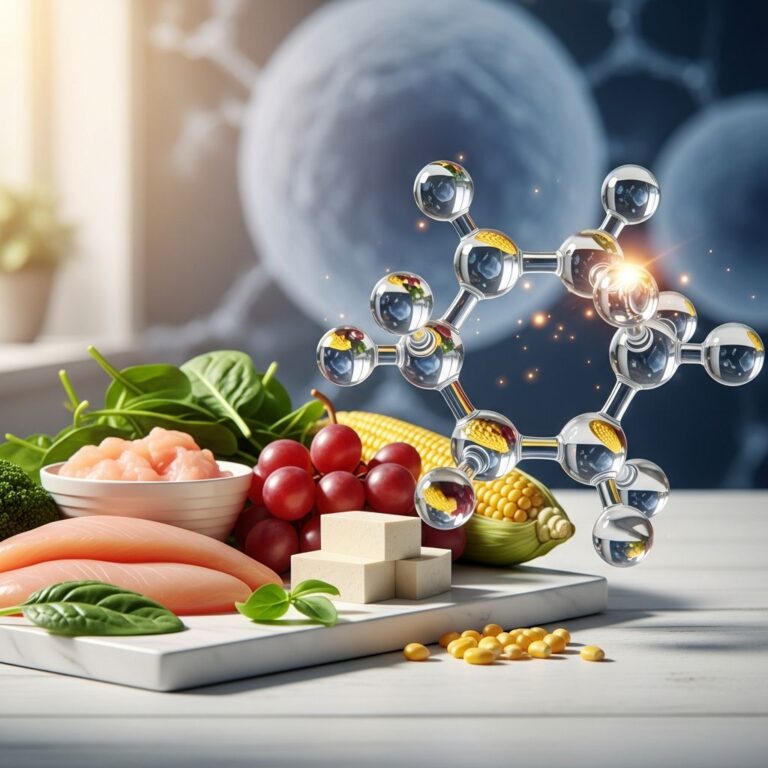
Focus on whole foods: fruits, veggies, lean proteins, nuts, seeds, and safe grains. Read labels meticulously. Work with professionals for balance. For weight management, track portions and macros.
Nutritional pitfalls: Boost iron via meats/beans, fiber from veggies/quinoa, B vitamins from fortified rice.
Frequently Asked Questions (FAQs)
Is a gluten-free diet healthy for everyone?
No, unless diagnosed with celiac or sensitivity. It can cause deficiencies and weight gain in others.
Can I eat oats on gluten-free?
Only certified gluten-free to avoid contamination; consult your doctor for avenin sensitivity.
Why am I gaining weight gluten-free?
Often from junk foods, large portions, or higher fats; balance with whole foods.
Do I need supplements?
Possibly for iron, B vitamins, fiber; see a dietitian.
How to avoid hidden gluten?
Check labels for wheat/barley/rye derivatives; beware processed items.
References
- Your 5 Worst Gluten-Free Mistakes — ABC News. 2013-05-10. https://abcnews.go.com/Health/Wellness/worst-gluten-free-mistakes/story?id=19145547
- Gluten-free diet — Mayo Clinic Staff. 2023-11-09. https://www.mayoclinic.org/healthy-lifestyle/nutrition-and-healthy-eating/in-depth/gluten-free-diet/art-20048530
- Gluten Free Diets – A Challenge for the Practicing Physician — PMC/NCBI. 2020-04-01. https://pmc.ncbi.nlm.nih.gov/articles/PMC7144711/
- Is Gluten Free a Free Pass — NKC Health. 2023-01-15. https://www.nkchealth.org/blog/is-gluten-free-a-free-pass
Similar Articles








Read full bio of medha deb