6 Gut-Healthy Trader Joe’s Finds, Dietitian-Backed
Boost your gut health with these 6 affordable, delicious Trader Joe's products packed with probiotics, prebiotics and fiber.
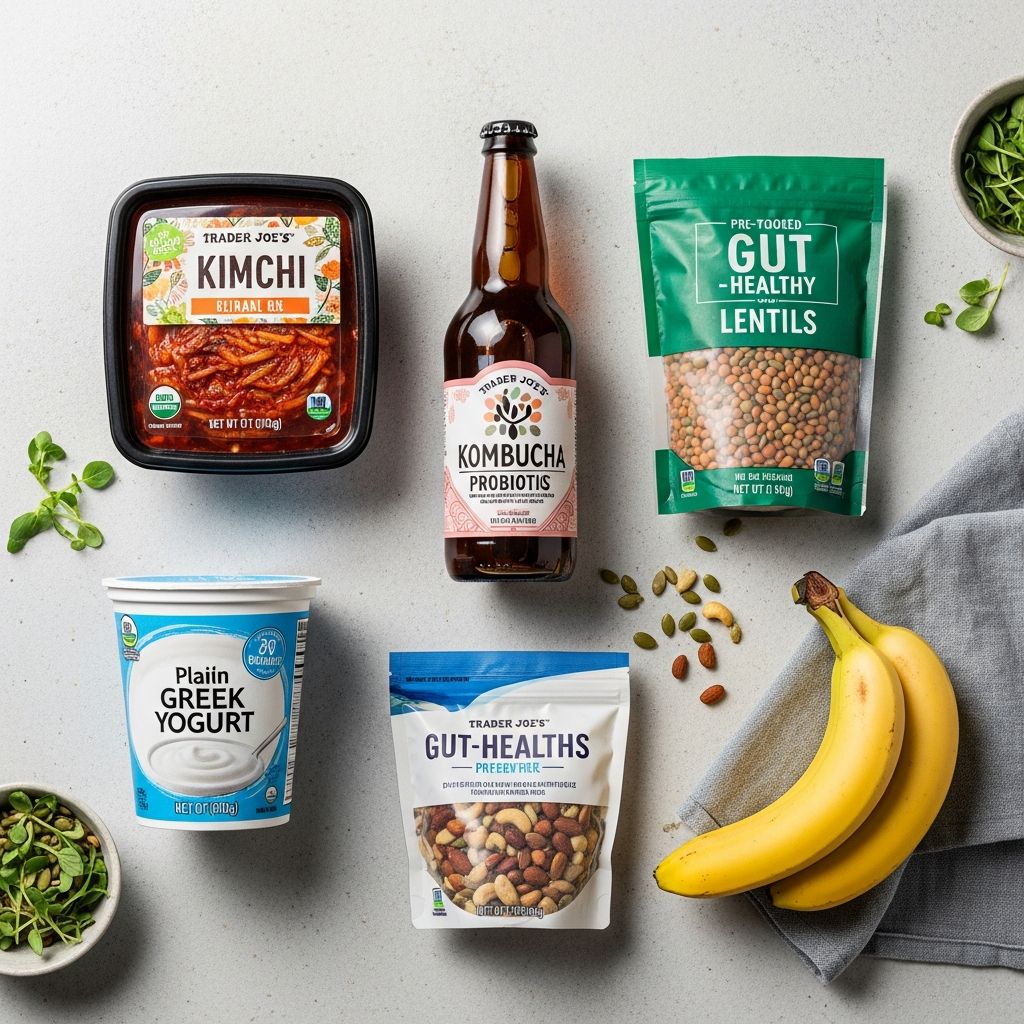
A healthy gut is essential for digestion, immunity, and overall well-being. The gut microbiome—a diverse community of trillions of microorganisms in your intestines—plays a crucial role in these processes. Supporting it requires a diet rich in probiotics (live beneficial bacteria), prebiotics (fibers that feed those bacteria), and diverse fibers. Trader Joe’s offers affordable, tasty products that deliver these benefits without breaking the bank or sacrificing flavor.
In this article, we’ll dive into six standout gut-healthy finds from Trader Joe’s. Each selection is backed by nutritional science and dietitian insights. These items are versatile for meals, snacks, or sides, making it simple to incorporate gut-boosting foods into your routine. Whether you’re new to gut health or a seasoned shopper, these picks will elevate your cart.
What Makes Food Gut-Healthy?
Before exploring the products, understand the science. Probiotics from fermented foods like yogurt and kimchi introduce live cultures that colonize the gut. Prebiotics, found in garlic, onions, and whole grains, nourish existing bacteria. Fermentable fibers promote short-chain fatty acid production, reducing inflammation and aiding bowel regularity.
According to the National Institutes of Health, a diverse microbiome correlates with better health outcomes. Aim for variety: mix fermented items with plant-based fibers daily.
1. Trader Joe’s Greek Yogurt with Probiotics
Trader Joe’s plain Greek yogurt is a probiotic powerhouse. Each 6-ounce serving packs billions of live active cultures, including Lactobacillus and Bifidobacterium strains. These survive stomach acid to reach the intestines, supporting microbial balance.
Nutritionally, it’s high-protein (around 15-20g per serving) and low-sugar when plain, preventing harmful bacterial overgrowth. Use it in smoothies, as a parfait base with berries, or in dips. Dietitians recommend it for breakfast to kickstart digestion.
- Key Benefits: Probiotic diversity, high protein for satiety, versatile for recipes.
- Nutrition per serving: 100 calories, 0g added sugar, 18g protein.
- Price: About $4 for a 32-ounce tub—budget-friendly gut support.
Pro tip: Choose the full-fat version for better absorption of fat-soluble vitamins that aid gut lining health.
2. Trader Joe’s Kimchi
Fermented cabbage kimchi delivers a spicy probiotic punch. Made with napa cabbage, radishes, garlic, and chili, it’s naturally fermented for live Lactobacillus. One jar provides multiple servings of gut-friendly bacteria.
Kimchi’s prebiotic fibers from vegetables feed beneficial microbes. Studies from the World Journal of Gastroenterology show fermented vegetables improve gut diversity and reduce IBS symptoms.
- Key Benefits: Live probiotics, anti-inflammatory compounds, low-calorie flavor booster.
- How to use: Top rice bowls, stir into soups, or eat as a side.
- Price: $3.99 per jar—authentic taste at a steal.
Related Stories



Beyond probiotics, kimchi’s antioxidants combat oxidative stress in the gut.
3. Trader Joe’s Sauerkraut
This raw, unpasteurized sauerkraut is fermented with cabbage and salt, preserving live enzymes and probiotics. Unlike canned versions, Trader Joe’s avoids pasteurization, keeping cultures viable.
Rich in fiber (3g per 1/2 cup), it promotes regularity. A Harvard Health review highlights sauerkraut’s role in enhancing microbiome diversity.
- Key Benefits: Probiotic strains, vitamin C boost, crunchy texture.
- Serving ideas: On sandwiches, with sausage, or in salads.
- Price: $2.69 for 16 ounces.
Start with small amounts to build tolerance, as high fiber can cause initial bloating.
4. Trader Joe’s Organic Chia Seeds
Chia seeds are prebiotic superstars. Their soluble fiber forms a gel in the gut, feeding Bifidobacteria. Just 1 ounce (about 2 tablespoons) delivers 10g fiber—40% of daily needs.
The USDA notes chia’s omega-3s reduce gut inflammation. Soak overnight for pudding or add to smoothies.
- Key Benefits: High soluble fiber, omega-3s, easy hydration.
- Recipe hack: Chia pudding with Greek yogurt for double gut power.
- Price: $4.99 for 12 ounces.
| Nutrient | Per 1 oz Serving |
|---|---|
| Fiber | 10g |
| Omega-3s | 5g |
| Protein | 4g |
5. Trader Joe’s Steel Cut Oats
These oats provide beta-glucan fiber, a prebiotic that lowers cholesterol and stabilizes blood sugar—indirectly benefiting gut health. A cup cooked offers 8g fiber.
Research from the Journal of Nutrition (2021) confirms oats increase beneficial bacteria like Lactobacillus.
- Key Benefits: Sustained energy, prebiotic beta-glucans, heart-gut synergy.
- Prep tip: Overnight oats with yogurt and chia.
- Price: $3.99 for 24 ounces.
Opt for organic to minimize pesticide exposure, which can disrupt microbiota.
6. Trader Joe’s Garlic Spread
This creamy dip features garlic and onions—prebiotic alliums rich in inulin and fructooligosaccharides (FOS). These selectively feed good bacteria.
A NIH study shows FOS improves bowel habits. Spread on veggies or use as a base for dressings.
- Key Benefits: Prebiotic boost, savory flavor, low-carb.
- Uses: Veggie dip, sandwich spread, soup thickener.
- Price: $2.99 per tub.
Sample Gut-Healthy Meal Plan with Trader Joe’s Finds
Incorporate these into a day:
- Breakfast: Greek yogurt parfait with chia seeds and oats.
- Lunch: Salad with sauerkraut, kimchi, and garlic spread dressing.
- Dinner: Steel cut oats with fermented veggies.
- Snack: Chia pudding.
This plan hits 30g+ fiber and multiple probiotics daily.
Frequently Asked Questions (FAQs)
What are the best Trader Joe’s products for gut health?
Greek yogurt, kimchi, sauerkraut, chia seeds, steel cut oats, and garlic spread top the list for their probiotic, prebiotic, and fiber content.
Can these products help with bloating?
Yes, by balancing the microbiome. Start slow to avoid initial gas from fiber increase.
Are Trader Joe’s fermented foods pasteurized?
No, items like kimchi and sauerkraut are raw and unpasteurized, preserving live cultures.
How much of these should I eat daily?
Aim for 1-2 servings of probiotics (e.g., 1/2 cup yogurt) and 25-30g fiber from prebiotics.
Final Tips for Gut Health Shopping at Trader Joe’s
Read labels for ‘live active cultures’ and avoid added sugars. Rotate products for microbiome diversity. Pair with hydration and movement. These six finds make gut health accessible and enjoyable—stock up next trip!
References
- Probiotics and Prebiotics in Intestinal Health and Disease — National Institutes of Health (NIH). 2021-07-28. https://www.ncbi.nlm.nih.gov/pmc/articles/PMC8321864/
- Fermented Foods, Health and the Gut Microbiome — World Journal of Gastroenterology. 2019-04-07. https://pubmed.ncbi.nlm.nih.gov/30875147/
- Fermented Foods for Better Gut Health — Harvard Health Publishing. 2018-08-16. https://www.health.harvard.edu/blog/fermented-foods-for-better-gut-health-2018081614467
- Chia Seed Nutritional Profile — United States Department of Agriculture (USDA). 2023. https://www.usda.gov/
- Beta-Glucan from Oats and Gut Microbiota — Journal of Nutrition. 2021-08-01. https://pubmed.ncbi.nlm.nih.gov/34411499/
- Prebiotic Effects of Inulin and FOS — National Institutes of Health (NIH). 2016-08-01. https://www.ncbi.nlm.nih.gov/pmc/articles/PMC4991651/
Similar Articles








Read full bio of medha deb