6 Healthy Ways to Manage Weight for Sports
Discover six evidence-based strategies for athletes to maintain optimal weight, enhance performance, and avoid unhealthy dieting pitfalls throughout the season.

The secret to making weight cutoffs in sports is staying at a healthy weight all season long, rather than resorting to crash diets that harm performance and health. For beginner and intermediate athletes, sustainable weight management supports peak athletic performance while minimizing risks like muscle loss, fatigue, and disordered eating. This article outlines six healthy strategies, drawing from evidence-based recommendations to help you fuel your body properly, maintain lean tissue, and achieve realistic body composition goals.
Understanding Weight Management for Athletes
Athletes often face pressure to achieve a specific weight for competition, but extreme measures like severe calorie restriction or dehydration can compromise health and performance. Research emphasizes dynamic energy balance, where energy intake matches expenditure adjusted for training demands, to promote fat loss while preserving muscle. Realistic goals involve gradual changes—aiming for 0.5-1 pound loss per week during off-season—to avoid lean tissue breakdown and support recovery.
Determining an optimal weight requires assessing your sport’s demands, body composition, and resting metabolic rate (RMR). For instance, energy intakes below 1500 kcal/day are generally insufficient for athletes, risking decreased strength, glycogen stores, and injury. Consult a registered dietitian nutritionist (RDN) specializing in sports for personalized plans that integrate diet with training.
1. Schedule Eating
Believe it or not, the best way to keep an athlete’s appetite satisfied and provide important nutrients to muscles is to eat with a routine. Try to eat breakfast, lunch, and dinner at about the same time each day, and work in nutritious snacks in between. Never skip meals, as this may promote hunger, leading to poor food choices and overeating.
Timing food intake around exercise is crucial. Consume carbohydrates and protein post-workout to replenish glycogen and repair lean tissue, preventing excessive hunger later. Spreading meals and snacks throughout the day ensures steady energy for training and recovery. For example, a post-exercise snack might include low-fat yogurt with fruit or a turkey wrap on whole grains—low-energy dense options that promote satiety without excess calories.
- Eat every 3-4 hours to stabilize blood sugar and reduce cravings.
- Plan ahead: Pack snacks like apple slices with nut butter or veggie sticks with hummus.
- Avoid fasting; even active individuals need consistent fueling to maintain performance.
Athletes who time meals strategically report better adherence to weight goals and improved training responses.
2. Balance the Food Groups
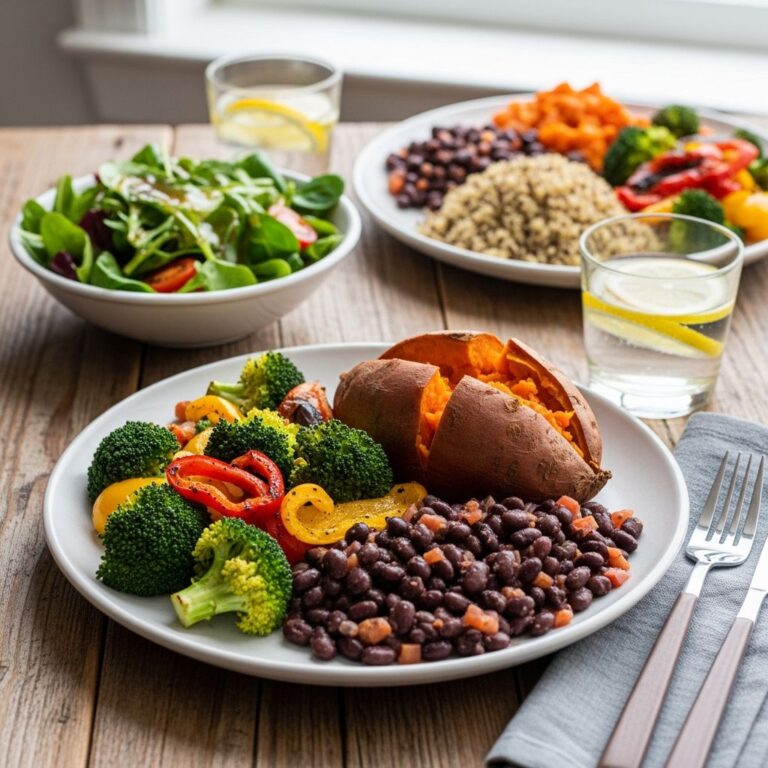
A variety of foods is important to a healthful diet and peak performance. Make sure to include low-fat or fat-free dairy or other calcium-rich foods, fruits, vegetables, whole grains, and lean protein foods in everyday eating and at each meal. Load half your plate with fruits and veggies, and you’ll naturally balance some of the other items on your plate with lower-calorie options. Just make sure to limit sources of added sugars and solid fats.
Adopting a low-energy dense (ED) diet—high in fiber, water, and low in fat—allows greater food volume for satiety while reducing overall intake. Examples include salads, soups, and whole fruits over juices. Protein timing and quality matter: Aim for high-quality sources like eggs, fish, poultry, and legumes distributed across meals, especially post-exercise, to preserve muscle during energy deficits.
Related Stories



| Food Group | Examples | Benefits for Athletes |
|---|---|---|
| Fruits & Vegetables | Apples, berries, spinach, broccoli (half plate) | High fiber for fullness, vitamins for recovery |
| Lean Proteins | Chicken breast, tofu, Greek yogurt | Muscle repair, satiety (1.4-2.0g/kg body weight) |
| Whole Grains | Oats, quinoa, brown rice | Sustained energy, glycogen replenishment |
| Dairy/Calcium | Low-fat milk, fortified alternatives | Bone health, protein source |
A balanced plate not only meets nutrient needs but also curbs overeating by promoting satisfaction.
3. Eat Mindfully
When you’re hungry, it’s easy to overeat. Pay attention to your internal fullness cues while eating and focus on your food rather than a screen. Eating appropriate portions will help you stay on track with your overall calorie intake.
Mindful eating involves slowing down, chewing thoroughly, and recognizing hunger versus emotional eating. Athletes prone to stress-eating benefit from this practice, as it prevents mindless calorie accumulation. Combine with portion control: Use smaller plates or pre-measure snacks to align with a 300-500 kcal daily deficit for males or 200-300 for females, without dropping below RMR.
- Distract-free meals: No phones or TV.
- Rate hunger on a 1-10 scale before and after eating.
- Gradual loss: 1 lb/week max to minimize muscle loss.
4. Choose Low-Energy Dense Foods and Beverages
Opt for foods and drinks with low energy density to eat more volume while controlling calories. High-fiber, high-water foods like vegetables, fruits, and broth-based soups enhance satiety. Monitor beverages: Swap energy-dense drinks and alcohol for water, herbal tea, or low-cal options, as they provide calories without fullness.
During exercise, use sports drinks judiciously for hydration and glucose maintenance, but prioritize water for daily intake. This strategy supports weight goals without compromising training.
5. Prioritize Adequate Protein Intake
Most athletes meet protein needs, but during restriction, ensure 1.4-1.8g per kg body weight, timed around workouts. High-quality protein at breakfast and post-exercise boosts metabolism and muscle retention.
- Sources: Whey, casein, plant-based blends.
- Benefits: Increases satiety, preserves lean mass.
6. Time Nutrition Around Training and Avoid Severe Restriction
Avoid cuts below 1500 kcal/day; reduce by 300-500 kcal instead. Fuel carbs around sessions (3-4g/kg/day min) for performance. Refuel post-training to aid recovery and prevent rebound hunger.
For weight-class sports, limit acute loss to 5% body weight via safe fluid strategies, not dehydration.
Frequently Asked Questions (FAQs)
What is a safe calorie deficit for athletes?
A 200-500 kcal daily reduction based on training, avoiding severe restriction to protect performance and muscle.
How much protein do athletes need when losing weight?
1.4-2.0g per kg body weight, spread across meals.
Can athletes skip meals to lose weight?
No; skipping promotes overeating and muscle loss. Schedule regular meals.
What if I’m not losing weight?
Track intake, consult an RDN, and ensure balanced, timed nutrition.
Are low-fat diets best for athletes?
Focus on low-ED foods; include healthy fats moderately for hormones and recovery.
Additional Tips for Success
Monitor progress with body composition, not just scale weight. Multidisciplinary support—coach, RDN, physician—optimizes outcomes. Stay hydrated: 1.25-1.5L per kg lost during exercise. Off-season is ideal for changes.
References
- Weight Management for Athletes and Active Individuals — National Institutes of Health (PMC). 2015-10-20. https://pmc.ncbi.nlm.nih.gov/articles/PMC4672016/
- 6 Healthy Ways to Manage Weight for Sports — Academy of Nutrition and Dietetics. Accessed 2026. https://www.eatright.org/fitness/sports-and-athletic-performance/beginner-and-intermediate/6-healthy-ways-to-manage-weight-for-sports
- Weight Management for Athletes and Active Individuals — GSSI Sports Science Exchange. Accessed 2026. https://www.gssiweb.org/sports-science-exchange/article/weight-management-for-athletes-and-active-individuals
- Maintaining Weight While Staying Competitive — NCAA. 2014-02-12. https://www.ncaa.org/sports/2014/2/12/maintaining-weight-while-staying-competitive.aspx
- Acute Weight Loss and Recovery Strategies in Weight Class Sports — Athlete Training and Health. Accessed 2026. https://athletetrainingandhealth.com/acute-weight-loss-and-recovery-strategies-in-weight-class-sports/
- 9 Science-Based Ways for Athletes to Lose Weight — Healthline. Accessed 2026. https://www.healthline.com/nutrition/9-weight-loss-tips-for-athletes
Similar Articles








Read full bio of Sneha Tete