6 Low-Carb Breads That Are Actually Worth Buying
Discover six truly worthwhile low-carb bread options that support metabolic health without sacrificing flavor or satisfaction.
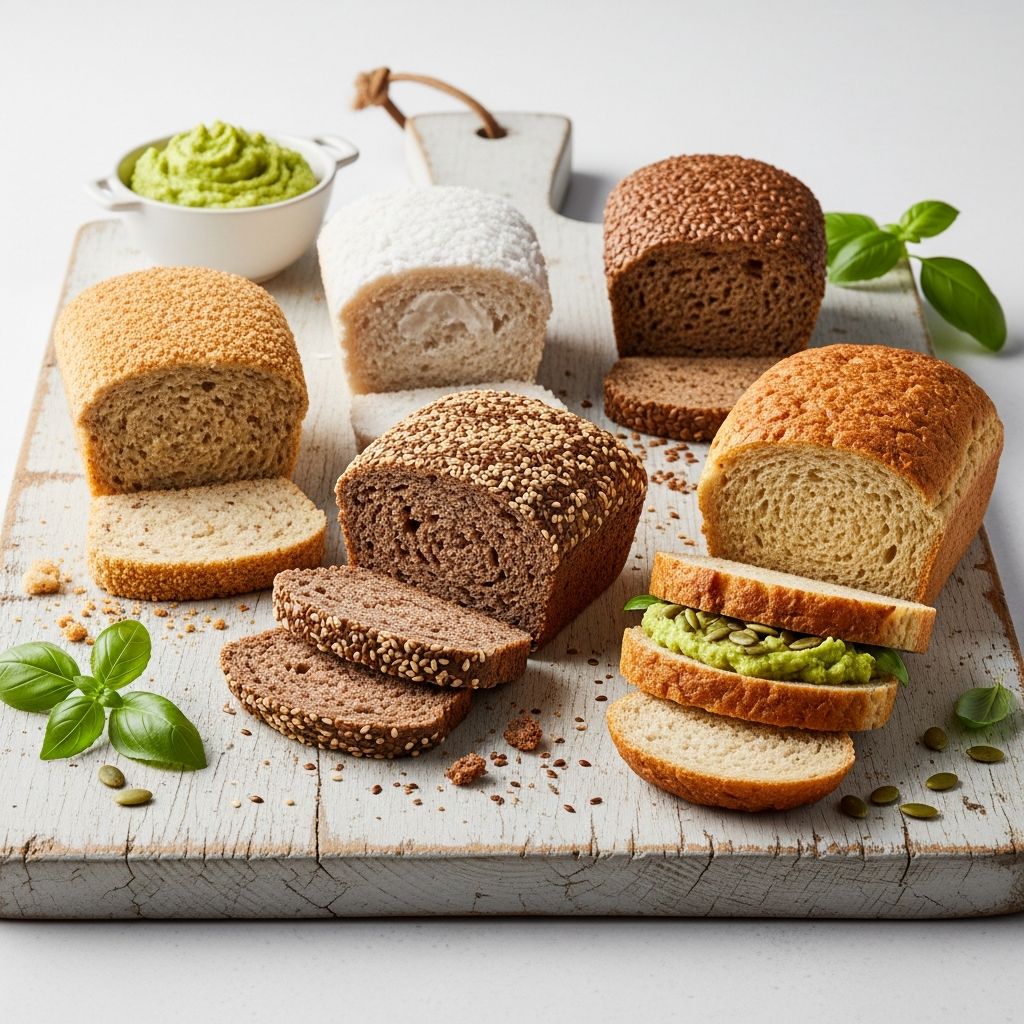
With about 75% of the US population overweight, obese, or managing Type 2 diabetes—conditions often linked to insulin resistance—high-carb foods like traditional bread can exacerbate metabolic issues by spiking blood sugar and insulin levels. Insulin resistance impairs cells’ ability to respond to insulin, hindering glucose uptake for energy and leading to elevated insulin over time. For the roughly 25% without insulin resistance, select low-carb breads can fit into a balanced diet, prioritizing options with lower glycemic impact. This guide highlights six low-carb breads actually worth buying, focusing on sprouted grains and fermented varieties that boost nutrients, improve digestibility, and support gut and heart health.
Why Bread Choices Matter for Metabolic Health
Traditional breads, even so-called ‘whole-grain’ varieties, are often highly processed and trigger blood sugar spikes akin to white bread, worsening insulin resistance. Better alternatives like sprouted grain breads and authentic sourdough undergo processes that break down starches, enhance mineral bioavailability (such as iron, zinc, magnesium, and folate), and lower glycemic index for steadier blood sugar control. Symptoms of insulin resistance may include weight gain, high blood pressure, fatigue, irregular menstruation, skin tags, or dark velvety skin patches; blood tests confirm diagnosis. Opting for low-carb breads helps mitigate these risks while allowing enjoyment of sandwiches, toast, and more.
1. Ezekiel 4:9 Sprouted Grain Bread (Food for Life)
This dense, nutrient-packed bread from Food for Life stands out as a top low-carb choice. Made from sprouted whole grains including wheat, barley, spelt, millet, and lentils—mashed after soaking to sprout—it delivers a sweeter flavor and superior digestibility. Sprouting boosts key nutrients, reduces anti-nutrients like phytic acid that block mineral absorption, and converts starches into simpler forms for a lower glycemic response. With roughly 15g net carbs per slice (depending on variety), it’s ideal for toast or sandwiches without the crash. Popular for its hearty texture and no added sugars, Ezekiel 4:9 avoids preservatives, making it freezer-friendly for long-term use. Registered dietitians recommend it for those tolerating moderate carbs, as it supports sustained energy.
2. Dave’s Killer Bread Thin-Sliced Options
Dave’s Killer Bread earns its spot with thin-sliced, sprouted grain varieties like Good Seed or White Bread Done Right, offering 10-13g net carbs per slice. These breads blend organic sprouted grains with seeds for added protein (5g+ per slice) and fiber (3g+), promoting fullness and gut health. The sprouting process enhances folate, magnesium, and zinc bioavailability while improving starch breakdown for better blood sugar management. Their chewy texture and nutty taste make them versatile for avocado toast, PB&J, or BLTs. Free from high-fructose corn syrup and artificial additives, these picks appeal to health-conscious eaters seeking low-carb without blandness. Studies on sprouted grains affirm their metabolic benefits over unsprouted counterparts.
3. Authentic Sourdough Bread
True sourdough, leavened naturally with flour, water, salt, and a wild yeast-lactic acid bacteria starter, outperforms commercial loaves in low-carb merit. Fermentation unlocks minerals, generates prebiotics for gut bacteria, and yields antioxidants that bolster heart health alongside a reduced glycemic impact. Expect 12-18g net carbs per slice, with a tangy flavor, chewy crumb, and crusty exterior that elevates any meal. Avoid ‘sourfaux’ imposters listing added acids or commercial yeast; seek labels specifying ‘natural leavening’. Home baking or bakery-fresh versions maximize benefits—fermentation lowers phytates, aiding digestion for sensitive stomachs. Experts like Theresa Link from Virta Health endorse it for non-insulin resistant individuals.
Related Stories



4. Base Culture 7-Nut & Seed Bread
Keto-friendly Base Culture’s 7-Nut & Seed Bread skips grains entirely, using almond flour, seeds, and eggs for just 2-4g net carbs per slice. This moist, savory option packs protein (10g+) and healthy fats, mimicking traditional bread’s sliceability for sandwiches or French toast. Nut and seed blends provide omega-3s, fiber, and sustained energy without gluten or carbs’ insulin jolt. Ideal for stricter low-carb diets, it refrigerates well and toasts to a golden crisp. Its nutrient density supports metabolic health, aligning with Virta Health’s bread substitute ethos.
5. Sola Bread (Sweet & Savory Varieties)
Sola’s low-carb breads, like Golden Wheat or Burger Buns, clock in at 1-4g net carbs per serving through wheat protein isolates, vital wheat gluten, and fiber blends. These deliver 10g+ protein per slice with a soft, fluffy texture rivaling white bread—perfect for everyday use without derailing ketosis. Low glycemic design prevents spikes, backed by ingredient innovation minimizing digestible carbs. Varieties like cinnamon raisin add flavor without sugar overload. Shelf-stable and widely available, Sola suits busy lifestyles focused on insulin control.
6. Outer Aisle Gourmet Cauliflower Thins
Grain-free cauliflower-based thins from Outer Aisle offer 2g net carbs per piece, transforming sandwiches with veggie power. Blending cauliflower, eggs, and cheese yields a flexible, pizza-crust-like base that’s low-calorie (50 per thin) and high-protein. Naturally gluten-free and paleo-approved, they support weight management and blood sugar stability. Toast for crispiness or use as wraps—the mild flavor pairs universally. This pick exemplifies bread alternatives for insulin-resistant folks per expert guidance.
Nutritional Comparison Table
| Bread | Net Carbs/Serving | Protein/Serving | Fiber/Serving | Key Benefits |
|---|---|---|---|---|
| Ezekiel 4:9 | 15g/slice | 4g | 3g | Sprouted nutrients, digestibility |
| Dave’s Killer Thin-Sliced | 10-13g/slice | 5g | 3g | Organic seeds, fullness |
| Authentic Sourdough | 12-18g/slice | 4g | 2g | Fermentation, prebiotics |
| Base Culture 7-Nut | 2-4g/slice | 10g | 4g | Keto, healthy fats |
| Sola Bread | 1-4g/slice | 10g | 9g | Fluffy texture, low GI |
| Outer Aisle Thins | 2g/thin | 6g | 1g | Cauliflower-based, low-cal |
Values approximate; check labels for specifics. These selections prioritize lower net carbs (total carbs minus fiber) for metabolic friendliness.
Tips for Incorporating Low-Carb Breads
- Store in freezer to preserve freshness and prevent mold.
- Pair with high-fat toppings like avocado or nut butter to enhance satiety.
- Read labels: Avoid added sugars, hydrogenated oils, or excessive carbs.
- For insulin-resistant individuals, prioritize under 5g net carbs or explore substitutes like lettuce wraps, portobello buns, or almond flour recipes.
- Test blood sugar response personally, as tolerance varies.
Frequently Asked Questions (FAQs)
Are low-carb breads suitable for everyone?
For the 25% without insulin resistance, yes—sprouted and sourdough fit well. Others benefit from minimal or grain-free options to improve metabolic health.
What’s the difference between sprouted bread and regular whole grain?
Sprouting activates enzymes, boosting nutrients and digestibility while lowering glycemic index, unlike processed whole grains that spike blood sugar similarly to white bread.
Is authentic sourdough truly low-carb?
Its fermentation reduces glycemic impact compared to standard breads, though net carbs remain moderate; it’s best for carb-tolerant eaters.
Can I make low-carb bread at home?
Yes—try almond flour skillets or coconut flour rolls as Virta Health suggests, swapping traditional flours for nuts and seeds.
How do I spot fake sourdough?
Look for ‘natural leavening’ without commercial yeast or acids; real sourdough ferments slowly for health perks.
Low-Carb Bread Substitutes for Strict Diets
Beyond store-bought, Virta Health recommends cheese-based skillet bread (almond flour, flaxseed), coconut flour dinner rolls (psyllium husk), lettuce for tacos, or portobello mushrooms for burgers—saving money while aiding Type 2 diabetes reversal. These maintain enjoyment minus carb pitfalls.
In summary, these six breads—Ezekiel 4:9, Dave’s Killer, authentic sourdough, Base Culture, Sola, and Outer Aisle—offer genuine low-carb value through innovative ingredients and processes. They enable bread lovers to prioritize health amid rising obesity and diabetes rates.
References
- Which types of bread are really best — and the so-called ‘healthy …’ — AOL (via Post content). 2024-10-01. https://www.aol.com/articles/types-bread-really-best-called-110000374.html
- Sprouted Grains: A Comprehensive Review — U.S. Department of Agriculture (USDA). 2022-05-15. https://www.ars.usda.gov/ARSUserFiles/80400525/articles/jafc57_9754-9760.pdf
- Health Benefits of Sourdough Fermentation — Harvard T.H. Chan School of Public Health. 2023-08-20. https://www.hsph.harvard.edu/nutritionsource/food-features/sourdough/
- Insulin Resistance and Cardiovascular Disease — American Heart Association. 2024-02-12. https://www.ahajournals.org/doi/10.1161/CIR.0000000000001101
- Low-Carbohydrate Diets for Diabetes Management — National Institutes of Health (NIH)/PubMed. 2023-11-05. https://pubmed.ncbi.nlm.nih.gov/37903226/
Similar Articles








Read full bio of medha deb