6 Signs You Could Be Eating Too Much Protein
Discover the hidden signs of protein overload and learn how to balance your diet for optimal health and wellness.
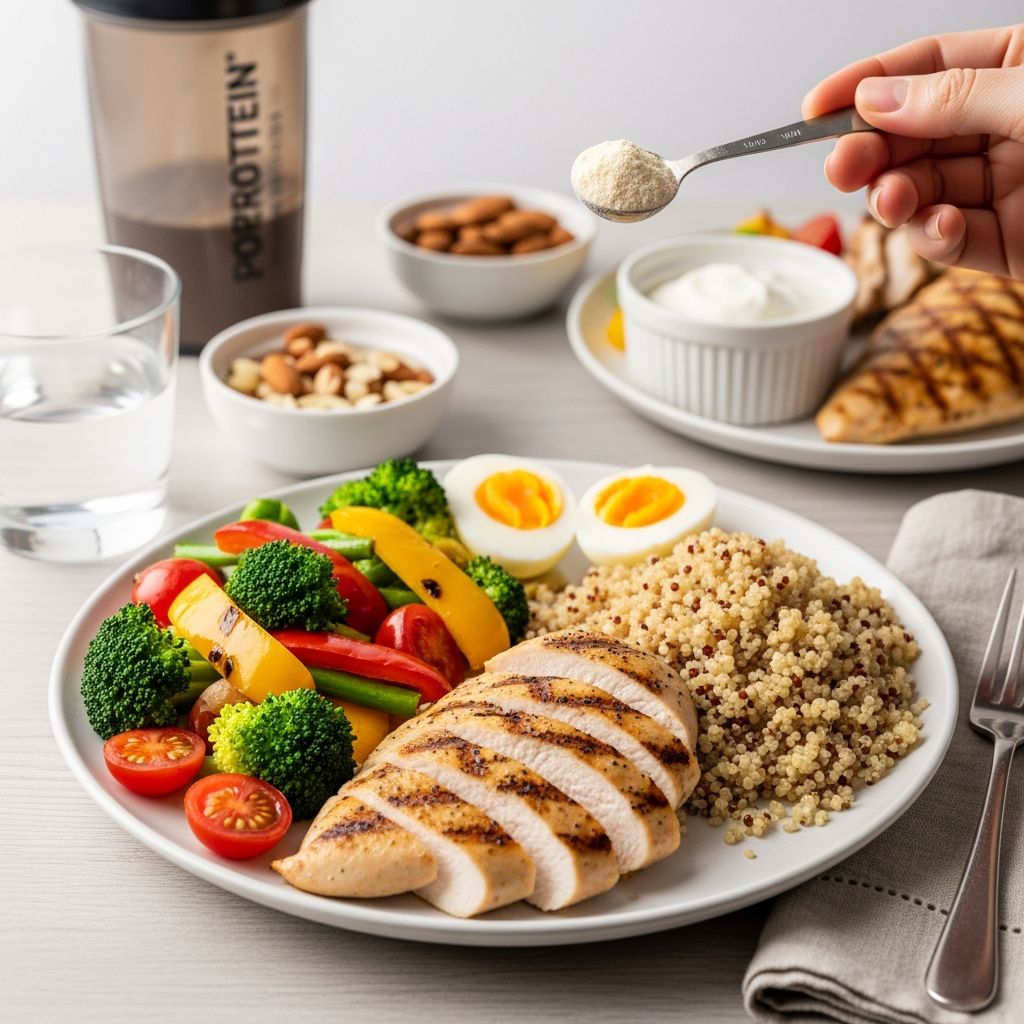
Protein is a cornerstone of a healthy diet, essential for building muscle, repairing tissues, and supporting overall bodily functions. However, in the era of high-protein diets like keto, paleo, and Atkins, many people are loading up on protein shakes, chicken breasts, and steak without realizing the potential downsides. While moderate protein intake—around 0.8 grams per kilogram of body weight for sedentary adults, or up to 1.6-2.2 grams for athletes—is beneficial, excessive consumption can strain your body and lead to telltale symptoms.
According to nutrition experts, the average American already consumes more protein than needed, often at the expense of fiber-rich carbs and veggies. This imbalance doesn’t just affect digestion; it can impact kidneys, energy levels, and even breath. In this comprehensive guide, we’ll explore the 6 key signs you’re eating too much protein, backed by science and practical advice on how to course-correct. Whether you’re a gym enthusiast or just trying to eat healthier, recognizing these signals can prevent long-term health issues like kidney stress or nutrient deficiencies.
How Much Protein Do You Really Need?
Before diving into the signs, it’s crucial to understand protein requirements. The Recommended Dietary Allowance (RDA) is 46 grams per day for women and 56 grams for men, but needs vary by age, activity level, and health status. Athletes or those building muscle might need 1.2-2.0 grams per kg of body weight. Exceeding this consistently—say, over 2.5-3 grams per kg—can trigger problems, especially if your diet lacks balance.
High-protein diets often cut carbs and fiber, leading to the symptoms below. Short-term overload might not harm healthy kidneys, but long-term excess increases risks for dehydration, bone loss, and cardiovascular issues. Monitoring intake via apps like MyFitnessPal can help, but your body often gives clearer warnings.
1. You Always Have to Pee
One of the earliest signs of protein overload is an urgent, frequent need to urinate. When you consume excess protein, your kidneys work overtime to filter out nitrogen waste products like urea, produced during amino acid breakdown. This process requires more water, leading to increased urine production and that constant bathroom trip.
Research supports this: A study in Nutrients (2020) found that high animal-protein diets elevate uric acid levels, creating an acidic environment that irritates the bladder and boosts urination frequency. Excess waste buildup can also contribute to kidney stone risk, particularly with low calcium and plant-based foods. If you’re peeing more than 8 times a day or waking up at night, it could signal protein excess compounded by dehydration.
- Why it happens: Kidneys process ~20% more fluid for high protein (up to 3g/kg).
- Accompanying symptoms: Thirst, foamy urine, or swelling in extremities.
- Lab check: Elevated BUN/creatinine ratio or low eGFR indicates kidney workload.
To alleviate, hydrate with 3-4 liters of water daily and incorporate plant proteins like beans, which are less taxing on kidneys.
2. You’re Constipated
High-protein diets, especially those heavy on meat and dairy, are notoriously low in fiber. Fiber—from fruits, veggies, whole grains, and legumes—is vital for smooth digestion, bulking stool and promoting regularity. Without it, you might experience bloating, hard stools, or outright constipation.
Animal proteins lack fiber entirely, and when they dominate your plate (think steak and eggs only), transit time through intestines slows dramatically. A lack of fiber also starves gut bacteria, disrupting microbiome balance and worsening discomfort. Studies show low-fiber, high-protein eaters have 2-3 times higher constipation risk.
Related Stories



- Daily fiber goal: 25-30 grams for women, 30-38 for men.
- Quick fixes: Add oats, apples, chia seeds, or a fiber supplement.
- Pro tip: A 3-day high-fiber meal plan can reset your gut—start with smoothies and salads.
If constipation persists, rule out dehydration or meds, but reassess your protein-to-fiber ratio first.
3. You Feel Tired All the Time
Paradoxically, the energy-boosting protein diet leaves you sluggish. Digesting protein requires 20-30% more energy than carbs or fats (thermic effect), taxing your system. Low carbs mean less glucose for your brain and muscles, causing mental fog, exhaustion, and poor workout recovery.
Kidney and liver strain from constant waste processing adds to fatigue. If you’re skimping on carbs, your body might enter inefficient ketosis prematurely, spiking cortisol and disrupting sleep. Forever fatigue is a red flag—healthy protein intake should energize, not drain.
| Symptom | Possible Cause | Test to Check |
|---|---|---|
| Persistent tiredness | Low carbs/glucose | Fasting glucose, A1c |
| Muscle fatigue | Kidney strain | Electrolyte panel, CMP-14 |
| Mental fog | High digestion energy | BUN/creatinine |
Reintroduce complex carbs like quinoa or sweet potatoes to restore energy without spiking blood sugar.
4. Your Weight Loss Has Stalled (or Reversed)
High-protein diets shine for quick weight loss via satiety and water loss, but sustainability falters. Cutting carbs leads to cravings, reduced workout energy, and metabolic slowdown. Weight creeps back as muscle glycogen depletes, mimicking fat gain.
Long-term, excess protein converts to glucose via gluconeogenesis, potentially stalling ketosis benefits. A balanced approach—40% carbs, 30% protein, 30% fat—proves more effective for lasting results per recent meta-analyses.
- Signs of rebound: Cravings for sweets, low gym motivation.
- Sustainable swap: 1.6g/kg protein max, fill rest with veggies.
5. You Have Bad Breath
Keto breath or protein breath: that acetone-like stench signals ketone production from low carbs. Your body burns fat (and some protein) for fuel, releasing smelly byproducts via breath, sweat, and urine.
High meat intake exacerbates sulfur compounds from amino acids. Brush, floss, and hydrate, but the fix is more greens and fewer steaks. If persistent, check for dehydration or oral issues.
6. You’re Experiencing Other Red Flags Like Kidney Stress or Gout
Beyond basics, watch for muscle soreness (elevated CK), gout flares (high uric acid from purines in red meat), or cholesterol shifts. Those with CKD should cap at 0.8g/kg; labs like uric acid or lipid panels confirm.
Balancing Your Diet: Actionable Tips
- Prioritize variety: Mix animal and plant proteins.
- Track macros: Aim for balance, not extremes.
- Hydrate: 1ml water per protein calorie.
- Test regularly: CMP, electrolytes if symptoms arise.
- Consult pros: RD or doc for personalized advice.
Related reads: Best vegan proteins, low-carb pitfalls, carb benefits.
Frequently Asked Questions (FAQs)
Can healthy people eat too much protein?
Yes, short-term no harm, but long-term strains kidneys, bones, heart. Balance is key.
Does protein cause dehydration?
Yes, increases urine output; drink extra water.
How to test for excess protein effects?
BUN/creatinine, eGFR, uric acid, electrolytes.
Is keto breath permanent?
No, add carbs or it fades as body adapts.
Best proteins for gut health?
Plant-based: lentils, quinoa, nuts.
References
- Are You Eating Too Much Protein? Signs, Symptoms, and Lab Tests — Ulta Lab Tests. 2023. https://www.ultalabtests.com/blog/nutrition/are-you-eating-too-much-protein-signs-symptoms-and-the-lab-tests-that-can-tell-you/
- Protein Intake and Kidney Stones Risk — Nutrients Journal (via EatingWell reference). 2020-01-15. https://www.ncbi.nlm.nih.gov/pmc/articles/PMC7071183/
- Is There Such a Thing as Too Much Protein? — Simply Protein. 2024. https://simplyprotein.com/blogs/news/is-there-such-a-thing-as-too-much-protein
- Dietary Guidelines for Americans: Protein Recommendations — USDA.gov. 2020-12-01. https://www.dietaryguidelines.gov/sites/default/files/2020-12/Dietary_Guidelines_for_Americans_2020-2025.pdf
- High-Protein Diets and Chronic Kidney Disease — National Kidney Foundation. 2023-05-10. https://www.kidney.org/atoz/content/protein-and-kidney-disease
Similar Articles








Read full bio of medha deb