6 Simple Tips to Reduce Your Blood Pressure Naturally
Evidence-based strategies to manage hypertension and improve cardiovascular health.
High blood pressure, or hypertension, is one of the most common health conditions affecting millions worldwide. According to the World Health Organization, hypertension is a major cause of premature death globally, with 1.4 billion adults diagnosed in 2024 alone. In the United States, nearly half of all adults have high blood pressure, yet only one in four people have their condition under control. Many don’t even realize they have it. Left unmanaged, hypertension significantly increases your risk of stroke, heart disease, kidney disease, and cognitive decline. The good news is that you don’t always need medication to manage blood pressure—lifestyle changes can be remarkably effective.
Managing your blood pressure doesn’t require drastic measures or expensive treatments. By making strategic adjustments to your daily habits, you can naturally lower your numbers and reduce your cardiovascular risk. Here are six proven strategies to help you take control of your blood pressure and improve your overall health.
Tip 1: Change Your Diet
One of the most powerful ways to reduce blood pressure is through dietary modifications. What you eat directly impacts your blood vessels, sodium levels, and overall cardiovascular function. A heart-healthy diet can lower your blood pressure significantly without medication.
Focus on Potassium-Rich Foods
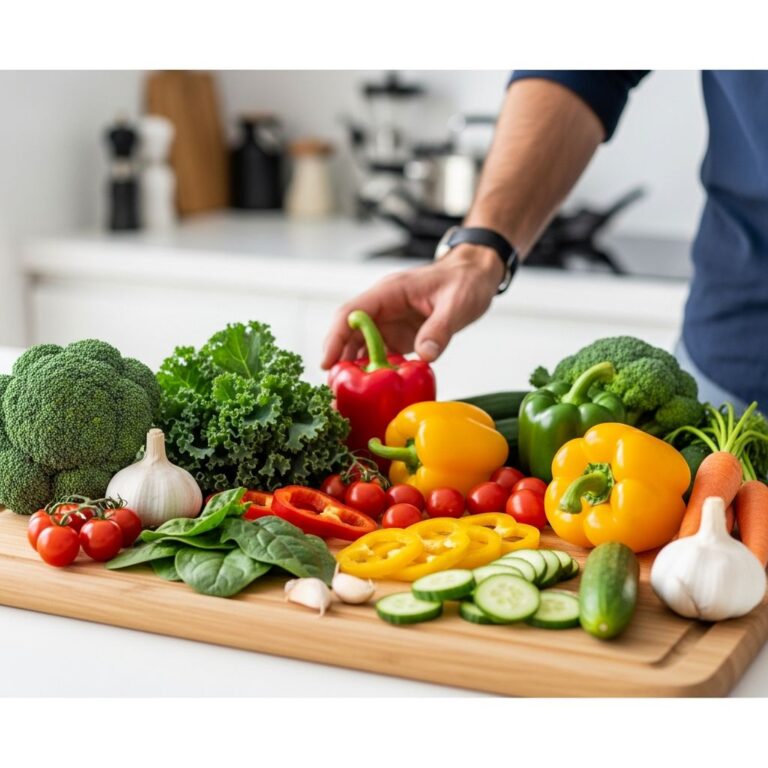
Potassium plays a critical role in regulating blood pressure by helping your body balance fluid levels and counteracting sodium’s effects. Recent research from the University of Waterloo found that increasing your dietary potassium-to-sodium ratio may be more effective for lowering blood pressure than simply reducing sodium intake alone. Incorporate these potassium-rich foods into your meals:
- Bananas—an excellent source of potassium that supports healthy blood pressure
- Leafy greens like spinach and kale
- Broccoli and other cruciferous vegetables
- Sweet potatoes and white beans
- Avocados and nuts
Include Nitrate-Rich Vegetables
Beetroot and other vegetables high in organic nitrates can significantly improve blood flow. These nitrates are converted by your body into nitric oxide, which dilates blood vessels and reduces blood pressure. Adding beetroot to smoothies, salads, or juices is an easy way to incorporate this powerful vegetable into your routine.
Eat Dark Chocolate in Moderation
Dark chocolate containing 70% cocoa or higher is packed with magnesium and flavanols—compounds that boost nitric oxide production and relax blood vessels. A 2010 meta-analysis confirmed that flavanol-rich cocoa products modestly reduce blood pressure in adults with hypertension. Enjoying a small square of high-quality dark chocolate daily can satisfy cravings while supporting heart health.
Add Pomegranate and Ginger
Pomegranates contain compounds that lower angiotensin-converting enzyme (ACE) levels, effectively reducing blood pressure both in the short and long term. Ginger, packed with natural calcium channel blockers, helps relax blood vessels and improve cardiovascular function. Add fresh ginger to teas, smoothies, stir-fries, and noodles for added flavor and health benefits.
Reduce Sodium Intake
While increasing potassium is important, reducing excess sodium remains a fundamental step. Limit processed foods, canned products, and restaurant meals—common sources of hidden sodium. Read food labels carefully and aim for less than 2,300 mg of sodium daily, ideally working toward 1,500 mg if recommended by your healthcare provider.
Related Stories



Tip 2: Be Active and Exercise Regularly
Physical activity is one of the most effective interventions for managing blood pressure. Regular exercise strengthens your heart, improves blood flow, and helps maintain a healthy weight—all crucial factors in blood pressure control.
How Much Exercise Do You Need?
The American Heart Association recommends at least 150 minutes of moderate-intensity aerobic activity per week. This could mean 30 minutes of brisk walking five days a week, or 75 minutes of vigorous activity spread throughout the week. Additionally, include resistance training two to three times weekly to further strengthen your cardiovascular system.
Types of Beneficial Exercise
- Aerobic activities: Walking, jogging, cycling, swimming, or dancing
- Strength training: Weight lifting, resistance bands, or bodyweight exercises
- Flexibility work: Yoga and stretching to reduce tension and improve circulation
Even modest amounts of physical activity can lower blood pressure. Studies show that sedentary individuals who start exercising can reduce systolic blood pressure by 5-8 mmHg. The benefits increase with consistent effort and greater intensity.
Tip 3: Attain and Maintain a Healthy Weight
Excess body weight puts additional stress on your cardiovascular system and significantly increases blood pressure. For every kilogram of body weight lost, blood pressure typically decreases by approximately 1 mmHg. If you’re overweight, even a 5-10% reduction can produce meaningful improvements.
Calculating Your Target Weight
Discuss your ideal weight range with your healthcare provider based on your height, age, and overall health. Body Mass Index (BMI) provides a useful starting point, though it doesn’t account for muscle mass or overall fitness level.
Strategies for Weight Management
- Combine a balanced, nutrient-rich diet with regular physical activity
- Monitor portion sizes without extreme calorie restriction
- Replace high-calorie beverages with water, unsweetened tea, and black coffee
- Keep a food journal to increase awareness of eating patterns
- Seek support from healthcare professionals or weight management programs
Tip 4: Reduce Stress and Practice Relaxation
Chronic stress contributes to sustained high blood pressure by triggering the release of stress hormones that constrict blood vessels. Managing stress effectively is therefore essential for long-term blood pressure control.
Meditation and Mindfulness
Regular meditation practice has been shown to lower both systolic and diastolic blood pressure. Even just 10-15 minutes daily can reduce stress hormones and promote relaxation. Mindfulness-based interventions help you become aware of stress triggers and respond more calmly.
Other Stress-Reduction Techniques
- Deep breathing exercises—practice slow, controlled breathing for five minutes daily
- Progressive muscle relaxation—systematically tense and release muscle groups
- Yoga and tai chi—combine movement with mindfulness
- Spending time in nature—outdoor walks reduce stress and lower blood pressure
- Pursuing hobbies and social connections—engaging activities naturally reduce stress
Tip 5: Limit Alcohol Consumption
Excessive alcohol intake directly raises blood pressure and interferes with blood pressure medication effectiveness. If you drink alcohol, do so in moderation: no more than one drink daily for women and two for men.
Even small reductions in alcohol consumption can produce significant blood pressure improvements. Replacing alcoholic beverages with water, herbal tea, or other non-alcoholic options supports both blood pressure control and overall health.
Tip 6: Monitor and Manage Your Blood Pressure
Regular blood pressure monitoring helps you understand how your numbers respond to lifestyle changes and ensures you catch any concerning trends early. This information is invaluable for you and your healthcare provider.
Home Blood Pressure Monitoring
Invest in an accurate home blood pressure monitor and check your readings regularly. Measure at the same time each day—preferably morning and evening—and keep a log. This data helps identify patterns and demonstrates whether your lifestyle changes are working.
Understanding Your Numbers
| Blood Pressure Category | Systolic (Top Number) | Diastolic (Bottom Number) |
|---|---|---|
| Normal | Less than 120 | Less than 80 |
| Elevated | 120-129 | Less than 80 |
| Stage 1 Hypertension | 130-139 | 80-89 |
| Stage 2 Hypertension | 140 or higher | 90 or higher |
If your readings consistently exceed normal ranges, consult your healthcare provider. Lifestyle modifications work best when combined with professional medical guidance, and some individuals require medication alongside behavioral changes.
Putting It All Together: Creating Your Action Plan
Rather than attempting all six changes simultaneously, implement them gradually. Start with dietary modifications—adding potassium-rich foods and reducing sodium—then add regular physical activity. As these become habits, tackle stress management and weight management. This step-by-step approach is more sustainable and likely to succeed long-term.
Remember that results take time. Blood pressure typically begins improving within 2-4 weeks of consistent lifestyle changes, though maximum benefits may take several months. Stay committed to your plan, track your progress, and celebrate improvements along the way.
Frequently Asked Questions
Q: How quickly can lifestyle changes lower blood pressure?
A: Many people see improvements within 2-4 weeks of consistent dietary changes and exercise. However, maximum benefits typically emerge over several months of sustained effort.
Q: Can I stop taking blood pressure medication if I lower my numbers through lifestyle changes?
A: Never stop medication without consulting your healthcare provider. While lifestyle changes may reduce medication requirements, they should complement rather than replace prescribed treatment until your doctor advises otherwise.
Q: Is it necessary to follow a specific diet like DASH for blood pressure management?
A: The DASH (Dietary Approaches to Stop Hypertension) diet is specifically designed to lower blood pressure, but you can achieve results through general principles of increasing potassium, reducing sodium, and eating whole foods.
Q: How often should I check my blood pressure at home?
A: If you have hypertension, check daily or as recommended by your healthcare provider. Taking measurements at consistent times—typically morning and evening—provides the most accurate data.
Q: Can stress alone cause high blood pressure?
A: While acute stress temporarily raises blood pressure, chronic stress contributes to sustained hypertension. Managing stress is therefore an important component of long-term blood pressure control.
Q: Are there any foods I should completely avoid?
A: Focus on limiting rather than eliminating foods. Reduce processed foods, canned products, and high-sodium restaurant meals, but complete avoidance of any food group isn’t necessary for blood pressure management.
References
- High Blood Pressure (Hypertension) — World Health Organization. 2024. https://www.who.int/health-topics/hypertension
- Blood Pressure Categories — American Heart Association. 2024. https://www.heart.org/en/health-topics/high-blood-pressure
- Potassium and Blood Pressure: A Study on Dietary Sodium-Potassium Ratios — University of Waterloo. 2025. https://uwaterloo.ca
- Flavonols in Dark Chocolate and Cardiovascular Health: A Meta-Analysis — American Journal of Clinical Nutrition. 2010. https://academic.oup.com/ajcn
- Physical Activity Guidelines for Cardiovascular Health — Centers for Disease Control and Prevention. 2024. https://www.cdc.gov/physicalactivity
- Stress Reduction and Hypertension Management — Harvard Health Publishing. 2024. https://www.health.harvard.edu
Similar Articles








Read full bio of medha deb