6 Things to Know About Bodybuilding Supplements
Essential guide to understanding dietary supplements for bodybuilding and athletic performance enhancement.
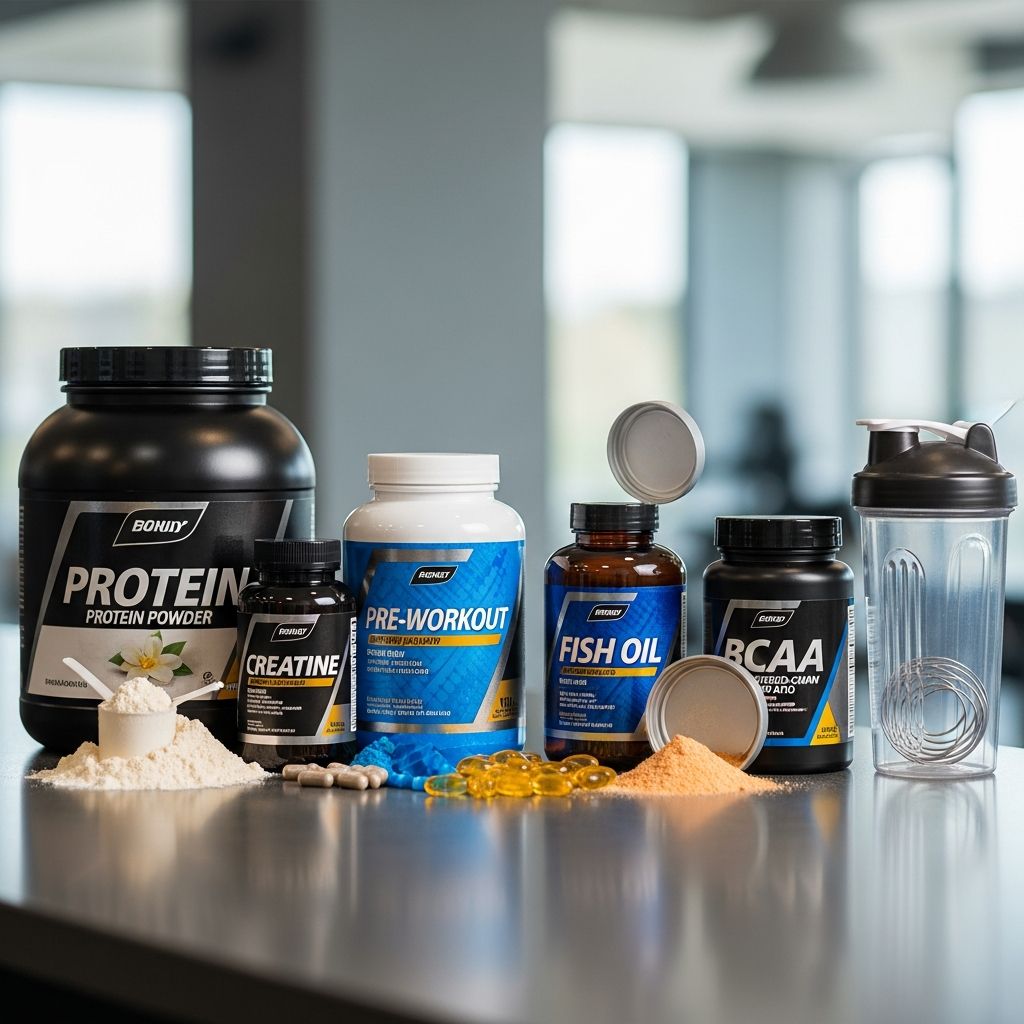
6 Things To Know About Dietary Supplements Marketed for Bodybuilding or Performance Enhancement
Many bodybuilders and athletes turn to dietary supplements to improve their strength, muscle mass, and energy levels. However, these products may contain ingredients that have not been proven effective, and some may pose health risks. Understanding what works and what doesn’t is crucial for anyone considering supplement use. This comprehensive guide outlines six essential facts about bodybuilding and performance enhancement supplements to help you make informed decisions about your fitness journey.
1. Some Ingredients Marketed for Athletic Performance Have Not Been Shown to Work
Despite aggressive marketing claims, numerous ingredients promoted for athletic performance lack scientific evidence supporting their effectiveness. Several popular supplements fall into this category, making it important for athletes to distinguish between marketing hype and proven results.
The following ingredients have been studied extensively but have not demonstrated clear benefits for athletic performance:
- Glutamine
- Choline
- Methoxyisoflavone
- Quercetin
- Zinc/magnesium aspartate
- Nitric oxide precursors
- L-arginine
Additionally, research on beta-alanine shows mixed results, with most studies indicating that it does not significantly improve athletic performance. Consumers should be skeptical of supplements making bold claims without substantial scientific backing. Many manufacturers rely on limited or outdated studies to justify their marketing materials, which can mislead athletes seeking legitimate performance improvements.
2. Creatine Supplements May Enhance Exercise Effects But Come With Potential Side Effects
Among the various supplements marketed for bodybuilding, creatine stands out as one of the most researched and studied. Creatine is an amino acid naturally produced by the body and found in foods like meat and fish. Scientific evidence suggests that creatine supplementation may enhance the effects of vigorous exercise on several key areas.
Potential Benefits of Creatine:
- Enhanced strength development
- Increased muscle mass
- Improved endurance during resistance training
- Better performance during high-intensity, intermittent exercise
- Facilitated recovery following exercise-induced muscle damage
- Support during post-injury rehabilitation
However, creatine supplementation is not without drawbacks. Users should be aware of potential short-term side effects that can occur, especially during initial supplementation phases. These side effects may include fluid weight gain, nausea, cramping, and diarrhea. Additionally, long-term effects of creatine supplementation have not been extensively studied, meaning that the safety profile for extended use remains somewhat unclear.
Research indicates that daily creatine supplementation over several days increases intramuscular creatine and phosphocreatine concentrations. These elevated levels are associated with reduced adenosine triphosphate (ATP) degradation, heightened ATP production, and increased energetic output during high-intensity exercise. Athletes considering creatine should start with lower doses to assess tolerance and consult with healthcare providers, particularly those with pre-existing kidney conditions.
3. Many Bodybuilding Products Contain Harmful Ingredients
One of the most significant concerns regarding bodybuilding supplements is that many products marketed as dietary supplements have been found to contain undisclosed or harmful ingredients. This represents a serious safety issue for consumers who believe they are taking regulated, safe products.
Bodybuilding supplement manufacturers sometimes include ingredients that are either banned, potentially dangerous, or not listed on product labels. These hidden or harmful components can pose various health risks, ranging from minor side effects to serious medical complications. Some products have been found to contain pharmaceutical agents, heavy metals, or other contaminants that exceed safe levels.
The lack of rigorous pre-market regulation of dietary supplements means that manufacturers bear significant responsibility for ensuring product safety and accuracy of labeling. Consumers should purchase supplements only from reputable manufacturers and look for third-party testing certifications, which indicate that independent laboratories have verified product contents and purity.
4. Quality and Purity Standards Vary Significantly
Not all dietary supplements are created equal. The quality and purity of bodybuilding supplements can vary dramatically between manufacturers and even between batches from the same company. This inconsistency creates additional challenges for athletes trying to use supplements safely and effectively.
Factors affecting supplement quality include:
- Manufacturing standards and facility inspections
- Raw material sourcing and testing
- Contamination control measures
- Proper labeling and ingredient disclosure
- Third-party verification and testing
- Storage and handling practices
To minimize risk, consumers should seek products that have been tested and certified by third-party organizations. Look for certifications from recognized testing agencies that verify ingredient accuracy and test for contaminants. Reading product labels carefully and researching manufacturer reputation can help ensure that you are purchasing quality supplements.
5. Regulation and Safety Oversight Differs From Pharmaceutical Products
A critical distinction exists between how dietary supplements and pharmaceutical drugs are regulated. Unlike medications, which must be proven safe and effective before reaching the market, dietary supplements require less rigorous pre-market review and approval processes.
This regulatory difference means that:
- Manufacturers are not required to prove effectiveness before selling supplements
- Pre-market safety testing is not mandatory
- The FDA becomes involved primarily after products reach the market
- Companies bear responsibility for product safety claims
- Adverse events must be reported but are not always investigated thoroughly
The burden of ensuring product safety and efficacy falls largely on manufacturers themselves. Consumers cannot assume that a supplement available for purchase has undergone the same rigorous testing and approval process as pharmaceutical medications. This reality emphasizes the importance of researching products independently and consulting with healthcare providers before beginning any supplement regimen.
6. Professional Guidance Is Essential Before Starting Supplements
Before incorporating any dietary supplement into your fitness routine, consulting with qualified healthcare professionals is crucial. A doctor, registered dietitian, or sports medicine physician can provide personalized guidance based on your individual health status, fitness goals, and potential risk factors.
Healthcare providers can help you:
- Evaluate which supplements may be appropriate for your specific needs
- Identify potential interactions with medications or health conditions
- Assess the quality and credibility of supplement products
- Determine appropriate dosages and usage protocols
- Monitor for adverse effects during supplementation
- Modify supplement use based on changing health circumstances
Professional guidance is especially important for individuals with pre-existing health conditions, those taking medications, pregnant women, and young athletes whose bodies are still developing. A qualified healthcare provider can review current scientific evidence and help you make decisions aligned with both your fitness objectives and your overall health.
Additional Considerations for Supplement Users
Beyond the six main points, several additional factors warrant consideration when evaluating bodybuilding and performance enhancement supplements.
Whole Food Sources: Many nutrients found in supplements are available through whole food sources, which often provide superior bioavailability and additional nutritional benefits. Before turning to supplements, evaluate whether your dietary intake adequately meets your nutritional needs.
Training and Nutrition Fundamentals: Supplements work best when combined with proper training programs, adequate sleep, and well-balanced nutrition. No supplement can compensate for deficiencies in these fundamental areas of athletic development.
Individual Variability: People respond differently to supplements based on genetics, age, sex, training experience, diet, and overall health status. What works effectively for one person may produce different results for another.
Cost-Effectiveness: Many expensive supplements offer minimal additional benefit compared to less expensive alternatives or whole food options. Evaluate the cost-benefit ratio before making purchasing decisions.
Frequently Asked Questions
Q: Are all bodybuilding supplements dangerous?
A: Not all bodybuilding supplements are dangerous, but many carry risks. Some ingredients lack evidence of effectiveness, and certain products contain harmful or undisclosed ingredients. Choosing supplements from reputable manufacturers with third-party testing can reduce risk, but consulting healthcare providers remains important.
Q: Is creatine safe for long-term use?
A: While short-term creatine use appears relatively safe for most people, long-term effects have not been extensively studied. Individuals with kidney problems should avoid creatine supplementation. Those considering long-term use should consult with healthcare providers and monitor their health regularly.
Q: How can I tell if a supplement is high quality?
A: Look for third-party testing certifications from recognized agencies, verify the manufacturer’s reputation, check for accurate labeling, review independent reviews and research, and avoid products making unrealistic claims. Quality supplements typically cost more but provide greater assurance of safety and efficacy.
Q: Can supplements replace a good diet and training program?
A: No. Supplements complement but cannot replace proper nutrition, consistent training, adequate sleep, and recovery practices. These fundamentals must be in place first for supplements to provide meaningful benefits.
Q: What should I do if I experience side effects from a supplement?
A: Stop taking the supplement immediately and consult with a healthcare provider. Report adverse events to the FDA’s MedWatch program if appropriate. Never ignore symptoms that develop after starting a new supplement.
Q: Are natural supplements safer than synthetic ones?
A: Not necessarily. Natural does not automatically mean safe or effective. Both natural and synthetic supplements can contain harmful ingredients or interact with medications. Focus on third-party testing and evidence of safety rather than whether a supplement is labeled natural.
References
- Bodybuilding and Performance Enhancement Supplements: What You Need To Know — National Center for Complementary and Integrative Health (NCCIH), National Institutes of Health. 2024. https://www.nccih.nih.gov/health/bodybuilding-and-performance-enhancement-supplements
- 6 Things To Know About Dietary Supplements Marketed for Bodybuilding or Performance Enhancement — National Center for Complementary and Integrative Health (NCCIH), National Institutes of Health. 2024. https://www.nccih.nih.gov/health/tips/6-things-to-know-about-dietary-supplements-marketed-for-bodybuilding-or-performance-enhancement
- Dietary Supplements Marketed for Weight Loss, Bodybuilding, and Sexual Enhancement: What the Science Says — NCCIH Clinical Digest, National Center for Complementary and Integrative Health. 2024. https://www.nccih.nih.gov/health/providers/digest/dietary-supplements-marketed-for-weight-loss-bodybuilding-and-sexual-enhancement-science
- Aguiar AF, Januário RS, Junior RP, et al. Long-term creatine supplementation improves muscular performance during resistance training in older women — European Journal of Applied Physiology. 2013;113(4):987-996. https://doi.org/10.1007/s00421-013-2607-x
- Do Natural Steroid Supplements Exist? Safety, Risks, and Benefits — Medical News Today. 2024. https://www.medicalnewstoday.com/articles/natural-steroids
- Dietary Supplement Fact Sheets — Office of Dietary Supplements (ODS), National Institutes of Health. 2024. https://ods.od.nih.gov/factsheets/list-all/
Similar Articles








Read full bio of Sneha Tete