Healthy Passover: 6 Essential Tips For A Nutritious Holiday
Enjoy Passover traditions while prioritizing health with balanced meals, whole grains, and smart strategies for the Seder and beyond.
Passover, a cherished Jewish holiday commemorating freedom from slavery, often involves rich meals, late Seders, sweet treats, and communal gatherings that can challenge healthy eating habits. With traditions like matzo, brisket, and multiple cups of wine, it’s easy to overindulge. However, you can honor customs while supporting wellness by incorporating simple strategies. These six tips, drawn from nutrition experts, help balance indulgence with nutrition during the eight-day observance.
Choose Whole Grains
**Whole grains** are nutrient-dense carbohydrates that promote satiety, stabilize blood sugar, and provide fiber essential for digestion—key during Passover when refined matzo dominates. Opt for permitted options like spelt, farfel,
whole-wheat matzo
, whole-wheat matzo meal, orquinoa
, which is kosher for Passover and versatile as a side or salad base.Traditional matzo offers minimal fiber (about 1 gram per sheet), but whole-wheat versions deliver 3-4 grams, aiding fullness and gut health. Swap potato starch or matzo meal in recipes for almond meal or quinoa. For example, prepare a herb quinoa salad with fresh vegetables, nuts, and olive oil dressing for a flavorful, fiber-rich dish that complements lean proteins.
- Benefits: Higher fiber content reduces overeating risks at lengthy Seders.
- Ideas: Quinoa pilaf with roasted vegetables; whole-wheat matzo farfel kugel.
- Tip: Check labels for Passover certification; quinoa must be processed without chametz exposure.
Incorporate nuts like almonds for added crunch and healthy fats, enhancing texture without empty calories.
Eat Breakfast
Skipping breakfast can lead to excessive hunger at evening Seders, promoting overeating. A
balanced breakfast
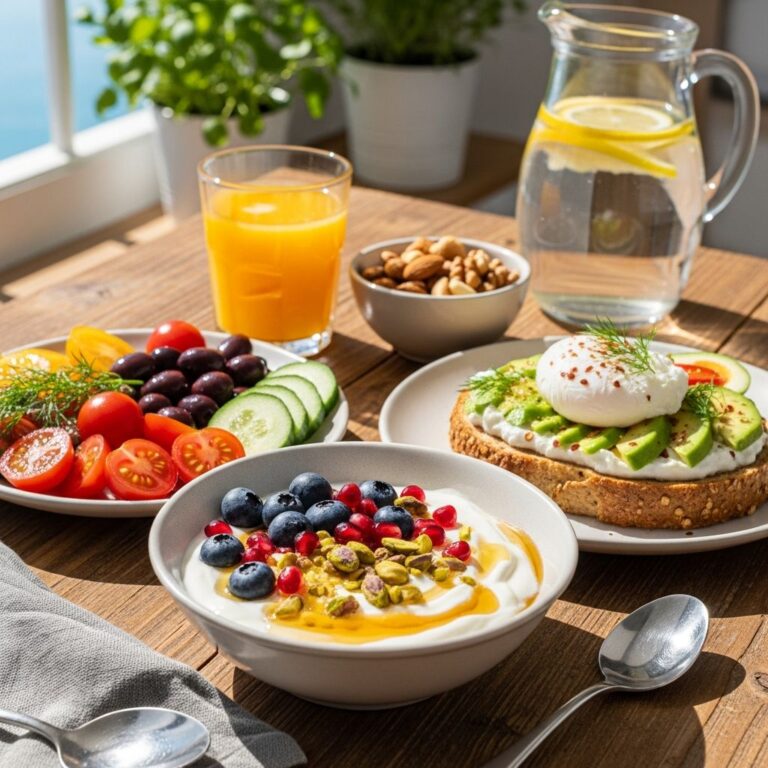
stabilizes energy, supports metabolism, and prevents mid-day snacking on matzo with high-fat spreads.Instead of multiple matzo slices slathered in cream cheese (high in saturated fat), choose protein-packed options:
- Plain Greek yogurt with fresh berries and a few pieces of whole-wheat matzo for crunch—provides probiotics, antioxidants, and fiber.
- Hard-boiled eggs from Seder leftovers, rich in protein and vitamins.
- Vegetable omelet with spinach, tomatoes, and herbs for fiber and nutrients.
These choices align with Passover restrictions while delivering sustained energy. Research from the Academy of Nutrition and Dietetics emphasizes breakfast’s role in portion control throughout the day. Aim for 300-400 calories with protein, fiber, and minimal added sugars to set a healthy tone.
Aim for Balance
Maintain
nutrient balance
across meals to offset Seder feasts. Focus on moderate portions of fruits, vegetables, low-fat dairy, or lean proteins for lunch and snacks, meeting daily needs without evening overload.During Passover, beware processed foods high in sodium, fat, and carbs. Prioritize:
| Food Group | Passover-Friendly Examples | Benefits |
|---|---|---|
| Vegetables | Roasted root veggies (parsnips, sweet potatoes), zucchini, salads | Low-calorie, high-fiber; e.g., 1 cup roasted roots: 55 cal, 15g carbs |
| Proteins | Chicken, turkey, fish, eggs | Leaner than red meat; supports muscle repair |
| Dairy | Low-fat yogurt, cheese | Calcium without excess fat |
| Fruits | Berries, apples (for charoset) | Natural sweetness, vitamins |
Related Stories



Sample day: Breakfast omelet, lunch veggie soup with chicken, snack yogurt. This prevents blood sugar spikes from carb-heavy dinners.
Plan for Dessert
Desserts like macaroons or chocolate-covered treats tempt overindulgence.
Mindful planning
ensures treats enhance, not derail, your holiday. Focus on fruit-based options with low glycemic index (GI) to avoid sugar crashes.- Berries topped with a dollop of yogurt or small chocolate piece—low cal, high antioxidants.
- Chocolate-covered strawberries or bananas in moderation; portion into small servings.
- Nut-based charoset with reduced sugar or nut butter substitute for protein boost.
Limit to one small serving post-Seder. Fruits’ fiber slows sugar absorption, keeping energy steady. Experts recommend savoring slowly to appreciate flavors without excess.
Strategize the Meal
The Seder’s late timing and abundance demand
portion strategy
. Use the plate method: half vegetables/fruit, one-quarter lean protein, one-quarter whole grains. Eat slowly—20 minutes for fullness signals.Tips for execution:
- Start with proteins and fiber (e.g., chicken meatballs, salads) to blunt carb/sugar impacts.
- Use smaller plates for visual portion control.
- Fill on veggies: cauliflower rice, kuku sabzi (greens frittata), roasted figs/dates with chicken.
- Flavor with herbs/spices, not salt; choose lean poultry over brisket.
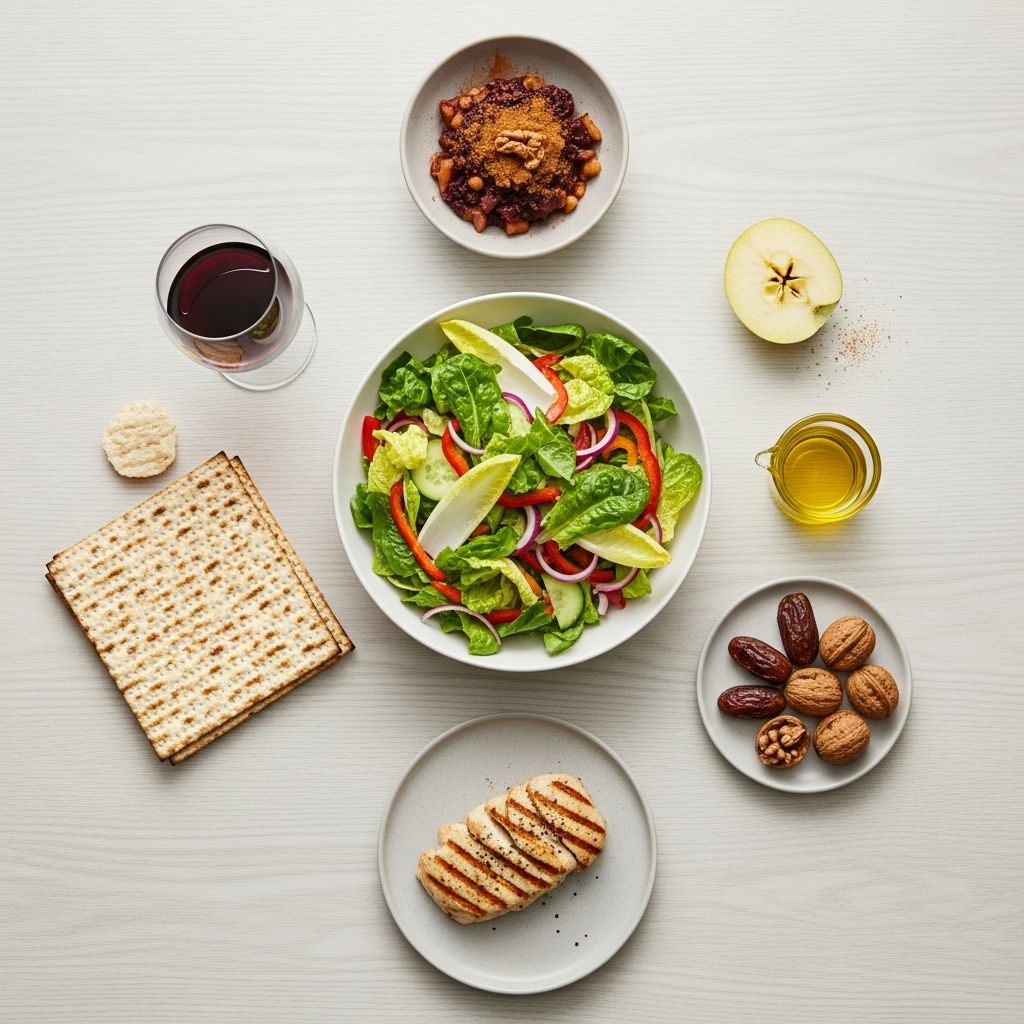
Sample Seder plate: Grilled fish, quinoa salad, steamed broccoli, small matzo. This honors tradition (maror, karpas) while prioritizing health.
Stay Active
Holiday relaxation reduces movement, but
daily activity
counters rich meals, aiding digestion and glucose control. Short walks post-Seder stabilize blood sugar and boost mood.- Practical ideas: Family walks after meals; stretch during Haggadah readings.
- Goal: 20-30 minutes daily, like brisk strolls or light yoga.
- Benefits: Improves insulin sensitivity, prevents lethargy from heavy foods.
Incorporate movement mindfully—perhaps a pre-Seder park visit. The CDC recommends 150 minutes weekly moderate activity, adaptable even during holidays.
Frequently Asked Questions (FAQs)
Q: Can I eat quinoa on Passover?
A: Yes, quinoa is permitted if certified kosher for Passover, free from chametz contamination. It’s a nutrient-rich whole grain alternative.
Q: How do I reduce sodium in Passover dishes?
A: Use herbs, spices, lemon, and garlic; avoid canned goods. Homemade stocks and fresh ingredients keep flavors bold without salt.
Q: What’s a healthy Seder protein swap?
A: Opt for braised chicken with figs, turkey meatballs, or fish over fatty brisket for leaner, lighter options.
Q: How to handle wine’s sugar?
A: After four cups, switch to water, seltzer with fruit splash, or unsweetened tea.
Q: Are there healthy kugel alternatives?
A: Try vegetable frittatas like kuku sabzi or roasted zucchini/roots instead of starchy versions.
Additional Healthy Passover Recipe Ideas
Enhance your menu:
- Chicken with Roasted Figs and Dates: Lean poultry braised ahead, reheats well.
- Herb Quinoa Salad: Quinoa, nuts, veggies, olive oil.
- Kuku Sabzi: Egg-based greens frittata, make-ahead.
- Root Vegetable Roast: Parsnips, sweet potatoes—55 cal/cup.
These maintain tradition with nutrition upgrades.
References
- How To Have a Healthier Passover Seder — Aish.com. 2023. https://aish.com/how-to-have-a-healthier-passover-seder/
- 6 Healthful Eating Tips to Consider During Passover — Academy of Nutrition and Dietetics (eatright.org). 2023-04-10. https://www.eatright.org/food/cultural-cuisines-and-traditions/holidays-and-celebrations/6-tips-for-a-healthy-passover
- The Chef’s Table: Healthy Passover Pleasures — OU Kosher. 2024. https://oukosher.org/passover/articles/the-chefs-table-healthy-passover-pleasures/
- Celebrating Passover: Traditional Foods and Tips for a Healthy Holiday — Nutrisense. 2025-03-15. https://www.nutrisense.io/blog/tips-for-a-healthy-passover
- Pass Over the Stress this Passover – Tips for a Healthier, Easier Holiday — The Kosher Baker. 2024. https://thekosherbaker.com/pass-stress-passover-tips-healthier-easier-holiday/
Similar Articles








Read full bio of medha deb