6 Underwear Rules Every Woman Should Live By
Essential underwear guidelines to prevent yeast infections and maintain optimal vaginal health through breathable fabrics and smart habits.
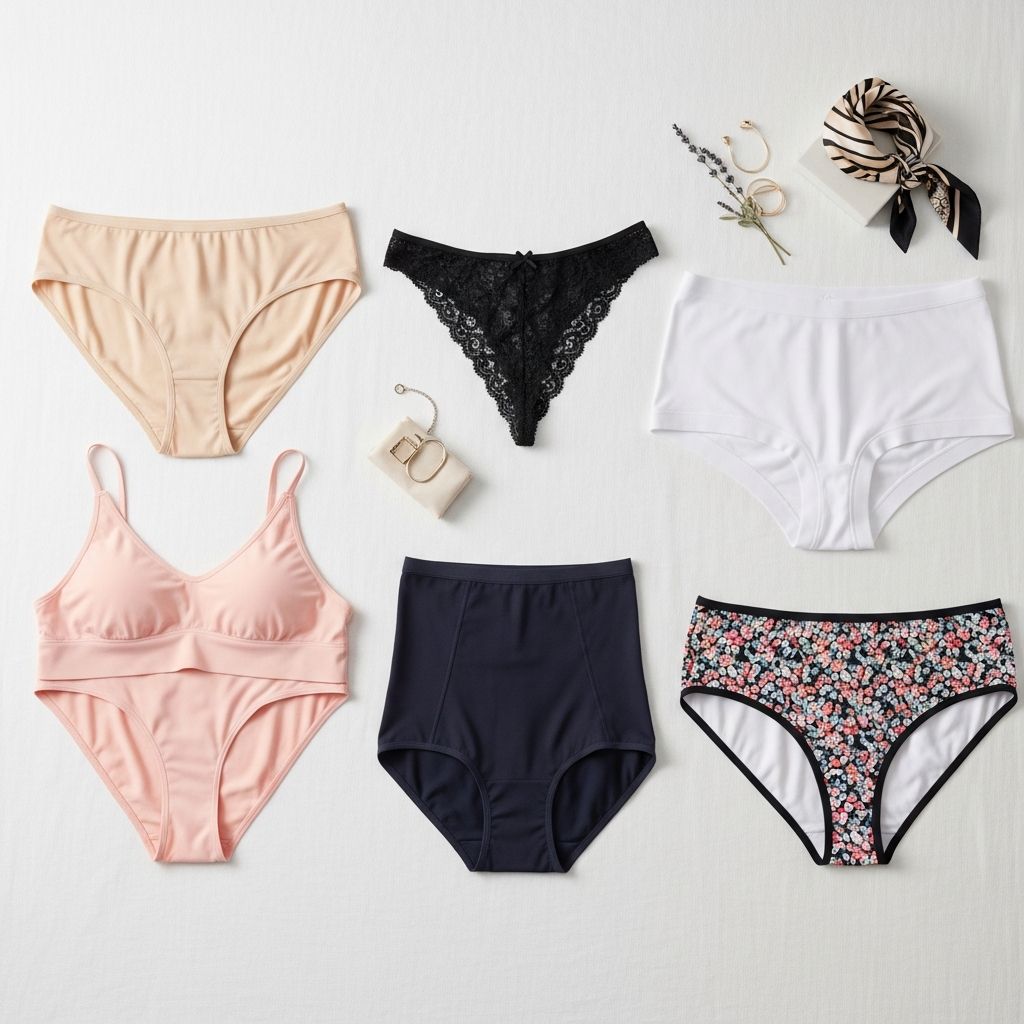
Yeast infections affect millions of women annually, often triggered by an overgrowth of Candida fungus in the vagina. While factors like antibiotics, pregnancy, and diabetes increase risk, everyday choices like underwear can play a pivotal role in prevention. Vaginal yeast infections occur when yeast grows excessively, leading to itching, discharge, and discomfort. Official health guidelines emphasize breathable fabrics and hygiene to keep the genital area dry and aired out. This article outlines six key underwear rules, drawn from expert recommendations, to safeguard intimate health.
1. Always Choose Cotton (or Other Natural Fibers)
Cotton underwear is the gold standard for vaginal health because it is breathable and absorbent, wicking away moisture that fosters yeast growth. Synthetic fabrics like nylon and spandex trap heat and humidity, creating an ideal environment for Candida overgrowth. The Office on Women’s Health explicitly advises wearing underwear with a cotton crotch to stay dry and reduce warmth retention. Healthline experts note that cotton gently absorbs natural vaginal discharge, similar to how it manages moisture elsewhere on the body.
Natural fibers such as bamboo or modal offer similar benefits if pure cotton isn’t available, but avoid blends exceeding 10% synthetic material. A Cleveland Clinic specialist warns that even cotton gussets in synthetic panties provide insufficient protection. For women prone to infections—such as those with diabetes or on hormonal birth control—switching to 100% cotton can significantly lower recurrence rates.
- Why it works: Cotton’s breathability prevents the moist, warm conditions yeast thrives in.
- Pro tip: Opt for undyed, organic cotton to minimize chemical irritants.
2. Never Wear Underwear to Bed (Go Commando at Night)
Sleeping without underwear allows the vulva to breathe overnight, reducing moisture buildup and promoting healing, especially during active infections. Gynecologists like those cited by Healthline recommend this for recurrent yeast sufferers, as it mimics natural air exposure. The Cleveland Clinic endorses going panty-free at night or wearing loose pajamas to enhance airflow.
For healthy vaginas, it’s optional, but those with irritation or infections benefit most. Dr. Kelly-Jones emphasizes exposing the vulva to air like any skin area to prevent bacterial proliferation. If discomfort arises from nudity, loose cotton pajama bottoms suffice, provided they’re washed frequently. This simple habit can air out the area after a day’s confinement in clothing.
Evidence: Studies support reduced infection risk with overnight ventilation, as trapped moisture correlates with higher Candida levels.
3. Toss Underwear After Just a Few Years
Underwear loses elasticity and absorbency over time, harboring bacteria and yeast even after washing. Replace panties every six to twelve months, or sooner if elastic frays or fabric pills. Worn-out underwear fails to protect, increasing irritation and infection risk. Healthline advises discarding based on wear patterns rather than age alone, checking for thinning crotches or discoloration.
High-quality cotton pairs last longer, but daily use accelerates degradation. Rotate multiple pairs to extend lifespan, and prioritize seamless styles for less friction. This rule prevents silent buildup of pathogens that laundering can’t fully eliminate.
Related Stories



- Signs to toss: Stretched waistbands, faded colors, or lingering odors post-wash.
- Investment tip: Buy durable, breathable brands to reduce replacement frequency.
4. Change Underwear Immediately After Workouts or Swims
Wet workout gear or swimsuits trap moisture, skyrocketing yeast risk. Change out of damp clothes within 30 minutes post-exercise to keep the area dry. The CDC stresses maintaining dryness to prevent candidiasis. Sweat and chlorine create a breeding ground; lingering in them disrupts vaginal pH balance.
Pack spares for gym bags, and shower promptly. For hot yoga or spin classes, moisture-wicking athletic underwear helps temporarily, but swift changes are essential. Pregnant women or diabetics should be extra vigilant, as elevated risk amplifies these effects.
5. Avoid Thongs If You’re Prone to Infections
While thongs don’t universally cause issues—a 2019 study found no link to UTIs, BV, or yeast infections—they shift bacteria forward, risking spread for susceptible women. A 2005 study confirmed no pH or microflora changes from thongs alone, attributing problems to hygiene. However, experts advise against them during outbreaks or high-risk periods.
Stick to full-coverage cotton briefs if infections recur. Thongs suit low-risk occasions with tight pants, but prioritize health over style. Cleveland Clinic notes comfort trumps trends; switch if symptoms arise.
6. Wash Underwear in Hot Water and Dry on Low Heat
Hot water (140°F+) kills yeast and bacteria; separate underwear from other laundry to avoid cross-contamination. Air-dry or low-heat tumble prevents fabric damage while ensuring sanitization. Healthline warns against mixing with soiled clothes, echoing hospital protocols for fluids.
Use fragrance-free detergent; vinegar rinses boost efficacy against residuals. For BV or yeast, isolate affected pairs. This kills lingering Candida spores that survive cold washes.
| Rule | Key Action | Health Benefit |
|---|---|---|
| Cotton Only | Choose 100% natural fibers | Absorbs moisture, prevents yeast |
| No Bedtime Panties | Go commando nightly | Airs out vulva, reduces irritation |
| Replace Regularly | Toss after 6-12 months | Eliminates pathogen buildup |
| Post-Workout Change | Swap damp clothes ASAP | Maintains dryness |
| Limit Thongs | Avoid if prone to infections | Prevents bacterial shift |
| Hot Wash/Low Dry | Separate, sanitize properly | Kills microbes |
Frequently Asked Questions (FAQs)
What underwear material prevents yeast infections best?
Cotton is recommended by gynecologists for its breathability and moisture absorption, lowering infection risk.
Is going commando safe every night?
Yes, especially for those with recurrent issues; it promotes airflow without harm to healthy vaginas.
Do thongs really cause infections?
No direct causation per studies, but avoid if symptomatic due to potential bacteria transfer.
How often should I replace underwear?
Every 6-12 months or when worn out to prevent harboring pathogens.
Can tight pants contribute to yeast infections?
Yes, they increase heat and moisture; opt for loose, breathable clothing.
Adopting these rules fosters a balanced vaginal microbiome, reducing yeast infections and enhancing comfort. Consult a doctor for persistent symptoms, as self-treatment risks resistance. Additional prevention includes front-to-back wiping, avoiding douches, and blood sugar control.
References
- Vaginal Yeast Infections — Office on Women’s Health, U.S. Department of Health and Human Services. 2023. https://womenshealth.gov/a-z-topics/vaginal-yeast-infections
- 8 Underwear Tips for Vaginal Health — Healthline. 2023-05-15. https://www.healthline.com/health/womens-health/underwear-hygiene
- 5 Underwear Tips To Avoid Problems Down There — Cleveland Clinic. 2023. https://health.clevelandclinic.org/best-material-for-underwear
- Preventing Candidiasis — Centers for Disease Control and Prevention (CDC). 2024-01-10. https://www.cdc.gov/candidiasis/prevention/index.html
Similar Articles








Read full bio of medha deb