7-Day Anti-Inflammatory High-Protein Meal Plan for Spring
Enjoy spring's fresh produce with this 7-day meal plan packed with anti-inflammatory foods and 100g+ protein daily for optimal health.
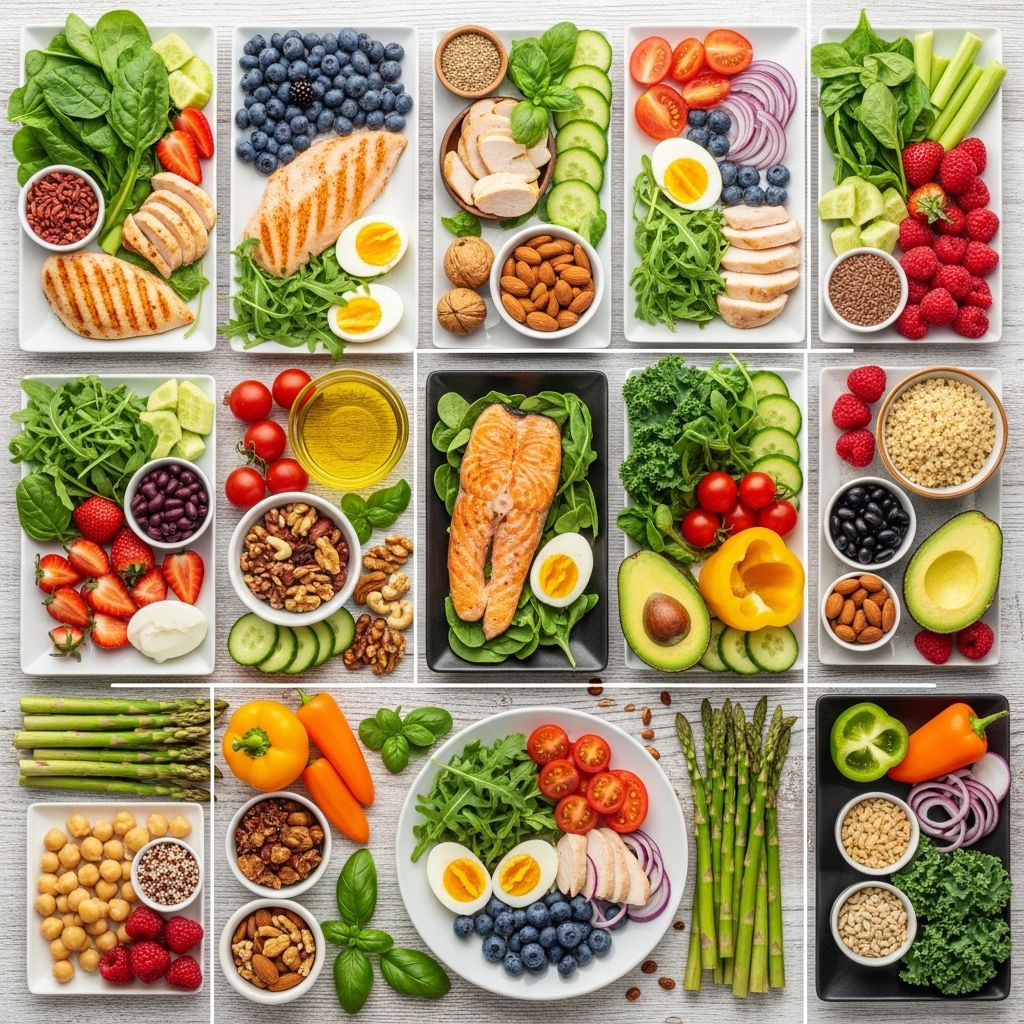
This 7-day meal plan is crafted to harness the vibrant flavors and nutrients of spring while prioritizing two key pillars of wellness: combating inflammation and fueling your body with high-quality protein. Spring brings an abundance of fresh, anti-inflammatory foods like asparagus, strawberries, spinach, and radishes, which are rich in antioxidants, vitamins, and fiber. Combined with lean proteins such as salmon, eggs, Greek yogurt, and legumes, this plan delivers at least 100 grams of protein per day—ideal for muscle maintenance, satiety, and metabolic health.
Anti-inflammatory diets, supported by research from the National Institutes of Health, emphasize whole foods that lower chronic inflammation markers like C-reactive protein (CRP). High protein intake, as per guidelines from the World Health Organization, aids in preserving lean mass, especially during seasonal transitions when activity levels rise. Each day includes breakfast, lunch, dinner, and snacks, with meal-prep tips for busy schedules. Daily calories hover around 1,800–2,000, adjustable for your needs. Nutritional breakdowns are provided per day.
How to Meal-Prep Your Week of Meals
Meal prepping saves time and ensures success. Dedicate 1–2 hours on Sunday to prepare components for the week:
- Proteins: Hard-boil a dozen eggs, grill 2 pounds of chicken breast, and bake two salmon fillets. Portion into containers.
- Grains & Veggies: Cook quinoa or farro for 4 cups. Chop spring veggies like asparagus, radishes, and spinach; store in airtight bags.
- Sauces & Dressings: Whisk up a big batch of tahini-lemon dressing (¼ cup tahini, juice of 2 lemons, 1 tsp garlic, water to thin). Make pesto with basil and walnuts.
- Snacks: Wash and portion berries, slice cucumbers, and measure nuts into bags.
- Storage: Use glass containers for fridge life up to 4 days; freeze extras. Reheat gently to preserve nutrients.
This approach minimizes waste and keeps flavors fresh, aligning with sustainable eating practices recommended by the USDA.
Day 1
Daily Totals: 1,850 calories, 112g protein, 45g fiber
- Breakfast (350 cal, 28g protein): Greek Yogurt Parfait—1 cup plain Greek yogurt, 1 cup strawberries, ¼ cup chia seeds, handful of almonds.
- A.M. Snack (200 cal, 15g protein): 1 hard-boiled egg, 1 cup cucumber slices with hummus.
- Lunch (450 cal, 35g protein): Grilled Chicken Salad—4 oz grilled chicken, mixed spring greens, radishes, asparagus, quinoa, tahini dressing.
- P.M. Snack (250 cal, 12g protein): Apple with 2 tbsp almond butter.
- Dinner (600 cal, 42g protein): Baked Salmon with Asparagus—6 oz salmon, roasted asparagus, sweet potato, lemon herb sauce.
Day 2
Daily Totals: 1,920 calories, 108g protein, 48g fiber
- Breakfast (380 cal, 30g protein): Spinach & Egg Scramble—3 eggs scrambled with spinach, tomatoes, feta on whole-grain toast.
- A.M. Snack (180 cal, 14g protein): 1 cup cottage cheese with blueberries.
- Lunch (480 cal, 32g protein): Quinoa Bowl—1 cup quinoa, chickpeas, cucumber, feta, olive oil vinaigrette.
- P.M. Snack (220 cal, 10g protein): Handful walnuts, carrot sticks.
- Dinner (660 cal, 42g protein): Turkey Stir-Fry—5 oz turkey breast, broccoli, snap peas, brown rice.
Day 3
Daily Totals: 1,780 calories, 115g protein, 42g fiber
- Breakfast (360 cal, 25g protein): Overnight Oats—½ cup oats, 1 cup almond milk, 1 scoop protein powder, raspberries.
- A.M. Snack (210 cal, 16g protein): Greek yogurt with chia seeds.
- Lunch (460 cal, 38g protein): Tuna Salad Wrap—canned tuna (in water), mixed greens, avocado, whole-grain tortilla.
- P.M. Snack (240 cal, 12g protein): Edamame pods (1 cup).
- Dinner (510 cal, 44g protein): Grilled Tofu with Spring Veggies—8 oz tofu, zucchini, radishes, farro.
Related Stories



Day 4
Daily Totals: 1,890 calories, 110g protein, 46g fiber
- Breakfast (370 cal, 29g protein): Avocado Egg Toast—2 poached eggs, ½ avocado on sourdough, side of berries.
- A.M. Snack (190 cal, 15g protein): Protein shake with spinach and banana.
- Lunch (470 cal, 34g protein): Lentil Soup—1.5 cups lentil soup, side salad with feta.
- P.M. Snack (230 cal, 11g protein): Celery with peanut butter.
- Dinner (630 cal, 41g protein): Baked Cod with Greens—6 oz cod, kale sauté, quinoa.
Day 5
Daily Totals: 1,810 calories, 105g protein, 44g fiber
- Breakfast (340 cal, 27g protein): Berry Smoothie Bowl—Greek yogurt base, mixed berries, nuts, seeds.
- A.M. Snack (200 cal, 14g protein): Hard-boiled eggs (2).
- Lunch (440 cal, 33g protein): Chicken Farro Salad—4 oz chicken, farro, arugula, strawberries.
- P.M. Snack (260 cal, 13g protein): Cottage cheese with pineapple.
- Dinner (570 cal, 38g protein): Veggie-Packed Turkey Meatballs—5 oz turkey, zucchini noodles, marinara.
Day 6
Daily Totals: 1,950 calories, 118g protein, 50g fiber
- Breakfast (390 cal, 31g protein): Feta Omelet with Asparagus—3-egg omelet, asparagus, side salad.
- A.M. Snack (170 cal, 12g protein): Handful pumpkin seeds.
- Lunch (500 cal, 36g protein): Salmon Salad—leftover salmon, mixed greens, walnuts, balsamic.
- P.M. Snack (250 cal, 15g protein): Protein bar (low-sugar, nut-based).
- Dinner (640 cal, 44g protein): Shrimp Stir-Fry—6 oz shrimp, snap peas, bell peppers, brown rice.
Day 7
Daily Totals: 1,830 calories, 109g protein, 47g fiber
- Breakfast (355 cal, 28g protein): Chia Pudding—¼ cup chia, almond milk, protein powder, kiwi.
- A.M. Snack (195 cal, 16g protein): Yogurt with flaxseeds.
- Lunch (455 cal, 35g protein): Egg Salad—3 eggs, celery, mustard, on greens.
- P.M. Snack (225 cal, 10g protein): Apple slices with cheese.
- Dinner (600 cal, 40g protein): Grilled Chicken with Radish Salad—5 oz chicken, radishes, spinach, lemon dressing.
Anti-Inflammatory Foods to Focus On
Incorporate these spring superstars:
- Berries: Strawberries and blueberries combat oxidative stress with anthocyanins.
- Leafy Greens: Spinach and arugula provide nitrates for blood flow.
- Fatty Fish: Salmon’s omega-3s reduce inflammatory cytokines, per NIH studies.
- Cruciferous Veggies: Broccoli and kale offer sulforaphane.
- Nuts & Seeds: Walnuts and chia deliver healthy fats and fiber.
High-Protein Foods We Eat Every Day
| Food | Protein (per serving) | Why It Fits |
|---|---|---|
| Greek Yogurt (1 cup) | 20g | Probiotic-rich, low-fat. |
| Salmon (6 oz) | 34g | Omega-3 powerhouse. |
| Eggs (2 large) | 12g | Complete protein, versatile. |
| Chicken Breast (4 oz) | 30g | Lean and filling. |
| Lentils (1 cup cooked) | 18g | Plant-based, fiber-packed. |
Meal-Prep Tips for Success
- Batch-cook grains and proteins early in the week.
- Freeze portions for Days 5–7.
- Shop seasonally for cost savings and peak nutrition.
- Hydrate with herbal teas to enhance anti-inflammatory effects.
Frequently Asked Questions (FAQs)
Q: Can I adjust this plan for vegetarians?
A: Yes, swap fish/chicken for tofu, tempeh, or extra legumes to maintain protein levels.
Q: Is this plan suitable for weight loss?
A: Absolutely—with high protein and fiber, it promotes satiety; reduce portions if needed for calorie deficit.
Q: How does this reduce inflammation?
A: By focusing on omega-3s, antioxidants, and avoiding processed foods, it lowers markers like CRP, backed by Harvard research.
Q: What if I have allergies?
A: Substitutes like nut-free seeds for nuts or dairy-free yogurt keep it adaptable.
This plan empowers you to embrace spring’s bounty for lasting health. Consult a doctor for personalized advice.
References
- Dietary Inflammatory Index and Risk of Chronic Diseases — National Institutes of Health (NIH). 2014-08-15. https://www.ncbi.nlm.nih.gov/pmc/articles/PMC4079835/
- Protein and Amino Acid Requirements in Human Nutrition — World Health Organization (WHO). 2007-06-01. https://www.who.int/publications/i/item/9789241504836 (Authoritative WHO report on protein needs, relevant for all ages).
- Anti-Inflammatory Diet Patterns and Risk of Chronic Disease — Harvard T.H. Chan School of Public Health. 2023-05-12. https://www.hsph.harvard.edu/nutritionsource/anti-inflammatory-diet/
- Dietary Guidelines for Americans, 2020-2025 — U.S. Department of Agriculture (USDA). 2020-12-31. https://www.dietaryguidelines.gov/sites/default/files/2020-12/Dietary_Guidelines_for_Americans_2020-2025.pdf
- Omega-3 Fatty Acids and Inflammatory Processes — Nutrients Journal (MDPI). 2022-03-10. https://www.ncbi.nlm.nih.gov/pmc/articles/PMC9012338/
Similar Articles








Read full bio of medha deb