7-Day Anti-Inflammatory Meal Plan for Leaky Gut
Heal your gut with this 7-day anti-inflammatory meal plan featuring nutrient-dense foods, fermented options, and recipes to reduce inflammation and support digestive health.
This comprehensive 7-day anti-inflammatory meal plan is crafted to address leaky gut syndrome, a condition characterized by increased intestinal permeability that may contribute to chronic inflammation and digestive issues. By focusing on foods that nourish beneficial gut bacteria, such as fibrous vegetables, fermented products, healthy fats, and lean proteins, this plan helps strengthen the gut lining and reduce systemic inflammation.
What Is Leaky Gut Syndrome?
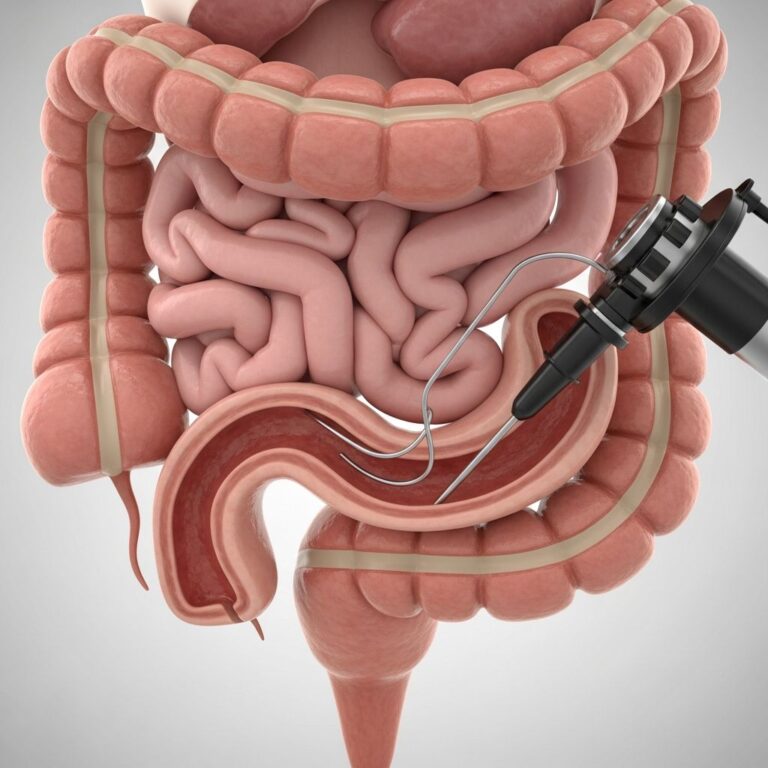
Leaky gut, or increased intestinal permeability, occurs when the tight junctions in the intestinal wall become compromised, allowing undigested food particles, toxins, and bacteria to leak into the bloodstream. This triggers immune responses and chronic low-grade inflammation linked to conditions like autoimmune diseases, type 2 diabetes, and heart disease. While not an official medical diagnosis, research supports dietary interventions to improve gut barrier function through nutrients like glutamine and probiotics found in fermented foods.
Common triggers include processed foods, stress, NSAIDs, alcohol, and dysbiosis—an imbalance in gut microbiota. An anti-inflammatory approach emphasizes whole foods rich in fiber, antioxidants, and omega-3s to promote microbial diversity and repair the gut lining.
How This Meal Plan Works
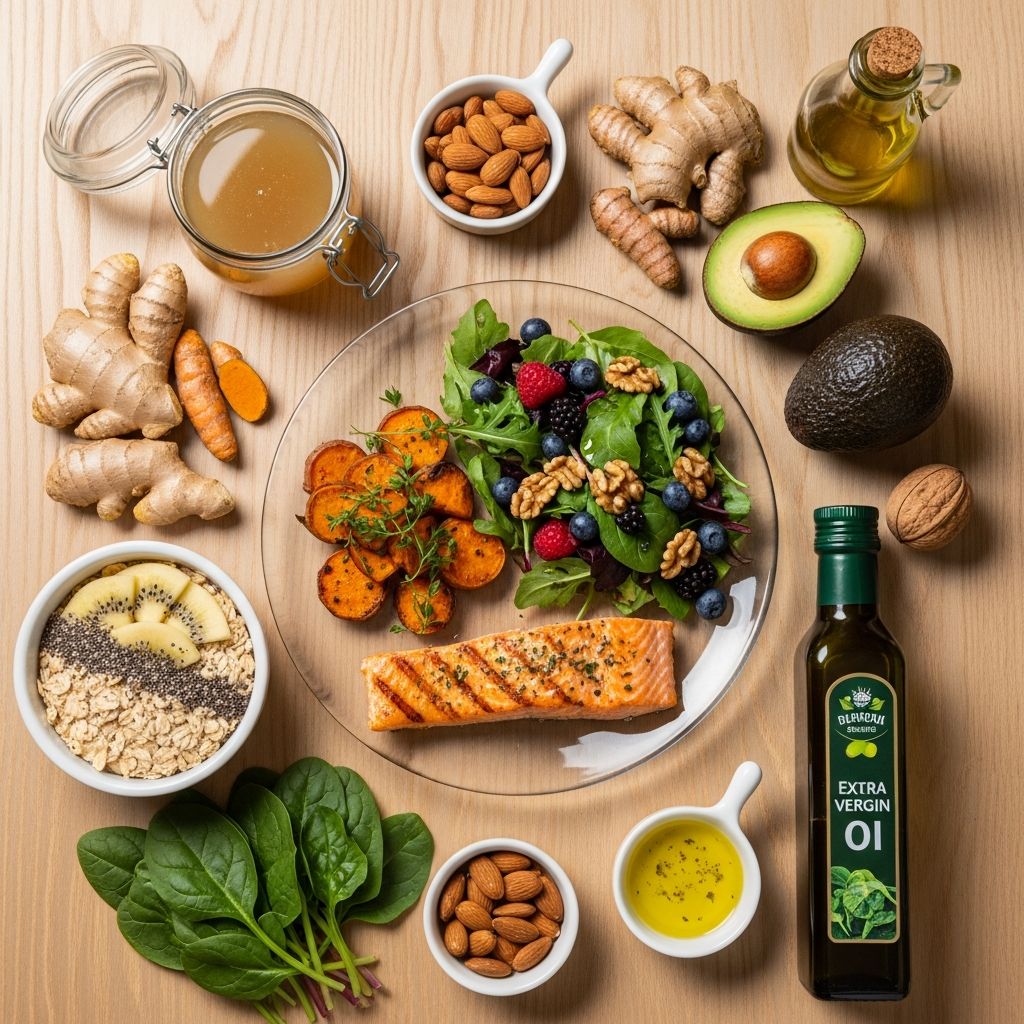
This plan provides approximately 1,800–2,000 calories per day, suitable for most adults, with balanced macronutrients: 45–55% carbs from whole sources, 25–30% healthy fats, and 20–25% protein. Meals incorporate anti-inflammatory staples like salmon, berries, leafy greens, turmeric, ginger, and fermented items such as sauerkraut and kefir to foster beneficial bacteria growth.
- Key Principles: Prioritize variety for phytochemicals and fiber; include probiotics daily; limit refined sugars, processed meats, and gluten.
- Portion Guidelines: Breakfast: 400 calories; Lunch: 500 calories; Dinner: 600 calories; Snacks: 200–300 calories each.
- Hydration: Drink 8–10 cups of water, herbal teas, or kombucha daily.
- Customization: Adjust for allergies; consult a doctor for personalized advice.
Studies show Mediterranean-style anti-inflammatory diets reduce inflammatory markers like C-reactive protein, supporting gut health via diverse plant foods and omega-3s.
Foods to Eat on This Plan
Focus on nutrient-dense, gut-supportive foods to heal and protect the intestinal barrier.
- Vegetables: Broccoli, Brussels sprouts, kale, spinach, carrots, zucchini, beets, mushrooms (high in fiber and prebiotics).
- Fruits: Berries, bananas, pineapple, papaya, kiwi (antioxidant-rich, low glycemic).
- Fermented Foods: Sauerkraut, kimchi, kefir, Greek yogurt (probiotic sources).
- Healthy Fats: Avocado, olive oil, nuts, seeds.
- Proteins: Salmon, chicken, eggs, turkey, tempeh.
- Grains: Gluten-free oats, brown rice, quinoa.
- Beverages: Bone broth, green tea, coconut milk.
Foods to Avoid
Steer clear of items that exacerbate inflammation and permeability.
- Processed sugars and refined carbs.
- Fried foods and trans fats.
- Excess alcohol and sodas.
- Gluten-containing grains (for sensitive individuals).
- Red and processed meats in excess.
Your 7-Day Meal Plan
Each day features simple, flavorful recipes using whole ingredients. Prep tip: Make smoothies and chop veggies ahead for efficiency.
Day 1: Monday
- Breakfast: Blueberry, banana, and Greek yogurt smoothie (blend 1 cup blueberries, 1 banana, 1 cup Greek yogurt, 1 cup almond milk). ~400 cal.
- A.M. Snack: Handful of almonds and an apple.
- Lunch: Mixed greens salad with sliced hard-boiled eggs, avocado, olive oil dressing.
- P.M. Snack: Carrot sticks with hummus.
- Dinner: Beef and broccoli stir-fry with zucchini noodles and sauerkraut (sauté 4 oz lean beef, broccoli in olive oil; serve over zoodles).
Related Stories



Day 2: Tuesday
- Breakfast: Veggie omelet (3 eggs, spinach, mushrooms, tomatoes).
- A.M. Snack: Kefir with chia seeds.
- Lunch: Monday dinner leftovers.
- P.M. Snack: Sliced cucumber with Greek yogurt dip.
- Dinner: Seared salmon with garden salad (4 oz salmon, mixed greens, lemon-olive oil).
Day 3: Wednesday
- Breakfast: Blueberry Greek yogurt smoothie with almond milk.
- A.M. Snack: Handful of walnuts.
- Lunch: Salmon, egg, and veggie frittata.
- P.M. Snack: Berries with a few pumpkin seeds.
- Dinner: Grilled lemon chicken salad with sauerkraut (4 oz chicken, greens, lemon dressing).
Day 4: Thursday
- Breakfast: Gluten-free oatmeal with raspberries and flaxseeds.
- A.M. Snack: Green tea and a pear.
- Lunch: Wednesday dinner leftovers.
- P.M. Snack: Celery with almond butter.
- Dinner: Broiled steak with Brussels sprouts and sweet potatoes (4 oz steak, roasted veggies).
Day 5: Friday
- Breakfast: Kale, pineapple, and almond milk smoothie.
- A.M. Snack: Hard-boiled egg.
- Lunch: Beet, carrot, kale, spinach, and brown rice salad.
- P.M. Snack: Sauerkraut side (1/2 cup).
- Dinner: Baked chicken with roasted carrots, green beans, broccoli (4 oz chicken).
Day 6: Saturday
- Breakfast: Coconut-papaya chia pudding (1/4 cup chia, 1 cup coconut milk, 1/4 cup papaya).
- A.M. Snack: Banana with peanut butter.
- Lunch: Chicken salad with olive oil (leftover chicken, greens).
- P.M. Snack: Kimchi (1/2 cup).
- Dinner: Roasted tempeh with Brussels sprouts and brown rice.
Day 7: Sunday
- Breakfast: Mushroom, spinach, and zucchini frittata (3 eggs).
- A.M. Snack: Greek yogurt with berries.
- Lunch: Sweet potato halves stuffed with spinach, turkey, cranberries.
- P.M. Snack: Avocado on gluten-free rice cake.
- Dinner: Grilled chicken wings with spinach and sauerkraut.
Sample Recipes
Blueberry Banana Greek Yogurt Smoothie
Ingredients: 1 cup blueberries, 1 banana, 1 cup plain Greek yogurt, 1 cup unsweetened almond milk. Blend until smooth. Provides probiotics and antioxidants.
Beef and Broccoli Stir-Fry
Sauté 4 oz lean beef strips in 1 tsp olive oil with 2 cups broccoli; add garlic, ginger. Serve over zucchini noodles with 1/2 cup sauerkraut. High in fiber and omega-3s precursors.
Grocery List
| Category | Items |
|---|---|
| Produce | Blueberries, bananas, kale, spinach, broccoli, zucchini, carrots, sweet potatoes, Brussels sprouts, avocado, lemons |
| Proteins | Salmon, chicken, beef, eggs, turkey, tempeh |
| Dairy/Fermented | Greek yogurt, kefir, sauerkraut, kimchi |
| Grains/Nuts | Gluten-free oats, brown rice, almonds, chia seeds, flaxseeds |
| Other | Olive oil, almond milk, coconut milk |
Nutrition Breakdown
| Day | Calories | Protein (g) | Carbs (g) | Fat (g) | Fiber (g) |
|---|---|---|---|---|---|
| 1 | 1,850 | 110 | 220 | 65 | 35 |
| 2 | 1,920 | 115 | 210 | 70 | 38 |
| 3–7 Average | 1,900 | 112 | 215 | 68 | 36 |
Balanced for sustained energy and gut repair.
Frequently Asked Questions
What is the best diet for leaky gut?
A diet rich in fermented foods, fiber, and anti-inflammatory nutrients like those in this plan supports gut healing by promoting beneficial bacteria and reducing permeability.
Can this plan cure leaky gut?
While no diet ‘cures’ it definitively, evidence shows anti-inflammatory eating patterns improve symptoms and intestinal integrity over time.
Are fermented foods essential?
Yes, they provide probiotics crucial for microbiome diversity and barrier function.
How long should I follow this plan?
Start with 7 days, then cycle or extend for 4–6 weeks; monitor symptoms and consult professionals.
Is this suitable for vegetarians?
Adapt by swapping meats for tempeh, eggs, or legumes; maintain protein balance.
Tips for Success
- Meal prep fermented sides weekly.
- Incorporate stress reduction like yoga for holistic gut support.
- Track digestion in a journal.
- Pair with sleep and moderate exercise.
References
- The Leaky Gut Diet Plan: What to Eat, What to Avoid — Healthline. 2023 (updated). https://www.healthline.com/nutrition/leaky-gut-diet
- Diet Review: Anti-Inflammatory Diet — Harvard T.H. Chan School of Public Health, The Nutrition Source. 2024 (updated). https://nutritionsource.hsph.harvard.edu/healthy-weight/diet-reviews/anti-inflammatory-diet/
Similar Articles








Read full bio of Sneha Tete