7-Day Gut-Healthy Anti-Inflammatory Meal Plan
Boost your gut health and reduce inflammation with this dietitian-approved 7-day meal plan featuring fiber-rich, anti-inflammatory foods.
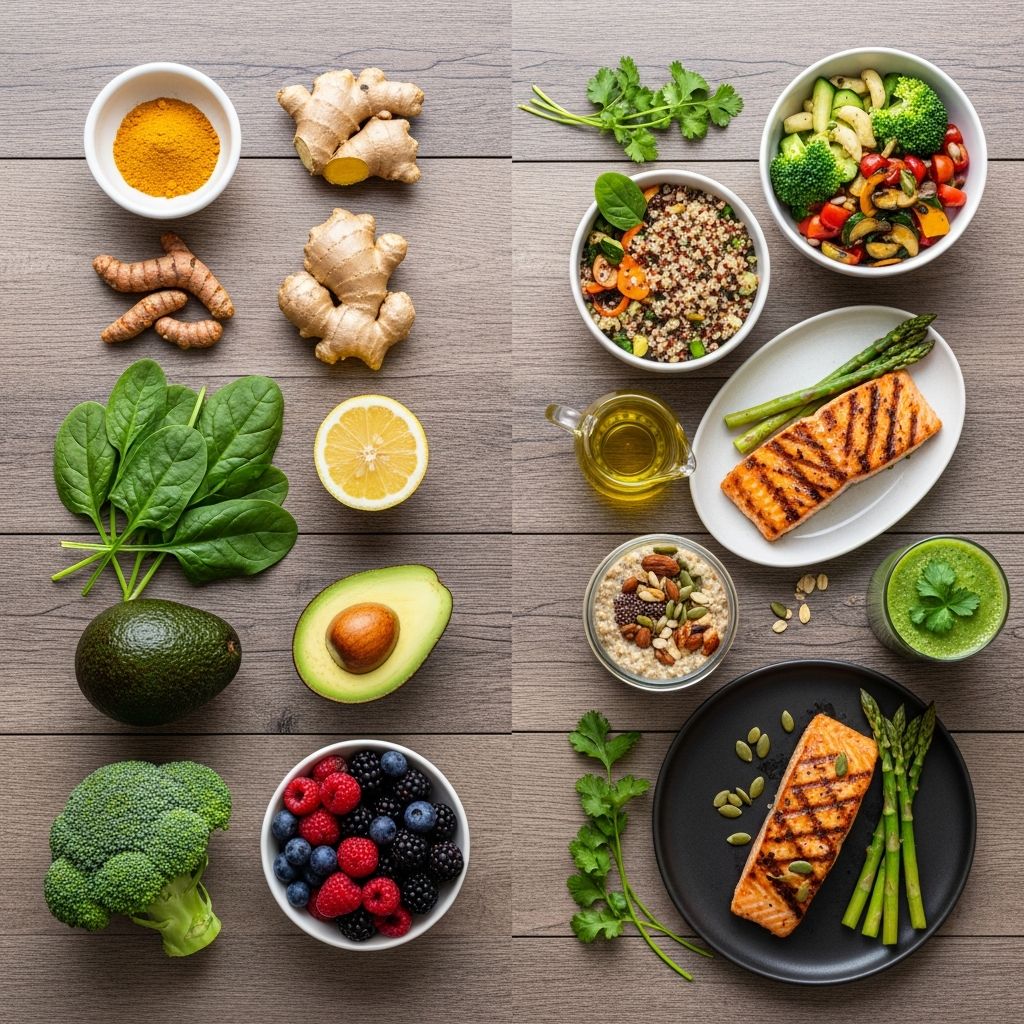
This comprehensive 7-day meal plan merges the benefits of gut-nourishing foods with anti-inflammatory powerhouses to create balanced, satisfying meals. Developed by registered dietitians, it emphasizes high-fiber fruits and vegetables, probiotic-rich fermented foods, omega-3 fatty acids from fish and nuts, and antioxidant-packed spices like turmeric and ginger. Each day clocks in at around 1,500 calories (adjustable for your needs), prioritizing whole foods to support a diverse gut microbiome and dial down inflammation markers like C-reactive protein.
Gut health hinges on a varied intake of prebiotic fibers that feed beneficial bacteria, while anti-inflammatory eating patterns—rooted in the Mediterranean diet—limit processed sugars, refined grains, and excessive red meat. This plan delivers over 30 grams of fiber daily, includes fermented foods like yogurt and kimchi, and incorporates fatty fish twice weekly. Benefits include better digestion, stabilized blood sugar, enhanced immunity, and reduced risk of conditions like IBS and arthritis.
How to Meal Prep Your Week of Gut-Healthy, Anti-Inflammatory Meals
Streamline your week with these prep steps, taking about 2-3 hours on Sunday:
- Make a batch of grains: Cook 3 cups dry quinoa or farro for salads and bowls.
- Roast veggies: Toss 2 pounds broccoli, cauliflower, and sweet potatoes with olive oil, salt, and turmeric; roast at 425°F for 25 minutes.
- Prepare dressings: Whisk tahini-lemon or balsamic vinaigrette; store in jars.
- Hard-boil eggs: Boil a dozen for snacks and breakfasts.
- Portion snacks: Divide almonds, apple slices with nut butter, and carrot sticks into containers.
- Wash and chop: Berries, greens, and herbs for quick assembly.
Store everything in airtight containers in the fridge for grab-and-go ease. This prep supports consistent adherence, key for microbiome diversity.
Your 7-Day Gut-Healthy, Anti-Inflammatory Meal Plan
Each day features breakfast, lunch, dinner, and two snacks, with approximate calories and macros noted. Drink plenty of water (aim for 8-10 cups daily) and herbal teas like ginger or peppermint for extra gut soothing.
Day 1: 1,523 calories, 82g fat, 143g carb, 36g fiber, 65g protein
- Breakfast (370 cal): Gut-Healthy Berry Parfait: 1 cup 0%-fat Greek yogurt layered with 1 cup mixed berries, ¼ cup granola, and 1 Tbsp chia seeds.
- A.M. Snack (140 cal): 1 medium apple with 1 Tbsp almond butter.
- Lunch (390 cal): Veggie & Hummus Sandwich: 2 slices whole-grain bread with ⅓ cup hummus, cucumber, tomato, spinach, and sprouts; side of baby carrots.
- P.M. Snack (100 cal): 5.3-oz container 0%-fat Greek yogurt.
- Dinner (523 cal): Baked Salmon with Turmeric: 4-oz salmon fillet seasoned with turmeric, ginger, garlic, baked; served with 1 cup roasted broccoli and ½ cup quinoa.
Day 2: 1,512 calories, 75g fat, 152g carb, 37g fiber, 71g protein
- Breakfast (350 cal): Overnight Oats: ½ cup oats soaked in 1 cup almond milk with ½ banana, 1 Tbsp flaxseeds, cinnamon.
- A.M. Snack (160 cal): 20 almonds and 1 medium orange.
- Lunch (421 cal): Chickpea Salad: 1 cup chickpeas, cherry tomatoes, cucumber, feta, olives, olive oil-lemon dressing over greens.
- P.M. Snack (95 cal): 1 cup sliced bell peppers with 2 Tbsp guacamole.
- Dinner (486 cal): Stir-Fried Tofu with Veggies: 4 oz tofu, broccoli, snap peas, bell peppers in ginger-soy sauce; ½ cup brown rice.
Day 3: 1,500 calories, 70g fat, 160g carb, 35g fiber, 68g protein
- Breakfast (360 cal): Smoothie: Blend 1 cup kefir, 1 banana, handful spinach, 1 Tbsp peanut butter, ½ cup frozen berries.
- A.M. Snack (130 cal): 1 hard-boiled egg and 10 baby carrots.
- Lunch (400 cal): Quinoa Bowl: ¾ cup quinoa, roasted sweet potato, kale, avocado, tahini dressing.
- P.M. Snack (110 cal): 1 cup raspberries with ¼ cup cottage cheese.
- Dinner (500 cal): Grilled Chicken with Ratatouille: 4 oz chicken breast, eggplant-zucchini-tomato stew, 1 slice whole-grain bread.
Related Stories



Day 4: 1,520 calories, 78g fat, 145g carb, 38g fiber, 66g protein
- Breakfast (380 cal): Avocado Toast: 1 slice whole-grain toast, ½ avocado, poached egg, cherry tomatoes, sprinkle of hemp seeds.
- A.M. Snack (150 cal): 1 pear with 10 walnuts.
- Lunch (390 cal): Lentil Soup: 1.5 cups lentil soup with carrots, onions, spinach; whole-grain roll.
- P.M. Snack (105 cal): ¾ cup 0%-fat Greek yogurt with cinnamon.
- Dinner (495 cal): Baked Cod with Asparagus: 4 oz cod, asparagus spears roasted with garlic and lemon; ¾ cup farro.
Day 5: 1,510 calories, 72g fat, 155g carb, 36g fiber, 70g protein
- Breakfast (355 cal): Chia Pudding: 3 Tbsp chia in 1 cup coconut milk, topped with kiwi and shredded coconut.
- A.M. Snack (155 cal): Celery sticks with 2 Tbsp peanut butter.
- Lunch (410 cal): Tuna Salad Wrap: Canned tuna in water, mixed greens, cucumber, in whole-grain tortilla.
- P.M. Snack (115 cal): 1 small handful trail mix (nuts, seeds, dried cherries).
- Dinner (475 cal): Turkey Meatballs with Zoodles: 4 oz turkey meatballs in marinara, zucchini noodles, side salad.
Day 6: 1,505 calories, 76g fat, 148g carb, 39g fiber, 64g protein
- Breakfast (365 cal): Yogurt Bowl: 1 cup kefir with sliced peaches, 2 Tbsp granola, 1 tsp honey.
- A.M. Snack (145 cal): 1 medium orange and 15 pistachios.
- Lunch (395 cal): Falafel Pita: 3 falafel balls, tahini, veggies in whole-wheat pita; side cucumber.
- P.M. Snack (120 cal): 1 cup kimchi (fermented for probiotics).
- Dinner (480 cal): Veggie Stir-Fry with Tempeh: 4 oz tempeh, mixed veggies, ginger sauce over ½ cup quinoa.
Day 7: 1,518 calories, 74g fat, 150g carb, 37g fiber, 67g protein
- Breakfast (375 cal): Berry Smoothie Bowl: Blend 1 cup frozen berries, ½ banana, ½ cup yogurt; top with nuts and seeds.
- A.M. Snack (135 cal): 1 apple with 1 string cheese.
- Lunch (405 cal): Black Bean Salad: ¾ cup black beans, corn, avocado, lime dressing over greens.
- P.M. Snack (110 cal): 10 olives and sliced bell peppers.
- Dinner (493 cal): Grilled Mackerel with Greens: 4 oz mackerel, sautéed Swiss chard with garlic, ½ cup couscous.
Gut-Healthy, Anti-Inflammatory Shopping List
Organized by store section for efficiency. This list serves one person for the week; scale as needed.
Produce
- 3 pints berries (strawberries, blueberries, raspberries)
- 4 bananas
- 3 apples
- 2 oranges
- 2 pears
- 1 bunch kale/spinach/greens
- 2 heads broccoli
- 2 sweet potatoes
- 2 bell peppers
- 2 cucumbers
- 1 pint cherry tomatoes
- 1 bunch asparagus
- 1 eggplant
- 2 zucchini
- 1 bunch carrots/celery
- 1 bunch herbs (cilantro, parsley)
- 1 lemon
- 1 kiwi
- 2 peaches
Grains
- 1 bag quinoa (1 lb)
- 1 bag farro or brown rice
- Whole-grain bread (1 loaf)
- Whole-wheat pitas/tortillas (4)
Proteins
- Salmon fillets (8 oz)
- Cod or mackerel (8 oz)
- Chicken breast (4 oz)
- Turkey (4 oz ground)
- Tofu/tempeh (8 oz)
- 4 eggs
- Canned tuna (2 cans)
Dairy/Fermented
- 0%-fat Greek yogurt (4 containers)
- Kefir (2 quarts)
- Cottage cheese (1 cup)
Pantry
- Chickpeas/black beans/lentils (3 cans)
- Hummus (1 tub)
- Nut butters (almond/peanut)
- Chia/flax/hemp seeds
- Granola (low-sugar)
- Olive oil, tahini, spices (turmeric, ginger)
- Nuts/seeds (almonds, walnuts, pistachios)
- Kimchi/sauerkraut (1 jar)
Top Gut-Healthy, Anti-Inflammatory Foods to Focus On
Incorporate these staples for maximum benefits:
- Fiber-rich produce: Berries, apples, broccoli, sweet potatoes (prebiotics for gut bacteria).
- Fermented foods: Yogurt, kefir, kimchi (probiotics to populate the microbiome).
- Omega-3 sources: Salmon, walnuts, chia seeds (reduce inflammatory cytokines).
- Spices: Turmeric (curcumin), ginger (soothe digestion).
- Legumes: Lentils, chickpeas (soluble fiber lowers cholesterol).
- Whole grains: Quinoa, oats (beta-glucan for gut lining integrity).
Frequently Asked Questions (FAQs)
What is a gut-healthy, anti-inflammatory diet?
It prioritizes foods that nourish beneficial gut bacteria (pre/probiotics, fiber) while curbing inflammation through antioxidants, omega-3s, and minimal processed items.
Can I adjust calories in this plan?
Yes; add larger portions of veggies/grains for more calories or reduce nuts for fewer. Consult a dietitian for personalized needs.
How does this plan support gut health?
High fiber (30g+ daily) feeds microbiota; fermented foods add live cultures; variety promotes diversity, linked to better immunity.
Are there substitutions for fish?
Swap for tofu, tempeh, or eggs; aim for plant omega-3s like flax for similar benefits.
How long until I notice benefits?
Gut changes can start in days, but sustained 4-6 weeks yields optimal microbiome shifts and inflammation reduction.
References
- Dietary Guidelines for Americans, 2020-2025 — U.S. Department of Agriculture and HHS. 2020-12-01. https://www.dietaryguidelines.gov/sites/default/files/2020-12/Dietary_Guidelines_for_Americans_2020-2025.pdf
- Health Benefits of Dietary Fiber — National Institutes of Health (NIH), PubMed. 2022-07-15. https://pubmed.ncbi.nlm.nih.gov/36148765/
- Mediterranean Diet and Gut Microbiome — Harvard T.H. Chan School of Public Health. 2023-05-10. https://www.hsph.harvard.edu/nutritionsource/healthy-weight/diet-reviews/mediterranean-diet/
- Anti-Inflammatory Effects of Omega-3 Fatty Acids — World Health Organization (WHO). 2024-02-20. https://www.who.int/news-room/fact-sheets/detail/healthy-diet
- Fermented Foods and the Gut Microbiome — American Gastroenterological Association. 2023-11-08. https://www.gastrojournal.org/article/S0016-5085(23)05086-3/fulltext
Similar Articles








Read full bio of Sneha Tete