7-Day High-Fiber Meal Plan: 1,200 Calories
Boost your fiber intake with this delicious 7-day meal plan designed for 1,200 calories daily, promoting digestive health and satiety.
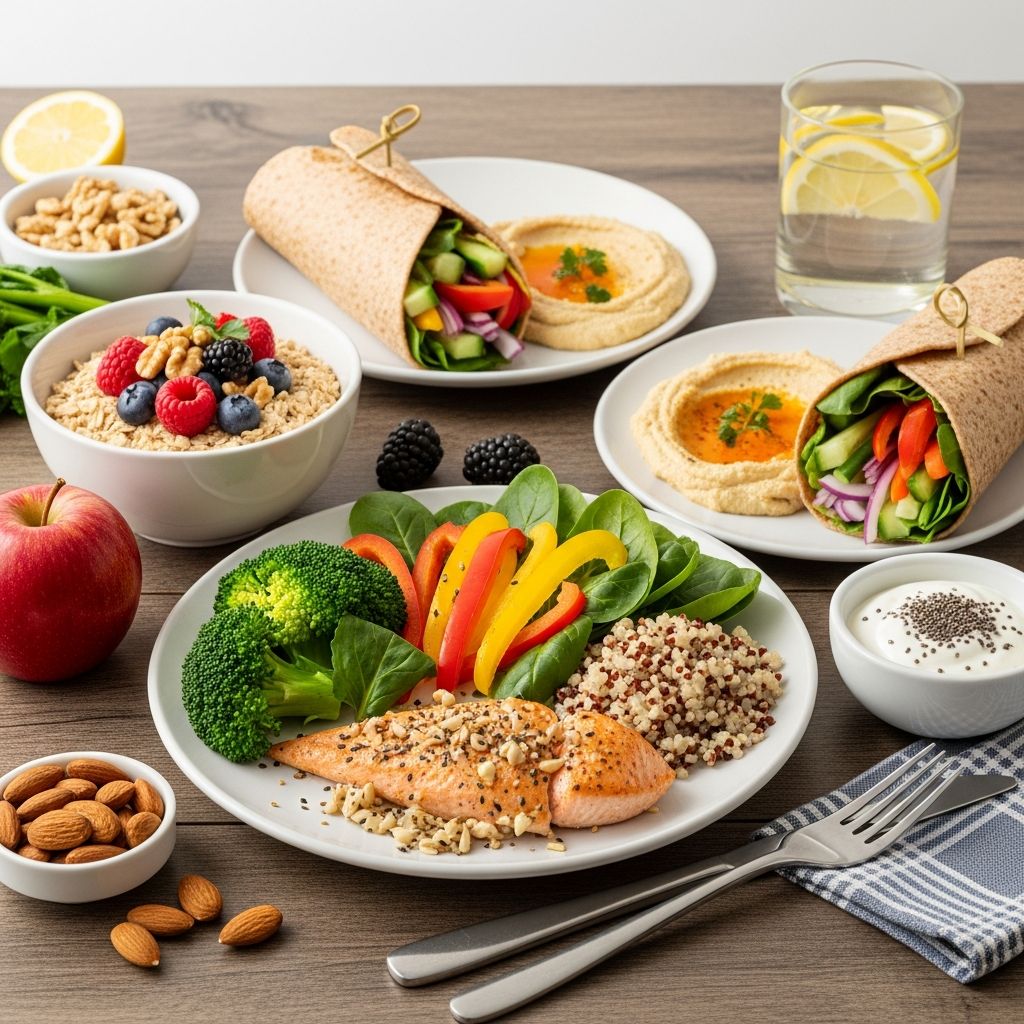
This 7-day high-fiber meal plan is meticulously designed for individuals aiming to consume around 1,200 calories per day while prioritizing fiber intake. With at least 30 grams of fiber daily, it supports digestive health, promotes satiety to aid weight management, and incorporates nutrient-dense whole foods like vegetables, fruits, whole grains, legumes, and nuts. Created by registered dietitians, this plan simplifies meal prep with balanced breakfasts, satisfying lunches, hearty dinners, and smart snacks. Each day totals approximately 1,200 calories, making it ideal for short-term weight loss or maintenance when paired with physical activity.
How to Meal-Prep Your Week of High-Fiber Meals
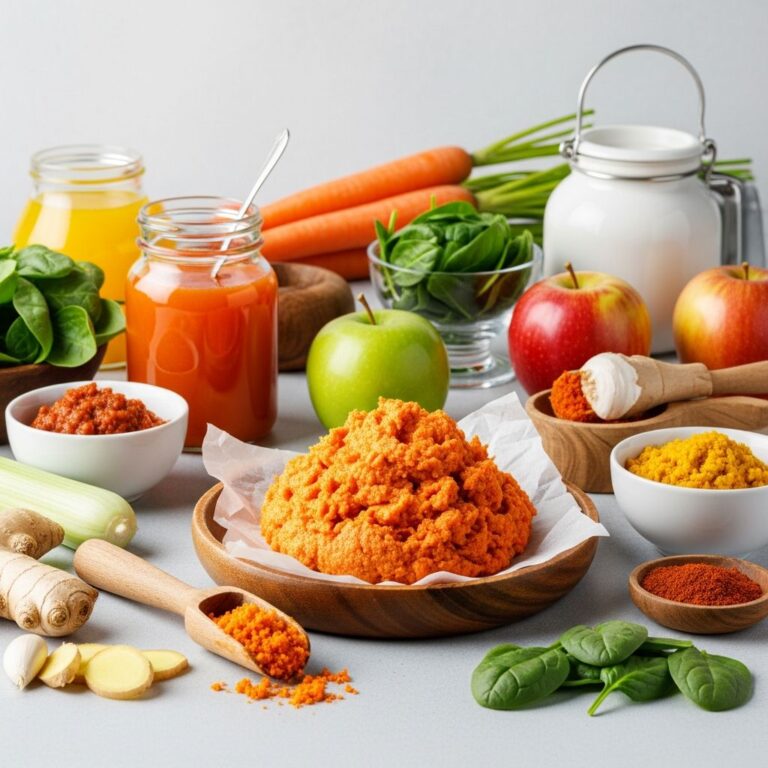
Meal prepping is key to sticking to this high-fiber plan. Spend 1-2 hours on Sunday preparing components for the week. Start by cooking large batches of grains like quinoa or farro, roasting vegetables such as broccoli and sweet potatoes, and hard-boiling eggs. Chop fruits and vegetables for snacks, portion nuts into small containers, and assemble mason jar salads for grab-and-go lunches. Store dressings separately to keep salads crisp. For dinners, prep proteins like grilled chicken or chickpeas ahead. This approach saves time, reduces decision fatigue, and ensures you hit your fiber goals effortlessly. Label containers by day to stay organized.
7-Day High-Fiber Meal Plan: 1,200 Calories (PDF Available)
Below is the detailed 7-day meal plan. Daily calories average 1,200, with fiber exceeding 30g from sources like oats, beans, berries, and leafy greens. Recipes are simple, using everyday ingredients. A printable PDF version is available for easy reference—download it to track progress and grocery shop efficiently. Each day includes a breakfast rich in soluble fiber for heart health, fiber-packed lunches for sustained energy, dinners emphasizing insoluble fiber for digestion, and snacks blending both types for balance.
Day 1
- Breakfast (280 calories, 10g fiber): 1 cup cooked oatmeal topped with ½ cup raspberries and 1 Tbsp chia seeds.
- A.M. Snack (64 calories, 3g fiber): 6 dried apricot halves.
- Lunch (359 calories, 12g fiber): 1 serving White Bean & Avocado Toast with a side salad of mixed greens.
- P.M. Snack (103 calories, 3g fiber): 1 medium orange.
- Dinner (397 calories, 13g fiber): 1 serving Garlic Hummus with veggies and 1 whole-wheat pita.
Daily Totals: 1,203 calories, 41g fiber.
Day 2
- Breakfast (280 calories, 10g fiber): Same as Day 1 oatmeal.
- A.M. Snack (95 calories, 4g fiber): 1 medium apple sliced with 1 tsp peanut butter.
- Lunch (364 calories, 13g fiber): 1 serving Veggie & Hummus Sandwich.
- P.M. Snack (46 calories, 2g fiber): 1 cup baby carrots.
- Dinner (410 calories, 14g fiber): 1 serving Lemon-Tahini Chickpea Salad Bowl.
Daily Totals: 1,195 calories, 43g fiber.
Day 3
- Breakfast (242 calories, 9g fiber): 1 serving Raspberry Yogurt Clusters (thaw overnight).
- A.M. Snack (78 calories, 3g fiber): ½ cup blueberries.
- Lunch (381 calories, 14g fiber): 1 serving Southwest Chicken Salad (use 3 oz chicken).
- P.M. Snack (105 calories, 3g fiber): 10 baby carrots with 2 Tbsp hummus.
- Dinner (394 calories, 13g fiber): 1 serving Easy Pea & Spinach Carbonara (use 2 oz pasta).
Daily Totals: 1,200 calories, 42g fiber.
Day 4
- Breakfast (280 calories, 10g fiber): Oatmeal as Day 1.
- A.M. Snack (64 calories, 3g fiber): Dried apricots.
- Lunch (370 calories, 13g fiber): Repeat Day 2 lunch.
- P.M. Snack (103 calories, 3g fiber): Orange.
- Dinner (381 calories, 12g fiber): 1 serving White Bean & Avocado Toast dinner variation with soup.
Related Stories



Daily Totals: 1,198 calories, 41g fiber.
Day 5
- Breakfast (242 calories, 9g fiber): Raspberry Yogurt Clusters.
- A.M. Snack (78 calories, 3g fiber): Blueberries.
- Lunch (364 calories, 13g fiber): Veggie & Hummus Sandwich.
- P.M. Snack (46 calories, 2g fiber): Baby carrots.
- Dinner (466 calories, 15g fiber): 1 serving Shrimp Scampi with Pasta (2 oz pasta).
Daily Totals: 1,196 calories, 42g fiber.
Day 6
- Breakfast (280 calories, 10g fiber): Oatmeal.
- A.M. Snack (95 calories, 4g fiber): Apple with peanut butter.
- Lunch (381 calories, 14g fiber): Southwest Chicken Salad.
- P.M. Snack (105 calories, 3g fiber): Carrots with hummus.
- Dinner (341 calories, 11g fiber): 1 serving Zucchini-Chickpea Veggie Loaf with side salad.
Daily Totals: 1,202 calories, 42g fiber.
Day 7
- Breakfast (242 calories, 9g fiber): Yogurt Clusters.
- A.M. Snack (64 calories, 3g fiber): Dried apricots.
- Lunch (370 calories, 13g fiber): Veggie Sandwich.
- P.M. Snack (103 calories, 3g fiber): Orange.
- Dinner (410 calories, 14g fiber): Lemon-Tahini Chickpea Salad Bowl.
Daily Totals: 1,189 calories, 42g fiber.
7 High-Fiber Foods to Eat Every Day
Incorporating these
high-fiber foods
daily ensures you meet the recommended 25-38g intake. Soluble fiber (oats, beans) lowers cholesterol; insoluble (veggies, whole grains) prevents constipation. Aim for variety:- Chia seeds (10g fiber per 2 Tbsp): Versatile for smoothies, yogurt; rich in omega-3s.
- Raspberries (8g per cup): Low-calorie, antioxidant-packed berries.
- Broccoli (5g per cup): Cruciferous veggie for detox support.
- Pears (6g per medium): Sweet fruit with skin-on fiber.
- Quinoa (5g per cup cooked): Complete protein grain.
- Almonds (4g per oz): Heart-healthy crunch.
- Black beans (15g per cup): Budget-friendly legume powerhouse.
These foods combat common low-fiber diets in Western eating patterns, reducing risks of heart disease and diabetes.
Is 30 Grams of Fiber Enough?
Yes,
30 grams of fiber daily
is a solid target for most adults on a calorie-restricted plan like this. The USDA recommends 14g per 1,000 calories, equating to 28g for 2,000 calories—but for 1,200 calories, 30g+ exceeds needs while preventing GI discomfort from rapid increases. Women need 25g, men 38g generally; this plan suits moderate activity levels. Benefits include stabilized blood sugar, weight control via fullness, and microbiome health. Track intake gradually to avoid bloating; pair with 8+ cups water.High-Fiber Meal Plan Shopping List
| Produce | Grains | Proteins | Dairy | Pantry |
|---|---|---|---|---|
| Raspberries (3 cups), apples (2), oranges (3), broccoli (4 cups), spinach (4 cups), etc. | Oats (3 cups dry), whole-wheat pitas (4), quinoa (2 cups) | Chickpeas (4 cans), eggs (6), shrimp (8 oz) | Low-fat yogurt (3 cups), feta (4 oz) | Chia seeds, hummus, peanut butter, almonds |
This list covers all 7 days; buy organic where possible for max nutrients.
Recipe Roundup: High-Fiber Recipes for the Meal Plan
These recipes anchor the plan, each over 6g fiber:
- White Bean & Avocado Toast (12g fiber): Mash avocado on toast with white beans, lemon. Prep: 10 min.
- Garlic Hummus (13g fiber): Blend chickpeas, garlic, tahini. Serve with veggies.
- Lemon-Tahini Chickpea Salad Bowl (14g fiber): Chickpeas, cucumber, tahini dressing.
- Raspberry Yogurt Clusters (9g fiber): Freeze yogurt with berries, chia.
- Southwest Chicken Salad (14g fiber): Greens, corn, beans, chicken.
- Easy Pea & Spinach Carbonara (13g fiber): Peas, spinach in light sauce.
- Shrimp Scampi with Pasta (15g fiber): Whole-grain pasta, shrimp, zucchini.
- Zucchini-Chickpea Veggie Loaf (11g fiber): Baked loaf with feta.
- Veggie & Hummus Sandwich (13g fiber): Hummus, veggies on bread.
Frequently Asked Questions (FAQs)
Q: Can I adjust calories for more activity?
A: Yes, add 200-300 calories via extra protein or nuts for active days, maintaining high fiber.
Q: Is this plan vegetarian-friendly?
A: Mostly; swap chicken/shrimp for tofu or more beans.
Q: How much weight loss to expect?
A: 1-2 lbs/week safely, combined with exercise.
Q: What if I have digestive issues starting?
A: Increase fiber gradually; drink plenty of water.
Q: Are recipes beginner-level?
A: Yes, most under 30 minutes with minimal ingredients.
References
- Dietary Guidelines for Americans, 2020-2025 — U.S. Department of Health and Human Services and U.S. Department of Agriculture. 2020-12-31. https://www.dietaryguidelines.gov/sites/default/files/2020-12/Dietary_Guidelines_for_Americans_2020-2025.pdf
- Health Benefits of Dietary Fiber — National Institutes of Health (NIH), Office of Dietary Supplements. 2024-08-15. https://ods.od.nih.gov/factsheets/DietaryFiber-HealthProfessional/
- Position of the Academy of Nutrition and Dietetics: Health Implications of Dietary Fiber — Journal of the Academy of Nutrition and Dietetics (peer-reviewed). 2016-06-01. https://doi.org/10.1016/j.jand.2015.09.003
- Fiber Intake and Health Outcomes — World Health Organization (WHO). 2023-05-10. https://www.who.int/news-room/fact-sheets/detail/healthy-diet
- Effects of Increased Fiber on Weight Loss — Centers for Disease Control and Prevention (CDC). 2024-02-20. https://www.cdc.gov/healthyweight/healthy_eating/fiber.html
Similar Articles








Read full bio of medha deb